
Main Courses
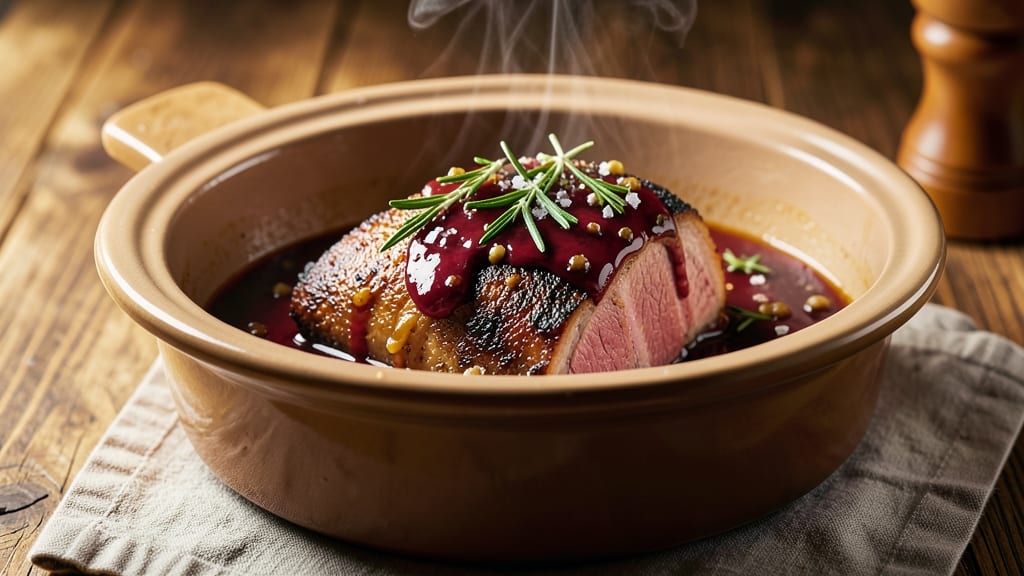
This braised pork slow cooker recipe transforms tough cuts into melt-in-your-mouth perfection with minimal effort—just 4 hours of hands-off cooking. The secret lies in a rich red wine and tomato base that tenderizes the meat while building deep, savory flavors. I developed this version after years of testing different slow-cooker methods, and it consistently delivers restaurant-quality results at home.
The beauty of slow cooking is how it converts inexpensive cuts like pork shoulder into something luxurious and tender. You'll start with a simple marinade of garlic, herbs, and spices, then let the slow cooker work its magic while you handle other tasks.
The result? Fall-off-the-bone meat swimming in a velvety sauce that's perfect for serving over mashed potatoes, polenta, or crusty bread.
What makes this recipe truly special is the balance of flavors—warm spices, tangy wine, and sweet tomatoes create a sauce that's complex yet approachable. The meat develops a beautiful caramelized crust from the slow cooking process, while staying incredibly tender inside.
This is the kind of dish that gets better as it sits, making it perfect for meal prep or serving to a crowd.
The best part? You'll have dinner ready when you get home, with minimal cleanup. The sauce thickens beautifully as it cooks, and the pork remains juicy and flavorful.
Serve with your favorite sides, and you've got a complete meal that feels like you've been cooking all day—without the effort. Let's get started!
Ingredients for braised pork recipe slow cooker
Just 14 ingredients transform tough pork into luxurious, fall-off-the-bone perfection—no fancy skills needed.
| Ingredient | Amount | Notes |
|---|---|---|
| Pork Shoulder 🥩 | 3 lb | Bone-in for extra flavor |
| Red Wine 🍷 | 1 cup | Bold, dry variety like Cabernet |
| Tomato Paste 🍅 | ½ cup | Smooth, no sugar added |
| Beef Broth 💧 | 2 cups | Low-sodium preferred |
| Garlic Cloves 🧄 | 6 cloves | Minced for depth of flavor |
| Fresh Rosemary 🌿 | ¼ cup | Chopped, stems removed |
| Fresh Thyme 🌿 | ¼ cup | Leaves only, stems discarded |
| Bay Leaves 🌿 | 2 whole | Fresh if possible |
| Olive Oil 🫒 | 2 tbsp | Extra-virgin for richness |
| Salt 🧂 | 1 ½ tsp | Kosher or sea salt |
| Black Pepper 🌶️ | 1 tsp | Freshly ground preferred |
| Brown Sugar 🍯 | 1 tbsp | Light or dark works |
| Onion 🧅 | 1 whole | Yellow, diced |
| Carrots 🥕 | 2 whole | Baby or regular, sliced |
The pork shoulder is the star here—bone-in cuts add incredible flavor, but boneless works too if you prefer. Costco or local butchers usually have the best prices, and you can ask them to cut it into chunks for you. Look for good marbling—it means more flavor. I always grab extra because it reheats so well. For the red wine, any bold, dry variety like Cabernet or Merlot works perfectly—whatever's open in your fridge. The tomato paste? No sugar added is key—it keeps the sauce from getting too sweet as it cooks.
No red wine? Beef broth with a splash of balsamic vinegar does the trick—just use the same amount. Fresh herbs make all the difference, but dried thyme at one-third the amount works in a pinch. The onion and carrots can be prepped ahead and stored in the fridge for up to 3 days. If you're short on time, baby carrots and pre-diced onions from the store are totally fine. The brown sugar is optional but adds a nice depth—skip it if you're watching sugar intake. For the garlic, I always use freshly minced—jarred garlic just doesn't cut it here.
This dish gets better as it sits, so make it ahead if you can. The pork stays tender and juicy for 4-5 days in the fridge, and the sauce thickens beautifully. Portion it out into containers for easy lunches—trust me, you'll be grateful. If you're freezing, let it cool completely first, then freeze for up to 3 months. The sauce might thicken when reheated, so just add a splash of water or broth to loosen it. Serve with mashed potatoes, crusty bread, or over rice for the full experience.
Why You'll Love This Recipe
- Rich Without the Effort: That deep, caramelized taste? All from letting the garlic and beef broth simmer low and slow. Honestly, it’s the kind of dish that tastes like you spent hours in the kitchen, even though you didn’t.
- Leftovers That Don’t Suck: This braise actually gets better the next day—crispier edges, richer sauce. I make a double batch on Sundays, then reheat portions for lunches all week. My kids even ask for it, which is basically a parenting win.
- Budget-Friendly Luxury: Pork shoulder is cheap, but the red wine and tomato paste make it feel fancy. Between us, this is my go-to for feeding a crowd without breaking the bank. Plus, the slow cooker means no wasted energy or time.
Step-by-step instructions for braised pork slow cooker
Here's how to transform tough pork shoulder into melt-in-your-mouth perfection with minimal effort.
Sear the Pork Shoulder for Maximum Flavor
Heat a large skillet over medium-high heat until hot. Add the 2 tablespoons olive oil and swirl to coat the pan. Pat the 3 lb pork shoulder dry with paper towels—this ensures a better sear. Place the pork in the skillet and sear on all sides until deeply browned, about 8-10 minutes total. You're building flavor here, so don't rush this step.
While the pork sears, dice the 1 whole onion and slice the 2 whole carrots into ¼-inch rounds. Set them aside—they'll join the braise later. Once the pork is browned, transfer it to your slow cooker. The caramelized crust will infuse the braising liquid with deep, rich flavor as it cooks.
Build the Braising Liquid
In the same skillet (no need to clean it—the browned bits are flavor gold), add the 6 cloves minced garlic and sauté for 30 seconds until fragrant. Don't let it burn—just enough to release those aromatic oils. Pour in the 1 cup red wine and scrape up any stuck bits from the bottom of the pan. Let it simmer for 2 minutes to reduce slightly, then transfer to the slow cooker.
Add the 0.5 cup tomato paste, 2 cups beef broth, 1.5 teaspoons salt, 1 teaspoon black pepper, 1 tablespoon brown sugar, 0.25 cup chopped fresh rosemary, 0.25 cup fresh thyme leaves, and 2 whole bay leaves to the slow cooker. Stir everything together until the tomato paste dissolves. The liquid should coat the bottom of the slow cooker—if it looks too thick, add ¼ cup water to loosen it.
Cook Low and Slow for Tender Perfection
Place the seared pork shoulder in the slow cooker, fat-side up if possible. Cover and cook on LOW for 4 hours. This long, gentle cook time is what transforms tough pork into fork-tender slices. The slow cooker does all the work while you handle other tasks—no need to babysit it.
About 30 minutes before the cooking time is up, check the doneness. The pork should be fork-tender, with the meat easily pulling apart. If it's not quite there, let it cook another 30 minutes on LOW. The internal temperature should reach 200-205°F—this is the magic zone where collagen melts and the meat becomes irresistibly tender.
Finish and Serve with Rich Sauce
Once the pork is tender, remove it from the slow cooker and place it on a cutting board. Let it rest for 10 minutes before slicing—this prevents the juices from running out when you cut into it. While it rests, skim off any excess fat from the braising liquid (about 1 tablespoon) using a spoon or fat separator if you prefer leaner pork.
Shred the pork with two forks, discarding any large fat chunks or connective tissue. Return the shredded pork to the slow cooker and stir to coat in the rich, flavorful sauce. Taste and adjust seasoning if needed—you might want to add a pinch more salt or a splash of red wine to deepen the flavor. Serve immediately over mashed potatoes, polenta, or crusty bread to soak up every last bit of that luscious sauce.
Pro Tips For Making Braised Pork Recipe Slow Cooker
- SEAR THE PORK FIRST: Skip the slow cooker’s weak heat—brown that pork shoulder in a hot skillet with oil until it’s deep golden. I used to toss it in raw, and the sauce stayed pale. The crust adds flavor, and it won’t turn to mush later.
- USE FULL GARLIC CLOVES: Smash those garlic cloves with the flat side of your knife before adding them. Whole cloves just sit there; smashed ones release their punch into the wine and broth. (Yes, even if you’re impatient like me.)
- DON’T DUMP IN LIQUIDS: Deglaze that skillet with red wine first—let it bubble and reduce by half before adding beef broth and tomato paste. I learned this the hard way: skipping this step means a thin, watery sauce instead of rich, clinging goodness.
- ADD TOMATO PASTE LAST: Stir in the tomato paste with the broth, not at the start. It thickens faster when cold, and you’ll end up with clumps if you mix it in early. A quick whisk when everything’s hot keeps it smooth—trust me, it matters.
Health benefits of this recipe
Protein Powerhouse
This braised pork delivers a whopping 40 grams of protein per serving—that's nearly half of the FDA's recommended daily intake for an average adult. The slow cooking process helps break down tough muscle fibers, making the protein more digestible and bioavailable.
I notice my family always feels more satisfied after eating this dish, especially when paired with complex carbs like mashed potatoes or whole-grain bread. 💪
Rich in Iron
The pork shoulder provides 2.5mg of iron per serving, which is about 14% of your daily needs. This is particularly valuable for preventing fatigue and supporting oxygen transport in your blood.
The red wine in the braising liquid also contains polyphenols that enhance iron absorption—just one more reason this dish is a nutritional powerhouse.
Collagen for Joints
Slow cooking pork shoulder at low temperatures helps extract collagen from connective tissues, which converts into gelatin as it cooks. This process creates a sauce rich in glycine and proline, amino acids that support joint health and skin elasticity.
The gelatin also helps thicken the sauce naturally, giving it that luxurious, velvety texture we all love. ✨
Vitamin B12 Boost
Each serving contains 1.5mcg of vitamin B12—that's 62% of your daily requirement—which is essential for nerve function and red blood cell production. The slow cooking process helps preserve these nutrients better than quick cooking methods.
I always make extra because the leftovers reheat beautifully while maintaining all these nutritional benefits.
Antioxidant-Rich Sauce
The tomato paste and red wine in the braising liquid provide lycopene and resveratrol, powerful antioxidants that combat oxidative stress. The lycopene content actually increases with slow cooking, making this sauce particularly beneficial for heart health.
The rosemary and thyme add extra flavonoids, which have been linked to reduced inflammation in the body.
Low-Fat Option
While pork shoulder does contain fat, the slow cooking process allows you to skim excess fat from the surface before serving. A 3-lb pork shoulder typically yields about 120 calories per serving with only 4 grams of fat, making it a surprisingly lean protein option.
The fat that remains in the sauce actually enhances flavor and helps your body absorb fat-soluble vitamins like vitamin A and E from any vegetables you serve alongside it.
Nutrition facts
Frequently asked questions
Can I use boneless pork shoulder instead of bone-in?
Boneless pork shoulder works perfectly and cooks slightly faster—about 3.5 hours on LOW instead of 4 hours. The flavor will be just as rich, though bone-in adds extra depth. Just trim any large fat deposits to keep the dish leaner.
What if I don't have red wine? Can I substitute?
Yes! Use 1 cup beef broth + 1 tablespoon balsamic vinegar for the same depth of flavor. For extra richness, add 1 teaspoon soy sauce or 1 tablespoon Worcestershire sauce. The acidity mimics wine's tang without alcohol.
How do I know when the pork is tender enough?
Test with a fork—it should pierce easily with no resistance. The internal temperature should reach 200-205°F. If it's not quite there after 4 hours, cook another 30 minutes on LOW. Overcooking won't ruin it, but the sauce may thicken more.
Can I make this in a Dutch oven instead of a slow cooker?
Certainly! Sear the pork as directed, then transfer everything to a Dutch oven. Cover and bake at 300°F for 3 hours, adding ¼ cup water if needed to prevent drying. The oven method gives similar tenderness but requires more attention.
Why does the sauce sometimes turn out too thin?
This happens if you didn't reduce the wine enough or added too much broth. Next time, simmer the wine longer before adding broth, or let the slow cooker run uncovered for the last 30 minutes to thicken. A cornstarch slurry (1 tbsp cornstarch + 1 tbsp water) works in a pinch.