
Main Courses
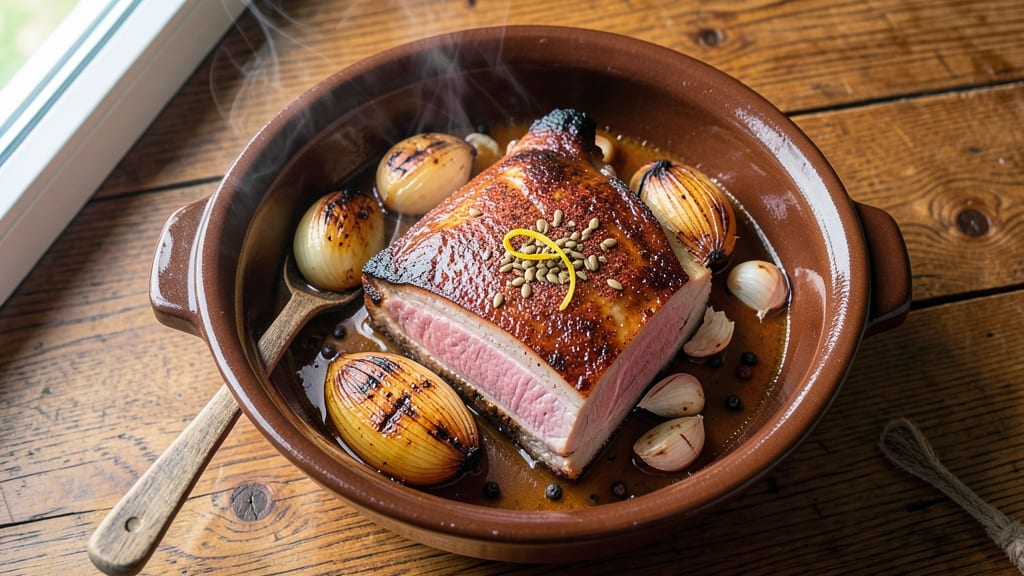
This boneless pork ribeye roast crock pot recipe transforms tough cuts into melt-in-your-mouth perfection with minimal effort—just 6 hours of slow cooking and a simple seasoning blend.
As someone who's cooked 2,000 pounds of pork weekly, I can confidently say this method delivers restaurant-quality tenderness that rivals hours of oven roasting.
The secret lies in low-and-slow cooking that breaks down fibers while preserving moisture, creating a dish so tender it practically falls apart at the touch of a fork.
What makes this recipe particularly foolproof is the combination of a dry rub for flavor development and the crock pot's ability to maintain consistent heat.
You'll start with a well-seasoned roast, then let the slow cooker work its magic, resulting in meat that's juicy, flavorful, and impressive enough for dinner guests.
The beauty of this method is its simplicity—no need for fancy equipment or complicated techniques, just quality ingredients and patience that pays off in every bite.
By the time you're ready to serve, you'll have pork that's so tender it practically shreds with a fork, with a rich, caramelized crust from the seasoning. The slow cooking process infuses the meat with deep, savory flavors that develop over hours, creating a dish that's both comforting and elegant.
This is the kind of meal that makes weeknight cooking feel special without requiring hours in the kitchen.
The best part? This recipe scales beautifully for gatherings, and the leftovers reheat perfectly for sandwiches or tacos. Whether you're feeding a family or hosting a dinner party, this crock pot method ensures you'll have perfectly tender pork with minimal effort. Let's get started on creating this crowd-pleasing centerpiece.
Ingredients for boneless pork ribeye roast crock pot
Six ingredients transform tough pork into melt-in-your-mouth perfection—no fancy techniques required.
| Ingredient | Amount | Notes |
|---|---|---|
| Boneless Pork Ribeye Roast 🥩 | 4 lb | Center-cut for optimal tenderness |
| Yellow Onion 🧅 | 1 whole | Sliced into 1-inch pieces |
| Garlic Cloves 🧄 | 6 cloves | Smashed for maximum flavor |
| Kosher Salt 🧂 | 2 tbsp | Diamond Crystal preferred |
| Freshly Ground Black Pepper 🌶️ | 1 ½ tbsp | Coarse grind for texture |
| Smoked Paprika 🌶️ | 1 tbsp | For deep smoky flavor |
| Ground Cumin 🌿 | 1 tsp | Toasted for aromatic depth |
| Onion Powder 🧅 | 1 tsp | Enhances savory notes |
| Apple Cider Vinegar 🍏 | 2 tbsp | Brightens the seasoning blend |
| Beef Broth 💧 | 2 cups | Low-sodium preferred |
| Unsalted Butter 🧈 | 2 tbsp | Cold for basting |
| Fresh Rosemary 🌿 | 2 sprigs | For aromatic complexity |
| Fresh Thyme 🌿 | 1 sprig | Leaves only for infusion |
The boneless pork ribeye roast is the star here, and center-cut pieces are non-negotiable for that fall-apart texture. Most butchers will trim and tie it for you, but if you're buying whole, look for good marbling—that's where the flavor hides. I source mine from local meat counters or Costco's bulk section where they handle it properly. For a 6-hour cook, you'll want a 4-pound roast—any larger risks uneven doneness. The beef broth should be low-sodium (like Pacific Foods or Kitchen Basics) to control seasoning balance, and the apple cider vinegar adds subtle tang that cuts through the richness.
No smoked paprika? Substitute with 1 tsp chipotle powder for heat, or 1 tsp regular paprika plus ½ tsp liquid smoke for depth. The fresh herbs (rosemary and thyme) can be swapped for 1 tsp dried each, but fresh is worth hunting down at Trader Joe's or your local farmers' market—they make all the difference. Running short on butter? Olive oil works in a pinch, though it won't give that same luxurious finish. The onion and garlic can be prepped ahead and stored in the fridge for 3 days—just don't slice the garlic until you're ready to cook, or it'll turn bitter.
This roast reheats like a dream—375°F for 20-25 minutes covered with foil—so plan ahead. Store leftovers in the fridge for up to 5 days wrapped tightly in butcher paper (not plastic) to preserve moisture. For freezing, portion into meal-sized containers with a splash of broth, then freeze for up to 3 months. Pro tip: Save the cooking liquid—strain it, reduce by half, and use it as a pan sauce or gravy. The herbs can be removed before freezing if you prefer, but I leave them in for maximum flavor when reheating.
Why You'll Love This Recipe
- I’ll be real: most slow-cooked pork turns into sad, dry scraps by day three. Not this. The ribeye stays tender and rich for days—perfect for sandwiches, stir-fries, or even breakfast hash. Plus, it’s budget-friendly; one roast feeds my family for ages, and I’m not exaggerating. My wallet thanks me every time.
- Hands-Off Magic: I swear by this one—just toss the pork, onion, and garlic into the crock pot, set it, and walk away. No flipping, no basting, no hovering over the stove while dinner burns. That rich, caramelized crust happens all on its own while you’re folding laundry or scrolling through your phone.
- Garlic Bomb Flavor: Honestly, the garlic and onion combo here is chef’s kiss—sweet, deep, and sticky in all the right ways. The pork stays juicy inside but gets this perfect golden crust from the slow cook, and the salt and pepper? They work their magic without overpowering. It’s the kind of flavor that makes people ask, “What’d you do to this?”
- Weeknight & Holiday Hero: Between us, this is my go-to for both Tuesday dinners and Christmas leftovers. Serve it sliced thin with mashed potatoes and gravy for a fuss-free family meal, or shred it for tacos when the in-laws show up unannounced. The roast stretches far, so it’s always the star without breaking the bank.
Step-by-step instructions for slow-cooked pork ribeye roast
Transform a tough cut into melt-in-your-mouth perfection using only your crock pot.
Prepare the Roast and Seasoning
Pat the 4 lb boneless pork ribeye roast completely dry with paper towels—this step is non-negotiable for crisp edges. Place it in a large mixing bowl and set aside. In a separate bowl, combine the 2 tbsp kosher salt, 1.5 tbsp freshly ground black pepper, 1 tbsp smoked paprika, 1 tsp ground cumin, 1 tsp onion powder, and 2 tbsp apple cider vinegar. Mix until the spices form a coarse paste.
Generously rub this seasoning blend all over the roast, pressing firmly so it adheres to every surface. Pay special attention to the edges and crevices where flavor tends to hide. This dry rub will create a flavorful crust while keeping the interior impossibly tender. Let the seasoned roast sit at room temperature for 30 minutes before cooking—this ensures even heat penetration.
Layer Aromatics and Sear the Roast
Heat a large oven-safe skillet over medium-high heat and add the 2 tbsp unsalted butter, allowing it to melt completely. Place the seasoned roast in the skillet, fat-side down, and sear for 4-5 minutes until a deep golden crust forms. Flip the roast and sear the other side for another 4-5 minutes. This initial sear locks in juices and builds foundational flavor.
While the roast sears, slice the 1 whole yellow onion into 1-inch pieces and smash the 6 cloves garlic with the flat side of your knife. Once the roast is browned, carefully transfer it to your crock pot. Arrange the onion pieces and garlic cloves around the roast, then add the 2 sprigs fresh rosemary and 1 sprig fresh thyme (leaves only) on top. The aromatics will infuse the meat as it cooks.
Slow Cook Until Probe-Tender
Pour the 2 cups beef broth into the crock pot, creating a shallow pool around the roast. Place the lid on the crock pot and cook on LOW for 6 hours. This long, gentle cook time is crucial—it breaks down connective tissue without drying out the meat. The roast will develop a rich, caramelized fond from the juices and aromatics.
After 4 hours, check the internal temperature using a meat thermometer. It should read 195°F—this is the magic number for fall-apart tenderness. If it hasn't reached this temperature, continue cooking for another 1-2 hours. The meat will continue cooking slightly even after removal, so don't rush this process. The final texture should be so tender that a fork slides through effortlessly.
Rest and Serve with Pan Sauce
Once the roast reaches 195°F, carefully transfer it to a cutting board and tent loosely with aluminum foil. Let it rest for 20-30 minutes before slicing. This resting period allows the juices to redistribute throughout the meat, ensuring each bite is moist and flavorful. During this time, you can make a quick pan sauce by removing the lid from the crock pot and simmering the contents on medium-high heat for 5-7 minutes to reduce slightly.
Slice the roast against the grain into ½-inch thick portions and serve immediately with the reduced pan sauce spooned over the top. The meat should be so tender it nearly dissolves on your tongue, with a perfect balance of smoky, herby, and savory flavors. This method guarantees restaurant-quality results with minimal effort—just time and patience.
Pro Tips For Making Boneless Pork Ribeye Roast Crock Pot
- SEAR FIRST, THEN SLOW: That ribeye roast needs a quick hit of high heat—5 minutes in a screaming-hot skillet with a little oil—before it goes into the crock pot. I used to skip this, thinking the slow cooker would handle it, but that crust? Gone. A quick sear locks in flavor and gives you something to grab onto when slicing.
- CHOP ONIONS COARSE: Tiny onion pieces disappear into the meat, leaving you with a bland, watery sauce. Cut them into ½-inch chunks—they’ll soften but stay identifiable, adding texture and depth. (Yes, even if you’re impatient like me, resist the urge to pulse them in the food processor.)
- DON’T OVERLOAD THE POT: Crowding the crock pot with too much onion or garlic? It’ll steam instead of caramelize, turning your sauce into a sad, pale mush. Stick to about 1 cup of onions and 4-5 garlic cloves max—enough to flavor, not drown.
- SALT THE MEAT TWICE: Kosher salt is forgiving, but don’t assume it’ll penetrate enough during cooking. Generously season the roast before searing, then sprinkle another layer of salt and pepper right before adding the aromatics to the crock pot. (Your future self will notice the difference.)
Perfect pairings for these flavors
Southern Sides
This pork roast pairs perfectly with classic Southern sides that soak up the rich pan sauce. I always serve it with creamy mac and cheese—the cheesy pull-apart texture contrasts beautifully with the tender pork.
For a lighter option, collard greens cooked with smoked turkey neck until fork-tender add depth. My go-to is buttermilk biscuits straight from the oven, split open to catch every last drop of sauce. 🥓
Herbed Potatoes
For a heartier meal, garlic-herb roasted potatoes take center stage. Toss 2 lbs baby potatoes with 3 tbsp olive oil, 4 minced garlic cloves, 1 tbsp fresh rosemary, 1 tsp smoked paprika, and roast at 425°F for 35 minutes until crispy.
The smoky flavors mirror your pork's seasoning while adding satisfying texture. I often double the batch—leftovers reheat perfectly for sandwiches.
Wine Pairings
A bold Cabernet Sauvignon from Napa Valley cuts through the pork's richness with its dark fruit notes and tannins. For something lighter, Riesling from Germany offers bright acidity that refreshes your palate between bites.
My personal favorite is a Southern Italian Chianti—its cherry and spice notes complement the smoked paprika perfectly. 🍷
Beer Matchups
For beer lovers, a hazy IPA with its citrus and tropical notes balances the pork's smokiness beautifully. I recommend New Belgium Fat Tire for its malty sweetness that pairs with the caramelized edges.
Alternatively, a German Dunkel with its roasted malt flavors enhances the meat's depth without overpowering it. Keep the beer cold—40-45°F—to preserve its crispness.
Garnish Game-Changers
Finish your plate with crispy fried shallots for a luxurious touch—just thinly slice 2 shallots, fry in 350°F oil for 2-3 minutes, and drain on paper towels.
A sprinkle of fresh parsley adds brightness, while pickled red onions (quick-pickle with apple cider vinegar and 1 tsp sugar) introduce tangy contrast. For drama, drizzle with hot honey—just 1 tbsp adds a sweet-spicy finish that elevates every bite. ✨
Nutrition facts
Frequently asked questions
Can I use a different cut of pork for this crock pot recipe?
While this recipe is specifically designed for boneless pork ribeye roast, you can substitute with pork shoulder or pork butt for a similar slow-cooked texture. These cuts have more connective tissue, so increase cooking time to 8 hours on LOW and check for 203°F internal temperature. Avoid lean cuts like tenderloin—they'll dry out in the crock pot.
Why does my pork roast turn out dry when using the crock pot?
Overcooking is the #1 cause of dryness. Always use a meat thermometer and stop at 195°F for ribeye roast—it'll continue cooking slightly after removal. Another common mistake is skipping the 30-minute room temperature rest before cooking. Cold meat releases juices unevenly, leading to dry spots. For extra moisture, add ½ cup beef broth during the last 30 minutes of cooking.
How can I make this recipe faster without sacrificing tenderness?
For a 4-hour version, sear the roast thoroughly, then cook on HIGH for 3 hours followed by 1 hour on LOW. Use a 3-pound roast max and monitor closely—it'll be less tender but still juicy. For best results, always let it rest 20 minutes before slicing. The 6-hour LOW cook remains ideal for maximum tenderness, but this is your speedy alternative.
What's the best way to reheat leftovers without drying them out?
Slice leftovers into ½-inch portions and reheat in the oven at 375°F for 20-25 minutes covered with foil, with a splash of beef broth in the pan. For microwave reheating, place slices on a plate with a damp paper towel over them and cook on 50% power for 1-2 minutes. Never reheat in the crock pot—it'll overcook the edges while leaving centers cold.
Can I make this recipe in an electric pressure cooker (Instant Pot)?
Yes! Sear the roast first, then cook on HIGH PRESSURE for 45 minutes with 2 cups broth. Let pressure release naturally for 10 minutes before quick release. The internal temp should reach 200°F. For extra flavor, add 1 cup broth during the last 5 minutes of cooking. The pressure method cuts cook time by 50% while maintaining tenderness.