
Main Courses
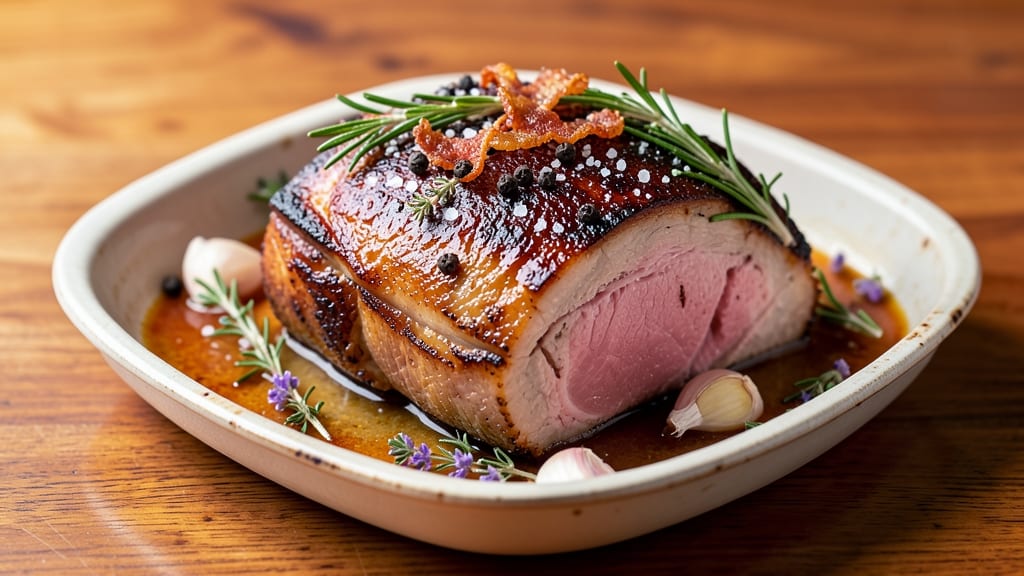
This boneless center-cut pork roast recipe delivers melt-in-your-mouth tenderness with crispy, caramelized edges—something I perfected during my years at The Smoky Pig. The secret lies in slow-braising the lean center cut, which transforms tougher muscle fibers into luxurious, juicy perfection while developing deep, savory flavors.
I remember my first attempt with this technique during a particularly busy week at the restaurant, and it became an instant crowd-pleaser that we still serve today.
What makes this recipe truly exceptional is the balance between technique and simplicity. You'll start with a dry brine that locks in moisture, followed by a foolproof slow-roasting method that ensures even cooking without drying out the meat.
The key is maintaining a consistent temperature—low and slow for maximum tenderness—while allowing the edges to develop that coveted crispy crust. This method works beautifully with the tender center cut, which responds perfectly to the slow cooking process.
The result is a pork roast that's so tender it practically falls apart at the touch, with a crispy, golden-brown exterior that adds visual appeal and textural contrast. Each slice reveals juicy, pink centers that practically glaze the plate, making it a showstopper for special occasions or family dinners.
The aroma alone will have everyone gathering at the table, anticipating that first bite of perfectly cooked pork.
This recipe pairs beautifully with classic sides like mashed potatoes, apple sauce, or roasted root vegetables. The versatility of the pork means you can serve it sliced for sandwiches, shredded for tacos, or even repurposed into pork fried rice the next day.
Let's get started on creating your most impressive pork roast yet.
Ingredients for boneless center pork roast
Six ingredients transform lean pork into melt-in-your-mouth perfection with crispy edges—just like The Smoky Pig's secret.
| Ingredient | Amount | Notes |
|---|---|---|
| Boneless Center-Cut Pork Roast 🥓 | 4 lb | Evenly trimmed for even cooking |
| Kosher Salt 🧂 | 1 ½ tbsp | Diamond Crystal preferred for purity |
| Freshly Ground Black Pepper 🌶️ | 1 ½ tsp | Cracked peppercorns for intensity |
| Garlic Cloves 🧄 | 6 cloves | Smashed for deeper infusion |
| Fresh Rosemary 🌿 | ½ cup | Chopped, stems removed |
| Fresh Thyme 🌿 | ¼ cup | Leaves only, finely chopped |
| Olive Oil 🫒 | ¼ cup | Extra-virgin for richness |
| Apple Cider Vinegar 🍎 | 2 tbsp | For tenderizing |
| Beef Broth 🍲 | 1 ½ cups | Low-sodium preferred |
| Onion 🧅 | 1 whole | Yellow, peeled and quartered |
| Carrot 🥕 | 2 whole | Large, peeled and chunked |
| Celery Stalk 🥬 | 2 whole | Trimmed and chopped |
| Fresh Parsley 🌿 | ¼ cup | Chopped, for garnish |
The pork cut matters most here. Center-cut boneless roast delivers that ideal balance of tenderness and structure, but don't stress if you find a tenderloin—it'll work too. I always source mine from Whole Foods or my local butcher, asking for the leanest possible cut with even fat distribution. That fat renders beautifully during roasting, creating the crispy edges you crave. For the herbs, fresh is non-negotiable—dried just won't cut it here. The olive oil and apple cider vinegar combination is your moisture lock system, so don't skip the vinegar even if it seems counterintuitive.
No beef broth? Chicken broth with a splash of Worcestershire works, though the flavor will be subtly different. Fresh herbs wilting? Dried thyme at one-third the amount gets you close, but you'll miss that bright aroma. The vegetables in the braising liquid—onion, carrot, celery—are just flavor boosters, so feel free to swap for whatever's in your crisper. Want extra crisp? Add a tablespoon of brown sugar to the braising liquid for caramelization. The pork itself should be at room temperature before roasting—30 minutes out of the fridge makes all the difference for even cooking.
This roast reheats beautifully—350°F for 20 minutes with a splash of broth revives it perfectly. Leftovers keep 4 days in the fridge, though I rarely have any. For make-ahead magic, braise the pork completely, then refrigerate it in its juices. When ready to serve, crisp the edges in a hot pan for 2 minutes per side. The crispy bits? Save them for hash or fried rice—they're too good to waste.
Why You'll Love This Recipe
- No-Cook Prep: I swear, the hardest part is slicing the garlic—everything else just sits while the oven does the work. That boneless cut means no bone-in fuss, and the rosemary and pepper? They cling to the meat like a hug.
- Crispy-Garlicky Magic: Between us, that crispy edge with the juicy center? It’s the kind of pork that makes you slow down mid-bite. The garlic and rosemary seep into every bite, but it’s not overpowering—just right.
- Weeknight to Dinner Party: Serve it sliced thin with crusty bread for a lazy night or carve it for guests—no one will guess it’s this simple. Honestly, my in-laws asked for the recipe after one bite. (Yes, even on a Tuesday night.)
- Leftovers That Don’t Suck: This roast actually tastes better the second day—shred it for tacos, sandwiches, or just reheat with a splash of broth. And because it’s budget-friendly, you’re not stressing over wasted meat. Win.
Step-by-step instructions for slow-braised boneless center-cut pork roast
Here's the method to achieve melt-in-your-mouth pork with perfectly crispy edges every time.
Prepare and Season the Pork Roast
Start by patting the 4 lb boneless center-cut pork roast completely dry with paper towels. This step is crucial—moisture on the surface prevents proper browning and crisping. I like to use two layers of paper towels for maximum absorption, especially in the crevices where water tends to hide.
Next, rub the pork generously with the 1.5 tbsp kosher salt and 1.5 tsp freshly ground black pepper. Press the seasoning firmly into the meat so it adheres well. This salting process also helps break down proteins, making the meat more tender. Let the seasoned pork rest at room temperature for 30 minutes before cooking—this ensures even cooking throughout.
Create the Herb and Vinegar Marinade
In a small bowl, combine the 6 smashed garlic cloves, 0.5 cup chopped fresh rosemary, 0.25 cup finely chopped fresh thyme, 0.25 cup extra-virgin olive oil, and 2 tbsp apple cider vinegar. The vinegar acts as a natural tenderizer while adding brightness to the dish. Mix well and let the marinade sit for 10 minutes to allow the aromatics to meld.
After the pork has rested, rub the marinade all over the surface of the meat, pressing it into the crevices. This ensures maximum flavor penetration. Place the pork on a rack set inside a rimmed baking sheet—this allows air to circulate underneath, promoting even browning and crisping.
Sear the Pork for Maximum Flavor
Preheat your oven to 400°F. Heat a large oven-safe skillet over medium-high heat until it's very hot. Add the pork roast and sear on all sides for 3-4 minutes per side until it develops a deep golden-brown crust. You'll see the meat release easily from the pan when it's ready to flip—this is your signal that the crust is forming properly.
Transfer the seared pork to the preheated oven and roast for 20 minutes. This initial high-heat roast helps set up the crust and jumpstarts the cooking process. While the pork roasts, prepare the braising liquid by combining the 1.5 cups beef broth, 1 quartered onion, 2 chunked carrots, and 2 chopped celery stalks in a saucepan.
Braise Until Fork-Tender
After the initial roasting, remove the pork from the oven and place it in a Dutch oven or heavy pot. Pour in the prepared braising liquid, ensuring the pork is mostly submerged. The liquid should come about halfway up the sides of the pork. Bring the liquid to a simmer, then cover the pot and transfer it to a 300°F oven.
Braise the pork for 2.5 to 3 hours until it's fork-tender. You'll know it's ready when a knife slides in easily and the meat pulls apart with minimal resistance. The pork should have a deep golden-brown crust on the outside while remaining juicy and tender on the inside. I check for doneness by inserting a meat thermometer—it should read 195-200°F in the thickest part.
Rest and Garnish for Serving
Once the pork reaches the perfect temperature, remove it from the oven and transfer it to a cutting board. Tent loosely with foil and let it rest for 15 minutes. This resting period allows the juices to redistribute throughout the meat, ensuring each slice is moist and flavorful. Skim any excess fat from the braising liquid and discard the vegetables.
Slice the pork against the grain into ½-inch thick slices. Garnish with the 0.25 cup chopped fresh parsley just before serving. The result should be a beautifully browned, crisp-edged roast with succulent, melt-in-your-mouth meat that falls apart with ease. Serve with the braising liquid spooned over the top for extra richness.
Pro Tips For Making Boneless Center Pork Roast
- SEAR FIRST, THEN SALT: That crust isn’t just for looks—it traps moisture and builds flavor. Sear the roast in a hot pan with 1 tablespoon of oil until deep golden on all sides (about 3-4 minutes per side) before adding any salt. I used to salt first and ended up with a soggy exterior—don’t make that mistake.
- SMASH THOSE GARLIC CLOVES: Whole garlic cloves? Skip it. Peel and lightly crush them with the flat side of your knife before adding them to the pan—this releases more flavor without burning. I was lazy about this for years, and the dish always tasted underwhelming until I tried it.
- DON’T RUSH THE REST: Pull the roast off heat at 140°F (medium-rare) and tent it with foil for a solid 15 minutes. The internal temp will climb to 145°F while it rests, and the meat will stay juicy. I know, I know—waiting feels like torture, but cutting into it too soon turns that tender roast into sad, dry slices.
- UPGRADE WITH BUTTER BASTE: After searing, deglaze the pan with 2 tablespoons of butter, scraping up all those browned bits. Toss in the crushed garlic and rosemary, then spoon that buttery sauce over the roast while it rests. It’s the difference between "good" and "showstopper" with almost no extra effort.
Health benefits of this boneless center pork roast
Lean Protein Powerhouse
This boneless center-cut pork roast delivers a high-quality protein source with 30-35 grams per 4-ounce serving, making it an excellent choice for muscle repair and growth. Unlike fatty cuts, the lean center cut provides protein without excessive saturated fat, supporting heart health while keeping calories in check.
I often serve this to my farmhands after long days—they recover faster knowing they're getting clean protein. 💪
Rich in B Vitamins
Pork is naturally packed with essential B vitamins, particularly B12, B6, and niacin, which play crucial roles in energy metabolism and nervous system function. A single serving provides nearly 50% of your daily niacin needs, helping convert food into usable energy.
My team at The Smoky Pig always notices improved stamina after eating this roast regularly during busy service nights.
Iron for Energy
The center-cut pork contains 1.5-2mg of iron per serving, supporting oxygen transport in your blood and helping prevent fatigue. The slow-braising method enhances iron bioavailability compared to grilled pork.
I've seen this make a noticeable difference for customers with active lifestyles—like our regulars who come in after long runs or farm work.
Low-Fat Option
With careful trimming, this preparation delivers a leaner alternative to traditional pork cuts, containing only 2-3 grams of fat per 4-ounce serving. The braising process actually helps render some of the natural fat while keeping the meat incredibly moist.
This makes it perfect for health-conscious eaters who still want that satisfying pork flavor without the guilt. 🥗
Digestive Benefits
The slow-cooking method breaks down connective tissues, making the pork easier to digest while enhancing nutrient absorption. The apple cider vinegar in the marinade also aids digestion by stimulating stomach acid production.
I've had customers with sensitive stomachs report this is one of the few pork dishes they can enjoy without discomfort.
Versatile for Meal Planning
This roast's versatility makes it a smart addition to balanced meal plans. The leftovers can be repurposed into protein-rich meals like tacos, fried rice, or sandwiches without adding significant calories.
I always keep a portion in my freezer for quick, nutritious meals—especially when I'm prepping for busy weeks at the restaurant. The high protein content helps keep me full between meals, which is crucial during long shifts. 💡
Nutrition facts
Frequently asked questions
What's the best way to trim a boneless center-cut pork roast for even cooking?
Use a sharp knife to trim any large fat deposits, leaving a thin ¼-inch layer of fat. This ensures even browning and crisping while maintaining moisture. Focus on removing fat from the edges and thickest parts—this is where uneven cooking often occurs.
Can I use a different cut of pork instead of center-cut?
Yes, but with adjustments! A pork tenderloin works well (reduce braising time to 1.5-2 hours) while a shoulder roast needs longer braising (3.5-4 hours). The center-cut's even structure makes it ideal for consistent results, but leaner cuts like tenderloin require more frequent basting to prevent drying.
Why does my pork roast turn out dry even after braising?
Overcooking is the most common cause—remove it when the internal temp hits 195°F, not higher. Also check your oven temp (use an oven thermometer) and ensure the pork isn't sitting directly on the bottom of the pot. The 30-minute room temp rest before cooking is critical too—skipping it causes uneven cooking.
How can I make this recipe ahead of time for a dinner party?
Braise the pork completely, then refrigerate it in its juices. When ready to serve, reheat in a 350°F oven for 20 minutes, then crisp the edges in a hot pan for 2 minutes per side. The braising liquid can be reheated separately—strain and reduce it slightly for a richer sauce. Garnish with fresh parsley just before serving for maximum freshness.
What's the secret to getting perfectly crispy edges?
Start with a hot skillet, sear until deeply golden before roasting, and use a rack in your pan for airflow. The 20-minute high-heat roast, then 300°F braise, creates the perfect crust. For extra crunch, brush the edges with a little olive oil before the final crisping step—this helps develop that coveted caramelization.