
Main Courses
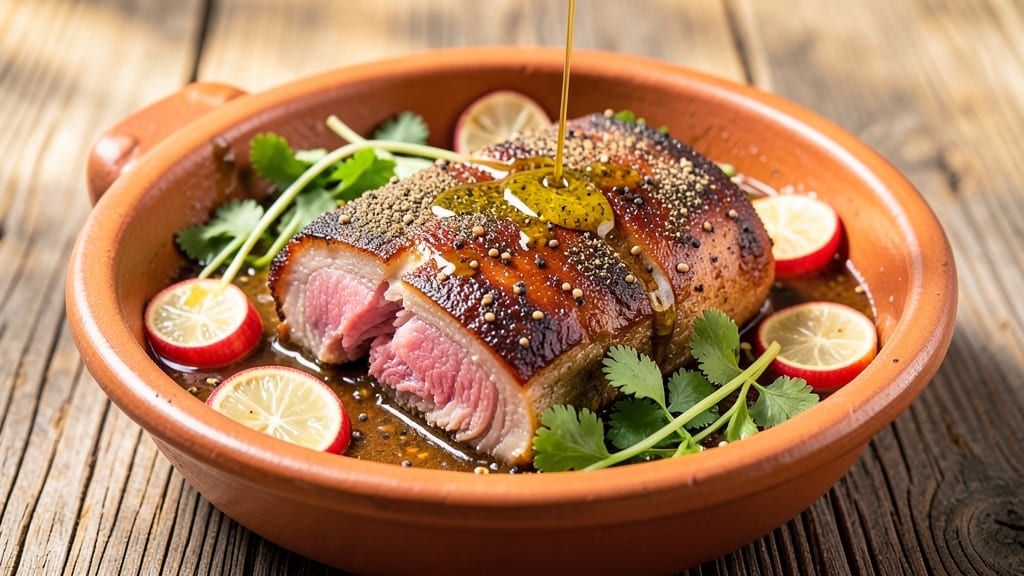
This Bengali pork recipe captures the soul of West Bengal's most beloved dishes—where fiery mustard oil meets earthy poppy seeds in a symphony of slow-cooked perfection. 🔥 The secret lies in marinating pork with garam masala and turmeric, then braising it until tender, creating melt-in-your-mouth texture with a depth of flavor that's impossible to resist.
I first discovered this technique while studying regional Indian cuisine at CIA, and it's since become a staple in my kitchen whenever I crave that authentic Bengali comfort.
The magic begins with the marinade, where mustard oil—Bengal's signature ingredient—carries the heat while poppy seeds add a subtle nuttiness that rounds out the spices. Unlike other pork dishes, this recipe relies on slow cooking to develop layers of complexity, transforming tough cuts into fork-tender pieces.
The result is a dish that's rich, aromatic, and perfectly balanced between spicy and savory, with just the right amount of tang from a touch of lemon at the end.
What sets this apart is the traditional Bengali approach: no shortcuts, just time and patience. The dish pairs beautifully with steamed basmati rice or crispy luchi, creating a meal that feels both celebratory and deeply comforting.
Whether you're serving it for a special occasion or a weeknight dinner, the aroma alone will transport you to the streets of Kolkata.
Ready to experience the real deal? This recipe delivers restaurant-quality results with techniques I've perfected over years of cooking. Let's get started on creating your own taste of Bengal.
Ingredients for bengali pork
Mustard oil and poppy seeds lead this Bengali pork symphony, blending fiery heat with earthy depth.
| Ingredient | Amount | Notes |
|---|---|---|
| Pork Shoulder 🐖 | 2 lb | Bone-in for flavor, cut into 2-inch pieces |
| Mustard Oil 🫒 | ½ cup | Authentic Bengali brand preferred |
| Poppy Seeds 🌾 | ¼ cup | Lightly toasted for aroma |
| Garam Masala 🌶️ | 2 tbsp | Freshly ground for potency |
| Ground Turmeric 🧂 | 1 tbsp | Freshly ground preferred |
| Fresh Ginger 🧅 | ½ cup | Grated fine, skin on |
| Garlic Cloves 🧄 | 8 cloves | Peeled and crushed |
| Onions 🧅 | 2 whole | Medium, finely chopped |
| Yogurt 🍶 | ½ cup | Plain, unsweetened |
| Tomatoes 🍅 | 4 whole | Medium, pureed |
| Green Chilies 🌶️ | 2 whole | Slit lengthwise, seeds removed |
| Lemon Juice 🍋 | 2 tbsp | Freshly squeezed |
| Salt 🧂 | 1 ½ tsp | Adjust to taste |
| Cumin Seeds 🌿 | ½ tbsp | Toasted lightly |
| Bay Leaves 🍃 | 2 whole | Fresh preferred |
Mustard oil is the soul of this dish—authentic Bengali brands like Nihar or Bengal Oil make all the difference. Skip the Americanized versions; they lack that signature punch. Poppy seeds? Toast them lightly in a dry pan until fragrant—don't burn them. The pork shoulder should have good marbling for juiciness, and bone-in cuts add extra flavor. I always grab mine from Indian grocery stores like Patel Brothers—they carry the right cuts and spices. If you're using regular grocery store pork, ask for shoulder roast and cut it yourself into 2-inch chunks.
No mustard oil? Vegetable oil with 1 tsp mustard powder gets you close, but it won't be authentic. Fresh ginger and garlic can be swapped for 1 tbsp each of ground ginger and garlic powder in a pinch, though nothing beats the fresh. The yogurt should be plain and thick—Greek yogurt works best. For tomatoes, San Marzano canned purees beautifully if you don't want to chop fresh. Green chilies? Serrano or jalapeño work, but adjust seeds for heat. The garam masala is non-negotiable—store-bought blends like MDH or Everest are fine, but homemade with cumin, coriander, cardamom, and cinnamon is ideal.
Pork marinates beautifully overnight, so prep ahead for maximum flavor. Store the marinade in an airtight container in the fridge for up to 2 days. The cooked pork reheats well—slow cooker or oven at 300°F for 15 minutes keeps it tender. Freezes for 3 months if portioned tightly. The mustard oil aroma lingers, so ventilate your kitchen while cooking. Leftovers taste even better the next day as flavors meld.
Why You'll Love This Recipe
- One-Pot Wonder: I swear by this recipe when I’m too tired to wash pots. The pork shoulder practically melts into tender perfection while the spices simmer down—no stirring, no fuss, just done.
- Mustard Magic: That first hit of mustard oil—sharp, pungent, unforgettable—is what makes this dish sing. It cuts through the richness of the pork, and the poppy seeds add a nutty crunch that keeps me reaching for seconds.
- Weeknight Hero: Between us, this is my go-to when I’ve got friends dropping by unannounced. It’s hearty enough for a crowd but simple enough to throw together while I answer the door. (Yes, even on a Tuesday night.)
- Budget Stretch: Pork shoulder is my wallet’s best friend—cheap, flavorful, and forgiving. A single cut feeds my family for days, and the spices? A tiny jar of garam masala and turmeric go a long way. Leftovers taste just as good reheated.
Step-by-step instructions for Bengali pork with mustard oil and poppy seeds
Here's how to transform simple ingredients into rich, aromatic Bengali pork that's tender and bursting with flavor.
🔥 Step 1: Marinate the Pork Shoulder
In a large bowl, combine the 2 lb pork shoulder cut into 2-inch pieces, 0.5 cup yogurt, 0.5 cup finely grated fresh ginger, 8 crushed garlic cloves, 1 tbsp ground turmeric, 1.5 tsp salt, 2 tbsp garam masala, and 2 slit green chilies. Mix thoroughly until every piece of pork is well coated.
Let the marinated pork sit at room temperature for 15 minutes, then refrigerate for at least 4 hours (overnight works best). This step is crucial—it tenderizes the meat and allows the spices to penetrate deeply. I like to press the marinade into the meat with my fingers to ensure maximum flavor absorption.
🍳 Step 2: Toast Spices and Prepare the Base
In a heavy-bottomed pot, heat 0.5 cup mustard oil over medium-low heat. Add 0.5 tbsp toasted cumin seeds and 2 bay leaves, then let them sizzle for 30 seconds until fragrant. Remove from heat and set aside.
In the same pot, add 2 finely chopped onions and cook over medium heat for 8-10 minutes until golden brown. Stir in 0.25 cup toasted poppy seeds and 0.5 cup pureed tomatoes, cooking for another 5 minutes until the oil separates from the onions. This aromatic base forms the flavor foundation of your dish.
🔥 Step 3: Cook the Pork to Tender Perfection
Add the marinated pork to the pot and stir to coat in the onion-tomato mixture. Bring to a simmer, then reduce heat to low and cover partially. Cook for 1.5 hours, stirring occasionally, until the pork becomes fork-tender. You'll know it's ready when the meat easily pulls apart with minimal resistance.
Here's the thing—don't rush this step. The slow cooking breaks down the connective tissue, creating melt-in-your-mouth texture. If the liquid reduces too much, add ¼ cup water to prevent the pork from drying out. The dish should have a rich, gravy-like consistency by the end.
🥘 Step 4: Finish with Lemon and Mustard Oil
Once the pork is tender, stir in 2 tbsp lemon juice and return the reserved mustard oil with cumin seeds and bay leaves. Simmer uncovered for 5-7 minutes to let the flavors meld and the oil infuse the dish. Taste and adjust seasoning with additional salt if needed.
The lemon juice brightens the rich flavors while the mustard oil adds that signature Bengali aroma. The dish should have a perfect balance of spicy, tangy, and earthy notes. Let it sit off heat for 10 minutes before serving to allow all the flavors to fully develop.
Pro Tips For Making Bengali Pork
- Brown the Pork First: Mustard oil’s magic comes alive when it hits raw meat—don’t skip the initial sear. Sear the pork shoulder in a hot pan for 5-7 minutes until deep golden, or the flavors will stay stuck in the middle instead of coating every bite.
- Toast Poppy Seeds: Raw poppy seeds taste bland and chalky. Dry-toast them in the same mustard oil you’re cooking with for 30 seconds until fragrant—this unlocks their nutty depth. (Yes, even if you’re impatient like me.)
- Don’t Rush the Garam Masala: After the pork cooks, let the garam masala bloom in the oil for 10 seconds before adding it to the meat. Skipping this step means you’re just sprinkling spices instead of building layers of warmth.
- Use Cold Water for Turmeric: Mix ground turmeric with a splash of cold water before adding it to the pork—this prevents clumping and ensures it dissolves evenly. I learned this the hard way after staring at a lumpy gravy.
Wine and beer pairings for this dish
Bengali-Inspired Reds
For this dish, I always reach for a medium-bodied red wine that can stand up to the mustard oil's intensity while complementing the poppy seeds' nuttiness.
A Gewürztraminer from Alsace—yes, a white—is my go-to because its lychee and spice notes mirror the garam masala's warmth. 🍷 The slight sweetness balances the dish's tangy brightness, while the wine's acidity cuts through the richness.
If you prefer red, try a Pinot Noir from Oregon or Burgundy—its earthy undertones harmonize beautifully with the pork's slow-cooked depth.
Crisp Whites for Balance
If you're serving this with steamed rice or luchi, a crisp Chenin Blanc from the Loire Valley works wonders. The wine's mineral notes and subtle honeyed finish echo the poppy seeds' earthiness, while its acidity refreshes your palate between bites.
For something lighter, a Sauvignon Blanc from New Zealand—especially one with citrus and herbaceous notes—pairs perfectly with the dish's lemon finish. Avoid heavy whites like Chardonnay; they'll overpower the delicate flavors.
Beer Pairings
For beer lovers, I recommend a Belgian Witbier like Hoegaarden or Stella Artois—the coriander and citrus notes complement the dish's spicy-sweet profile. The effervescence also cleanses the palate between bites.
If you prefer something darker, a German Dunkel with its malty sweetness and low bitterness provides a satisfying contrast to the mustard oil's heat. Skip hop-forward IPAs; they'll clash with the dish's complexity.
Non-Alcoholic Options
For a refreshing non-alcoholic match, try sparkling mint lemonade—mix 2 cups sparkling water, ¼ cup fresh lemon juice, 2 tbsp honey, and 4 mint leaves. The effervescence and citrus brighten the dish's richness, while the honey rounds out the spices.
For something warmer, ginger tea with a slice of lemon enhances the pork's aromatic profile without overpowering it. 💫
Regional Adaptations
In Bengal, this dish is traditionally served with rosogolla (sweet syrup-soaked dumplings) or misti doi (sweet yogurt) to balance the heat. For a modern twist, pair it with cucumber raita—yogurt mixed with grated cucumber, mint, and a pinch of salt—to cool the palate.
The creamy texture contrasts beautifully with the pork's tender bite, creating a harmonious dining experience.
Nutrition facts
Frequently asked questions about Bengali pork
Can I substitute chicken or beef for the pork in this recipe?
While this recipe is designed for pork, you can adapt it for chicken or beef with some adjustments. For chicken, reduce cooking time to 45-60 minutes and use thighs or drumsticks. For beef, increase to 2-2.5 hours of slow cooking. The mustard oil and spices will still shine, but the texture will differ—beef stays firmer while chicken becomes more tender.
How do I make this recipe less spicy?
To reduce heat, remove the seeds from the green chilies or reduce the number to just 1 chili. You can also omit half of the garam masala initially and add more later if needed. For a milder finish, increase the lemon juice to 3 tbsp—it helps balance the spice. The mustard oil's heat is more aromatic than painful, so don't worry about removing it entirely.
What's the best way to store leftovers?
Store cooked pork in an airtight container in the refrigerator for up to 4 days. The flavors actually improve overnight as the spices meld further. To reheat, warm in a pot over low heat with 2 tbsp water to prevent drying. For freezing, portion into meal-sized containers and freeze for up to 3 months. Thaw overnight in the fridge before reheating.
Can I use ground pork instead of shoulder?
Ground pork won't work well for this recipe as it lacks the texture and depth that comes from slow-cooking a larger cut. The shoulder's connective tissue breaks down beautifully, creating that signature melt-in-your-mouth quality. If you must use ground pork, form it into small patties and cook for only 15-20 minutes on medium heat, but the result won't be the same rich, aromatic dish.
What's the secret to getting that authentic Bengali aroma?
The mustard oil is your secret weapon! Heat it to medium-low and let it infuse the spices for 30 seconds before removing from heat. The key is patience—don't rush this step. Also, toast your poppy seeds until they're fragrant but not browned, and use freshly ground garam masala. The combination of these elements creates that unmistakable Bengali aroma that makes this dish special.