
Main Courses
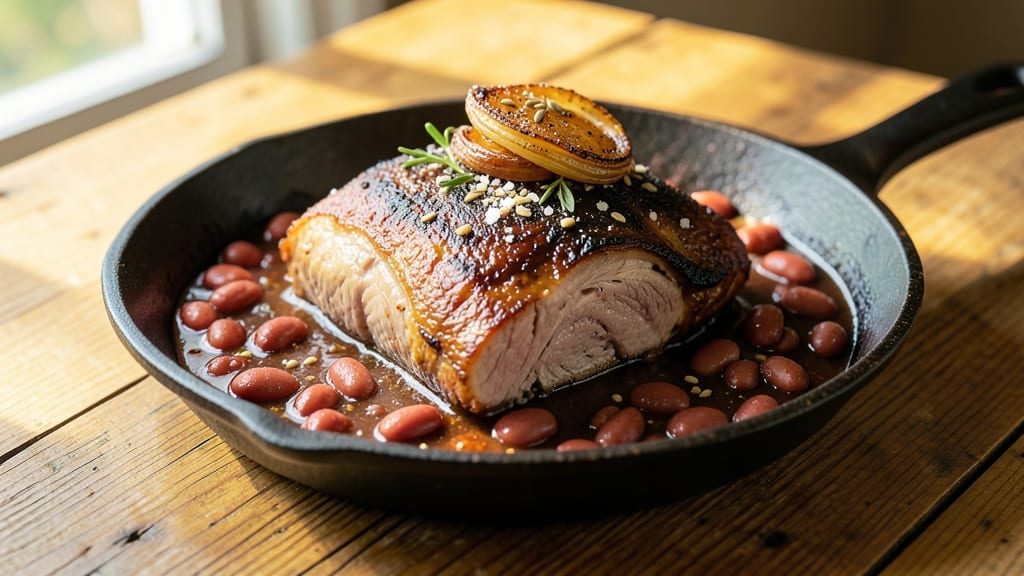
Barbecue pork and beans is where slow-cooked comfort meets smoky depth—this recipe delivers tender pulled pork swimming in a rich, slightly sweet sauce with hearty beans, all developed over hours in your slow cooker. 🔥 The key lies in balancing traditional barbecue techniques with simple pantry ingredients to create a dish that's both nostalgic and refined. I've spent years perfecting this method, ensuring the pork stays juicy while absorbing all that smoky-sweet flavor.
What sets this recipe apart is the harmony between the pork and beans—no one ingredient overpowers the other. The pork gets its signature bark from a dry rub of brown sugar, smoked paprika, and garlic powder, while the beans soak up the flavors without turning mushy.
The slow cooker does all the heavy lifting, transforming tough cuts into melt-in-your-mouth perfection with minimal effort. This is the kind of meal that tastes like a Sunday gathering, even on a weeknight.
By the time you're ready to serve, you'll have a pot of fall-apart pork and tender beans bathed in a glossy sauce that's just sweet enough to balance the smokiness.
The aroma alone will have everyone gathering around the table, and the first bite delivers that perfect combination of tender meat, hearty beans, and rich, complex sauce. It's a dish that builds character with every spoonful—just like a good barbecue should.
Serve it with crusty cornbread to soak up every last drop of that smoky-sweet sauce, or pair it with a crisp green salad for balance. The beauty of this recipe is its versatility—it's hearty enough for a family dinner but simple enough to make for two. Let's get cooking!
Ingredients for barbecue pork and beans
Simple ingredients, big barbecue flavor—this slow cooker pork and beans delivers smoky-sweet perfection every time.
| Ingredient | Amount | Notes |
|---|---|---|
| Pork Shoulder 🐷 | 3 lb | Bone-in for best flavor |
| Dry Red Beans 🌱 | 1 ½ cups | Soaked overnight preferred |
| Brown Sugar 🍯 | ½ cup | Light or dark variety |
| Smoked Paprika 🌶️ | 2 tbsp | For deep smoky flavor |
| Garlic Powder 🧄 | 1 tbsp | Freshly ground preferred |
| Onion Powder 🧅 | 1 tbsp | For aromatic depth |
| Kosher Salt 🧂 | 1 ½ tsp | Diamond Crystal preferred |
| Ground Black Pepper 🌶️ | ½ tsp | Freshly cracked |
| Apple Cider Vinegar 🍎 | ¼ cup | For tangy balance |
| Ketchup 🍅 | ¼ cup | For sweet-tangy depth |
| Chicken Broth 💧 | 2 cups | Low-sodium preferred |
| Yellow Onion 🧅 | 1 whole | Diced for base |
| Garlic Cloves 🧄 | 4 cloves | Minced for aroma |
| Olive Oil 🫒 | 2 tbsp | For searing pork |
The pork shoulder is non-negotiable here—bone-in cuts stay juicier and develop deeper flavor. Trader Joe's or Costco usually have great deals on this cut, but any grocery store's butcher section will work. Look for good marbling and avoid anything with a grayish tint. The beans? Dry red beans are traditional, but navy beans or pinto beans work too. If you're short on time, pre-soaked canned beans (drained and rinsed) save you hours—just add them with the broth. The spices are where the magic happens: smoked paprika gives that unmistakable barbecue aroma, while garlic and onion powders build the savory base.
No smoked paprika? Regular paprika plus a pinch of liquid smoke gets you close, though it's not quite the same. Running out of apple cider vinegar? White vinegar or lemon juice works in a pinch, though the flavor will be slightly sharper. Ketchup is just for balance—skip it if you're watching sugar, but don't expect the same depth. The chicken broth can be subbed with water, but homemade or low-sodium store-bought adds so much more flavor. For the onion and garlic, fresh is ideal, but dried powders at half the amount work if you're in a hurry. The olive oil is just for searing—use whatever you've got, but high-smoke-point oils like avocado or grapeseed work best if you're browning aggressively.
This dish tastes even better the next day as the flavors meld. Store leftovers in the fridge for up to 5 days or freeze for 3 months. I like to portion it into containers with a scoop of cornbread on the side—makes for easy lunches all week. The pork will pull apart beautifully, so no need to shred it yourself. If you're making this ahead, add the beans and broth directly to the slow cooker—they'll absorb the flavors perfectly without overcooking. The sauce thickens as it cools, so you might need to add a splash of broth if it's too thick when reheating.
Why You'll Love This Recipe
- One-Pot Magic: I swear by this recipe when I’m too tired to wash dishes. Toss everything—pork, beans, spices—in a slow cooker or pot, and walk away. The brown sugar caramelizes into the meat, while the smoked paprika gives it that deep, smoky backbone without any extra work.
- Sweet-Smoky Crave: That balance of sweet brown sugar and smoky paprika? It’s like a hug in a bowl. The garlic powder adds a sharp kick, but the beans soak up all the rich flavors, making every bite taste like it’s been slow-cooked all day—even if it’s just 30 minutes.
- Meal Prep MVP: Between us, this is my go-to for busy weeks. Cook a big batch on Sunday, and you’ve got lunch or dinner covered for days. The beans hold up perfectly, and the pork gets even more tender as it sits—so it’s basically better the next day.
- Budget-Buster Win: Pork shoulder is cheap, dry beans last forever, and you’re using pantry staples. Honestly, I’ve fed a houseful with one recipe, and there’s always leftovers. Plus, the flavor is so rich, you’ll forget you’re eating something budget-friendly.
Step-by-step instructions for smoky-sweet slow cooker pork and beans
Here's the method that delivers deep, smoky flavor with tender pork and perfectly cooked beans.
🔥 Step 1: Sear the Pork Shoulder for Maximum Flavor
Heat a large Dutch oven or deep skillet over medium-high heat until very hot. Add the 2 tablespoons olive oil and swirl to coat the bottom. Pat the 3 lb pork shoulder completely dry with paper towels—this ensures a proper sear. Place the pork in the skillet fat-side down and sear undisturbed for 8-10 minutes until a deep golden-brown crust forms.
Flip the pork and sear the other side for another 6-8 minutes. Here's the thing—don't press down on the meat with a spatula. I've found that letting it develop that crust naturally creates the best texture and flavor. Once both sides are well-browned, transfer the pork to your slow cooker.
👨🍳 Step 2: Build the Flavor Base with Aromatics and Seasonings
In the same skillet (no need to clean it—those browned bits are pure flavor), add the diced yellow onion and cook over medium heat for 5-6 minutes until softened and lightly caramelized. Add the 4 minced garlic cloves and cook for another 30 seconds until fragrant—this prevents the garlic from burning while extracting all its flavor.
Transfer the onion and garlic mixture to the slow cooker. Sprinkle evenly over the pork shoulder the 2 tablespoons smoked paprika, 1 tablespoon garlic powder, 1 tablespoon onion powder, 1.5 teaspoons kosher salt, and 0.5 teaspoon ground black pepper. Give it a quick stir with a wooden spoon to distribute the seasonings evenly.
🥘 Step 3: Layer the Beans and Liquid Components
Add the 1.5 cups dry red beans directly to the slow cooker. I like to spread them out slightly so they don't clump together during cooking. Pour in the 2 cups chicken broth, 0.25 cup apple cider vinegar, 0.25 cup ketchup, and 0.5 cup brown sugar. The vinegar and ketchup create that perfect tangy-sweet balance that defines barbecue pork and beans.
Give everything a gentle stir to combine. The beans should be mostly submerged in the liquid, but that's okay—they'll absorb moisture as they cook. The pork should be mostly covered, but not completely submerged, which helps prevent it from becoming too tender too quickly.
⏰ Step 4: Cook on Low for Perfect Tender Pork and Beans
Place the lid on the slow cooker and cook on low heat for 8-10 hours. This long, slow cook time is crucial—it allows the pork to become fork-tender while the beans cook through and develop their signature creamy texture. Here's where patience pays off: resist the temptation to check or stir the pork during cooking.
About 1 hour before the end of cooking time, give the pork a gentle shake or turn it over to ensure even cooking. The pork is done when it easily pulls apart with two forks and the beans are tender but still hold their shape. The sauce should be thick and glossy, coating everything beautifully.
🍽️ Step 5: Rest and Serve with Perfect Texture
Once cooking is complete, carefully remove the pork shoulder to a cutting board. Let it rest for 10-15 minutes before slicing—this resting period allows the juices to redistribute, ensuring each bite is moist and flavorful. While it rests, give the beans in the slow cooker a final stir and taste. If they need more liquid, you can add 1-2 tablespoons of the cooking juices from the pork.
Slice the pork against the grain into ¼-inch thick slices and return it to the slow cooker. Serve immediately with the beans and sauce spooned over the top. The perfect dish delivers tender, smoky pork with sweet-tangy beans that practically melt in your mouth. Garnish with fresh parsley if you like, but the smoky-sweet flavors really shine on their own.
Pro Tips For Making Barbecue Pork And Beans
- CRANK THE HEAT FIRST: Start your pork shoulder in a cold pot, but once the liquid hits a rolling boil, let it scream for 10 minutes. I used to simmer gently from the start, and the beans stayed bland—high heat breaks them down faster and builds deeper flavor.
- SOAK BEANS UNTIL SOFT: Dry red beans need at least 8 hours soaking (overnight is ideal). I tried skipping this with "quick-soak" methods, and the beans turned to mush instead of holding their shape—don’t rush, or you’ll end up with a gluey mess.
- SWEAT THE GARLIC: Bloom your garlic powder in oil with a pinch of smoked paprika for 2 minutes before adding liquid. This step makes a real difference—it toasts the spices and cuts through the sweetness of the brown sugar later.
- SAVE THE LIQUID: When skimming fat from the pork after cooking, don’t pour out the broth entirely—reserve 1 cup to deglaze the pot. That golden crust holds flavor, and you’ll lose half of it if you dump everything. (Yes, even if you’re impatient like me.)
Wine and beer pairings for this recipe
Red Wine Classics
For this smoky-sweet dish, I reach for Zinfandel from California—its bold fruit notes and subtle spice complement the pork's caramelized crust beautifully.
A 2018 Lodi Zinfandel from Oak Farm Vineyards has just the right balance of jammy berries and peppery finish that mirrors the smoky paprika in the rub. 🍷 If you prefer something lighter, a Syrah from the Rhône Valley brings earthy notes that pair wonderfully with the beans' earthiness.
Crisp White Options
Don't underestimate white wines—they cut through the richness perfectly. I love a dry Riesling from Germany, like Dr. Loosen Blue Slate, for its bright acidity and hints of citrus that refresh your palate between rich bites.
For something more aromatic, a Viognier from California offers floral notes that dance with the dish's smoky-sweet profile.
Beer Pairings
A smoked porter is my go-to beer pairing—it mirrors the dish's smoky depth while adding malty sweetness. Try Founders Kentucky Breakfast Stout (yes, it's technically a stout, but the smoked notes make it perfect) or Goose Island Bourbon County Stout for a bourbon-infused twist.
For something lighter, a wheat beer with citrus notes like Blue Moon provides refreshing contrast to the richness.
Regional BBQ Style Pairings
If you're serving this as a Texas-style BBQ, lean toward Cabernet Sauvignon—its bold tannins stand up to the smoky-sweet flavors. For a Kansas City-inspired spread, a Merlot with its softer tannins and plum notes works beautifully.
And if you're feeling adventurous, a Portuguese red blend like Alentejo adds a touch of spice that echoes the dish's complexity.
Non-Alcoholic Options
Don't skip the drink just because you're avoiding alcohol! A sparkling hibiscus tea (like Tepache) adds a tangy, floral note that complements the smoky-sweet flavors. For something more substantial, try a smoked apple cider—it's like drinking the essence of the dish in liquid form. 🍎
Serving Temperature
Serve your wine or beer slightly cooler than room temperature—around 55-60°F for reds and 45-50°F for whites. For beers, follow the standard: 38-40°F for lagers and 45-50°F for ales.
Chilling too much can mute the flavors, so don't overdo it—just enough to enhance the drinking experience without dulling the taste.
Nutrition facts
Frequently asked questions
Can I use pre-cooked canned beans instead of dry beans?
Yes! For convenience, use 2 (15-ounce) cans of drained and rinsed red beans. Just add them with the broth—no need to soak. They'll absorb the smoky-sweet flavors beautifully while cooking. The texture will be slightly softer than dry beans, but still hearty and delicious.
What's the best cut of pork for this recipe?
Pork shoulder (also called Boston butt) is ideal—it's flavorful and stays tender when cooked low and slow. A 3 lb bone-in cut gives the best flavor and texture. Avoid lean cuts like pork tenderloin, as they can dry out. If you must use a leaner cut, add 1 extra tablespoon of olive oil when searing.
How do I make this recipe on a grill instead of a slow cooker?
First, sear the pork as directed, then transfer it to a grill-safe dish. Add all ingredients and cook on indirect heat for 3-4 hours at 250°F, basting occasionally. For extra smokiness, place the dish near the smoker box. Finish by wrapping the pork in foil for the last 30 minutes to keep it moist.
Why does my pork turn out tough instead of tender?
Overcooking or skipping the sear are the most common culprits. Always cook on low heat for the full 8-10 hours—never high. The sear creates a flavorful crust that protects the meat. If using a leaner cut, add 1 extra tablespoon of brown sugar to the rub to help tenderize during cooking.
Can I make this recipe in an Instant Pot?
Sear the pork as directed, then add all ingredients to your Instant Pot. Cook on high pressure for 60 minutes, then let the pressure release naturally for 10 minutes. The beans will be perfectly tender and the pork will pull apart easily. Add 1 extra cup of broth if the mixture looks too dry.