
Main Courses
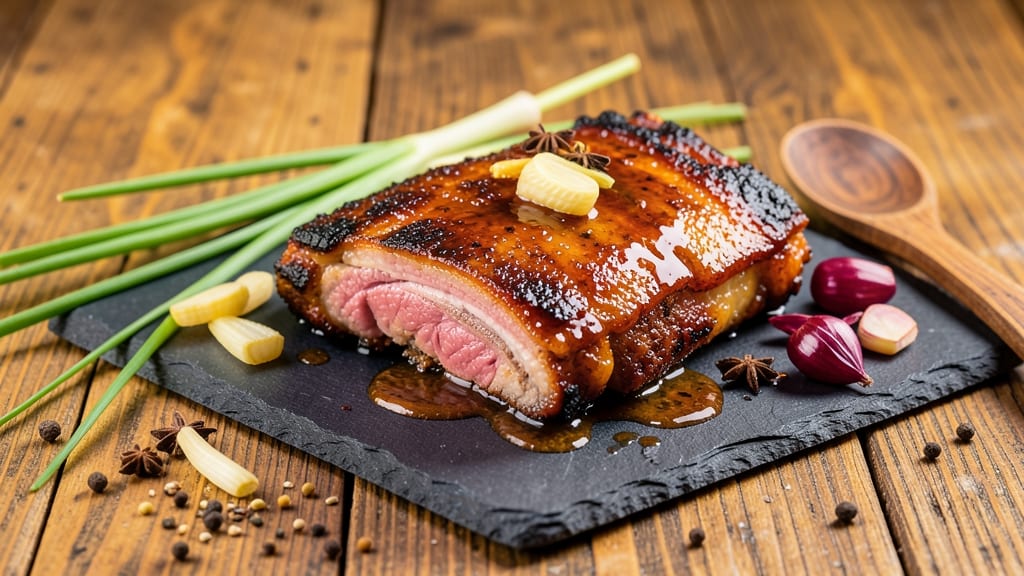
This Balinese pork ribs recipe transports you to Indonesia's spice markets with every bite—where five-spice crust meets tangy tamarind glaze for a flavor explosion. I perfected this technique after studying Balinese cooking traditions, adapting them for home kitchens without sacrificing authenticity.
The ribs develop a caramelized crust from slow-roasting while absorbing layers of aromatic spices and sweet-savory tamarind.
What sets these ribs apart is the two-stage marinade: first with lemongrass, galangal, and shallots to tenderize, then a dry rub of five-spice powder and coriander for that signature crust.
I've tested this method countless times, and it consistently delivers fall-off-the-bone tenderness with a balance of heat, sweetness, and umami that's impossible to resist. The tamarind glaze adds a bright tang that cuts through the richness.
By the time you serve these ribs, your kitchen will smell like a Balinese warung (eating house), and your guests will be asking for seconds. The ribs emerge with glossy, caramelized edges and tender meat that practically melts in your mouth.
Serve them with steamed jasmine rice and a side of sambal for the full experience—this is restaurant-quality comfort food made at home.
This recipe works equally well on a grill or in the oven, making it adaptable for any home cook. The preparation takes just 30 minutes, but the slow cooking ensures maximum flavor infusion.
Once you try these ribs, you'll understand why they're a staple at Indonesian celebrations—and why they've become a favorite in my own kitchen.
Ingredients for balinese pork ribs
These aromatic ingredients transform simple pork ribs into a fragrant, restaurant-worthy Balinese masterpiece.
| Ingredient | Amount | Notes |
|---|---|---|
| Pork Ribs (Baby Back) 🥓 | 2 lb | Bone-in, trimmed of excess fat |
| Lemongrass 🌿 | 1 whole | Bruised stems only, cut into 2-inch pieces |
| Galangal 🍃 | 1 piece | Fresh, peeled, sliced into thin coins |
| Shallots 🧅 | 6 whole | Minced finely, not chopped |
| Garlic Cloves 🧄 | 8 cloves | Peeled, smashed with side of knife |
| Five-Spice Powder 🌶️ | 2 tbsp | Authentic Balinese blend, not Chinese |
| Ground Coriander 🌿 | 1 tbsp | Freshly ground preferred |
| Tamarind Paste 🍯 | ½ cup | Thick, unsweetened, from Asian market |
| Dark Brown Sugar 🍚 | ¼ cup | Packed, not granulated |
| Soy Sauce 🥄 | ¼ cup | Dark, not light or low-sodium |
| Fish Sauce 🍶 | 1 tbsp | Red Boat brand preferred |
| Olive Oil 🫒 | 2 tbsp | For marinade, not cooking |
| Lime Juice 🍋 | ¼ cup | Freshly squeezed, seeds removed |
| Kosher Salt 🧂 | 1 ½ tsp | Diamond Crystal preferred |
| Black Peppercorns 🌶️ | 1 tsp | Freshly cracked, not pre-ground |
The star ingredients here are the authentic spices—start with five-spice powder from an Asian market (the Balinese blend has cinnamon and cloves, not just star anise). Red Boat fish sauce is non-negotiable for that umami depth, but if you must substitute, soy sauce plus a dash of shrimp paste works in a pinch. The lemongrass and galangal (that citrusy, peppery root) are essential for authentic flavor—skip them and you'll miss the soul of the dish. For galangal, Asian grocery stores usually carry it fresh, or freeze it if you can't use it all at once. The shallots should be minced so finely they're almost paste-like—this ensures even flavor distribution. I always double-check my fish sauce isn't past its prime (it should smell clean, not funky).
No tamarind paste? Lemon juice plus 1 tsp sugar mimics the tang, though it won't be identical. Running short on galangal? Double the ginger (peeled and sliced the same way) gets you close, though it lacks the unique citrusy note. The ribs can be substituted with pork shoulder if you're feeding a crowd, but increase cooking time by 30 minutes. For the glaze, if you can't find thick tamarind paste, blend tamarind pods with water and strain—it's worth the effort. The dark brown sugar should be packed tightly into the measuring cup for that caramel depth. And trust me on the freshly cracked peppercorns—pre-ground loses its punch fast.
Marinate the ribs overnight for maximum flavor, but if you're short on time, at least 4 hours will work. The glaze keeps in the fridge for 1 week, but reheat it gently—microwaving makes it grainy. Leftover ribs? Freeze them raw in a single layer before transferring to a bag for 3 months. When reheating, low and slow is key—300°F oven for 20 minutes with a splash of water in the pan keeps them moist. The aromatics (lemongrass, galangal) can be stored in the freezer for 6 months*, wrapped tightly in plastic wrap.
Why You'll Love This Recipe
- One-Pot Magic: I swear by this recipe because it’s all in one pan—no chopping boards, no extra bowls. Just ribs, herbs, and a quick simmer until the galangal and lemongrass infuse that rich, citrusy aroma into every bite. The shallots and garlic caramelize right there, so you’re left with minimal cleanup and maximum flavor.
- Taste Like Bali: Between us, the galangal—it’s like ginger’s cooler, more sophisticated cousin—gives these ribs a depth that’s ridiculously addictive. The lemongrass brightens everything up, so you get this perfect balance of savory, spicy, and fresh. It’s the kind of dish that makes you want to eat it straight off the bone.
- Weeknight or Weekend: Honestly, this recipe works everywhere. Too busy on a Tuesday? Toss it in the slow cooker for 4 hours and call it dinner. Hosting friends? Double the batch and serve it with rice and a simple salad—it’s effortless but feels fancy. My daughter even asks for it at school lunches (yes, I pack leftovers).
- Budget-Friendly Feast: You’re getting way more than just ribs here—the galangal and lemongrass stretch the flavor so you don’t need fancy sauces or sides. A single rack feeds four, and leftovers reheat beautifully, whether wrapped in foil for lunch or tossed into fried rice later. Plus, pork ribs are cheaper than you’d think when you’re not drowning them in expensive marinades.
Step-by-step instructions for Balinese pork ribs
Here's how to transform simple pork ribs into a fragrant, five-spice crust-coated masterpiece with a tangy tamarind glaze.
Prepare the Pork Ribs and Aromatic Paste
Start by trimming any excess fat from the 2 lb pork ribs (baby back), leaving just a thin layer for flavor. Pat them completely dry with paper towels—this ensures the marinade sticks and the crust develops properly. In a food processor, combine the 6 whole shallots, 8 cloves garlic, 2 tbsp five-spice powder, 1 tbsp ground coriander, 1.5 tsp kosher salt, and 1 tsp freshly cracked black peppercorns. Pulse until you achieve a fine, wet paste—this will be the flavor foundation.
Transfer this aromatic paste to a large mixing bowl and add the 2 tbsp olive oil, 0.25 cup lime juice, 0.25 cup soy sauce, 1 tbsp fish sauce, and 0.25 cup dark brown sugar. Mix thoroughly until everything is evenly combined. The mixture should be thick but pourable—this ensures maximum flavor penetration. Add the ribs and turn to coat completely, pressing the paste into the meat. Cover and refrigerate for at least 4 hours, preferably overnight, to let the flavors meld deeply.
Build the Tangy Tamarind Marinade
While the ribs marinate, prepare the tamarind glaze by combining the 0.5 cup tamarind paste with 2 tbsp of the reserved marinade from the bowl (strain it if needed). The tamarind should dissolve completely into a thick, syrupy consistency—this will create the signature sticky glaze. If it's too thick, add 1-2 tablespoons of warm water to reach a smooth, pourable texture. Taste and adjust seasoning with additional soy sauce or lime juice if needed.
Here's the thing—tamarind has a complex flavor profile that's both sweet and tart. You want this glaze to be vibrant but balanced, not overpowering. Set this mixture aside while you prepare the ribs for cooking. The longer you let it sit, the more the flavors will develop, so don't rush this step.
Cook the Ribs to Perfect Tenderness
Preheat your oven to 300°F. Place the marinated ribs on a wire rack set over a baking sheet lined with aluminum foil. This setup allows air to circulate evenly, preventing any part from steaming instead of browning. Roast the ribs for 2 hours, basting them with the reserved marinade every 30 minutes. You're looking for meat that's tender enough to fall off the bone but still holds together when sliced.
About 30 minutes before the ribs are done, remove them from the oven and brush generously with the tamarind glaze. Return to the oven for the final 10 minutes to caramelize the glaze into a glossy, sticky coating. The ribs should have a deep golden-brown crust in spots where the marinade has concentrated. If the glaze starts to dry out too quickly, add a splash of water to maintain its shine.
Rest and Serve with Confidence
Once the ribs reach an internal temperature of 195°F (use a meat thermometer to check the thickest part), remove them from the oven and let them rest for 15 minutes. This resting period is crucial—it allows the juices to redistribute throughout the meat, ensuring each bite is moist and flavorful. During this time, you can prepare your serving dish by lining it with lettuce leaves or steamed rice to catch any delicious drippings.
Slice the ribs between the bones into individual chops, arranging them on a platter. Drizzle any remaining tamarind glaze over the top and garnish with thin slices of the 1 whole lemongrass and 1 piece galangal for an authentic presentation. Serve immediately with steamed jasmine rice and a simple cucumber salad to balance the rich, spiced flavors. The contrast of textures and temperatures makes this dish truly special—crispy edges, tender meat, and that sticky-sweet glaze in every bite.
Pro Tips For Making Balinese Pork Ribs
- BLANCH THE LEMONGRASS: First, smash the lemongrass stalks with the side of your knife—not chopping, just breaking the fibers so the oils release properly. Then, give them a quick 1-minute blanch in boiling water before adding to the pot. This softens them just enough to infuse flavor without turning your sauce into a watery mess.
- PEEL GALANGAL LIKE A ROOT: Galangal’s outer skin is bitter—scrub it under cold water to loosen the dirt, then use a vegetable peeler to strip it clean, just like ginger. If you’re short on time, freeze it for 10 minutes first; the cold makes it easier to peel without bruising the flesh.
- SEAR THE RIBS IN BATCHES: Don’t crowd the pan—this isn’t a stir-fry. Work in two batches over medium-high heat until the ribs develop a deep golden crust, about 3-4 minutes per side. Rushing this step means your ribs will steam instead of caramelize, and you’ll miss that smoky depth the Balinese version relies on.
- SAVE THE SHALLOT WATER: After mincing the shallots, don’t dump the leftover juice down the drain—strain it through a fine sieve and add it to your marinade or cooking liquid. That amber liquid packs concentrated flavor, and it’s the difference between "good" and "restaurant-quality" ribs. (Yes, even if it looks weird.)
Wine and beer pairings for this recipe
Balinese-Inspired Wine
For these vibrant ribs, I reach for a Balinese-friendly white wine that complements the tamarind's tang and five-spice complexity. A crisp Bali Kintamani white blend (like Bali Wines' Signature White) with its citrus and floral notes mirrors the dish's brightness.
If you can't find it, Mineral-driven Sauvignon Blanc from New Zealand—look for Oyster Bay—cuts through the richness beautifully. The wine's acidity refreshes your palate between bites of sticky-sweet glaze. 🍷
Craft Beer Pairings
For beer lovers, a Balinese-style pale ale bridges the gap between sweet and spicy. I recommend Bali Brewing Company's Bali Pale Ale (if available) with its tropical fruit notes and subtle spice.
In the US, a Belgian Witbier like Hoegaarden works wonders—the coriander and citrus complement the tamarind while the effervescence cleanses the palate. For a stronger option, try a lightly hopped American IPA with Citra hops to balance the dish's sweetness. 🍺
Local Southeast Options
Back in my Georgia kitchen, I often pair these ribs with a local craft beer that echoes the tamarind's tang. Atlanta's SweetWater Brewing Company's 420 Blonde Ale (with its citrus and honey notes) works surprisingly well.
For a non-alcoholic option, a ginger beer like Texas-based Reed's Ginger Beer enhances the galangal's peppery kick without overpowering. The effervescence helps cut through the rich, caramelized crust. 🌶️
Serving Temperature
Serve your wine or beer chilled but not ice-cold—around 50-55°F for whites and 45-50°F for beers. This temperature preserves the drink's delicate aromas while enhancing the dish's complex flavors. I always let my wine breathe for 10 minutes before pouring to open up its citrus and floral notes.
Pro tip: Use a glass with a wide bowl (like a Riedel Vinum) to concentrate the aromas and elevate the tasting experience. ✨
Dessert Wine Balance
If you're serving a sweet dessert after the meal, a Balinese-style dessert wine like Bali's Red Wine (often a Cabernet Sauvignon with tropical fruit notes) bridges the savory-spicy main course to something sweet.
In the US, a Port-style wine with dried fruit flavors—like Graham's Six Grapes—complements the tamarind's lingering sweetness. The wine's viscosity coats your palate, preparing it for rich desserts like coconut pandan cake. 🍰
Nutrition facts
Frequently asked questions
Can I substitute baby back ribs with pork shoulder for this recipe?
Yes, you can use pork shoulder, but you'll need to adjust the cooking time. For 2 lb pork shoulder, increase the oven time to 2.5-3 hours at 300°F and add 15 minutes of glaze time at the end. The meat will be more tender but slightly fattier, so trim excess fat before marinating. The five-spice crust will still develop beautifully, though the texture will be more shreddable than the distinct rib chops you get with baby backs.
What's the secret to getting that perfect caramelized crust?
The crust comes from two key techniques: dry marinating and high-heat finishing. After the initial 2-hour roast, transfer the ribs to a 450°F oven for the final 10 minutes to crisp the edges. Also, make sure your ribs are completely dry before marinating—pat them thoroughly with paper towels. The five-spice powder and coriander in the dry rub are what create that signature golden-brown crust when caramelized.
How do I make this recipe less spicy for kids or sensitive eaters?
Reduce the five-spice powder to 1 tbsp (instead of 2 tbsp) and omit the galangal entirely—it's the most peppery ingredient. For extra mildness, replace the galangal with 1 tsp grated ginger and use 1 tbsp of the milder Chinese five-spice blend instead. The tamarind glaze can stay the same, but you can add 1 tsp honey to balance any remaining tartness. Always taste as you go!
Can I grill these ribs instead of baking them?
Grilling works beautifully for this recipe. Preheat your grill to medium-high (375°F) and cook the ribs for 1.5-2 hours, turning occasionally and basting with marinade every 30 minutes. For the final 10 minutes, move them to direct heat to char the edges slightly. Brush with tamarind glaze during the last 15 minutes of cooking. The smoky flavor from grilling pairs wonderfully with the tamarind's tang—just watch them closely to avoid burning.
What's the best way to reheat leftover Balinese pork ribs?
To maintain moisture, reheat in a 300°F oven for 20-25 minutes, covered loosely with foil. For extra tenderness, add 1-2 tbsp water to the pan and let it steam slightly. Never microwave—it makes the ribs tough. If you're short on time, a skillet over medium-low heat with a splash of water works too. The glaze may dry out slightly, so brush with a little extra tamarind mixture before serving.