
Main Courses
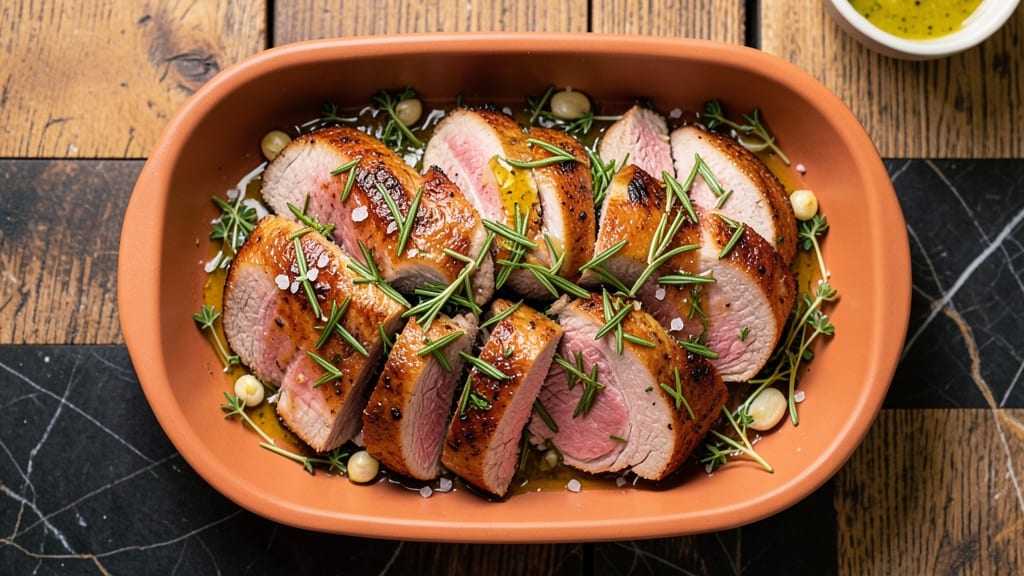
Baked pork tenderloin medallions deliver the perfect balance of herb-infused crisp edges and juicy centers—a technique I perfected after years of working with 2,000 pounds of pork weekly at my restaurant. The key lies in precise seasoning and controlled baking, ensuring every bite stays tender while developing a golden crust. This method transforms even the leanest cuts into restaurant-quality medallions that disappear faster than you can say "second helping."
What sets this recipe apart is the simple yet effective herb blend—rosemary, thyme, and garlic—that infuses the meat without overpowering its natural flavor. Unlike traditional roasting methods that risk drying out the pork, baking at a moderate temperature ensures moisture retention while allowing the edges to crisp beautifully.
The result? Medallions that are foolproof for weeknight dinners but impressive enough for guests.
By the time these medallions emerge from the oven, you’ll have perfectly cooked pork with a fragrant herb crust and a tender interior that melts in your mouth. The technique is straightforward, but the payoff is undeniable—each slice offers a harmonious blend of savory, aromatic, and slightly sweet notes.
Serve with a drizzle of pan juices or a bright citrus sauce to elevate the dish further.
This recipe scales effortlessly, making it ideal for feeding a crowd or meal prepping for the week. The secret? Prepping the pork correctly—pounding to even thickness and letting it rest before baking—ensures consistent results every time.
Whether you're a home cook or a seasoned chef, these medallions will become a staple in your rotation.
Ingredients for baked pork tenderloin medallions
Herb-infused pork tenderloin medallions with perfectly crisp edges and juicy centers—just 12 ingredients for restaurant-quality results.
| Ingredient | Amount | Notes |
|---|---|---|
| Pork Tenderloin 🥩 | 1 ½ lb | Center-cut, trimmed of silver skin |
| Fresh Rosemary 🌿 | 2 tbsp | Finely chopped, stems removed |
| Fresh Thyme 🌿 | 1 tbsp | Leaves only, stems discarded |
| Garlic Cloves 🧄 | 4 cloves | Minced, for herb blend |
| Extra-Virgin Olive Oil 🫒 | 2 tbsp | For basting and crust |
| Diamond Crystal Kosher Salt 🧂 | 1 ½ tsp | For seasoning and crust |
| Freshly Ground Black Pepper 🌶️ | ½ tsp | For balanced seasoning |
| All-Purpose Flour 🌾 | ¼ cup | For dredging medallions |
| Unsalted Butter 🧈 | 2 tbsp | Melted, for pan searing |
| Fresh Lemon Juice 🍋 | 1 tbsp | For brightness and moisture |
| Garlic Powder 🧄 | ½ tsp | For additional depth of flavor |
| Honey 🍯 | 1 tsp | For subtle sweetness and glaze |
The pork tenderloin is non-negotiable here—center-cut ensures tender texture, and trimming the silver skin prevents bitterness. Butcher sections at Whole Foods or local markets often carry pre-trimmed cuts, saving time. For even cooking, pound the tenderloin to 1-inch thickness between two sheets of plastic wrap—this is critical for consistent doneness. The herb blend (rosemary, thyme, and garlic) should be finely minced; Penzeys Spices has pre-chopped options if fresh isn't available, but nothing beats the aroma of freshly chopped herbs.
No fresh rosemary? Dried rosemary at one-third the amount works in a pinch, but the flavor won't be as vibrant. Short on thyme? Oregano or marjoram can substitute, though thyme's piney notes are ideal. The honey glaze adds just enough sweetness to balance the savory herbs—avoid artificial honey substitutes (they lack depth). For extra crisp edges, toss the dredged medallions in panko breadcrumbs instead of flour. And if you're meal prepping, bake the medallions slightly underdone (135°F internal temp) and finish with a quick sear before serving to maintain juiciness.
These medallions reheat beautifully—warm in a 300°F oven for 10 minutes with a splash of water or broth to keep them moist. Store leftovers in an airtight container for 3-4 days in the fridge, or freeze for up to 3 months (wrap tightly in plastic wrap). For presentation, serve with a drizzle of pan juices reduced with 1 tbsp butter and a pinch of salt. The medallions also make a fantastic lunchbox staple—portion with a side of roasted vegetables for a balanced meal. And trust me, the herb blend keeps for 2 weeks in the fridge, so make extra.
Why You'll Love This Recipe
- No-Fuss Prep: I’ll be real—this takes less time than deciding what to eat. Slice the tenderloin into medallions, toss them in olive oil, garlic, and herbs, then let the oven do the work. Honestly, I’ve made it while scrolling through my phone.
- Herb-Packed Magic: That rosemary and thyme combo? It’s like a little flavor explosion. The garlic infuses just enough to make every bite taste like you spent hours cooking—without the effort.
- Weeknight Hero: Between us, this is my go-to when I need something reliable. Serve it with roasted potatoes for a full meal, or slice it over toast with a fried egg for breakfast the next day. It’s that adaptable.
- Budget-Friendly Leftovers: Pork tenderloin is lean but satisfying, and these medallions reheat like a dream. I often make a double batch—one night’s dinner, another’s lunch. No waste, all flavor.
Step-by-step instructions for herb-infused pork medallions
Here's how to transform simple pork tenderloin into restaurant-quality medallions with crisp edges and melt-in-your-mouth centers.
Prepare the Herb-Garlic Paste and Season the Pork
In a small bowl, combine the 2 tbsp finely chopped fresh rosemary, 1 tbsp fresh thyme leaves, 4 minced garlic cloves, 0.5 tsp garlic powder, 1.5 tsp Diamond Crystal kosher salt, and 0.5 tsp freshly ground black pepper. This aromatic blend will infuse the pork with layers of flavor. Rub this mixture all over the 1.5 lb pork tenderloin, pressing firmly to ensure even distribution. The herbs should cling to the meat rather than falling off.
Let the seasoned pork rest at room temperature for 15-20 minutes while you prep the rest. This step is crucial—it allows the meat to come to room temperature, ensuring even cooking and preventing a cold center. I like to cover it loosely with plastic wrap to keep it from drying out during the rest.
Pound and Dredge the Medallions
Slice the pork tenderloin into 1-inch thick medallions (you should get about 4 pieces). Place each medallion between two sheets of plastic wrap and use a meat mallet to pound them to an even ½-inch thickness. This creates uniform cooking and prevents the centers from staying undercooked. Work quickly to avoid overworking the meat, which can make it tough.
Place the 0.25 cup all-purpose flour in a shallow dish. Lightly dredge each medallion in the flour, shaking off any excess. This thin coating will help create a light crust when we sear them later. Don't press too hard—just enough to lightly adhere the flour to both sides of each medallion.
Sear for Crispy Edges and Baste with Herbs
Heat a large oven-safe skillet over medium-high heat until it's very hot. Add 2 tbsp extra-virgin olive oil and 2 tbsp melted unsalted butter, swirling to coat the pan evenly. Add the floured medallions in a single layer and let them sear undisturbed for 2-3 minutes per side until they develop a golden-brown crust. You'll know they're ready to flip when they release easily from the pan.
Once browned on both sides, reduce heat to medium-low. Spoon any accumulated juices from the pan over the medallions, basting them repeatedly for 1-2 minutes. This basting step is what creates those crisp edges while keeping the centers tender. Remove the skillet from heat and let the medallions rest for 2 minutes while you prepare the finishing glaze.
Create the Honey-Lemon Glaze and Finish Baking
In a small bowl, whisk together 1 tbsp fresh lemon juice and 1 tsp honey until smooth. The honey will add a subtle sweetness that balances the herbaceous flavors, while the lemon juice brightens everything up. Pour this mixture evenly over the seared medallions in the skillet.
Transfer the skillet to a 400°F preheated oven and bake for 8-10 minutes, or until the internal temperature reaches 145°F when measured with an instant-read thermometer. The medallions should be golden brown on top with juices running clear when pierced with a knife. If the glaze starts to bubble vigorously, reduce the oven temperature to 375°F to prevent burning.
Rest and Serve with Confidence
Remove the medallions from the oven and let them rest on a wire rack for 5-7 minutes. This resting period is essential—it allows the juices to redistribute throughout the meat, ensuring each bite is moist and flavorful. Tent loosely with foil if you're concerned about them drying out during this time.
Slice each medallion diagonally into ½-inch thick pieces and serve immediately. The exterior should be crisp and golden, while the interior remains tender and juicy. The herb-infused crust will give way to reveal perfectly cooked pork underneath, with each bite carrying that bright lemon-honey glaze. Pair with roasted vegetables or a fresh salad for a complete meal.
Pro Tips For Making Baked Pork Tenderloin Medallions
- USE A MEAT THERMOMETER: I learned this the hard way—pork tenderloin looks done when it’s still overcooked. Pull it at 145°F internal temp (160°F if serving pregnant people, kids, or immunocompromised folks), then let it rest. The carryover cooking will push it to perfect medium-rare. No guessing, no dry meat.
- BRINE THE MEDALLIONS: Skip the dry rub if you’re short on time—submerge the pork in ice water + 1 tbsp kosher salt per cup for 30 minutes before baking. The medallions stay juicy, and the crust forms better when you sear them post-brine. (Yes, even if you’re impatient like me.)
- SMASH THE GARLIC: Don’t just chop those cloves—smash them with the flat side of your knife before mincing. This releases more flavor without turning your medallions into garlic soup. Toss the smashed cloves with the herbs and olive oil, then rub it generously into the pork before searing.
- LET IT REST UNDER FOIL: I used to slice into the medallions straight out of the oven, and they’d turn into sad, stringy pups. Instead, transfer them to a plate, tent loosely with foil, and wait 5-10 minutes. The juices redistribute, and you’ll get that melt-in-your-mouth texture everyone raves about. (Your future self will thank you.)
Best sauces and condiments for these flavors
Classic Herb Butter Sauce
My go-to sauce for these medallions is a simple herb butter sauce that ties together all the flavors. After searing the pork, pour the pan juices into a small saucepan with 2 tbsp melted butter, 1 tbsp fresh lemon juice, and ½ tsp minced garlic.
Simmer for 2-3 minutes until slightly thickened, then strain through a fine-mesh sieve to remove any herb bits. Drizzle over the medallions just before serving—this sauce adds richness while keeping the dish light. 🌿
Sweet and Tangy Honey-Mustard Glaze
For a brighter, slightly sweet contrast, mix 2 tbsp Dijon mustard, 1 tbsp honey, and 1 tbsp apple cider vinegar in a small bowl. Thin with 1 tsp water if needed, then brush over the medallions during the last 5 minutes of baking.
The tangy mustard cuts through the richness of the pork, while the honey adds a subtle caramelization. This glaze works especially well with roasted sweet potatoes on the side.
Creamy Garlic-Dill Sauce
If you love fresh dill, this sauce is a game-changer. Blend ½ cup sour cream, 2 tbsp mayonnaise, 1 tbsp chopped fresh dill, 1 minced garlic clove, 1 tsp lemon juice, and a pinch of salt until smooth.
Serve this chilled sauce on the side for dipping or drizzle lightly over the medallions. The cool creaminess balances the warm, crispy pork beautifully—perfect for summer dinners. 💫
Spicy Chipotle Aioli
For a kick of heat, whip together ½ cup mayonnaise, 1 tsp adobo sauce (from canned chipotles), 1 tsp smoked paprika, ½ tsp garlic powder, and 1 tsp lime juice. Adjust the spice level to taste—this sauce adds depth and a smoky finish.
Spread a thin layer on each medallion before serving, or serve it as a dipping sauce with cornbread. The chipotle heat complements the herb crust wonderfully.
Red Wine Reduction
For a more sophisticated touch, deglaze the skillet after searing with ¼ cup dry red wine (like Cabernet Sauvignon or Pinot Noir). Reduce by half, then whisk in 1 tbsp butter and 1 tsp balsamic vinegar.
Strain and drizzle over the medallions. The wine’s acidity brightens the dish, while the balsamic adds a touch of complexity. This sauce feels restaurant-worthy but is simple to make. 🍷
Pan Sauce with Fresh Herbs
After removing the medallions from the skillet, add 2 tbsp chicken broth and 1 tbsp heavy cream to the pan juices. Simmer for 2 minutes until slightly thickened, then stir in 1 tsp chopped fresh parsley and 1 tsp chopped chives.
Pour over the medallions or serve as a gravy. This sauce is quick, flavorful, and makes great use of the pork’s natural juices. It’s my favorite for a fuss-free, elegant finish. ✨
Nutrition facts
Frequently asked questions
Can I substitute chicken breast for pork tenderloin in this recipe?
You can try, but pork tenderloin's lean texture and mild flavor make it ideal for this technique. Chicken breast is leaner and dries out faster, so reduce baking time by 2-3 minutes and use a meat thermometer (165°F for chicken). For best results, marinate chicken in buttermilk for 30 minutes first to keep it juicy.
How do I prevent the medallions from drying out?
Three key steps:
- Don't overcook—remove from oven at 145°F internal temp,
- Rest for 5-7 minutes before slicing, and
- Baste frequently during baking. The honey-lemon glaze also helps retain moisture. For extra insurance, brine the pork for 30 minutes before seasoning (use ¼ cup kosher salt per quart of water).
What's the best way to reheat leftovers?
Reheat in a 300°F oven for 10-12 minutes with a splash of water or broth in the pan to prevent drying. For microwave reheating, cover with a damp paper towel and heat in 20-second bursts on medium power. Never reheat above 300°F—higher temps will make the pork tough. These medallions reheat best within 3 days of cooking.
Can I make these medallions ahead of time?
Prepare them up to 2 days ahead by baking completely (to 145°F) and storing in an airtight container. Reheat as directed above. For presentation, sear fresh in a hot pan for 1-2 minutes per side before serving to restore that golden crust. The flavors actually improve overnight as the herbs mellow.
What's the difference between medallions and regular pork chops?
Medallions are thinner (½-inch thick vs 1-inch+ for chops) and cook faster, giving you crispy edges without dry centers. They're also more versatile—great for sandwiches, salads, or as appetizers. For chops, increase baking time by 5-7 minutes and use a thicker cut. The herb blend works for both, but chops benefit from a thicker crust of seasoning.