
Main Courses
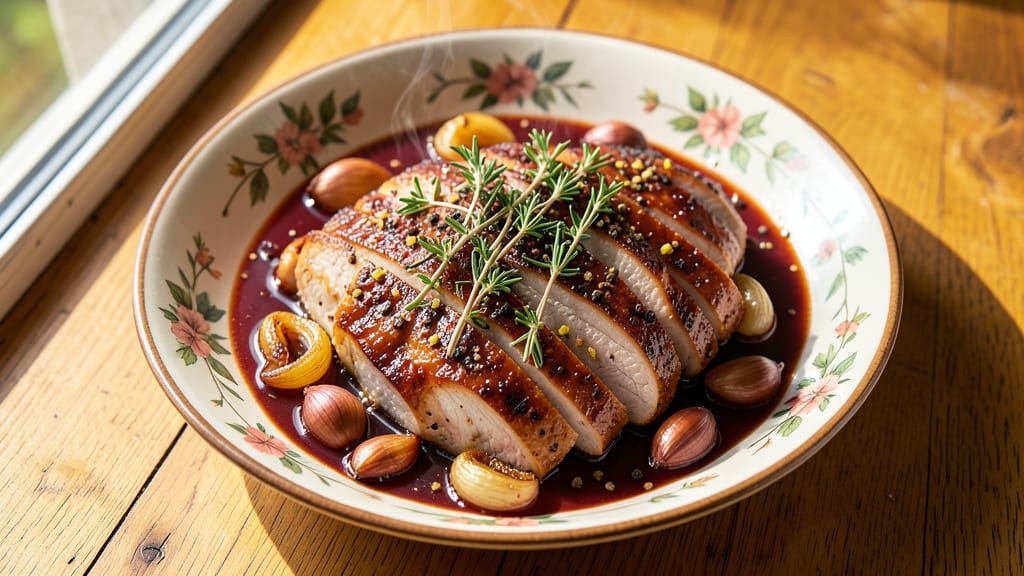
This Bajan pork souse recipe delivers the signature tender, vinegar-braised pork that's been feeding Caribbean families for generations. The secret lies in the slow, multi-stage curing process—where pork shoulder transforms from tough to melt-in-your-mouth perfect through a blend of aromatic spices and tangy vinegar.
I first tasted souse during a research trip to Barbados, where it was served at every family gathering, and its rich, complex flavor profile has stayed with me ever since.
The traditional method begins with curing the pork in a spiced brine overnight, then simmering it until fork-tender. What makes this dish truly special is how the vinegar tenderizes the meat while adding that signature tangy brightness.
The spices—allspice, thyme, and garlic—create layers of warmth that cut through the richness, making every bite unforgettable. This isn't just a recipe; it's a taste of Caribbean heritage that brings people together.
By the time you're done, you'll have restaurant-quality pork souse with a crispy exterior and impossibly tender interior. The aroma alone will fill your kitchen with memories of island gatherings, while the texture delivers that perfect balance of crispness and melt-in-your-mouth softness.
Serve it with fried dumplings, plantains, or crusty bread to soak up every last drop of that flavorful broth.
This recipe scales beautifully—whether you're cooking for a family dinner or a holiday feast. The key is patience; letting the pork cure and simmer transforms tough cuts into something extraordinary. Trust me, once you try this authentic Bajan technique, you'll understand why it's a staple at every Caribbean table.
Ingredients for bajan pork souse
Pork shoulder, vinegar, and Caribbean spices transform tough cuts into melt-in-your-mouth perfection.
| Ingredient | Amount | Notes |
|---|---|---|
| Pork Shoulder 🥓 | 3 lb | Bone-in for maximum flavor |
| White Vinegar 💧 | 1 ½ cups | Distilled white preferred |
| Yellow Onion 🧅 | 1 whole | Quartered, skin on |
| Garlic Cloves 🧄 | 8 cloves | Peeled, smashed slightly |
| Fresh Thyme 🌿 | ½ cup | Stems removed, chopped |
| Allspice Berries 🌶️ | 1 tbsp | Crushed lightly |
| Ground Black Peppercorns 🌶️ | 1 tbsp | Freshly cracked preferred |
| Fresh Ginger 🌿 | 2 tbsp | Grated finely (about 1 oz) |
| Salt 🧂 | 1 ½ tbsp | Diamond Crystal preferred |
| Bay Leaves 🍃 | 2 whole | Dried, standard size |
| Vegetable Oil 🫒 | ¼ cup | For frying dumplings |
| All-Purpose Flour 🌾 | 1 ½ cups | For dumpling dough |
| Water 💧 | ½ cup | Cold, for dumpling dough |
The pork shoulder is non-negotiable—bone-in delivers maximum flavor, and 3 lbs serves a crowd with leftovers. Look for well-marbled cuts at Costco or your local butcher shop. If you can't find bone-in, a 3-inch thick boneless cut works too. The vinegar matters just as much: distilled white has a cleaner taste than apple cider vinegar, which can overpower the delicate spices. Allspice berries? Penzeys Spices sells them whole—crush them lightly with a mortar and pestle for the best flavor. Fresh ginger should smell bright and citrusy; skip the powdered stuff here.
No allspice berries? Ground allspice at half the amount works in a pinch, but the whole berries give that signature Bajan warmth. Running low on thyme? Dried thyme at one-third the quantity is fine, but fresh is ideal. The dumpling dough is simple—just flour, water, and a pinch of salt—but Trader Joe's pre-made biscuit dough saves time if you're short on patience. For the vinegar cure, don't rush: let the pork sit overnight for maximum tenderness. If you're making this ahead, the cured pork keeps 3 days in the fridge before cooking.
This dish tastes even better the next day—3-4 days in the fridge, covered with its own juices. The dumplings? Fry them fresh or freeze the dough balls for up to 2 months. For leftovers, reheat the pork with a splash of water or broth—it'll be just as tender. The broth reduces beautifully into a thick, flavorful sauce, so don't toss it. Store it in the fridge for up to 5 days or freeze for 3 months. Double the recipe if you're feeding a crowd; the effort is worth every crispy, spiced bite.
Why You'll Love This Recipe
- No-Fuss Overnight Magic: The vinegar does all the work while you sleep—just sear the pork, toss in the aromatics, and wake up to tender, fall-apart meat. Honestly, I’ve never measured the exact time, but it’s always perfect when I forget about it.
- Tangy-Savory Balance: That vinegar isn’t just for pickling—it cuts through the richness of the pork, while the thyme and garlic add depth. The crispy edges? Dangerously addictive.
- Party Crowd Pleaser: Serve it cold in tacos, warm in sandwiches, or straight from the jar with crackers. My in-laws still ask for it at every gathering, and it’s not even fancy.
- Budget-Friendly Staple: Pork shoulder stretches for days, and the ingredients cost pennies. I make a big batch, portion it out, and still have leftovers for lunch the next week. (Yes, even on a Tuesday night.)
Step-by-step instructions for Bajan pork souse
Here's how to transform tough pork shoulder into melt-in-your-mouth souse with Caribbean spice and vinegar magic.
Cure the Pork Shoulder with Caribbean Spices
In a large mixing bowl, combine the 3 lb pork shoulder, 1 whole yellow onion (quartered, skin on), 8 cloves garlic (smashed), 0.5 cup fresh thyme, 1 tbsp allspice berries (crushed), 1 tbsp ground black peppercorns, 2 tbsp fresh ginger (grated), 1.5 tbsp salt, and 2 whole bay leaves. The spices should coat the meat thoroughly—this is where all that deep flavor develops.
Massage the mixture into the pork, working it into the crevices and fat cap. The onion and garlic will infuse the meat as it cures. Cover the bowl and refrigerate for 24 hours, turning the meat occasionally. This curing process tenderizes the meat and allows the spices to penetrate deeply, creating that signature Bajan flavor profile.
Braise the Pork in Vinegar Until Fork-Tender
After curing, place the pork shoulder in a large Dutch oven or heavy pot. Add the 1.5 cups white vinegar and enough water to cover the meat by about 1 inch. The vinegar will break down the connective tissue, making the meat incredibly tender. Bring to a simmer over medium-high heat, then reduce to a gentle low boil. Cover and cook for 3 to 4 hours, turning the meat occasionally.
You'll know it's ready when the meat is fork-tender and pulls apart easily. The liquid should reduce significantly, creating a rich, spiced broth. If the liquid evaporates too quickly, add a little more water to keep the pork submerged. The vinegar smell will dissipate as it cooks, leaving behind a complex, savory aroma that fills your kitchen.
Prepare the Dumpling Dough
While the pork braises, make the dumplings that will soak up all that delicious broth. In a medium bowl, whisk together the 1.5 cups all-purpose flour and 1.5 tbsp salt. Gradually add the 0.5 cup cold water, mixing until a soft dough forms. Knead lightly for 1 minute until smooth. The dough should be pliable but not sticky—if it's too dry, add a splash more water.
Divide the dough into 6 equal portions and roll each into a ball. Flatten slightly with your palm—they'll expand as they cook. Set aside until ready to use. These dumplings will absorb the flavorful braising liquid, creating a comforting, hearty finish to your souse.
Fry and Simmer the Dumplings
Heat the 0.25 cup vegetable oil in a skillet over medium heat until shimmering. Fry the dumpling balls for 2 to 3 minutes per side until golden brown. The oil should sizzle gently—don't overcrowd the pan or they'll steam instead of crisp up. Transfer the fried dumplings to a plate and set aside.
Return the pork to the braising liquid and bring to a gentle simmer. Carefully add the fried dumplings to the pot, cover, and cook for an additional 30 minutes. The dumplings will soften as they absorb the rich, spiced broth, creating a perfect balance of textures in every bite.
Rest and Serve with Confidence
Remove the pork from the pot and let it rest for 15 minutes before slicing. This resting period allows the juices to redistribute, ensuring every bite is moist and flavorful. The pork should pull apart easily with a fork, revealing tender, spiced meat infused with all those Caribbean flavors.
Serve the pork souse sliced over rice or with crusty bread, spooning the rich braising liquid and dumplings over the top. The combination of tender pork, crispy dumplings, and aromatic broth makes this a true Caribbean comfort dish that's perfect for gatherings or meal prep.
Pro Tips For Making Bajan Pork Souse
- SCORE THE PORK FIRST: Before you even think about vinegar, run that pork shoulder under cold water and use a sharp knife to slice shallow cuts across the fat cap—about ¼-inch deep and ½-inch apart. This isn’t just for looks; it lets the vinegar and spices penetrate faster, so your souse actually tastes like it’s been simmering for hours (not just sitting in a pot).
- USE OLD VINEGAR: Skip the fresh bottle—grab that cloudy, slightly sweet-smelling vinegar from the back of your pantry. The acetic acid mellows over time, and the funkier it is, the deeper the flavor. If you’re in a rush, let store-bought white vinegar sit uncovered in a jar for 24 hours before using; it’ll taste closer to the real deal.
- DON’T BOIL THE GARLIC: I learned this the hard way—tossing whole garlic cloves into the pot with the pork and vinegar turns them bitter and slimy. Instead, mince them fine (or crush them with the flat side of your knife) and add them after the pork has simmered for 45 minutes. That way, they infuse without turning to mush.
- BASTE WITH THE DRIPPINGS: Every 30 minutes, tilt the pot and spoon that caramelized vinegar-pork mixture over the meat—especially the fat cap. It’s not just for browning; the vinegar breaks down the collagen faster, and the fat keeps the pork from drying out. (Yes, even if you’re impatient like me.)
Make-ahead tips for this bajan pork souse
Cure Ahead Strategy
Start the curing process 24 hours in advance—this is where the magic happens. I like to prep the pork mixture in the evening, then refrigerate it overnight. The spices and vinegar work their magic during this time, breaking down the meat fibers.
Pro tip: Use a large zip-top bag for easier turning and less mess. Store the pork in the fridge for up to 3 days before cooking if you need to plan ahead. 🌶️
Broth Prep Shortcut
Make the braising liquid one day before you plan to cook the pork. Combine the 1.5 cups white vinegar and 1 cup water in a jar, then add 1 tbsp allspice berries, 1 tbsp black peppercorns, and 2 bay leaves.
Let it steep in the fridge overnight—the flavors meld beautifully. Strain before using to avoid bitterness from the spices. This step cuts your cooking day in half! ⏰
Dumpling Make-Ahead
Save time by prepping the dumpling dough 3 days ahead and storing it in an airtight container in the fridge. Shape the balls when ready to fry—this keeps them fresh. For extra convenience, freeze the dough balls on a tray before transferring to a bag.
Fry straight from frozen, adding 1 extra minute per side. The dough keeps well for 2 months in the freezer. 🥧
Slow Cooker Option
For a hands-off approach, transfer the cured pork to a 6-quart slow cooker after the initial braise. Add the pre-made spiced vinegar mixture and cook on low for 8 hours or high for 5 hours.
This method works perfectly for weeknight meals or when you're hosting. Just add the fried dumplings in the last 30 minutes of cooking. 🔥
Leftovers Reinvention
Turn leftover pork souse into souse tacos or fried rice. Shred the meat and mix with 1 tbsp soy sauce, 1 tsp lime juice, and ½ cup chopped cilantro.
For rice, sauté with 1 cup frozen peas, 1 diced bell pepper, and 1 tbsp sesame oil. The flavors adapt beautifully to new dishes while keeping that Caribbean soul. 🌱
Freezer-Friendly
Freeze the fully cooked pork souse in portion-sized containers with its braising liquid. It keeps for up to 3 months without losing texture. When reheating, thaw overnight in the fridge, then warm in a pot with 2 tbsp water over low heat for 15 minutes.
The dumplings can be fried fresh or reheated in a skillet with 1 tbsp butter for 2 minutes per side. Perfect for lazy Sundays! ❄️
Nutrition facts
Frequently asked questions
Can I substitute bone-in pork shoulder for boneless?
You can use boneless pork shoulder, but bone-in delivers maximum flavor and stays more tender during the long braise. If using boneless, choose a 3-inch thick cut and increase cooking time by 30-45 minutes. The bone helps retain moisture and adds depth to the broth. For best results, ask your butcher for a well-marbled cut from the picnic end.
What's the secret to getting crispy dumplings?
Heat your oil to medium (350°F) and fry the dumplings in batches without overcrowding. They should sizzle gently and develop a golden brown crust in 2-3 minutes per side. For extra crispiness, chill the dough balls for 30 minutes before frying. The key is patience—rushing causes steaming instead of browning. A cast iron skillet works best for even heat distribution.
Can I make this dish without vinegar?
While vinegar is traditional, you can substitute 1 cup apple cider vinegar + 1 cup water or 1 cup lemon juice + 1 cup water for a milder tang. However, the acidity is crucial for tenderizing the meat. If omitting vinegar entirely, increase the braising time by 1 hour and add 1 extra bay leaf for depth. The flavor will be less authentic but still delicious.
How do I know when the pork is fully cooked?
The pork is done when it reaches an internal temperature of 203°F and pulls apart easily with two forks. Look for clear juices when pierced—no pink should remain. The shoulder should feel tender to the touch and separate cleanly from the bone. If using a meat thermometer, insert it into the thickest part without touching bone. The cooking time varies based on cut thickness and pot size.
What's the best way to reheat leftover pork souse?
Reheat in a pot with 2 tbsp water or broth over low heat for 10-15 minutes until warmed through. Avoid microwaving as it can make the dumplings soggy. For extra crispiness, reheat the dumplings separately in a dry skillet for 1-2 minutes per side. The pork stays tender when reheated gently—never boil it or it'll become tough. Leftovers taste even better the next day!