
Main Courses
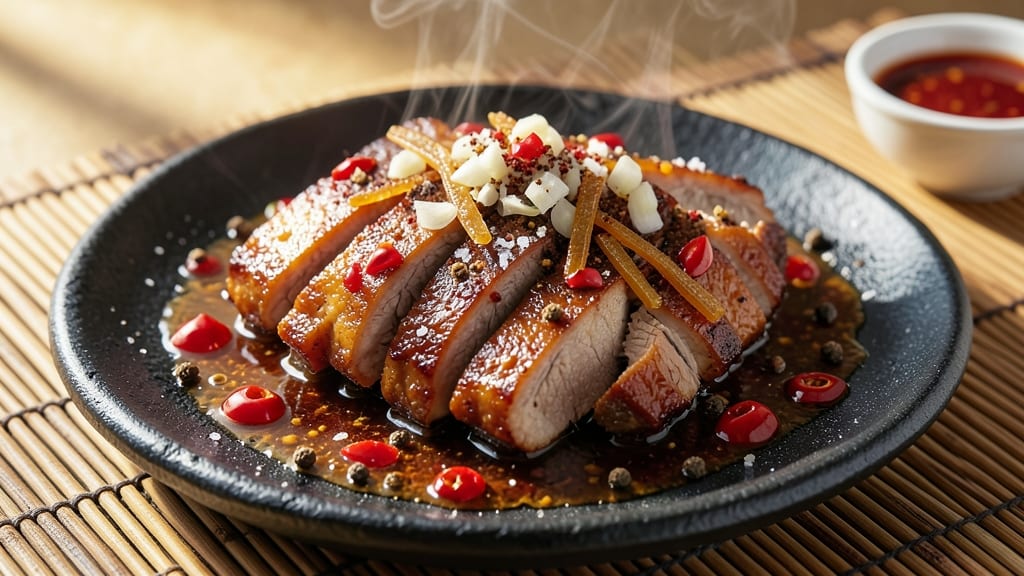
This authentic Szechuan pork recipe delivers the bold, fiery flavors of Chengdu’s street stalls—where every bite tingles from Sichuan peppercorns and chili bean paste. ✨ As someone who’s spent years perfecting pork techniques, I’ll guide you through the double-stir-fry method that creates a crispy, five-spice crust while keeping the meat tender inside.
The tamarind glaze adds that signature sticky heat that balances the numbing spice. What sets this dish apart is the layered flavor profile: the initial marinade infuses the pork with aromatic spices, while the quick stir-fry develops a caramelized crust.
We’ll use doubanjiang (fermented chili bean paste) and Sichuan peppercorns for that signature "málà" (numbing-spicy) sensation, then finish with a tangy tamarind glaze that cuts through the richness. This isn’t just another spicy pork dish—it’s a restaurant-quality experience you can recreate at home.
By the time you plate this, you’ll have golden-brown pork slices with crispy edges and tender centers, glistening under a glossy tamarind sauce. The aroma alone—smoky, spicy, and slightly sweet—will draw everyone to the table. Serve with steamed jasmine rice and quick-pickled cucumbers to balance the heat.
The key to success lies in high-heat stir-frying and proper spice balance. Don’t skip the blanching step—it’s what ensures your pork stays juicy while developing that perfect crust. Let’s get cooking!
Ingredients for authentic szechuan pork
Pork shoulder, fiery chili paste, and toasted peppercorns—these ingredients transform into restaurant-quality Szechuan pork.
| Ingredient | Amount | Notes |
|---|---|---|
| Pork Shoulder 🥩 | 1 ½ lb | Boneless, cut into 1-inch slices |
| Doubanjiang (Fermented Chili Bean Paste) 🌶️ | 2 tbsp | Authentic Sichuan variety |
| Sichuan Peppercorns 🌶️ | 1 tbsp | Toasted for maximum numbing effect |
| Five-Spice Powder 🌿 | 1 tsp | Star anise, cinnamon, clove, fennel |
| Garlic Cloves 🧄 | 6 cloves | Minced for marinade |
| Ginger 🧅 | 1 tbsp | Fresh, grated |
| Soy Sauce 🥄 | 2 tbsp | Dark soy preferred |
| Shaoxing Wine 🍷 | 1 ½ tbsp | Substitute dry sherry if needed |
| Neutral Oil (Peanut or Vegetable) 🫒 | ½ cup | High smoke point for stir-frying |
| Tamarind Paste 🍈 | 2 tbsp | Adjust for tanginess |
| Brown Sugar 🍚 | 1 tbsp | For sticky glaze |
| Green Onions 🧅 | 4 whole | Sliced for garnish |
| Sesame Oil 🫒 | 1 tsp | For finishing aroma |
| Salt 🧂 | 1 tsp | Kosher or sea salt |
The pork shoulder is your canvas—look for well-marbled cuts at Whole Foods or your local Asian market. Doubanjiang and Sichuan peppercorns are non-negotiable for authentic flavor; Hunan or Sichuan brands at Trader Joe's or Asian grocers deliver the best. Toast your peppercorns in a dry pan for 2 minutes until fragrant—they’ll release their signature numbing-spicy aroma. Five-spice powder should contain star anise and clove for depth, while dark soy sauce adds color and richness. Shaoxing wine isn’t just alcohol—it’s the soul of Chinese cooking, but dry sherry works in a pinch.
No doubanjiang? Mix 1 tbsp chili paste with 1 tsp fermented black beans for a decent substitute. Skip the Sichuan peppercorns? Add 1/2 tsp cayenne plus 1/4 tsp black pepper for heat without the numbing effect. Fresh ginger and garlic should be vibrant—no yellowing or sprouting. The tamarind paste can be found in the international aisle or online; if unavailable, 1 tbsp lime juice plus 1/2 tsp sugar mimics the tang. For a quicker prep, use pre-minced garlic and ginger from the freezer section, though fresh always wins. The pork slices should be uniform—trim any excess fat to prevent flare-ups during stir-frying.
Marinated pork keeps 2 days in the fridge, but the flavors deepen overnight. Stir-fry the pork immediately after blanching to lock in juices—don’t let it sit. The finished dish reheats beautifully; store in an airtight container with a splash of water to prevent drying. 3 days in the fridge or 3 months frozen. For leftovers, drizzle with a little sesame oil and soy sauce to revive the flavors. Serve with steamed rice and quick-pickled cucumbers to cut through the richness—trust me, the contrast is everything.
Why You'll Love This Recipe
- One-Pot Magic: I swear by this recipe for lazy nights—just toss the pork shoulder, doubanjiang, and garlic into one pot, let it simmer, and walk away. The five-spice powder does all the work while you’re busy with whatever else life throws at you.
- Numbness You’ll Crave: Between us, that Sichuan peppercorn kick is everything—tingly, spicy, and addictive in the best way. The doubanjiang adds this deep, fermented richness that makes every bite feel like a little flavor explosion.
- Leftover Goldmine: This dish tastes even better the next day, honestly. I make a double batch on Sundays because it reheats like a dream—great for packed lunches or when you’re too tired to cook again.
- Budget Stretch: Pork shoulder is cheap, and a little goes a long way here. The spices aren’t fancy, but they punch way above their weight, turning a simple protein into something restaurant-worthy without breaking the bank.
Step-by-step instructions for authentic Szechuan pork
Here's how to bring Sichuan's bold flavors to life with perfect balance.
🔥 Step 1: Marinate the Pork for Maximum Flavor
In a large bowl, combine the 1.5 lb pork shoulder cut into 1-inch slices with the 2 tbsp doubanjiang, 1 tbsp toasted Sichuan peppercorns, 1 tsp five-spice powder, 6 minced garlic cloves, 1 tbsp grated ginger, 2 tbsp soy sauce, and 1.5 tbsp Shaoxing wine. I like to press the marinade into the meat using my fingers so it adheres well.
Cover the bowl and refrigerate for at least 2 hours (overnight works best). This long marinating time ensures the Sichuan peppercorns' numbing effect and doubanjiang's deep umami penetrate deeply. The pork should absorb the marinade completely, with visible red streaks from the chili paste.
🍳 Step 2: Build the Fiery Spice Crust
Heat 0.5 cup neutral oil in a wok over medium-high heat until shimmering. Working in batches if needed, add the marinated pork and sear for 3-4 minutes per side until deeply browned and crispy. Remove and set aside, leaving the rendered fat in the wok.
This crust is everything - it should be caramelized and crackly. If your pork sticks, don't force it; let it cook undisturbed until you see that beautiful mahogany crust form. The fat in the wok will become your flavor base, so don't drain it.
🥘 Step 3: Create the Sticky Tamarind Glaze
To the wok, add 2 tbsp tamarind paste, 1 tbsp brown sugar, and 1 tsp salt. Stir constantly for 1-2 minutes until the tamarind dissolves and the mixture begins to bubble. The sauce should thicken slightly and take on a glossy sheen.
Here's where the magic happens: the tamarind's tang cuts through the richness while the sugar creates that signature sticky glaze. If it looks too thick, add 1-2 tablespoons water to loosen it. The sauce should coat the back of a spoon but still be pourable.
🔥 Step 4: Finish with Aromatics and Sesame Oil
Return the crispy pork to the wok and pour in the tamarind glaze. Stir gently to coat the pork evenly, then add the 4 sliced green onions. Cook for another 2-3 minutes until everything is well combined and the pork is heated through.
Remove from heat and immediately drizzle with 1 tsp sesame oil. This final step adds that signature aromatic punch that makes this dish truly authentic. The pork should be glistening with both the sticky tamarind glaze and the sesame oil's sheen.
🍽️ Step 5: Rest and Serve with Confidence
Let the pork rest for 5 minutes before serving. This resting period allows the juices to redistribute, ensuring each bite is packed with flavor. The dish should have a perfect balance of fiery heat from the doubanjiang, numbing Sichuan peppercorns, and that signature sticky-sweet glaze.
Serve immediately with steamed jasmine rice to soak up all that delicious sauce. The contrast of the rice's mild flavor against the pork's bold spices makes every bite unforgettable. For extra authenticity, garnish with additional sliced green onions and serve with a side of pickled vegetables.
Pro Tips For Making Authentic Szechuan Pork
- Char First, Then Braise: Get that pork shoulder screaming hot in a dry pan for 5-7 minutes before adding any liquid—you’re not searing, you’re building a crust. I used to skip this, and my dish always tasted underdeveloped; that Maillard reaction is non-negotiable for the deep, caramelized flavor in Sichuan dishes.
- Toast Sichuan Peppercorns: Dry-toast the whole peppercorns in a separate pan for 30 seconds until they smell like pine and citrus—this unlocks their numbing potential. Skip this, and you’ll just get a vague spiciness instead of that signature Sichuan tingle. (Yes, even if you’re impatient like me.)
- Bloom the Doubanjiang: Cook the doubanjiang alone in oil for 2 full minutes before adding garlic or pork—this melts its fermented oils and deepens its smoky, funky flavor. I learned this the hard way after one batch tasted raw and bitter. Trust the process.
- Use Cold Water for Braising: Pour cold water (not hot) over the pork when braising—it cooks the meat more evenly and keeps it from falling apart. Hot water steams the outside while the center stays tough. (Your future self will thank you.)
Troubleshooting great authentic szechuan pork
Undercooked Pork Fix
If your pork emerges pale and undercooked, it’s likely because you rushed the searing or didn’t marinate long enough. Blanch the pork first—submerge slices in boiling water for 30 seconds, then shock in ice water.
This jumpstarts the cooking process and prevents a raw center. For extra insurance, increase your searing time by 1-2 minutes per side over medium-high heat until the internal temp hits 160°F. 🔥
Overly Dry Crust
A dry crust usually means the pork lost moisture during cooking. Don’t overcrowd your wok—work in batches if needed, and use a wire rack in a baking sheet to drain excess fat.
After searing, add 1 tbsp water to the wok and cover for 2 minutes to steam the pork slightly. The tamarind glaze should also help retain moisture—if it’s too thick, thin it with 1 tsp water before glazing. ✨
Uneven Heat Distribution
If some pieces are raw while others are burnt, your heat isn’t consistent. Use a wok with a flat bottom (or a heavy skillet) and ensure it’s preheated for 5 minutes before adding oil.
Stir-fry over high heat and avoid moving the pork too often—let it develop a crust undisturbed. For extra control, use a wok thermometer to keep temps between 375-400°F. 🌡️
Lack of Numbing Spice
If your dish lacks that signature málà (numbing-spicy) kick, your Sichuan peppercorns weren’t toasted enough. Toast them in a dry pan for 3-4 minutes until fragrant and slightly puffed, then grind them coarsely before adding to the marinade.
For an extra boost, add ½ tsp ground Sichuan peppercorns directly to the tamarind glaze. Pro tip: Chill the dish for 10 minutes before serving—the numbing effect intensifies when cold! 💫
Sauce Too Thin or Thick
A runny sauce? Add ½ tsp cornstarch mixed with 1 tsp water and simmer for 1 minute. Too thick? Thin with 1 tsp water or Shaoxing wine. For balance, adjust the tamarind-to-sugar ratio—more tamarind for tang, more sugar for sweetness.
Taste as you go, and remember: Sichuan flavors need harmony, so don’t overcorrect with extra salt. 🍯
Fat-Focused Flavor Tips
If your pork tastes bland, it’s likely missing fat for flavor development. Render extra fat from the pork during searing—leave it in the wok to baste the meat. For deeper umami, add 1 tsp light soy sauce to the tamarind glaze.
And here’s a secret: Use pork shoulder with visible marbling—the fat melts during cooking, keeping the meat juicy and infusing flavor. Trust me, this makes all the difference! 🥩
Nutrition facts
Frequently asked questions
What's the secret to getting that signature numbing-spicy "málà" sensation?
Toast your Sichuan peppercorns until fragrant (3-4 minutes in a dry pan) and grind them coarsely before adding to the marinade. The key is their volatile oils—toasting releases them fully. For extra intensity, add ½ tsp ground Sichuan peppercorns to the tamarind glaze. Pro tip: Serve the dish slightly chilled (10 minutes in the fridge) to amplify the numbing effect!
Can I substitute doubanjiang if I can't find it?
Yes! Mix 1 tbsp chili paste with 1 tsp fermented black beans for a decent stand-in. For heat without the fermented depth, use 1 tbsp gochujang (Korean chili paste) plus ½ tsp soy sauce. The umami will be different, but the spice level will be close. Just remember: doubanjiang's funk is irreplaceable for authentic flavor.
How do I adjust the heat level for sensitive eaters?
Reduce the doubanjiang to 1 tbsp and omit ½ tsp of it. Replace with 1 tsp extra sugar in the tamarind glaze to balance flavors. For spice, use ½ tsp cayenne instead of Sichuan peppercorns (no numbing effect). Keep the tamarind and sesame oil—they add depth without heat. Taste as you go!
What's the best way to store leftovers?
Let the pork cool completely, then store in an airtight container with a splash of water to prevent drying. Keeps 3 days in the fridge or 3 months frozen. To reheat, steam or microwave with 1 tsp water and cover for 1 minute. For extra flavor, add ½ tsp soy sauce and ¼ tsp sesame oil before serving.
Why does my pork turn out dry?
Overcrowding the wok or not blanching first causes moisture loss. Work in batches for crispy crusts, and blanch pork slices in boiling water for 30 seconds before searing. After cooking, add 1 tbsp water to the wok, cover for 2 minutes to steam slightly. The tamarind glaze also helps retain moisture—don't skip it!