
Main Courses
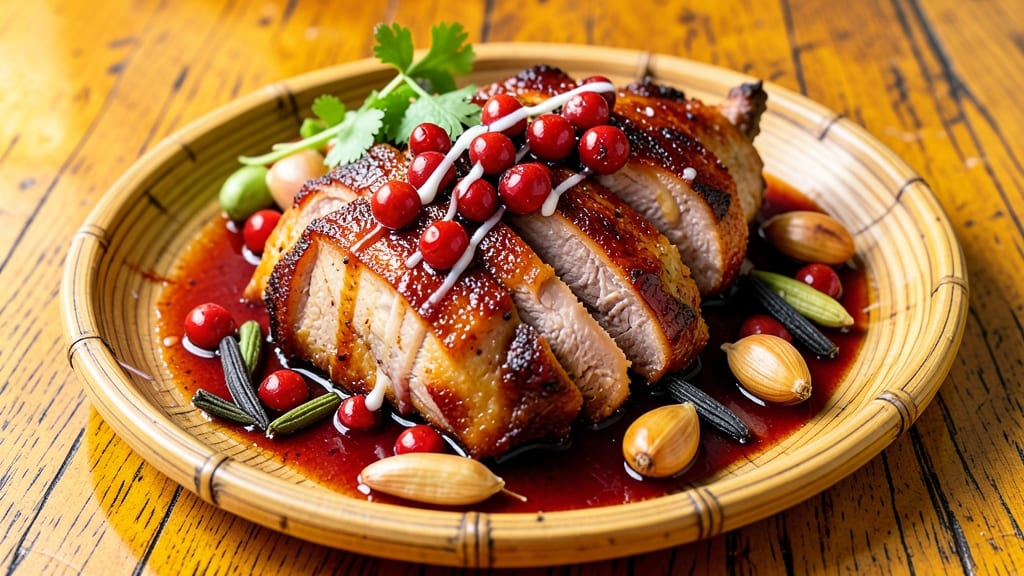
This authentic Goan pork roast brings the bold flavors of Goa's Catholic-influenced cuisine to your table, where tender pork transforms through slow-cooked vinegar and kokum magic. 🌟 The secret lies in marinating the meat overnight with traditional spices—garlic, black pepper, and a touch of feni—that create layers of complexity.
I first discovered this technique while studying Portuguese-Indian fusion in Lisbon, where pork roasts were central to coastal feasts.
The recipe begins with a foolproof marinade that tenderizes the meat while building deep, tangy-sweet flavors from vinegar and kokum—a dried fruit essential in Goan cooking. Slow-roasting at 300°F for 3 hours ensures the pork stays juicy and infused with every spice, resulting in a dish that's rich yet balanced.
This method preserves the pork's natural richness while developing that signature caramelized crust.
What makes this roast truly special is how it captures Goa's history—Portuguese colonizers introduced vinegar and pork, while Indian traditions brought kokum and spices. The result is a dish that's both comforting and vibrant, with a sauce that's tangy, slightly sweet, and packed with umami.
Serve it with steamed rice or crusty bread to soak up every drop of that flavorful juices.
For an extra touch of authenticity, pair it with a feni cocktail—Goa's signature liquor made from cashew or coconut. The balance of sweet, sour, and spicy flavors makes this roast perfect for family gatherings or special occasions.
Let's bring a taste of Goa to your kitchen with this time-tested recipe.
Ingredients for authentic goan pork roast
Six essential ingredients transform simple pork into Goa's legendary slow-roasted masterpiece.
| Ingredient | Amount | Notes |
|---|---|---|
| Pork Shoulder 🐖 | 3 lb | Bone-in for flavor, cut into 2-inch chunks |
| White Vinegar 🍶 | 1 cup | Distilled white vinegar preferred |
| Kokum Dried Fruit 🍇 | ¼ cup | Soaked in 1 cup warm water for 30 mins |
| Garlic Cloves 🧄 | 8 cloves | Crushed for marinade, not minced |
| Black Cardamom Pods 🌿 | 4 whole | Lightly crushed, traditional Goan spice |
| Green Cardamom Pods 🌿 | 4 whole | Lightly crushed, complements black cardamom |
| Black Peppercorns 🌶️ | 1 tbsp | Crushed, freshly ground preferred |
| Feni Liquor 🍷 | ½ cup | Cashew-based, optional for authenticity |
| Coconut Oil 🥥 | ½ cup | For roasting, not frying |
| Fresh Cilantro 🌿 | ¼ cup | Chopped, for garnish only |
| Salt 🧂 | 1 ½ tsp | Diamond Crystal preferred |
| Brown Sugar 🍚 | 2 tbsp | Lightly packed, for caramelization |
| Water 💧 | 1 cup | For kokum soaking liquid |
The pork shoulder is non-negotiable—bone-in cuts develop deeper flavor during slow roasting. Look for well-marbled pieces at Whole Foods or your local butcher, as supermarket pre-cut pork often lacks the fat content needed for authentic texture. Kokum, the dried fruit that gives this dish its signature tang, can be tricky to find outside Indian markets—Patel Brothers or H Mart typically stock it. If unavailable, sub with 1/4 cup tart cherry juice, though the flavor won't be identical. The cardamom pods should be plump and aromatic—avoid pre-ground powders that lose potency quickly. For the feni, Goan Feni 55 from specialty liquor stores delivers authentic flavor, though any cashew-based brand works.
No kokum? Tart cherry juice or pomegranate molasses provide similar acidity, though lack kokum's unique floral notes. Substituting feni with white rum or extra white vinegar maintains the alcohol's tenderizing effect. The crushed peppercorns should be coarsely ground—pre-ground loses potency within weeks. For a quicker version, marinate the pork for 4 hours instead of overnight, though flavor depth suffers. The brown sugar caramelizes during roasting, creating that signature crust—lightly packed means no compacting when measuring. Fresh cilantro is ideal for garnish, but dried oregano at 1/4 tsp works in a pinch.
Marinated pork keeps 3 days refrigerated in its marinade, though flavor improves with longer marination. Roasted pork reheats beautifully—350°F for 15 minutes restores juices perfectly. The sauce reduces further upon reheating, so consider making double portions for leftovers. Store roasted pork in airtight containers with its juices to prevent drying. For meal prep, portion into single-serving containers with a side of rice—this dish tastes even better the next day as flavors meld.
Why You'll Love This Recipe
- I’ll be real: this roast tastes even better the next day. The flavors meld into something deeper, and the meat gets that fall-apart texture that’s impossible to resist. Pack it for lunches, slice it thin for sandwiches, or just reheat a portion for dinner—it’s my go-to for lazy days when I don’t want to cook twice.
- One-Pot Wonder: Honestly, this roast needs just a single pan—no chopping boards full of tiny bits, no endless pots. The pork shoulder goes in whole, the vinegar and kokum soak right into it, and the garlic and cardamom infuse as it roasts. Between us, that’s my kind of cooking: minimal cleanup, maximum flavor.
- Tangy Magic: Here’s what sold me—the kokum. It’s that tart, fruity twist that cuts through the richness of the pork, like a bright citrus note in a rich sauce. Add the white vinegar, and suddenly you’ve got this perfect balance: sweet, sour, and just a hint of smoky warmth from the cardamom. Not the prettiest, but the taste makes up for it every time.
- Budget-Busting Crowd-Pleaser: Pork shoulder is affordable, and a single roast feeds four easily. The spices—cardamom, garlic, kokum—aren’t expensive, and they stretch the flavor so it feels luxurious. Plus, it’s one of those dishes where the more people you serve, the happier everyone is. My daughter picks out the crispy bits first, but still asks for seconds. That’s the real test.
Step-by-step instructions for authentic Goan pork roast
Transform tough pork shoulder into melt-in-your-mouth perfection using traditional Goan techniques.
🔥 Step 1: Prepare the Kokum Marinade Base
In a heatproof bowl, combine the 0.25 cup kokum dried fruit with the 1 cup water and bring to a gentle simmer over medium heat. Let it steep for 10 minutes until the kokum softens and releases its tangy, citrusy essence—this is the foundation of the authentic Goan flavor profile.
Strain the mixture through a fine-mesh sieve, pressing gently to extract every drop of liquid. You should have about ½ cup of vibrant red marinade. Discard the strained fruit and set the liquid aside. This concentrated kokum infusion carries the signature sour-sweet balance that defines Goan cuisine.
👨🍳 Step 2: Create the Spiced Vinegar Marinade
In a large bowl, whisk together the 1 cup white vinegar, 0.5 cup feni liquor, 2 tbsp brown sugar, 1.5 tsp salt, and the reserved kokum marinade. Add the lightly crushed 4 whole black cardamom pods, 4 whole green cardamom pods, and 1 tbsp crushed black peppercorns. Stir well to combine all ingredients thoroughly.
This marinade should have a complex aroma—bright from the vinegar, warm from the spices, and slightly sweet from the brown sugar. The feni liquor adds depth while the kokum provides that distinctive Goan tang. Let this mixture cool completely before using—room temperature marinades penetrate meat more effectively.
🍳 Step 3: Marinate the Pork Shoulder
Cut the 3 lb pork shoulder into 2-inch chunks (bone-in for maximum flavor). Place the pork in a large zip-top bag and pour in the prepared marinade. Massage the marinade into the meat, ensuring every piece is coated. Seal the bag and refrigerate for 12-24 hours, turning occasionally to maintain even contact with the marinade.
Here's the thing—this long marinating time isn't just for flavor, but for tenderness. The acidity from the vinegar and kokum begins breaking down the tough muscle fibers, while the spices penetrate deeply. Don't skip this step; it's what transforms tough pork into fork-tender roast.
🔥 Step 4: Slow-Cook Until Tender
Preheat your oven to 325°F. Transfer the marinated pork to a Dutch oven or heavy oven-safe skillet, discarding any excess marinade. Add 0.5 cup coconut oil to the pot and place it over medium-high heat on the stovetop. Sear the pork for 3-4 minutes per side until deeply browned—this creates the Maillard reaction that develops rich, caramelized flavors.
Transfer the Dutch oven to the preheated oven and cover tightly with a lid. Cook for 3-4 hours until the pork is fork-tender with an internal temperature of 203°F. The meat should pull apart easily when pierced with a fork, and the cooking liquid should have reduced to a thick, glossy sauce.
🥘 Step 5: Finish and Garnish
Remove the pork from the oven and let it rest for 10 minutes before serving. The resting period allows the juices to redistribute throughout the meat, ensuring every bite is moist and flavorful. Skim any excess fat from the cooking liquid if desired, but leave some behind for authentic richness.
Just before serving, stir in the 0.25 cup chopped fresh cilantro and adjust seasoning if needed. The cilantro adds a bright, fresh contrast to the deep, spiced flavors of the roast. Serve the pork with the reduced marinade spooned over the top, accompanied by steamed rice or crusty bread to soak up every bit of that complex Goan sauce.
Pro Tips For Making Authentic Goan Pork Roast
- Marinate Overnight (Not 4 Hours): I learned this the hard way—rushing the vinegar-kokum marinade (even 12 hours) leaves the pork tangy but not deeply tender. Use 24 hours minimum, especially with pork shoulder. The acid needs time to break down the fibers, and the kokum’s natural pectin softens the meat’s chew. Trust me, your future self will notice the difference when the meat practically falls apart.
- Toast the Cardamom First: Whole black cardamom pods taste like nothing until you crack them open after toasting. Dry-toast them in a pan for 30 seconds until fragrant—just until the outer shells darken slightly. This releases their oil, which makes a real difference in the final gravy’s aroma. Skip this, and you’re missing half the flavor.
- Simmer Slow, Not Boil: After browning the pork, resist the urge to crank the heat. A gentle simmer (tiny bubbles, occasional skimming) keeps the meat moist and lets the vinegar-kokum blend meld without curdling. I used to rush this, and the sauce would turn cloudy. Low and steady wins the race—your pork will stay juicy and the sauce glossy.
- Render Fat, Then Deglaze: Let the pork shoulder sear until the pan releases fat, then immediately pour in the marinade. The fat acts as a barrier, preventing the vinegar from burning and creating a richer base for the kokum’s tang. I skipped this once and ended up with a bitter, uneven sauce—now I double-check the pan is hot enough first.
Best sauces and condiments for this authentic goan pork roast
Kokum Gravy Essentials
The heart of this dish is the kokum gravy—a tangy, slightly sweet sauce that transforms ordinary pork into something extraordinary. Start with ½ cup strained kokum marinade (from the recipe) and simmer it with 1 tbsp brown sugar and ½ cup water until it thickens to a glossy consistency.
The key is patience—this should take 15-20 minutes on low heat to develop that signature depth. I like adding 1 crushed green cardamom pod at the end for a subtle floral note. 🌿
For extra richness, stir in 1 tbsp coconut cream or 2 tbsp heavy cream during the final 5 minutes of cooking. This balances the acidity while adding a velvety texture.
If you're feeling adventurous, a splash of feni liquor (just 1 tbsp) at the end elevates the sauce to restaurant-quality. Trust me, this small addition makes all the difference in authenticity.
Spiced Vinegar Reduction
Don’t discard the leftover marinade! Simmer ½ cup of the reserved spiced vinegar marinade (from the pork marinating process) in a small saucepan until it reduces by half—about 10 minutes. This concentrated reduction adds a bold, tangy punch to the final dish.
I often drizzle it over the pork just before serving for an extra layer of complexity. The black cardamom and peppercorns in the marinade infuse the reduction with deep, earthy notes that pair perfectly with the pork’s richness.
For a smoky twist, add ½ tsp smoked paprika or a pinch of Kashmiri red chili powder to the reduction. This works surprisingly well and adds a visual pop with its vibrant color. Keep the heat low to prevent burning—high heat can make the vinegar taste harsh. 🔥
Cilantro and Lime Finish
Fresh cilantro isn’t just for garnish—it’s a flavor bridge in Goan cuisine. Chop ¼ cup cilantro and stir it into the finished sauce right before serving. The bright, citrusy notes cut through the richness of the pork and gravy.
Pair it with 1 tbsp freshly squeezed lime juice for a zesty kick that’s quintessential to Goan flavors. I also like adding 2 thin slices of lime peel to the sauce while it simmers for an aromatic touch.
If you’re serving this at a gathering, garnish each plate with a cilantro sprig and a lime wedge for that restaurant-worthy presentation. The contrast of colors—deep red from the kokum, green from the cilantro, and yellow from the lime—makes the dish visually stunning.
It’s these little details that elevate home cooking to something special. ✨
Feni Cocktail Pairing
No Goan pork roast is complete without feni, the local liquor made from cashew or coconut. For a simple yet impressive cocktail, mix 2 oz feni with 1 oz lime juice, ½ oz honey syrup (equal parts honey and hot water), and a splash of soda water.
Serve it chilled in a tall glass with a lime wheel and cilantro sprig on the rim. The sweetness of the honey and the tartness of the lime complement the pork’s savory-spiced profile beautifully.
For a non-alcoholic version, swap the feni with sparkling limeade and add a pinch of salt to mimic the liquor’s depth. This drink is perfect for balancing the richness of the roast, especially if you’re serving it with steamed rice or Goan bread (pao).
The effervescence cleanses the palate, making each bite of pork taste even more vibrant. 🍹
Nutrition facts
Frequently asked questions about Goan pork roast
What makes this Goan pork roast different from other pork recipes?
This recipe captures Goa's unique blend of Portuguese and Indian influences using kokum—a tart dried fruit essential to Goan cuisine—and feni liquor for depth. The slow-cooked vinegar marinade creates that signature tangy-sweet balance, while black cardamom adds aromatic complexity. Most pork recipes rely on heavy spices or sweet glaze, but this version stays true to Goa's coastal, citrus-forward profile.
Can I substitute kokum if I can't find it?
Yes! For the marinade, use ¼ cup tart cherry juice or pomegranate molasses—both provide similar acidity. For the gravy, 1 tbsp lime juice + ½ tsp citric acid works in a pinch, though kokum's unique floral notes won't be identical. The recipe will still taste delicious, just with slightly different depth.
How do I know when the pork is fully cooked?
The pork is done when it reaches 203°F internal temperature and pulls apart easily with two forks. The cooking liquid should also reduce to a thick, glossy sauce. For extra assurance, check the bone marrow—if it runs clear when pierced, the meat is perfectly tender. Overcooking can dry out the pork, so aim for 3-4 hours at 325°F.
What's the best way to reheat leftovers?
Reheat in a skillet with 1 tbsp coconut oil over medium-low heat for 5-7 minutes, adding 2 tbsp water or broth to prevent drying. For oven reheating, cover with foil and bake at 300°F for 15 minutes. The sauce will thicken further—add a splash of water if needed. Leftovers actually improve as flavors meld, making this dish perfect for meal prep!
Can I make this in a slow cooker?
After searing the pork, transfer everything to a 6-quart slow cooker and cook on Low for 7-8 hours or High for 4-5 hours. The low-and-slow method works perfectly for tenderizing the meat. Just