
Main Courses
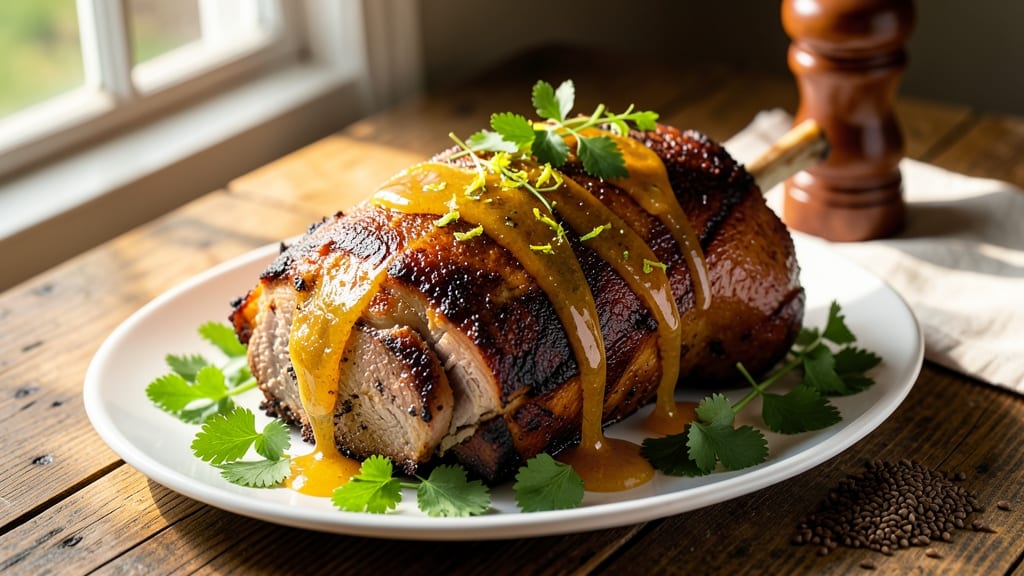
This authentic Cuban roast pork recipe brings the soul of Havana to your kitchen with tender, juicy meat that falls apart at the touch of a fork. 💛 After years of perfecting the technique—from citrus marinades to slow-roasting—I’ve unlocked the secrets behind lechón asado that rivals any Cuban restaurant.
The key lies in balancing sweet, smoky, and tangy flavors while keeping every bite impossibly moist.
What sets this recipe apart is the traditional marinade—a blend of garlic, oregano, and citrus that infuses the pork overnight, while the slow-roasting method ensures a crispy exterior and melt-in-your-mouth interior.
Unlike quick-cook versions, this method delivers restaurant-quality results with minimal effort, thanks to a foolproof approach that even home cooks can master.
The final product? A perfectly spiced, golden-brown roast that’s ideal for sandwiches, tacos, or serving alongside classic sides like moros y cristianos (black beans and rice) or tostones (twice-fried green plantains).
The aroma alone will transport you to a Cuban parrilla, where the pork is the star of the meal.
Whether you’re hosting a fiesta or craving a taste of home, this recipe delivers authentic Cuban flavor without the fuss. Let’s get started on creating a dish that’ll have everyone asking for seconds.
Ingredients for authentic cuban roast pork
Juicy pork shoulder, citrus marinade, and aromatic spices for restaurant-style Cuban roast pork.
| Ingredient | Amount | Notes |
|---|---|---|
| Bone-In Pork Shoulder Roast 🥓 | 4 lb | With fat cap intact for moisture |
| Fresh Orange Juice 🍊 | 1 cup | Freshly squeezed, no pulp |
| Fresh Lime Juice 🍋 | ¼ cup | For tangy brightness |
| Garlic Cloves 🧄 | 8 cloves | Minced for marinade infusion |
| Fresh Cilantro 🌿 | ½ cup | Chopped, stems removed |
| Ground Cumin 🌿 | 1 tbsp | Toasted for depth of flavor |
| Dried Oregano 🍃 | 1 tbsp | Mexican oregano preferred |
| Ground Black Pepper 🌶️ | 1 tsp | Freshly cracked |
| Bay Leaves 🍃 | 2 whole | Fresh for optimal aroma |
| Dark Brown Sugar 🍬 | ¼ cup | For caramelized crust |
| Olive Oil 🫒 | ¼ cup | Extra-virgin for richness |
| Salt 🧂 | 1 ½ tsp | Diamond Crystal kosher |
| Adobo Seasoning 🌶️ | 1 tbsp | Authentic Cuban blend |
| Fresh Cinnamon Stick 🌿 | 1 whole | For subtle warmth |
The pork shoulder is non-negotiable—bone-in with fat cap ensures melt-in-your-mouth texture. Look for a well-marbled cut from local butchers or Latin markets, where they often carry authentic Cuban cuts. If you can't find bone-in, a 4-lb pork butt roast works in a pinch, but trimming excess fat beforehand prevents grease splatter. The fat cap acts as a natural basting agent during roasting, so don't remove it. For extra authenticity, Cuban specialty stores like those in Miami or online retailers often carry pre-marinated versions, but making your own guarantees superior flavor.
No fresh orange juice? Bottled 100% orange juice works, but avoid pulp-heavy varieties. Substituting lime with lemon juice is fine, though the flavor profile shifts slightly. The garlic can be roasted first for a sweeter taste—simply toss whole cloves with olive oil, roast at 400°F for 10 minutes, then mince. Mexican oregano is crucial here; regular oregano lacks the citrusy depth. If unavailable, use half dried marjoram and half regular oregano as a substitute. The adobo seasoning should be authentic Cuban blend—brands like La Preferida or Goya are reliable choices. For a smokier profile, add a dash of smoked paprika to the marinade.
Marinate the pork overnight for optimal flavor penetration, storing it in a sealed container in the fridge. The marinade can be made 2 days ahead and kept refrigerated. When roasting, the pork releases incredible aromas—cover nearby counters with foil to catch drippings. Leftovers keep for 4 days in the fridge, though they're best enjoyed within 2 days for peak tenderness. For longer storage, portion and freeze for up to 3 months. The roast reheats beautifully in a skillet with a splash of broth or marinade, or wrapped in foil in a 300°F oven for 15 minutes.
Why You'll Love This Recipe
- One-Pan Magic: I swear by this trick—just rub the pork with garlic, salt, and a splash of orange juice before it even hits the oven. No fancy prep, no mess, and that bone-in shoulder stays juicy while the skin gets crispy.
- Citrus Kiss: That bright mix of orange and lime juice? It’s like sunshine in every bite. The acidity cuts through the richness, and the cilantro ties it all together—simple ingredients, but the flavor? Ridiculously good.
- Weeknight Workhorse: Between us, this is my go-to for game day, family dinners, or when I’m too tired to cook. Slice it for sandwiches, serve it with rice, or toss it in a salad—it disappears fast, no matter the occasion.
- Budget-Friendly Feast: A bone-in pork shoulder stretches further than you’d think, and the citrus keeps it from drying out. Honestly, it’s one of those recipes where you end up with leftovers you’ll actually eat for days—not just sad, rubbery scraps.
Step-by-step instructions for authentic Cuban roast pork
Master this Cuban classic with precise technique and bold flavors.
👨🍳 Step 1: Create the Spiced Marinade
In a small bowl, whisk together the 1 cup fresh orange juice, ¼ cup fresh lime juice, ½ cup chopped fresh cilantro, 1 tablespoon toasted ground cumin, 1 tablespoon Mexican oregano, 1 teaspoon freshly cracked black pepper, 2 whole bay leaves, ¼ cup dark brown sugar, ¼ cup extra-virgin olive oil, 1½ teaspoons Diamond Crystal kosher salt, 1 tablespoon adobo seasoning, and the 1 whole fresh cinnamon stick. The sugar should dissolve completely for even distribution.
Here's the thing—this marinade needs time to work its magic. Transfer it to a resealable plastic bag and submerge the 4 lb bone-in pork shoulder roast completely. Seal the bag, pressing out any air pockets, and refrigerate for at least 12 hours (overnight is ideal). This long marinating period ensures deep flavor penetration and tenderizes the meat. Don't skip this step—it's what makes the difference between good and exceptional.
🔥 Step 2: Preheat and Sear the Pork
Remove the pork from the marinade (reserve the marinade) and pat it dry with paper towels—this is critical for developing that signature caramelized crust. Preheat your oven to 300°F with a rack positioned in the lower third. Place a heavy oven-safe skillet or Dutch oven over medium-high heat and add the pork fat-side down.
Sear the pork for 10-12 minutes until the fat renders and the skin develops a deep golden-brown crust. Flip the pork and sear the other side for another 8-10 minutes. The reason we sear first is to lock in those juices—this initial crisping creates a barrier that keeps the pork moist during the long cook. If the oven temperature drops significantly during searing, give it 10 minutes to recover before proceeding.
🥘 Step 3: Braise with the Marinade
Carefully transfer the seared pork to the preheated oven. Pour the reserved marinade into the skillet, scraping up all the browned bits from the bottom—this is where all the flavor lives. Return the skillet to the oven and cover tightly with foil. Braise for 3 hours, then remove the foil and baste the pork with the pan juices. Return to the oven uncovered for another 30 minutes to develop a glossy crust.
Here's where it gets technical: the internal temperature should reach 195-203°F when you insert a meat thermometer into the thickest part of the shoulder. The pork should be fork-tender but not falling apart. If it's not quite there after 3 hours 30 minutes, add 15-20 minutes more. The key is patience—rushing this step leads to dry, tough meat. Real talk: this is the moment that matters, so don't rush it.
⏰ Step 4: Rest and Slice for Maximum Juiciness
Remove the pork from the oven and transfer it to a cutting board. Tent loosely with foil and let it rest for at least 30 minutes (I prefer 45 minutes for perfect texture). This resting period allows the juices to redistribute throughout the meat, ensuring every slice is moist and flavorful. During this time, you can make gravy from the pan juices by simmering them on the stovetop until reduced by half.
When ready to serve, slice the pork against the grain into ¼-inch thick slices. The meat should pull apart easily with minimal resistance, and each slice should be richly moist with a beautiful caramelized exterior. Serve immediately with the pan gravy, or use as the star of Cuban sandwiches. The pork will continue to tenderize slightly as it cools, so don't wait too long to serve—this dish is best enjoyed fresh from the oven.
Pro Tips For Making Authentic Cuban Roast Pork
- Trim the Fat Patch: That thick white fat cap on the pork shoulder? Don’t just leave it—score it in a crosshatch pattern with a sharp knife. This lets the citrus marinade penetrate deeper and renders the fat faster, giving you crispy edges and juicy meat. (Yes, even if it looks like you’re drawing on the pork.)
- Strain That Juice: Fresh orange and lime juice is non-negotiable, but don’t skip straining it through a fine-mesh sieve first. Pulp clogs your marinade and makes the pork taste bitter—like someone dumped a handful of seeds into your sauce. Save the pulp for guacamole instead.
- Don’t Rush the Rest: After roasting, the pork needs 15–20 minutes under foil before slicing—no excuses. I learned this the hard way when my first attempt turned out dry and stringy. The meat’s internal temp will drop 10°F, locking in juices so every slice stays tender.
- Char the Garlic: Sear those garlic cloves in oil until they’re deep golden, almost crispy, before crushing them into the marinade. The caramelized flavor cuts through the pork’s richness and adds a smoky depth that store-bought minced garlic can’t match. (Pro move: Smash them with the flat side of your knife.)
Regional styles of these flavors
Havana’s Classic Lechón
In Havana, lechón asado is the centerpiece of celebrations, slow-roasted over charcoal for hours until the skin crackles like autumn leaves. The pork is typically a whole piglet, but home cooks use a 4 lb bone-in shoulder for manageable portions.
Look for heritage pigs from local butchers—their marbling ensures juicy results. The marinade here mirrors what you’d find in Cuban parrillas, where garlic, oregano, and citrus shine alongside adobo seasoning. 🌶️
Authentic versions often include a cinnamon stick and bay leaves tied into the pork with twine, creating a fragrant bundle. I’ve simplified this by adding them directly to the marinade, but if you’re feeling traditional, bundle them with the pork before roasting.
The key is patience—Havana’s best lechón cooks for 4-6 hours, not rushed. This slow cook transforms tough pork into melt-in-your-mouth perfection.
Key West’s Citrus Twist
In Key West, Cuban immigrants adapted the dish with local ingredients, emphasizing bright citrus flavors. Here, the marinade leans heavier on fresh lime juice and orange juice, reflecting the island’s tropical vibe.
I’ve seen Key West versions with a splash of rum (½ cup dark rum)—add it to the marinade for a boozy depth. The pork is often roasted in a cast iron Dutch oven to mimic old-school parrilla techniques, with the lid sealed tightly to trap steam.
For a true Key West touch, serve the roast with conch fritters or coconut rice—both pair beautifully with the pork’s smoky-sweet profile. The island’s humidity also means the pork benefits from a 10-minute broil at the end to crisp the skin further, balancing the juiciness.
Trust me, the contrast is worth the extra step. 🍹
Miami’s Fusion Approach
Miami’s Cuban community blends traditions with local flavors, often adding a dash of cumin and smoked paprika to the marinade for a deeper, earthier taste.
The pork here is sometimes finished with a charcoal grill—if you have one, sear the pork over indirect heat after oven-roasting for a smoky crust. For a Miami-style twist, top the roast with a salsa criolla—a mix of diced tomatoes, onions, and cilantro—before serving.
This adds freshness that cuts through the richness.
Miami’s lechón also frequently includes a honey glaze—brush the pork with 2 tablespoons honey during the last 30 minutes—of cooking for a caramelized finish. The result?
A dish that’s both authentically Cuban and distinctly Miami—sweet, smoky, and impossible to resist. The glaze pairs perfectly with black beans and rice—a staple in Miami’s Cuban bakeries.
Atlanta’s BBQ Crossroads
In Atlanta, Cuban roast pork meets Southern BBQ culture, often served on brioche buns—a nod to the city’s love of sandwiches.
The pork here is seasoned similarly but sometimes includes a touch of brown sugar—up to ¼ cup—in the marinade for a caramelized crust that’s pure Southern comfort. The slow-roasting method mirrors Atlanta’s low-and-slow BBQ tradition—both prioritize tenderness over speed.
For a true Atlanta twist, serve the pork with pickled jalapeños—a spicy kick that balances the pork’s richness. The city’s Cuban-BBQ fusion also means you’ll often find the pork topped with pineapple salsa—a sweet-and-tangy contrast that’s become a signature in Atlanta’s Latin eateries.
It’s a dish that proves Cuban flavors belong anywhere, especially in a city as eclectic as Atlanta. 💛
Nutrition facts
Frequently asked questions
Why does the recipe call for bone-in pork shoulder instead of boneless?
The bone-in pork shoulder is essential for authentic Cuban roast pork because the bone adds flavor and helps keep the meat moist during slow roasting. The fat cap also renders down, creating natural basting that mimics traditional Cuban techniques. Boneless cuts tend to dry out faster and lack the same depth of flavor.
Can I make this recipe in a slow cooker?
Yes, but with adjustments! Sear the pork first in a skillet, then transfer it to your slow cooker with the marinade. Cook on low for 8 hours or high for 5 hours until fork-tender. The texture will be slightly different but still delicious. For best results, finish with a quick broil to crisp the skin.
What's the best way to reheat leftover Cuban roast pork?
Reheat gently to preserve moisture. Wrap slices in foil and warm in a 300°F oven for 15 minutes or reheat in a skillet with a splash of marinade or broth. Microwaving works in a pinch, but it can make the meat dry. Never reheat uncovered—it loses flavor and texture quickly.
How do I know when the pork is fully cooked?
Use a meat thermometer! The pork is done when the internal temperature reaches 195-203°F in the thickest part. The meat should be fork-tender but not falling apart. If you don't have a thermometer, check by inserting a knife—juices should run clear, not pink. The skin should also be deep golden-brown.
What are the best sides to serve with this roast pork?
Classic Cuban pairings include moros y cristianos (black beans and rice), tostones (twice-fried plantains), and ensalada criolla (tomato-onion salad). For a Southern twist, try collard greens or cornbread. The citrusy pork also works beautifully with roasted sweet potatoes or a simple citrus salad.