
Sauces & Condiments
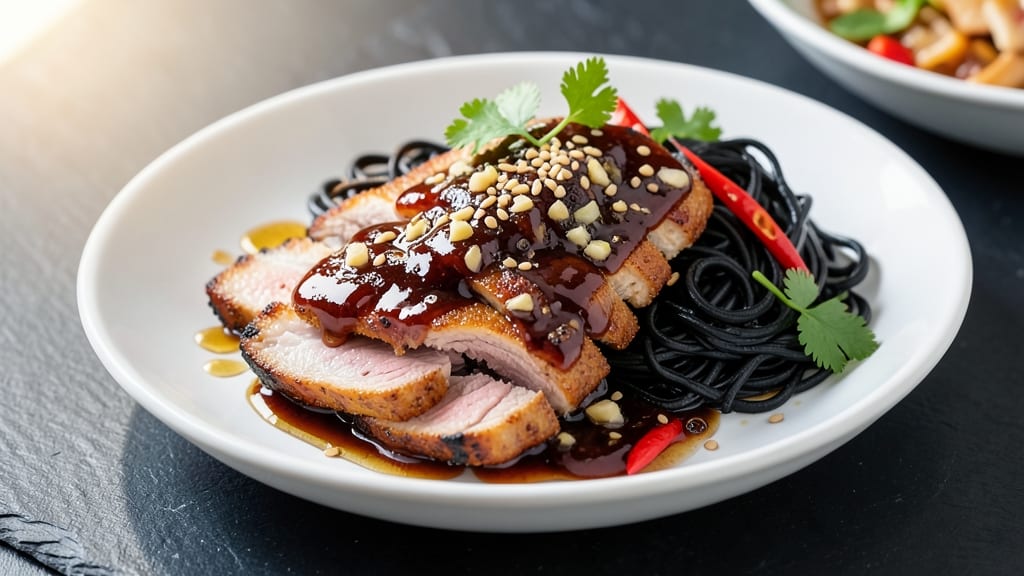
This Asian pork sauce recipe transforms simple stir-fries into restaurant-worthy meals with just a few pantry staples. The perfect balance of sweet, savory, and umami comes from simmering soy sauce, hoisin, honey, and aromatic garlic until thick and glossy.
I developed this sauce after years of testing—it's the one I reach for whenever I need that signature Asian restaurant flavor at home.
The secret lies in the reduction process, where the sauce develops depth and intensity while maintaining its natural sweetness. You'll need just 15 minutes of active time, but the flavors continue to meld as it cools, making it even better after resting.
This versatile sauce works as a glaze for grilled pork, a dipping sauce for spring rolls, or a stir-fry finishing touch.
What sets this recipe apart is its simplicity—no complicated techniques, just a foolproof method that delivers professional results. The sauce keeps well in the fridge for up to two weeks, so you can make a big batch and use it throughout the week.
Whether you're cooking for a crowd or just treating yourself to takeout-quality flavors, this sauce will elevate every dish.
The key ingredients—soy sauce, hoisin, honey, and vinegar—create a harmonious blend that's both familiar and exciting. The garlic adds a subtle punch, while the reduction process concentrates the flavors into a thick, glossy sauce that clings beautifully to meat and vegetables. Let's get started on creating this versatile, flavor-packed sauce!
Ingredients for asian pork sauce
Nine pantry staples transform into restaurant-quality Asian pork sauce with just 15 minutes of simmering.
| Ingredient | Amount | Notes |
|---|---|---|
| Soy Sauce 🍶 | ½ cup | Use light or dark soy for balance |
| Hoisin Sauce 🍶 | ¼ cup | Thick, sweet-savory Chinese condiment |
| Honey 🍯 | ¼ cup | Wildflower or clover preferred |
| Rice Vinegar 🍶 | ¼ cup | White or seasoned variety |
| Garlic Cloves 🧄 | 6 cloves | Minced for aromatic depth |
| Ginger Root 🌿 | 1 tbsp | Freshly grated, not powdered |
| Sesame Oil 🫒 | 1 tbsp | Toasted for nutty aroma |
| Cornstarch 🌾 | 1 tsp | For thickening consistency |
| Water 💧 | ¼ cup | Room temperature preferred |
| Red Pepper Flakes 🌶️ | ½ tsp | Optional for subtle heat |
The soy sauce and hoisin form the sauce's backbone—Kikkoman soy sauce and Lee Kum Kee hoisin are my go-tos, but any quality brands work. Honey should be wildflower or clover for balanced sweetness; avoid overly processed varieties. Garlic and ginger are non-negotiable for that authentic aroma—freshly minced makes all the difference. If you're buying whole ginger, peel and grate it yourself; powdered lacks the depth. For sesame oil, Kadoya or La Choy toasted varieties add the perfect nutty finish without overpowering.
No hoisin? Substitute 1 tbsp soy sauce plus 1 tsp brown sugar—it won't be identical, but it works in a pinch. Running low on honey? Maple syrup or agave nectar (1:1 ratio) keeps the sweetness balanced. Vinegar substitutes? Apple cider vinegar works, but rice vinegar's mild sweetness is ideal. The cornstarch is crucial for that glossy, clingy texture—arrowroot powder works too, but cornstarch is more stable. For extra umami, add 1 tsp fish sauce (if not vegetarian) or 1 tbsp mushroom powder.
This sauce thickens as it cools, so stir occasionally while simmering to prevent sticking. Store in a glass jar in the fridge for up to 2 weeks—the flavors actually improve overnight. For longer storage, freeze in ice cube trays and transfer to a bag; thaw as needed. Double the batch—it disappears fast when grilling pork chops or tossing with stir-fried veggies. The red pepper flakes? Add them last if you want heat, or omit entirely for a milder sauce.
Why You'll Love This Recipe
- Pantry Magic: I swear by this sauce—no fresh herbs, no fancy gadgets, just five things you probably already have. The hoisin and soy sauce do all the heavy lifting while the honey cuts through the saltiness like a dream.
- Sweet-Savory Balance: That first bite? Chef’s kiss. The garlic sizzles into fragrant bits, the rice vinegar brightens everything, and the honey makes it irresistibly sticky. It’s the kind of flavor that lingers—like a good memory.
- Lazy Meal Hero: Drizzle it over rice, toss it with noodles, or slather it on grilled chicken. I’ve even used it in tacos (yes, really) and it never lets me down. One jar of sauce, endless possibilities.
- Budget Stretch: A little goes a long way—this makes enough for leftovers, and it keeps for weeks. Honestly, I’ve had this sauce last me through three dinners because it’s just so dang versatile. My wallet thanks me.
Step-by-step instructions for Asian pork sauce
Here's how to create a perfectly balanced sauce that's ideal for stir-fries, dipping, or glazing.
Prepare the Aromatic Base
In a medium saucepan, combine the 6 cloves garlic cloves (minced) and 1 tablespoon ginger root (freshly grated). Heat over medium-low heat for 2-3 minutes until fragrant but not browned. This gentle cooking releases their full flavor without bitterness.
I like to use a wide saucepan here—it gives the aromatics room to sizzle without steaming. If you see any moisture forming, reduce the heat slightly. The goal is to wake up these flavors, not cook them into oblivion. You'll know it's ready when your kitchen smells like a bustling Asian street market.
Add Wet Ingredients and Simmer
Pour in the 0.5 cup soy sauce, 0.25 cup hoisin sauce, 0.25 cup honey, and 0.25 cup rice vinegar. Stir well to combine, then increase heat to medium-high until the mixture reaches a gentle boil. Once boiling, reduce heat to medium and let it simmer uncovered for 5-7 minutes.
This simmering time is crucial—it allows the flavors to meld while reducing the sauce slightly. You'll see the mixture bubble vigorously at first, then settle into a steady simmer. The sauce should reduce by about 20% by volume, becoming thicker and more concentrated. If it reduces too quickly, add 1-2 tablespoons of water to maintain balance.
Thicken the Sauce
In a small bowl, whisk together the 1 teaspoon cornstarch with the 0.25 cup water until completely dissolved. This creates a smooth slurry that will thicken your sauce beautifully. Pour it into the simmering sauce while stirring constantly.
Let the sauce cook for another 2-3 minutes until it reaches your desired consistency. You're looking for a glossy, coatable texture—not too thick, not too thin. If it's still too thin, you can add another ½ teaspoon cornstarch mixed with 1 teaspoon water and cook for another minute. The sauce should coat the back of a spoon but still be pourable.
Finish with Oil and Seasoning
Remove the sauce from heat and stir in the 1 tablespoon sesame oil and 0.5 teaspoon red pepper flakes. The sesame oil adds a nutty depth that ties everything together, while the red pepper flakes provide just a hint of heat. Let the sauce sit off heat for 5 minutes to allow all the flavors to fully meld.
Here's the thing—this sauce tastes even better after it's had a chance to rest. The flavors continue developing as it cools slightly. Taste and adjust seasoning if needed—you might want to add a touch more soy sauce for saltiness or honey for sweetness. The perfect balance should be sweet, salty, tangy, and just slightly spicy with a nutty finish.
Pro Tips For Making Asian Pork Sauce
- Bloom the Garlic First: Toss minced garlic into the pan with a splash of water or oil before adding pork—this softens it faster and prevents that bitter, overcooked taste. I used to burn it every time until I realized garlic needs a head start, especially when you’re also balancing soy and honey.
- Simmer, Don’t Boil: Keep the sauce at a gentle bubble—just enough to see tiny ripples—so the honey doesn’t turn grainy or the hoisin separate. After three batches of lumpy sauce, I learned to lower the heat once everything’s combined. Too aggressive, and you’ll regret it when the sauce looks like glue.
- Balance the Vinegar Last: Add rice vinegar after the sauce has thickened slightly, then taste and adjust—it’s the acidity that makes or breaks the flavor. I used to dump it all in early and end up with something too sharp. A little at a time lets you dial it in perfectly.
- Use Real Hoisin, Not Substitutes: Store-bought hoisin is fine, but if you’re using a mix of soy and sweet chili sauce, add a teaspoon of sesame oil for depth. I skipped it once and the sauce tasted flat—like someone forgot the soul. Sesame oil’s the shortcut that actually upgrades the flavor.
Serving suggestions for this recipe
Stir-Fry Finishing Touch
Use this sauce as the ultimate stir-fry glaze by tossing it with 1 tablespoon sesame oil and 2 tablespoons vegetable oil in a hot wok. Add your protein and veggies first, then pour the sauce over them in the final 2 minutes of cooking.
The high heat creates beautiful caramelized edges while keeping the sauce glossy. I love this technique with thinly sliced pork belly or chicken thighs—the sauce clings perfectly. 🔥
Dipping Sauce Perfection
Serve this sauce warm in a small bowl with spring rolls, egg rolls, or fried dumplings for an instant takeout vibe. The thick, sticky consistency makes it ideal for dipping—just enough sauce to coat each bite without making it soggy.
For extra presentation, drizzle with toasted sesame seeds and serve with sliced cucumbers or radishes on the side.
Grilled Pork Glaze
Brush this sauce generously over pork tenderloin or ribs during the last 10-15 minutes of grilling. The high heat caramelizes the sugars, creating a beautiful glossy crust.
I recommend grilling over indirect heat at 350°F to prevent burning while letting the sauce develop depth. Finish with a sprinkle of fresh cilantro for brightness.
Rice Bowl Elevator
Transform simple rice bowls into gourmet meals by drizzling this sauce over steamed jasmine rice with grilled pork, steamed broccoli, and sliced green onions. The sauce's sweet-savory balance complements the rice perfectly.
For extra richness, add a spoonful of peanut butter to the sauce before serving—it sounds odd, but trust me, it works like magic. ✨
Spring Roll Dip
For a showstopping appetizer, serve this warm sauce in a small crockpot or rice cooker with spring rolls arranged around it. The gentle heat keeps the sauce warm and gooey, perfect for dipping.
Garnish with chopped scallions and sesame seeds for color contrast. This setup is perfect for game day or family gatherings.
Marinade Magic
Use half of this sauce as a marinade for pork chops or loin slices—just coat them and let sit for 30-60 minutes before cooking. The sauce's acidity and sweetness tenderize the meat while infusing flavor.
I like to grill the marinated pork, then brush with fresh sauce during the last minute for extra shine. The result? Juicy, flavorful pork with that signature restaurant-quality glaze. 💫
Nutrition facts
Frequently asked questions
Can I make this sauce without hoisin?
Yes! Substitute 1 tablespoon soy sauce plus 1 teaspoon brown sugar for the 0.25 cup hoisin. While it won't be identical, the sauce will still have that sweet-savory balance. For extra depth, add ½ teaspoon oyster sauce if you have it on hand. The texture may be slightly thinner, but it works beautifully for glazing or dipping.
How do I adjust the sweetness or spice level?
For less sweetness, reduce the honey to 2 tablespoons and add 1 extra teaspoon soy sauce for saltiness. To increase spice, add ½ teaspoon more red pepper flakes or a pinch of cayenne. For heat lovers, stir in 1 teaspoon chili garlic sauce at the end. Always taste as you go—flavors meld differently based on your ingredients!
Can I use this sauce on chicken or tofu instead of pork?
This versatile sauce works perfectly with chicken thighs, tofu, or shrimp. For chicken, marinate for 20-30 minutes before grilling or baking. With tofu, use it as a glaze after pressing and pan-frying. The sauce's sweet-savory profile complements all these proteins beautifully. Just reduce marinating time for delicate fish to 10-15 minutes.
Why did my sauce turn out too thin?
This usually happens if you didn't simmer long enough or the cornstarch didn't dissolve properly. For future batches, whisk the cornstarch slurry vigorously until smooth, then stir constantly while cooking. If it's still too thin, mix ½ teaspoon more cornstarch with 1 teaspoon water and cook for another 1-2 minutes. The sauce should coat the back of a spoon but still be pourable.
How long will this sauce keep in the fridge?
Store in an airtight glass jar in the refrigerator for up to 2 weeks. The flavors actually improve as they meld! For longer storage, freeze in ice cube trays and transfer to a freezer bag. Thaw overnight in the fridge—never at room temperature. The sauce may thicken further when refrigerated, so stir well before using.