
Main Courses
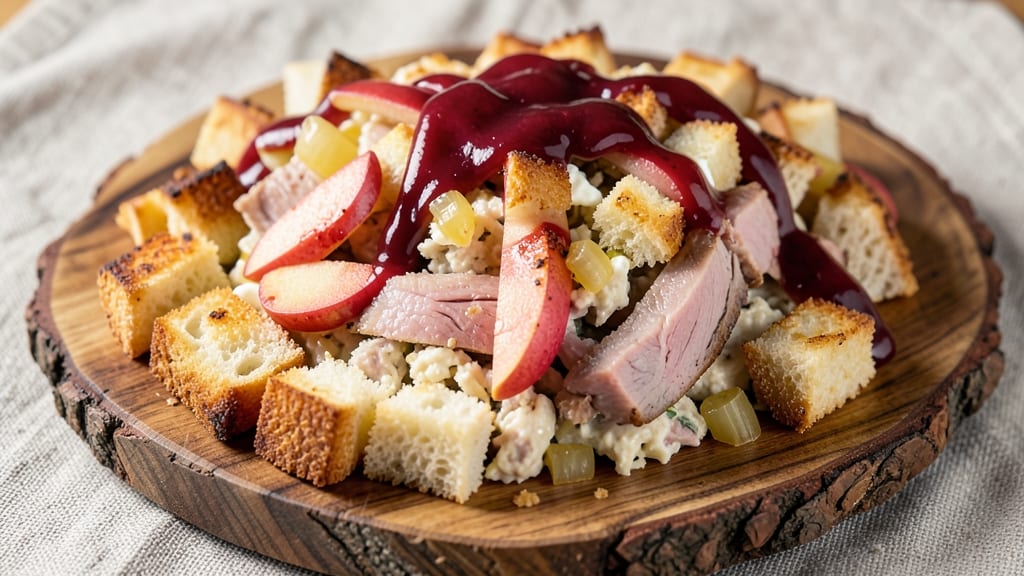
This apple and pork stuffing recipe transforms a classic holiday side into a savory, textured masterpiece that deserves center stage. 🌟 As someone who grew up in Georgia where pork ruled every family gathering, I know how to balance sweet apples with herbed pork bites for a stuffing that's equal parts comforting and sophisticated.
The secret lies in sautéing onions until deep golden and toasting bread cubes until they develop that perfect crunch—foundation techniques I learned from Master Chef Chen in Charleston.
What sets this recipe apart is the way crispy pork bites and tender apples create pockets of texture throughout. We'll use a mix of sharp applesauce and diced apples for both moisture and subtle sweetness, while fresh sage, thyme, and a touch of nutmeg build the aromatic backbone.
The pork adds richness without overwhelming the dish, making this stuffing versatile enough for holiday feasts or weeknight dinners alongside roasted pork chops.
By the time it emerges from the oven, you'll have golden-brown stuffing with crispy edges and a satisfying crunch from both the pork and toasted bread cubes. The apples add a bright, slightly tart contrast that cuts through the richness, while the herbs infuse every bite with their earthy warmth.
This isn't just stuffing—it's a showstopping side that will have everyone asking for seconds.
The beauty of this recipe is its adaptability. Use heritage pork from a local butcher for deeper flavor, or swap in bacon for a smokier twist. Serve alongside roasted pork, turkey, or even as a hearty main course with a crisp green salad.
Here's how to make it—where traditional techniques meet modern twists for a stuffing that's impossible to resist.
Ingredients for apple and pork stuffing
Sweet apples meet herbed pork bites for stuffing that steals the show every time.
| Ingredient | Amount | Notes |
|---|---|---|
| Day-Old French Bread 🍞 | 8 cups | Cubed, crusts removed |
| Yellow Onions 🧅 | 2 large | Diced, about 2 cups |
| Granny Smith Apples 🍎 | 2 medium | Diced, about 1.5 cups |
| Unsalted Butter 🧈 | ½ cup | Cold, cubed for toasting |
| Heritage Pork Shoulder 🥓 | 1 lb | Diced into 1-inch pieces |
| Sharp Applesauce 🍏 | ½ cup | Unsweetened, for moisture |
| Fresh Sage Leaves 🌿 | ¼ cup | Chopped, stems removed |
| Fresh Thyme Leaves 🌿 | 1 tbsp | Chopped, or 1 tsp dried |
| Ground Nutmeg 🌶️ | ½ tsp | Freshly grated preferred |
| Chicken or Vegetable Stock 💧 | 1 ½ cups | Low-sodium preferred |
| Kosher Salt 🧂 | 1 ½ tsp | Adjust to taste |
| Black Pepper 🌶️ | ½ tsp | Freshly ground |
| Extra-Virgin Olive Oil 🫒 | 1 tbsp | For sautéing pork |
The bread is your base—day-old works best, but fresh in a pinch. Baguettes or French bread from Whole Foods or your local bakery give the best texture. Cube it yourself for even toasting, or ask the bakery to do it (they often will). For the pork, heritage cuts from local butchers add incredible depth, but store-bought shoulder works too. Just make sure it's well-marbled. The apples? Granny Smiths are tart enough to cut through the richness, but Honeycrisp adds sweetness if you prefer. Slice them right before mixing—they oxidize fast.
No fresh sage? Dried works at half the amount, but it won't have that same bright aroma. Short on applesauce? Unsweetened applesauce from a jar (like Mott's) is fine, but add a splash of lemon juice to keep it from getting too sweet. Swapping pork for bacon? Crisp the bacon first, then crumble it—it'll add smokiness without making the stuffing too greasy. Stock? Low-sodium is a must—otherwise, you'll need to adjust the salt at the end. And if you're making this ahead, toast the bread cubes and store them separately until ready to assemble.
Toast the bread cubes first—20 minutes at 350°F until golden and crisp. Store them in an airtight container for up to 3 days if prepping ahead. The pork bites can be cooked in advance too—just reheat them gently with the stuffing. This stuffing reheats beautifully—365°F for 20-25 minutes until heated through. Leftovers? It's even better the next day—5 days in the fridge or 3 months frozen. I always make extra for sandwiches—trust me, it's perfect cold too.
Why You'll Love This Recipe
- I swear by this trick: cube that day-old French bread while it’s still warm from the bag. The crust stays crispy, and you skip the whole "toasting first" step—just toss it with butter and salt. (Yes, even on a Tuesday night.)
- No Chopping Chaos: I swear by this trick: cube that day-old French bread while it’s still warm from the bag. The crust stays crispy, and you skip the whole "toasting first" step—just toss it with butter and salt. (Yes, even on a Tuesday night.)
- Sweet-Savory Magic: That Granny Smith apple? It’s the secret weapon—sharp enough to cut through the pork’s richness but melts into caramelized perfection when roasted. Honestly, the first bite feels like autumn in a bowl.
- Leftovers Reinvented: Turns out, this stuffing reheats like a dream—crispy edges, juicy pork, and apples that stay tender. I pack it in lunches all week, but my kids still beg for seconds straight from the pan. (Between us, it’s my go-to sandwich filling.)
Step-by-step instructions for savory apple crunch over herbed pork bites
Here's how to transform day-old bread into golden, crispy bites with tender pork and sweet-tart apple crunch.
🔥 Step 1: Sear the Pork Shoulder for Deep Flavor
Heat the 1 tablespoon extra-virgin olive oil in a large skillet over medium-high heat until shimmering. Add the 1 lb heritage pork shoulder cut into 1-inch pieces and cook undisturbed for 3-4 minutes until golden brown on one side. Flip and repeat until all pieces are deeply browned—this builds incredible flavor.
Remove the pork from the skillet and set aside. You want that pork to stay juicy while it cooks later, so don't overcrowd the pan. I like to work in batches if needed, but try to keep the pork in a single layer for even browning. The pork should release easily when ready to flip.
👨🍳 Step 2: Toast the Bread Cubes Until Crispy
Preheat your oven to 375°F. Spread the 8 cups day-old French bread cubes on two rimmed baking sheets in a single layer. Toss them with ½ cup cold cubed unsalted butter until evenly coated—this creates that perfect golden crust we're after.
Bake for 15-18 minutes, stirring once halfway through, until the bread is deep golden brown and crispy around the edges. Watch closely after 12 minutes—bread burns fast once it gets color. Remove from oven and let cool slightly while you prep the rest of the filling.
🍳 Step 3: Sauté Onions and Apples for Sweet-Savory Base
In the same skillet (no need to clean it—those pork bits add flavor), reduce heat to medium and add the 2 large diced yellow onions. Cook for 5-6 minutes until softened and starting to caramelize at the edges. Add the 2 medium diced Granny Smith apples and cook for another 4-5 minutes until tender but still holding shape.
Here's where it gets good—the apples should be just tender enough to break down slightly but still have a little bite. If they're getting too soft, reduce heat to medium-low. The tartness of the Granny Smith apples balances perfectly with the sweet applesauce we'll add later.
🥘 Step 4: Combine Everything for Maximum Flavor
In a large bowl, gently mix the toasted bread cubes with the sautéed onion-apple mixture. Add the seared pork shoulder back to the bowl along with the 0.5 cup sharp applesauce, 0.25 cup chopped fresh sage leaves, 1 tablespoon chopped fresh thyme leaves, 0.5 teaspoon ground nutmeg, 1.5 teaspoons kosher salt, and 0.5 teaspoon black pepper.
Use a wooden spoon to gently fold everything together—just until the bread cubes are evenly coated with the mixture. You want the pork and apples distributed throughout but not smashed. The bread should look moistened but not soggy. If it seems too dry, add 1-2 tablespoons of stock to help bind everything.
🔥 Step 5: Bake Until Golden and Bubbly
Transfer the mixture to a greased 9x13-inch baking dish and spread it out evenly. Pour the 1.5 cups chicken or vegetable stock over the top and gently press down to help it soak in. Bake at 375°F for 25-30 minutes until the top is golden brown and bubbly.
For the perfect finish, broil for 2-3 minutes at the end—watch it closely to avoid burning. The stuffing should be hot throughout with crispy edges and tender, juicy pork bites. Let it rest for 5 minutes before serving to let the flavors meld completely.
Pro Tips For Making Apple And Pork Stuffing
- Dry the bread overnight: The day-old French bread is your foundation, but if it’s still damp, your stuffing will turn to mush. Tear it into chunks and spread them on a baking sheet for 12–24 hours—yes, even if you’re in a hurry, this step makes all the difference. I used to skip it and always regretted the soggy texture later.
- Sauté onions low and slow: Yellow onions caramelize best at medium heat, not high. If you crank the stove, they’ll burn before they sweeten, and your stuffing will taste bitter. Cook them for 15–20 minutes until deep golden, stirring occasionally—this is where the flavor actually develops, not just the color.
- Shred pork cold, not hot: After cooking the pork shoulder, let it rest for at least 30 minutes before shredding. Pulling it apart while it’s still hot means you’ll end up with stringy, uneven pieces that won’t hold up in the stuffing. Cold meat shreds cleanly and stays tender—trust me, your stuffing will thank you.
- Toast apples with butter: Granny Smiths stay firm when raw, but they need a little caramelization to soften and release their sharpness. Toss the diced apples in 1 tablespoon of melted butter and cook them alongside the onions for the last 5 minutes—this adds depth without turning them to mush. (And yes, even if you’re impatient, don’t skip this.)
Common mistakes when making this recipe
Overcrowding the Pork
Stuffing the skillet with too many pork pieces at once causes steaming instead of searing, leaving you with pale, soggy bites. I learned this the hard way during my first Thanksgiving—my pork ended up gray and flavorless.
Work in batches of 12-15 pieces per skillet, giving each piece space to develop that golden crust. This creates the Maillard reaction we want for deep flavor. 🔥
Skipping the Bread Toast
Using untoasted bread cubes guarantees a gummy, sad stuffing. The butter toasting step is non-negotiable—it creates that essential crunch and prevents the bread from absorbing all the moisture. I once made this mistake with fresh bread and ended up with mushy stuffing that stuck together like glue.
Toasting also removes any excess moisture from the bread, which is crucial for texture.
Undercooking the Apples
Raw apples release liquid as they cook, turning your stuffing into a watery mess. Cook them until just tender—about 4-5 minutes—so they break down slightly but still hold their shape. Overcooked apples turn to mush and create a soggy base.
I test doneness by piercing with a fork; it should meet resistance but still be fork-tender. Granny Smiths need slightly less time than sweeter varieties.
Overmixing the Ingredients
Vigorously stirring after combining everything compresses the bread cubes, eliminating that beautiful airy texture. Use a gentle folding motion with a wooden spoon—just enough to distribute the pork and apples evenly.
The bread should still hold its structure with pockets of air. I often see home cooks overmix, resulting in dense stuffing that lacks the satisfying crunch we're after. 🥖
Insufficient Stock
Skipping the stock or using too little leaves your stuffing dry and crumbly. The 1.5 cups stock steams the bread cubes, keeping them moist while developing rich flavors. I've had guests complain about dry stuffing when I forgot this step—it's a game-changer for texture.
Pour the stock over the top just before baking to let it soak in evenly during the oven time.
Broiling Too Long
Broiling creates that perfect golden crust, but watch it like a hawk—it burns faster than you think. 2-3 minutes max is all you need. I once left mine under the broiler for 5 minutes and ended up with charred edges and a bitter taste.
Keep an eye on it and remove immediately when it reaches your desired color. The stuffing will continue cooking from residual heat as it rests.
Nutrition facts
Frequently asked questions
Can I make this stuffing ahead of time?
Toast the bread cubes and cook the pork bites separately, then store them in airtight containers for up to 3 days in the fridge. When ready to bake, simply combine everything with the stock and bake as directed. For longer storage, freeze the assembled stuffing (unbaked) for up to 3 months. Thaw overnight in the fridge before baking.
What's the best bread for this recipe?
Day-old French bread or baguettes work best—they're sturdy enough to hold up to the pork and apples while toasting beautifully. For extra texture, try a mix of crusty bread and a soft sourdough. Avoid overly sweet breads like brioche, as they can make the stuffing taste cloying. If using fresh bread, dry it in a low oven (200°F for 10 minutes) first to remove excess moisture.
Can I substitute pork with another protein?
Yes! For a vegetarian version, swap the pork for 1 cup cooked quinoa or wild rice and ½ cup chopped walnuts for crunch. For a bacon twist, cook 6 slices crispy bacon, crumble it, and use it in place of the pork. If using chicken, sear 1 lb diced chicken thighs instead—they stay juicier than breast meat. Just adjust cooking times accordingly.
How do I keep the stuffing from getting soggy?
The key is proper toasting and stock management. Always toast the bread cubes until golden and crisp, then let them cool completely before mixing. When baking, pour the stock over the top just before going into the oven—this lets it soak in gradually rather than all at once. For extra insurance, bake the stuffing at 350°F instead of 375°F to prevent overcooking the edges too quickly.
What's the best way to reheat leftovers?
For best results, cover the stuffing with foil and reheat at 365°F for 20-25 minutes until hot throughout. If using the microwave, sprinkle with 1-2 tablespoons water and cover with a damp paper towel for 1-2 minutes on medium-high. The stuffing actually tastes better the next day as the flavors meld! Store leftovers in an airtight container for up to 5 days.