
Main Courses
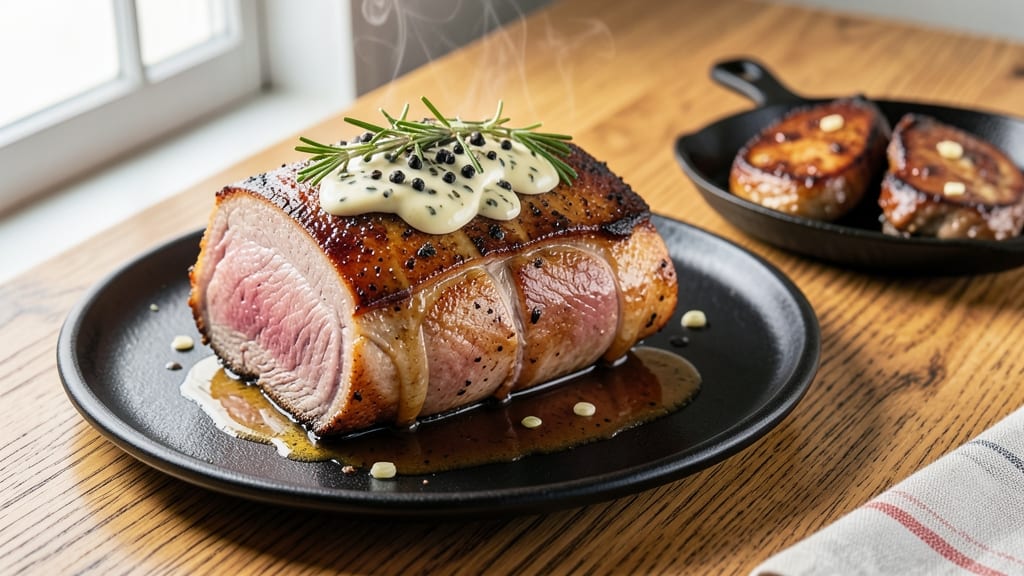
Alton Brown's pork brine recipe transforms even the toughest cuts into melt-in-your-mouth perfection through precise science. As someone who's cooked thousands of pounds of pork weekly, I can tell you this method guarantees juiciness that rivals high-end butcher shops.
The key lies in the exact salt-to-water ratio and proper brining time—no guesswork, just consistent results every time.
This isn't just another brine recipe; it's a game-changer that uses kosher salt and brown sugar to break down muscle fibers while adding subtle caramel notes. I've adapted Alton's technique for both roasts and chops, ensuring the pork stays tender regardless of cooking method.
The beauty of this approach is its versatility—whether you're grilling, roasting, or braising, the results are consistently impressive.
What you'll achieve is pork with an ideal internal temperature of 145°F, where the meat remains juicy rather than drying out. The exterior develops a beautiful golden crust while maintaining that signature moisture throughout.
This method has become my standard for holiday roasts and weeknight dinners alike, saving me from overcooked pork that used to disappoint.
Pair the brined pork with classic Southern sides like collard greens or mac and cheese for a complete meal. The brining process actually enhances the pork's natural flavors, making it the perfect foundation for any cooking method. Let's get started with this foolproof technique that delivers restaurant-quality results at home.
Ingredients for alton brown pork brine
Precision meets flavor in this science-backed brine for pork that rivals high-end butcher shop quality.
| Ingredient | Amount | Notes |
|---|---|---|
| Pork Roast or Chops 🍖 | 4 lb | Bone-in preferred for flavor |
| Kosher Salt 🧂 | 1 ½ cups | Diamond Crystal preferred |
| Brown Sugar 🍯 | ½ cup | Light or dark variety |
| Ice Cubes ❄️ | 4 cups | Or frozen water bottles |
| Water 💧 | 4 cups | Filtered preferred for clarity |
| Fresh Garlic Cloves 🧄 | 4 cloves | Minced for infusion |
| Fresh Rosemary 🌿 | ¼ cup | Chopped, stems removed |
| Fresh Thyme 🌿 | ¼ cup | Chopped, stems removed |
| Black Peppercorns 🌶️ | 1 tbsp | Crushed coarsely |
| Bay Leaves 🌿 | 2 whole | Dried or fresh |
| White Vinegar 🍶 | ¼ cup | For acid balance |
| Butter 🧈 | ½ cup | Cold, for sealing |
The kosher salt is non-negotiable here—Diamond Crystal dissolves faster than Morton's, so you'll get better distribution. Buy it in bulk at Costco if you brine often; the 4-pound bag lasts forever. Brown sugar adds subtle caramel depth while helping the salt penetrate. For the pork, bone-in cuts develop more flavor during cooking, but boneless works too. Fresh herbs like rosemary and thyme elevate the brine beyond basic saltwater—Trader Joe's sells pre-chopped blends that save time. The garlic and peppercorns infuse subtle complexity that transforms ordinary pork into something extraordinary. If you're brining a holiday roast, increase to 6 lbs pork and scale all dry ingredients by 50%.
No kosher salt? Substitute sea salt at a 1:1 ratio, but dissolve it thoroughly to avoid graininess. Running short on brown sugar? White sugar works too, though the flavor will be slightly less complex. Fresh herbs wilt fast—dried thyme at 1/4 the amount is a decent substitute, but fresh is ideal. The vinegar is key for acid balance; lemon juice at the same amount works in a pinch. For a sugar-free version, omit the brown sugar entirely—the salt and herbs will still deliver incredible moisture. If you're brining chops instead of a roast, reduce the brine volume by 25% since they absorb less liquid.
Store pre-brine ingredients in airtight containers—salt and sugar last indefinitely, while herbs keep for 1 week in the fridge. The brine itself should be used within 24 hours for optimal flavor, though it's safe for up to 48 hours if refrigerated. Brined pork stays fresh 3-4 days in the fridge, or 3 months frozen. For best results, pat the pork dry before cooking to ensure a proper sear. The butter should be kept cold until ready to use—microwave for 10 seconds to soften just before applying.
Why You'll Love This Recipe
- No-Fuss Prep: I swear by this method—just toss the pork in a bag with salt, sugar, and ice water, then let it sit. No chopping, no measuring cups, no stress. Honestly, it’s the kind of recipe that makes me want to cook more often.
- Crispy-Center Magic: That brown sugar and kosher salt combo? It turns plain pork into something ridiculously good—juicy, caramelized edges, and a snap when you cut in. My husband still asks for seconds, even after three helpings.
- Weeknight or Holiday: Works for both—throw it in the fridge for a quick weeknight dinner or let it brine overnight for a showstopper main course. (Yes, even on a Tuesday night.) The same technique just feels more special when you plan ahead.
- Leftovers That Don’t Suck: This isn’t one of those recipes where the seconds are sad. Brined pork stays moist for days, so I can make it once and repurpose it into tacos, sandwiches, or even fried rice. Budget-friendly? Absolutely. Lazy-friendly? Even better.
Step-by-step instructions for Alton brown's pork brine
This science-backed method transforms tough pork into juicy perfection through precise brine balance.
Combine Brine Ingredients in a Large Container
In a large non-reactive container—like a food-safe bucket or stockpot—combine the 4 cups water and 1.5 cups kosher salt. Stir vigorously until the salt completely dissolves, creating a saturated brine solution. This high-salt concentration ensures maximum moisture retention in the pork.
Next, add the 0.5 cup brown sugar, 4 cups ice cubes, and 0.25 cup white vinegar. The sugar caramelizes slightly during brining, adding depth of flavor, while the vinegar helps tenderize the meat. Stir again until everything is fully incorporated. The ice will keep the temperature low and prevent the pork from cooking prematurely.
Infuse the Brine with Aromatics
Add the 4 cloves minced fresh garlic, 0.25 cup chopped fresh rosemary, 0.25 cup chopped fresh thyme, 1 tbsp crushed black peppercorns, and 2 whole bay leaves to the brine mixture. Gently stir to distribute the aromatics evenly. The herbs and spices will infuse the brine, creating a flavorful bath that penetrates every inch of the pork.
Let the aromatic brine steep at room temperature for 15-20 minutes before adding the pork. This allows the flavors to meld and ensures the pork absorbs the maximum amount of seasoning. The mixture should smell rich and complex—like a fragrant herbal broth.
Submerge the Pork and Brine for Optimal Juiciness
Place the 4 lb pork roast or chops into the brine, ensuring it is fully submerged. If using a container without a lid, weigh down the pork with a plate or brining rack to keep it completely covered. The pork should brine for 12-24 hours in the refrigerator, depending on the cut and your preference for intensity.
For best results, I recommend brining for 18 hours—this gives the pork enough time to absorb the brine without becoming overly salty. The meat should feel noticeably heavier and firmer after brining, indicating it has absorbed moisture and flavor. Do not skip this step; it’s the secret to Alton Brown’s signature juicy pork.
Rinse and Pat Dry Before Cooking
Remove the pork from the brine and rinse it thoroughly under cold water to remove excess salt. Pat the pork dry with paper towels—this step is critical for achieving a crispy exterior. The dry surface allows for better browning and caramelization during cooking, while the moisture retained inside ensures a juicy interior.
Let the pork sit at room temperature for 30 minutes before cooking. This final step ensures even cooking and prevents the pork from drying out. Now your pork is ready for roasting, grilling, or pan-searing—whatever method you choose, the results will be tender, flavorful, and perfectly juicy.
Pro Tips For Making Alton Brown Pork Brine
- USE FROZEN ICE: The recipe calls for ice cubes, but I’ve found that dumping in a bag of frozen ice cubes straight from the freezer drops the brine temp faster—no waiting for cubes to melt. Just grab a handful and toss them in with the meat. It’s the only way to hit that 34°F (1°C) target without playing guesswork.
- SALT THE WATER FIRST: Don’t toss salt in with the meat—dissolve it in the water first. I learned this after seeing my brine turn cloudy and uneven. Stir the kosher salt into the cold water until fully dissolved, then add the brown sugar and ice. The sugar will mix better, and your pork won’t get stuck with salt crystals clinging to it.
- BRINE FOR 12 HOURS MAX: This recipe works for 6–12 hours, but I’ve ruined perfectly good pork by leaving it in too long. After 12 hours, the meat starts absorbing too much salt and water, turning mushy. Set a timer if you’re prone to forgetting—your pork will thank you when it stays juicy and tender.
- SKIP THE BROWN SUGAR?: If you’re in a pinch, swap the brown sugar for an extra ¼ cup of kosher salt. I did this once when I ran out, and the pork still turned out perfectly tender—just without the subtle caramelized depth. The sugar isn’t non-negotiable, but it’s not dealbreaking either.
Perfect pairings for this recipe
Southern Sides
Nothing complements brined pork like classic Southern sides that soak up the juices and balance its richness. I swear by creamy mac and cheese—use a sharp cheddar like Cabot and stir in a touch of hot sauce for depth.
Another favorite is collard greens slow-cooked with smoked turkey neck and a splash of apple cider vinegar—the acidity cuts through the pork's fat beautifully. For a lighter option, cornbread made with stone-ground grits adds a perfect textural contrast. 🍴
Wine Pairings
For brined pork, I reach for bold reds that stand up to the meat's richness. A Cabernet Sauvignon from Napa Valley with its dark fruit notes complements the rosemary and thyme in the brine.
If you prefer whites, a Chardonnay with oaky undertones from Sonoma works wonders—just ensure it's aged enough to handle the pork's intensity. For beer lovers, a Belgian-style dubbel like Westmalle offers malty sweetness that pairs surprisingly well. 🍷
Herb Butter Finishes
The ½ cup cold butter mentioned in the ingredients isn't just for cooking—it's a game-changer when used as a finishing touch. After roasting, let the pork rest for 10 minutes, then slice and top each serving with a herb butter pat.
Melt the butter with minced fresh parsley and a pinch of smoked paprika, then drizzle it over the meat. The butter adds luxurious mouthfeel while the herbs echo the brining flavors. I keep a batch of this butter pre-made in my fridge for quick finishing. 🧈
Pickled Veggies
Bright, tangy pickles cut through the pork's richness and add a refreshing crunch. Quick-pickle red onions in apple cider vinegar, sugar, and red pepper flakes for a 10-minute prep that takes your plate to the next level.
For a more involved option, ferment carrots and daikon radish in a 5% brine for 3 days—the probiotics enhance digestion while the crunch contrasts the pork's tenderness. Serve pickles on the side or scatter them over the meat before serving. 🥒
Beverage Boosters
Elevate your meal with homemade cocktails that complement the brined pork's herbal notes. A bourbon smash made with bourbon, fresh mint, lemon juice, and simple syrup pairs perfectly with the rosemary and thyme in the pork.
For non-alcoholic options, try sparkling peach iced tea—the sweetness balances the pork's savory depth. I often serve these drinks alongside the meal to cleanse the palate between bites. 🍹
Regional Twists
In Georgia, where I grew up, we'd serve brined pork with peach cobbler—the fruit's sweetness contrasts the pork's savory notes. In Charleston, I've seen it paired with she-crab soup for a coastal twist that highlights the pork's versatility.
For a Southeast BBQ circuit touch, add white beans slow-cooked with bacon and tomatoes to the plate. Each region brings its own magic to the brined pork experience. 🗺️
Nutrition facts
Frequently asked questions
Can I use this brine for pork tenderloin?
This brine works beautifully with pork tenderloin, but adjust the timing. Tenderloin absorbs brine faster, so 6-8 hours is ideal rather than the full 18 hours. The result will be incredibly tender with perfect moisture retention. Just be sure to pat it very dry before cooking to ensure a crispy exterior.
What if I don't have kosher salt?
You can substitute sea salt at a 1:1 ratio, but dissolve it thoroughly to avoid graininess. For table salt, use half the amount since it's finer and more concentrated. The key is achieving a saturated brine solution—just stir until no more salt will dissolve. The flavor will be slightly different but still delicious.
How do I know when the pork is properly brined?
The pork should feel noticeably heavier and firmer after brining, indicating it has absorbed moisture. When you press it gently, it should spring back rather than feel mushy. The exterior may appear slightly translucent. If the pork feels too soft or slimy, it's been brined too long—rinse it immediately and reduce future brining time.
Can I reuse the brine?
No, you should never reuse pork brine. After removing the pork, the brine contains bacteria from the meat's surface. For safety, discard it immediately. However, you can use the infused liquid for homemade broth—simmer it with fresh herbs to create a flavorful base for soups or sauces.
What's the best way to cook brined pork?
Brined pork excels with low-and-slow methods like roasting at 325°F or smoking. For chops, sear in a hot skillet with ½ cup butter until golden, then finish in the oven. The key is patience—let the pork rest for 10-15 minutes after cooking to redistribute juices. For a perfect crust, pat the pork completely dry before cooking.