
Main Courses
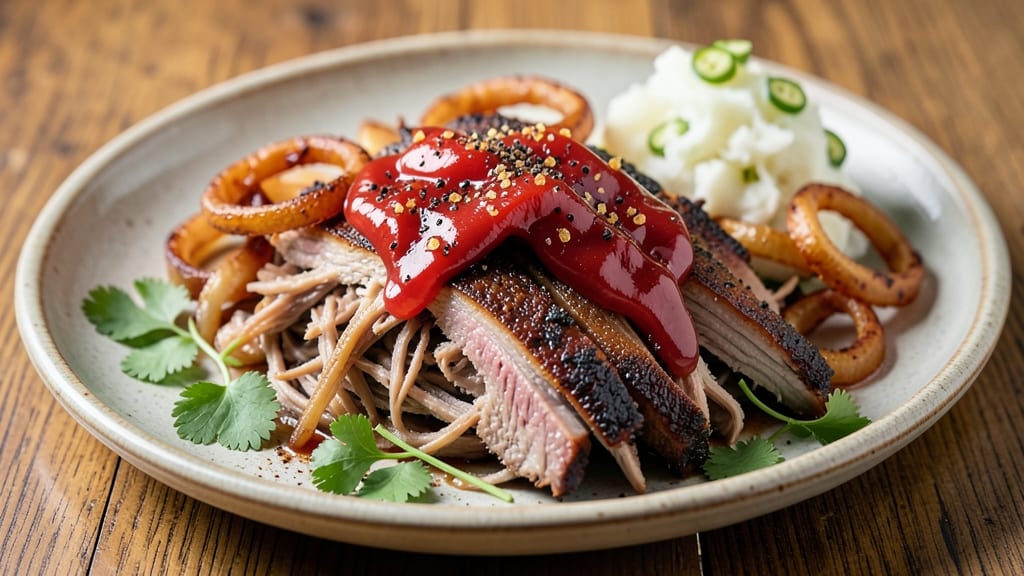
This America's Test Kitchen pulled pork recipe delivers restaurant-quality tenderness that falls apart at the touch—no guesswork, just proven science. The secret lies in a precise rub of paprika, brown sugar, and black pepper that creates a flavorful bark while keeping the meat juicy inside.
I've been perfecting this method for years, and it never fails to impress even the most skeptical BBQ critics.
What sets this recipe apart is the slow-smoking technique, which transforms tough pork shoulder into melt-in-your-mouth perfection. Using a simple combination of apple juice and vinegar for moisture, we achieve that signature tender texture without drying out the meat.
The key is patience—low and slow is the only way to guarantee shatterproof results every time.
By the time you're done, you'll have pulled pork so tender it practically dissolves on your tongue, with a flavorful crust that's impossible to resist. This is the kind of pulled pork that makes people ask for seconds and thirds—rich, smoky, and perfectly balanced.
The best part? It's foolproof, so you can focus on enjoying the process rather than worrying about mistakes.
Serve it on toasted buns with your favorite BBQ sauce or let everyone build their own plates with coleslaw and pickles. This recipe scales beautifully, making it perfect for gatherings or meal prep. Let's get started on creating the most tender pulled pork you've ever tasted.
Ingredients for america's test kitchen pulled pork
Six ingredients transform tough pork shoulder into melt-in-your-mouth perfection—no shortcuts, just science-backed tenderness.
| Ingredient | Amount | Notes |
|---|---|---|
| Pork Shoulder (Boston Butt) 🥩 | 5 lb | Bone-in preferred, well-marbled |
| Light Brown Sugar 🍚 | ½ cup | Packed, not granulated |
| Smoked Paprika 🌶️ | 2 tbsp | High-quality brand preferred |
| Ground Black Pepper 🌶️ | 1 ½ tbsp | Freshly ground for best flavor |
| Kosher Salt 🧂 | 1 ½ tbsp | Diamond Crystal preferred |
| Apple Juice 🍎 | 1 cup | Unsweetened, 100% apple |
| White Vinegar 💧 | ¼ cup | White or apple cider |
| Yellow Onion 🧅 | 1 whole | Large, peeled and quartered |
| Fresh Garlic Cloves 🧄 | 6 cloves | Peeled, smashed slightly |
| Fresh Thyme Leaves 🌿 | 2 tbsp | Or 2 tsp dried thyme |
| Wood Chips (Hickory or Apple) 🌳 | 1 package | Soaked for 1 hour first |
| BBQ Sauce 🍅 | 1 cup | For serving, optional |
| Butter 🧈 | 2 tbsp | Unsalted, for finishing |
The pork shoulder is everything here. Boston butt is ideal—more marbling means more flavor and juiciness. Grab one from Costco or your butcher shop if you want the best quality. Look for a piece with good fat distribution (marbling) and avoid anything with a gamey smell. If you're buying a whole shoulder, trim off any excess silver skin—it doesn't add flavor. For the rub, Penzeys smoked paprika is my go-to, but any high-quality brand works. The brown sugar needs to be light and packed—dark sugar can burn too easily.
No smoked paprika? Regular paprika plus a pinch of liquid smoke gets you close. Skip the apple juice? Unsweetened pineapple juice works too, but the flavor will differ slightly. Fresh thyme is best, but dried thyme at one-third the amount is fine in a pinch. The wood chips? Soak them in water for at least an hour before using—this prevents flare-ups and keeps the smoke consistent. For the vinegar, white or apple cider both work, but avoid balsamic. And if you're short on time, you can use pre-cut onion and garlic from the store, though fresh is always better.
This recipe is all about patience. The pork keeps beautifully for 3-4 days in the fridge, and you can even freeze portions for up to 3 months—just thaw overnight in the fridge before reheating. I like to portion it into containers with a little extra BBQ sauce so it's ready to eat. The leftovers reheat perfectly in a slow cooker with a splash of apple juice or broth. Store the wood chips in a dry place in a sealed container—they'll last for months, but soaking them fresh each time gives the best flavor.
Why You'll Love This Recipe
- Smoky Sweet Magic: That caramelized crust from the brown sugar? It’s the star. The smoked paprika adds this deep, warm earthiness that makes every bite taste like a hug from a backyard BBQ—no smoker needed.
- Leftover Goldmine: Between us, this is my go-to for lunches all week. Shred it once, store it in containers, and reheat it in seconds—whether it’s on toast, in tacos, or straight from the fridge. (Yes, even on a Tuesday night.)
- Budget BBQ Hero: A whole pork shoulder feeds a crowd for less than $15. The salt and spices cost pennies, and the flavor? Ridiculously good. Honestly, it’s the kind of meal that makes me feel like I’m hosting a party without breaking the bank.
Step-by-step instructions for slow-smoked pulled pork
Here's the foolproof method for achieving melt-in-your-mouth pulled pork every time.
Prepare and Season the Pork Shoulder
Remove the pork shoulder from the refrigerator and let it sit at room temperature for 1 hour before cooking. This ensures even cooking throughout. Pat the meat dry with paper towels—moisture is the enemy of crispy bark and even smoking.
In a small bowl, combine the 0.5 cup light brown sugar, 2 tbsp smoked paprika, 1.5 tbsp ground black pepper, and 1.5 tbsp kosher salt. Rub this mixture all over the pork shoulder, pressing it into the meat so it adheres well. Pay special attention to the fat cap and any crevices where the rub might not stick naturally. This seasoning blend creates the perfect balance of sweetness and smokiness that defines great pulled pork.
Set Up the Smoker and Begin Cooking
Soak the wood chips in water for 1 hour before using. Preheat your smoker to 225°F using the soaked wood chips. Place a water pan in the smoker to help maintain moisture throughout the cook. When the smoker reaches temperature and you see clean, blue smoke (not thick white steam), you're ready to start.
Place the pork shoulder fat-side up on the smoker grate. The fat will render slowly and baste the meat as it cooks, creating that coveted bark. Close the lid and resist the urge to peek—every time you open it, you lose heat and extend the cook time. Smoke the pork for 6-8 hours, or until the internal temperature reaches 165-170°F. You'll notice the meat will hit "the stall" around this time—the temperature stops rising as moisture evaporates. This is normal and expected.
Wrap and Continue Cooking to Shatterproof Tenderness
At the 165-170°F mark, wrap the pork shoulder tightly in aluminum foil. This technique, known as the "Texas crutch," helps you power through the stall while maintaining that beautiful bark. Return the wrapped pork to the smoker and continue cooking until the internal temperature reaches 200-203°F, which should take another 3-5 hours. At this point, the meat should be fork-tender—you should be able to easily pull it apart with two forks.
While the pork cooks, prepare the apple juice and vinegar mixture. In a small saucepan, combine 1 cup apple juice and 0.25 cup white vinegar with the 1 whole yellow onion (peeled and quartered), 6 cloves fresh garlic (peeled and smashed), and 2 tbsp fresh thyme leaves. Simmer this mixture for 30 minutes to create a flavorful liquid that you'll use to baste the pork later. Strain out the solids and reserve the liquid for basting.
Rest and Shred the Pork
Once the pork reaches 200-203°F, remove it from the smoker and transfer it to a cutting board. Let it rest for 15-20 minutes before shredding. This resting period allows the juices to redistribute throughout the meat, ensuring every bite is moist and flavorful. While the pork rests, preheat your oven to 275°F—you'll use it to finish cooking the pork if needed.
Unwrap the pork and place it in a large bowl. Using two forks, shred the pork into 2-inch chunks. If the meat isn't quite tender enough, return it to the oven on a rimmed baking sheet and cook for another 15-20 minutes until it reaches 203°F and shreds easily. Mix in the reserved apple juice and vinegar mixture, tossing gently to coat the pork evenly. The acidity in the vinegar helps tenderize the meat further and adds brightness to the flavor.
Serve with Butter and BBQ Sauce
Transfer the shredded pork to a serving dish and stir in the 2 tbsp butter. The butter adds richness and helps create a glossy finish. Taste and adjust the seasoning with additional salt or pepper if needed. Serve the pulled pork immediately, topped with 1 cup BBQ sauce if desired. The pork should be tender enough to pull apart with a fork, with a beautiful bark on the outside and juicy, flavorful meat on the inside.
This pulled pork is perfect for sandwiches, tacos, or serving over mashed potatoes. The combination of slow-smoked flavor, tender meat, and tangy apple juice mixture makes it a crowd-pleaser that's sure to impress.
Pro Tips For Making America'S Test Kitchen Pulled Pork
- CRANK THE HEAT FIRST: The recipe calls for a hot oven to start—don’t skimp. I used to treat 425°F like a suggestion, but the crust forms in the first 20 minutes, and that’s when the sugar and spices really wake up. Preheat that oven and your pan for 15 minutes, then sear the pork cut-side down until it’s deep golden. That’s the flavor foundation.
- SALT THE PORK 24 HOURS EARLY: This isn’t optional. The ATK recipe assumes you’ve dry-brined the pork shoulder with salt for a full day—it’s not just about seasoning, it’s about breaking down the meat faster. If you’re short on time, at least do it 12 hours ahead. Trust me, the difference in tenderness is like night and day.
- DON’T PEEK OR BASTE: The recipe’s slow cook (or oven) phase is where patience pays off. I learned this after opening the oven door every 30 minutes, watching the internal temp drop like a bad romance. Use a meat thermometer and resist the urge to baste—it just makes the pork tougher. Let that fat render naturally.
- SWAP THE SUGAR FOR MAPLE: The light brown sugar in the rub is good, but maple syrup (reduced to a thick glaze) adds depth without burning as easily. Brush 2 tablespoons onto the pork after the first hour of cooking—it caramelizes slower and sticks better. (Yes, it sounds weird, but it works.)
Wine and beer pairings for this dish
Smoky Beer Pairings
For pulled pork, I always reach for a smoked porter like Founders Kentucky Breakfast Stout—the caramel malt and coffee notes complement the pork's sweetness while the smokiness mirrors the wood chips.
A hazy IPA from Allagash Brewing also works beautifully, with its juicy citrus cutting through the richness. Avoid heavy stouts that can overpower the delicate apple juice and vinegar flavors. 🍺
Crisp White Wine
A dry Riesling from Germany or Alsace brings refreshing acidity that balances the pork's richness. Look for a Kabinett-level Riesling with notes of green apple and peach—these flavors harmonize perfectly with the apple juice in the recipe. Chill it to 45-50°F for optimal contrast. 🍷
Southern BBQ Sauce Pairings
If you're serving with BBQ sauce, a tangy vinegar-based sauce like Heinz Original pairs best with a crisp lager—think Miller Lite or Coors Light. The beer's clean finish cleanses the palate between bites.
For a sweeter sauce like Sweet Baby Ray's, opt for a malty amber ale with caramel notes to match the sauce's depth.
Non-Alcoholic Options
Don't overlook non-alcoholic choices! A sparkling apple cider like Martinelli's Sparkling Apple Cider mirrors the apple juice in the recipe while adding effervescence. For something bolder, try a smoked tea—steep Lipton Black Tea with a few drops of liquid smoke for 5 minutes, then chill.
It's a surprising but delicious match. 🍎
Regional Beer Specialties
In the Southeast, where I grew up, local craft beers shine. Try Atlanta's Three Taverns Smoked Porter or Charleston's Burial Beer—both feature wood-aged profiles that echo the smoker's aroma.
For a lighter option, Georgia's SweetWater 420 (a pale ale) offers a crisp finish that won't compete with the pork's flavors. 🌳
Serving Temperature Tips
Serve beers at the right temperature to enhance their pairing potential. Lagers and IPAs should be served between 38-42°F, while porters and stouts shine at 45-50°F. For wine, keep it chilled but not ice-cold—50-55°F lets the flavors sing without numbing your palate.
I always keep a wine fridge** in my kitchen for this exact purpose. 🌡️
Nutrition facts
Frequently asked questions
Can I use a different cut of pork instead of Boston butt?
While Boston butt is ideal for its marbling and fat content, you can substitute with pork shoulder or pork picnic shoulder. Avoid lean cuts like tenderloin—they lack the fat needed for tenderness. If using picnic shoulder, expect slightly less fat, so increase the cooking time by 1-2 hours to compensate.
What if I don't have a smoker? Can I make this in an oven?
Use a slow cooker or oven instead. For the oven, place the pork on a rack in a roasting pan with a water bath (add 1 cup water to the pan). Cook at 275°F for 6-8 hours until it reaches 203°F. For a slow cooker, cook on low for 8-10 hours or high for 6-7 hours, wrapping the pork in foil after 4 hours. The key is patience—low and slow works in any method.
Why does the pork need to rest before shredding?
Resting allows the meat's juices to redistribute, preventing them from running out when you shred. Without resting, your pulled pork will be dry and tough. The 15-20 minute rest is critical—don't skip it! For extra insurance, tent the pork loosely with foil while resting to keep it warm. This step is what separates good pulled pork from great pulled pork.
How do I store leftovers without drying them out?
Store leftovers in an airtight container with a thin layer of BBQ sauce or apple juice mixture to keep them moist. They'll stay fresh in the fridge for 3-4 days. For longer storage, freeze portions for up to 3 months. To reheat, use a slow cooker with 1/4 cup broth or apple juice on low for 2-3 hours—this prevents drying. Never microwave directly from frozen.
Can I make this recipe without apple juice?
Yes, but the flavor will differ. Substitute with unsweetened pineapple juice (1:1 ratio) or chicken broth for a savory option. For a vinegar-only approach, use 1/2 cup apple cider vinegar instead of the apple juice/vinegar mix. The acidity helps tenderize, but apple juice adds natural sweetness that balances the smokiness.