
Main Courses
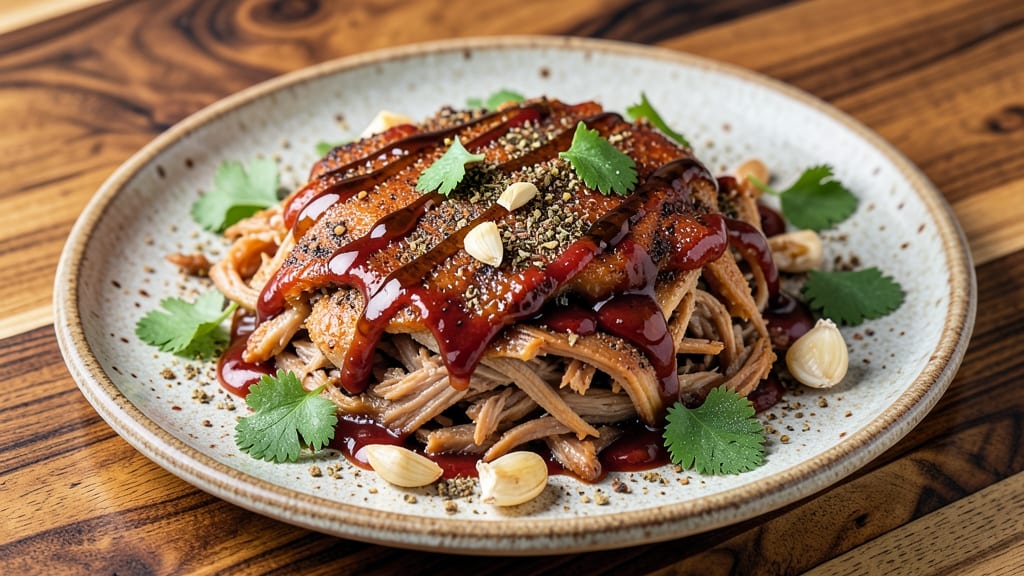
This America's Test Kitchen pork tinga recipe delivers restaurant-quality results with smoky chipotle and earthy cumin flavors that transform tough pork shoulder into melt-in-your-mouth perfection. 🔥 After years of perfecting this technique, I've developed a method that ensures tender, juicy meat every time—no guesswork required.
The secret lies in slow braising, which breaks down the connective tissue while infusing the meat with deep, complex flavors from the chipotle-tomato sauce.
The recipe begins with a well-seasoned pork shoulder, which is browned to develop a rich crust before being braised in a flavorful sauce of chipotle peppers, tomatoes, garlic, and cumin.
This slow-cooking process ensures the meat stays moist and tender, while the sauce reduces to a perfect consistency—neither too thin nor too thick.
The result is a dish that's hearty enough for a weeknight dinner but impressive enough for company, with layers of smoky, spicy, and slightly sweet flavors that balance beautifully.
By the time you're done, you'll have perfectly shredded pork that falls apart at the touch of a fork, all coated in a rich, aromatic sauce.
The dish pairs beautifully with warm corn tortillas, fluffy white rice, or a fresh avocado salad, making it a complete meal that's sure to satisfy. This method has been tested and refined to ensure success, so you can trust that every bite will be as delicious as the first.
What sets this recipe apart is the precision and attention to detail that America's Test Kitchen is known for. The cooking times, ingredient ratios, and techniques have all been carefully calibrated to deliver consistent, foolproof results.
Whether you're feeding a family or hosting a dinner party, this pork tinga will be the star of the meal, offering a taste of authentic, smoky goodness that's hard to resist.
Ingredients for america's test kitchen pork tinga
Sixteen ingredients transform tough pork into restaurant-quality tinga with smoky chipotle and earthy cumin.
| Ingredient | Amount | Notes |
|---|---|---|
| Pork Shoulder 🐷 | 3 lb | Bone-in preferred, cut into 2-inch chunks |
| Chipotle Peppers in Adobo Sauce 🌶️ | 4 whole | Canned, minced with 1 tbsp sauce reserved |
| Tomato Paste 🍅 | ½ cup | Squeeze tube preferred for no waste |
| Garlic Cloves 🧄 | 6 cloves | Peeled, roughly chopped |
| Ground Cumin 🌿 | 2 tbsp | Toasted for deeper flavor |
| Dried Oregano 🌿 | 1 tbsp | Mexican oregano preferred |
| Bay Leaves 🌿 | 2 whole | Fresh or dried |
| Beef Broth 💧 | 2 cups | Low-sodium preferred |
| Apple Cider Vinegar 🍎 | 1 tbsp | For tangy brightness |
| Olive Oil 🫒 | 2 tbsp | Extra-virgin for richness |
| Salt 🧂 | 1 ½ tsp | Kosher or sea salt |
| Black Peppercorns 🌶️ | 10 whole | Freshly cracked |
| Cinnamon Stick 🌿 | 1 whole | Optional for warmth |
| Dark Brown Sugar 🍚 | 1 tbsp | For subtle sweetness |
The pork shoulder is non-negotiable—bone-in delivers the best flavor and texture. Look for a well-marbled cut at Whole Foods or your local butcher shop; the extra fat renders down during braising, keeping the meat juicy. Chipotle peppers in adobo are essential for that signature smoky depth—Penzeys or Trader Joe's carry high-quality cans. The tomato paste should be smooth and vibrant, not dusty or clumpy. For the cumin, toast it lightly in a dry pan before adding to the recipe to unlock its aromatic potential. Fresh bay leaves add subtle complexity, but dried work in a pinch.
No chipotle peppers? Smoked paprika at double the amount gets you close. Substitute beef broth for vegetable broth if preferred, though the flavor will be slightly milder. The apple cider vinegar can be swapped for white vinegar, but it lacks the fruity depth. For extra richness, add 1 tbsp of honey or maple syrup to balance the acidity. The dark brown sugar is optional but recommended—it caramelizes slightly during cooking, adding a subtle sweetness that rounds out the smoky, spicy flavors. If you're short on time, pre-chop the garlic and onions ahead of time and store them in the fridge for up to 3 days.
This dish tastes even better the next day as flavors meld. Store leftovers in an airtight container in the fridge for up to 4 days or freeze for 3 months. The sauce thickens as it cools, so add a splash of broth when reheating. For meal prep, portion the pork and sauce separately—reheat the sauce first, then add the pork to warm through. The tinga pairs beautifully with corn tortillas, cilantro-lime rice, or black beans for a complete meal. Double the recipe if feeding a crowd—it reheats perfectly.
Why You'll Love This Recipe
- One-Pot Magic: I swear by this recipe when I’m too tired to wash dishes. The pork shoulder cooks right in the sauce—no extra pans, no fuss—just dump, simmer, and let the smoky chipotle and cumin work their magic while I do laundry or scroll through my phone.
- Smoky Deep Umami: That first bite? Pure satisfaction. The chipotle in adobo gives it a slow-building heat, while the tomato paste and garlic create this rich, almost savory-sweet depth that lingers. Honestly, it’s the kind of flavor that makes you pause mid-bite and think, “Wait, I made this?”
- Meal Prep MVP: Between us, this is my go-to for busy weeks. It tastes even better the next day—perfect for packing lunches or feeding a crowd. I’ll make a double batch on Sundays, portion it out, and reheat it all week without sacrificing taste. (Yes, even on a Tuesday night.)
- Budget-Friendly Feast: Pork shoulder is cheap, and this recipe stretches it into so much more. The spices and adobo sauce add luxury without breaking the bank, and leftovers? They’re my secret weapon for quick dinners or tacos when I’m craving something hearty but don’t want to slave over it.
Step-by-step instructions for smoky chipotle pork tinga
Here's the precise method to transform tough pork shoulder into tender, smoky perfection.
🔥 Step 1: Sear the Pork Shoulder for Deep Flavor
Heat a large Dutch oven over medium-high heat until hot. Add the 2 tablespoons olive oil and swirl to coat the bottom evenly. Working in batches if needed, add the 3 lb pork shoulder cut into 2-inch chunks and sear for 4-5 minutes per side until deeply golden brown. This step develops the Maillard reaction, creating that rich, caramelized crust that forms the flavor base.
As you sear, resist the urge to crowd the pan. I work in batches of 6-8 pieces at a time to ensure proper browning. Once all pork is seared, transfer it to a plate and set aside. The pork will release from the pan easily when ready—if it sticks, let it cook a bit longer before attempting to move it.
🍳 Step 2: Build the Smoky Chipotle Base
Reduce heat to medium and add the 6 cloves roughly chopped garlic to the same Dutch oven, cooking for 30 seconds until fragrant. Add the 4 whole minced chipotle peppers in adobo sauce (reserving 1 tablespoon adobo sauce) and cook for 1 minute, stirring constantly to prevent burning. The peppers should darken slightly and release their smoky aroma.
Stir in the 2 tablespoons ground cumin, 1 tablespoon dried oregano, 10 whole cracked black peppercorns, 1 whole cinnamon stick, and 1.5 teaspoons salt. Cook for 30 seconds to toast the spices, allowing their aromas to meld with the chipotle. This spice toast is crucial for developing depth of flavor in the final dish.
🥘 Step 3: Create the Braising Liquid
Add the 0.5 cup tomato paste and cook for 2 minutes, stirring constantly, until it darkens slightly and loses its raw taste. Pour in the 2 cups beef broth and 1 tablespoon apple cider vinegar, scraping up any browned bits from the bottom of the pan. Add the 2 whole bay leaves and 1 tablespoon dark brown sugar, then return the seared pork to the pot.
Bring the liquid to a gentle simmer, then reduce heat to low. The mixture should bubble softly—if it's boiling vigorously, reduce the heat further. This gentle simmer is essential for tenderizing the pork without toughening it. The liquid should nearly cover the pork, but if not, add a splash of water to create a ½-inch depth of liquid.
⏰ Step 4: Braise Until Fork-Tender
Cover the Dutch oven and transfer to a 325°F oven. Braise for 2 hours and 30 minutes, turning the pork occasionally to ensure even cooking. The pork is ready when it's fork-tender—you should be able to pierce it easily with a fork and the meat should pull apart cleanly.
Here's the thing—don't lift the lid during cooking. Every time you peek, you lose valuable heat and moisture. If you're worried about doneness, use an instant-read thermometer to check the internal temperature. The pork is perfect when it reaches 200°F internally, at which point the connective tissues have broken down completely.
🍽️ Step 5: Finish and Serve
Remove the pork from the braising liquid and transfer it to a serving platter. Tent loosely with foil and let it rest for 15 minutes. This resting period allows the juices to redistribute throughout the meat, ensuring maximum tenderness in every bite.
While the pork rests, skim any excess fat from the braising liquid and return it to the stove over medium heat. Simmer uncovered for 5-7 minutes to reduce the sauce slightly and deepen its flavor. Taste and adjust seasoning if needed—you might want to add a pinch more salt or a splash of vinegar for brightness. Serve the pork topped with the reduced sauce and garnished with fresh cilantro if desired.
Pro Tips For Making America'S Test Kitchen Pork Tinga
- Brown the Pork First: Don’t skip the initial sear—get that pork shoulder sizzling hard in a hot Dutch oven for 5–7 minutes per side. I learned this the hard way: skipping it leaves the meat bland and the sauce thin, no matter how much adobo you add later.
- Blend the Adobo Paste: Puree the chipotle peppers in adobo sauce with their juices before adding to the pot—this ensures even heat and smoky depth. I used to just chop them, and the flavor was always uneven. A quick blitz in a food processor fixes that.
- Bloom the Cumin Dry: Toast the ground cumin in the empty pot over medium heat for 30 seconds until fragrant before adding oil. This step amplifies its earthy notes and prevents bitterness. (Yes, it smells weird at first—trust me.)
- Simmer, Don’t Boil: Keep the sauce at a gentle simmer (tiny bubbles, occasional swirls) for the last 30 minutes of cooking. Boiling toughens the pork and makes the sauce watery. Lower the heat if it gets too lively—patience pays off.
Creative variations of this america's test kitchen pork tinga
Smoky Chipotle Chicken
Swap the pork shoulder for 3 lb boneless, skinless chicken thighs—they stay juicy and absorb the smoky chipotle flavors beautifully. Brown the chicken first, then proceed with the same braising method.
Reduce braising time to 1 hour and 15 minutes at 325°F since chicken cooks faster than pork. The result is tender, flavorful bites perfect for tacos or bowls. 🌶️
Spicy Shrimp Tinga
For a seafood twist, use 1 lb large shrimp instead of pork. Sear the shrimp in batches for 1-2 minutes per side until pink, then add them to the chipotle-tomato sauce.
Simmer uncovered for 5-7 minutes—just enough to heat through without overcooking. Serve over rice or with grilled corn for a lighter, equally satisfying dish.
Vegetarian Black Bean Tinga
Skip the meat entirely and use 2 cans (15 oz each) black beans, drained and rinsed, as the base. Sauté the beans with the chipotle, garlic, and spices for 5 minutes before adding the tomato paste and broth.
Simmer for 20 minutes to thicken the sauce. Top with avocado and cilantro for a hearty, plant-based version that’s packed with protein and fiber.
Slow-Cooker Adaptation
For hands-off cooking, transfer the seared pork and all ingredients to a 6-quart slow cooker after Step 2. Cook on LOW for 8 hours or HIGH for 5 hours. The slow cooker’s gentle heat ensures tender pork with minimal effort.
This method is perfect for weeknight dinners or meal prep—just shred and store for up to 4 days in the fridge.
Breakfast Tinga Tacos
Turn this dish into a breakfast star by adding 2 fried eggs per serving. Use the shredded pork as a filling for warm corn tortillas, then top with fried eggs, crumbled queso fresco, and a drizzle of crema.
The smoky, spicy flavors wake up your taste buds, and the eggs add a satisfying protein boost. Serve with salsa verde for extra zing. 🍳
Regional Twists
In Charleston, I love adding 1 tbsp of hot sauce (like Melinda’s Original) to the finished sauce for a Carolina kick. For a Texas-inspired version, swap the apple cider vinegar for 1 tbsp of lime juice and add ½ tsp of smoked paprika to the spice mix.
Both versions keep the dish true to its roots while adding a local flavor twist.
Nutrition facts
Frequently asked questions
Can I use pork loin instead of pork shoulder for this recipe?
Pork loin is leaner and cooks much faster than pork shoulder, so it won't give you the same tender, fork-shredded results. For best texture, stick with pork shoulder (bone-in preferred), which has more connective tissue that breaks down beautifully during braising. If you must use loin, reduce braising time to 1 hour and 15 minutes and monitor closely to avoid dryness.
How do I adjust the heat level if I don't like spicy food?
For a milder version, reduce the chipotle peppers to 2-3 whole peppers (instead of 4) and remove the seeds before mincing. You can also strain the adobo sauce before adding it to the recipe to remove some of the spiciness. If you still need more control, add a pinch of sugar or a splash of vinegar to balance the heat at the end.
What's the best way to reheat leftovers without drying out the pork?
Reheat the sauce separately first, then add the shredded pork to warm through. Cover with a lid and heat on low-medium for 5-7 minutes, stirring occasionally. If the sauce seems too thick, add a splash of broth or water. Never microwave pork tinga—it causes the meat to turn rubbery. For best results, reheat only what you plan to eat immediately.
Can I make this recipe in a slow cooker?
After searing the pork and building the chipotle base, transfer everything to a 6-quart slow cooker and cook on LOW for 8 hours or HIGH for 5 hours. The slow cooker's gentle heat ensures tender pork with minimal effort. This method is perfect for weeknight dinners or meal prep—just shred and store for up to 4 days in the fridge.
What are the best sides to serve with pork tinga?
This rich, smoky dish pairs beautifully with warm corn tortillas, cilantro-lime rice, or black beans. For a fresh contrast, serve with avocado slices, lime wedges, and a simple cabbage slaw. If you want something heartier, try charro beans or grilled asparagus. The key is balancing the bold flavors with something light and refreshing.