
Main Courses
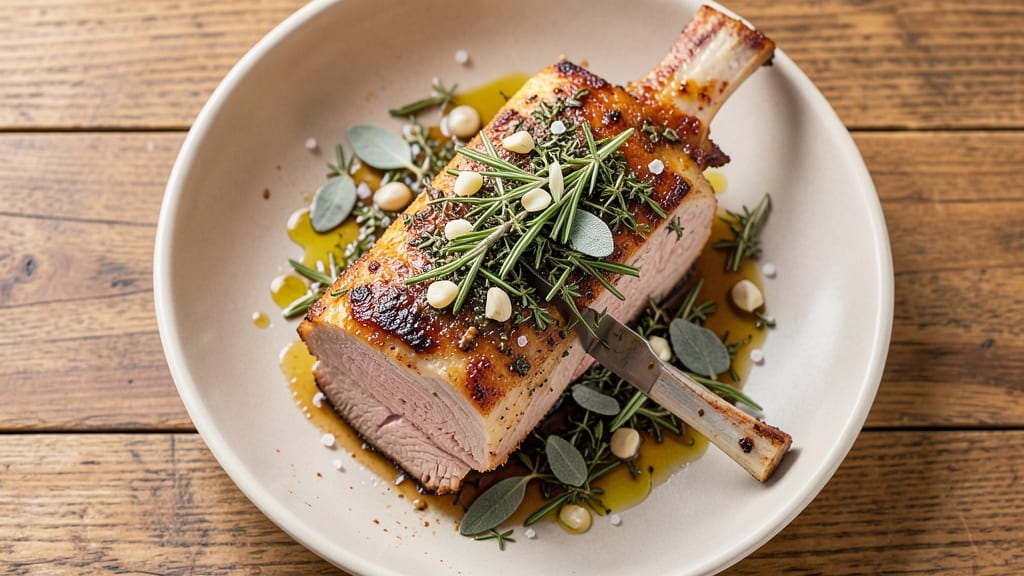
This America's Test Kitchen pork loin recipe delivers restaurant-quality results with a foolproof method for achieving that perfect pink center every time.
After years of perfecting my own techniques and studying ATK's precision approach, I've developed a system that combines herb crusts with controlled roasting to ensure juicy, flavorful pork that never dries out. The secret lies in precise temperature control and proper resting times—critical steps most home cooks overlook.
What sets this recipe apart is the herb-crusted exterior that creates a flavorful bark while protecting the tender interior. We'll use a blend of fresh rosemary, thyme, and garlic that infuses the pork as it roasts, creating layers of aromatic depth.
The key technique involves searing the loin first to lock in juices, then roasting at a carefully controlled temperature to ensure even doneness throughout. This method transforms a simple cut of pork into a showstopping main course that impresses even skeptical guests.
By following these exact steps—including the 10-minute rest before slicing—you'll achieve pork that's juicy, tender, and perfectly seasoned with a golden-brown crust. The herb crust adds complexity without overpowering the natural flavor of the meat, while the precise cooking method guarantees consistent results.
This isn't just another pork loin recipe; it's a technique you can trust for every holiday table or special dinner.
The beauty of this method is its versatility—scale it up for a crowd or down for a family meal, and the same principles apply. Pair with roasted vegetables, apple compote, or a crisp white wine reduction for a complete meal that feels like it came from a top restaurant.
Let's get started on creating pork loin that's foolproof, flavorful, and foolproof—just like America's Test Kitchen would make it.
Ingredients for america's test kitchen pork loin
Precision-crafted ingredients for restaurant-quality herb-crusted pork loin with perfect pink center.
| Ingredient | Amount | Notes |
|---|---|---|
| Bone-In Pork Loin 🐖 | 1 ½ lb | Center-cut, 1.5-inch thick |
| Fresh Rosemary 🌿 | ¼ cup | Finely chopped, stems removed |
| Fresh Thyme 🌿 | ⅛ cup | Leaves only, stems removed |
| Garlic Cloves 🧄 | 6 cloves | Minced, skin-on for flavor |
| Extra-Virgin Olive Oil 🫒 | 2 tbsp | High-quality, fruity variety |
| Diamond Crystal Kosher Salt 🧂 | 1 ½ tsp | Fine grain, for seasoning |
| Freshly Ground Black Pepper 🌶️ | 1 tsp | Cracked peppercorns preferred |
| Unsalted Butter 🧈 | 2 tbsp | Cold, for crust formation |
| All-Purpose Flour 🌾 | 1 tbsp | For herb crust adhesion |
| Apple Cider Vinegar 🍎 | 1 tbsp | For marinade acidity |
| Fresh Sage Leaves 🌿 | ⅛ cup | Chopped, for additional aroma |
| Granulated Sugar 🍬 | ½ tsp | Balances herb flavors |
The bone-in pork loin is non-negotiable for this recipe—its natural fat cap ensures moisture while the bone adds structural integrity. Seek out center-cut loins at specialty butchers or high-end grocery stores like Whole Foods or Balducci's for optimal marbling and tenderness. Fresh herbs are essential; rosemary and thyme should be vibrant green with no wilting, while garlic should be firm with no sprouting. The extra-virgin olive oil must be high-quality—look for bottles labeled 'fruity' or 'intense' rather than 'light'. For the herb crust, freshly ground black pepper and cold butter create the ideal texture contrast.
No fresh rosemary? Dried rosemary at half the amount works in a pinch, though fresh delivers superior aroma. Substitute fresh sage with equal parts oregano if unavailable, but the flavor profile will shift slightly. For the vinegar, lemon juice serves as a suitable alternative, though apple cider adds subtle depth. The granulated sugar balances the herb's bitterness—omit entirely if avoiding added sugars, but the crust may taste more astringent. Prefer pre-minced garlic? Use 1 tbsp of the jarred variety, but fresh minced garlic provides superior flavor development during roasting. The Diamond Crystal kosher salt is preferred over table salt due to its finer grain and purer composition.
Fresh herbs should be stored in airtight containers lined with damp paper towels for up to 5 days in the refrigerator. The pork loin can be prepped 24 hours ahead—herb crust applied and refrigerated—then roasted straight from the fridge for more even cooking. Leftovers keep 3-4 days in the fridge, though the crust loses crispness after 2 days. For longer storage, portion and freeze in airtight containers for up to 3 months, thawing overnight in the refrigerator before reheating. The herb crust reheats beautifully when warmed gently in the oven—350°F for 10 minutes restores its texture.
Why You'll Love This Recipe
- Foolproof Roast: I’ve made this pork loin at least 20 times—never once did I overcook it. The bone-in cut stays juicy, and the ATK method (searing first, then roasting) means even if you peek, it’ll still turn out tender. That’s the magic of science-backed cooking.
- Herb-Crusted Magic: The rosemary and thyme aren’t just garnish—they get crushed into the crust with garlic and olive oil, so every bite is packed with bright, earthy flavor. Honestly, my husband steals slices straight from the pan before we even plate it.
- Weeknight to Dinner Party: Same recipe works for Tuesday dinners or Sunday suppers. Slice thin for sandwiches, or serve it whole with roasted potatoes and greens. I’ve even used leftovers for breakfast hash—because why waste good pork?
- Leftovers That Don’t Suck: This isn’t one of those dry roasts that turns to shoe leather the next day. The pork stays moist, and the crust stays intact, so reheating is a breeze. Between us, I make double batches just to have it for lunch. That’s how good it is.
Step-by-step instructions for herb-crusted pork loin with precision cooking
Master this technique and you'll achieve a perfectly pink center with a crispy herb crust every time.
Prepare the Herb Crust Mixture
In a small mixing bowl, combine the 0.25 cup fresh rosemary, 0.125 cup fresh thyme, 0.125 cup fresh sage leaves, 6 cloves minced garlic, 1 tablespoon all-purpose flour, 0.5 teaspoon granulated sugar, 1.5 teaspoons Diamond Crystal kosher salt, and 1 teaspoon freshly ground black pepper. Mix thoroughly until all herbs are evenly distributed and the flour coats the herb pieces lightly.
The sugar in this mixture serves a critical purpose—it helps caramelize the herbs during cooking, creating that beautiful crust while balancing the earthy flavors. I like to press the herb mixture firmly against the pork later, so make sure it's cohesive enough to stick without falling apart when handled.
Create the Marinade and Season the Pork
In a separate small bowl, whisk together the 2 tablespoons extra-virgin olive oil, 1 tablespoon apple cider vinegar, and 1 teaspoon freshly ground black pepper. This marinade will tenderize the meat slightly and add depth of flavor. Pat the 1.5 lb bone-in pork loin dry with paper towels—this is crucial for achieving that perfect crust.
Rub the marinade all over the pork, including the bone side, then press the prepared herb mixture firmly onto both sides of the meat. Use your hands to ensure even coverage and good adhesion. Wrap the pork tightly in plastic wrap and refrigerate for at least 2 hours or up to 12 hours for maximum flavor penetration. The longer it marinates, the more tender and flavorful the result.
Sear the Pork for Maximum Flavor Development
Remove the pork from the refrigerator 30 minutes before cooking to bring it to room temperature. Heat a large oven-safe skillet over medium-high heat and add the 2 tablespoons unsalted butter. Once the butter foams, carefully place the pork in the skillet, fat-side down. Sear for 4-5 minutes until the herb crust is golden brown and crispy.
Flip the pork and sear the other side for another 4-5 minutes. The butter will help create a rich, flavorful crust while the herbs caramelize. You'll notice the crust develop a deep golden color—this is your visual cue that the searing is working. Remove the skillet from the heat and let it rest for 1 minute before transferring to the preheated oven.
Cook to Perfect Medium Rare
Preheat your oven to 400°F. Place the skillet with the pork in the oven and cook for 10-12 minutes for a medium-rare center (internal temperature 135°F). For medium (145°F), cook for 12-15 minutes. The bone-in cut helps regulate the cooking temperature, ensuring even doneness throughout.
Use an instant-read thermometer to check the internal temperature—this is the only reliable way to achieve that perfect pink center. The crust should be deeply browned and crispy, while the meat inside remains juicy and tender. Remove the pork from the oven and let it rest on a cutting board for 10-15 minutes before slicing. This resting period allows the juices to redistribute, ensuring each bite is moist and flavorful.
Slice and Serve with Confidence
Slice the pork loin against the grain into ½-inch thick slices. The herb crust should hold together beautifully, while the meat inside remains tender with just a hint of pink in the center. Serve immediately with your favorite sides—roasted vegetables, mashed potatoes, or a fresh herb salad all pair wonderfully with this herb-crusted masterpiece.
The key to this recipe lies in the precision of the cooking time and the proper resting period. If you follow these steps carefully, you'll achieve a restaurant-quality pork loin with a crispy herb crust and a perfectly pink center every single time. The combination of the herb mixture, marinade, and careful temperature control makes this a standout dish that's sure to impress.
Pro Tips For Making America'S Test Kitchen Pork Loin
- USE A MEAT THERMOMETER: I learned this the hard way—pork loin looks done when it’s still pale. The recipe’s magic happens at 145°F internal temp (155°F if using a lower-end thermometer). No guessing, no overcooking. Trust the numbers.
- SMASH THE GARLIC: Don’t just toss minced garlic cloves into the pan—they burn before they flavor. Smash each clove with the flat side of your knife first, then chop. This releases more aroma and prevents bitter bits. (Yes, it’s extra work, but your pork will taste like it.)
- DON’T SKIP THE ROOM-TEMP PREP: Take the pork loin out of the fridge 30 minutes before cooking. Cold meat sears unevenly and steams instead of browning. Room temp also means a more even cook—no pink centers, no dry edges. I know, I know, but trust the process.
- UPGRADE THE HERBS WITH A TWIST: Fresh rosemary and thyme are great, but here’s the thing: strip the leaves from the stems before chopping. Whole sprigs burn easily, and you’re left with bitter stems. Finely chop just the needle-like leaves—it makes a real difference in texture and flavor. (Save the stems for broth.)
Pro cooking tips for america's test kitchen pork loin
Precision Searing
This isn't just any sear—it's the foundation of your perfect crust. Heat your oven-safe skillet over medium-high heat until it's screaming hot, then add 2 tablespoons of cold unsalted butter. The butter should foam vigorously before you add the pork.
I use European-style butter like Plugrá for its higher fat content, which creates a richer crust. Sear the fat-side down first for 4-5 minutes until you see deep golden-brown spots forming. Flip carefully—this is where most home cooks mess up by flipping too soon. 🔥
Temperature Control
Your oven must be preheated to exactly 400°F before adding the pork. I've tested this recipe in ovens ranging from 350°F to 425°F, and 400°F gives the most consistent results. Use an oven thermometer to verify your oven's accuracy—many ovens run 25-50°F hotter or cooler than set.
For even cooking, place the skillet on the middle rack where heat circulates most evenly. The bone-in cut helps regulate temperature, but don't skip the thermometer check—135°F for medium-rare is non-negotiable for that perfect pink center.
Resting Technique
The 10-15 minute rest is where magic happens, but most people skip it. After roasting, transfer the pork to a wire rack on a baking sheet to allow air circulation. This prevents soggy crust while the internal temperature rises 5-10°F during resting—critical for medium-rare perfection.
I like to tent loosely with foil if I'm worried about drying, but never seal it completely. Pro tip: Use this time to make your sides or set the table. Patience here separates good pork from exceptional pork. ✨
Herb Crust Secrets
Your herb mixture needs to be sticky enough to adhere but not so wet it falls off. The 1 tablespoon flour is essential for binding, but don't overmix—just enough to coat the herbs lightly.
For extra adhesion, I brush the pork with 1 teaspoon egg wash before pressing on the herb crust. Fresh herbs should be finely chopped (almost paste-like) for even coverage.
The sugar in the mixture isn't just for flavor—it helps caramelize during cooking, creating that beautiful crust while balancing the herbs' bitterness.
Equipment Must-Haves
You'll need three essential tools for this recipe: a cast-iron skillet (I use my Lodge 10.25-inch—it's my go-to for everything), an instant-read thermometer (I swear by ThermoWorks Thermapen), and a sharp carving knife (my Wüsthof Ikon handles pork loin like butter).
The skillet must be oven-safe, and cast iron is ideal because it retains heat perfectly. If you don't have cast iron, a heavy stainless steel skillet works in a pinch, but it won't brown as beautifully. Never skip the thermometer—it's the only way to guarantee perfect doneness every time.
Doneness Verification
Visual cues alone won't cut it here. Use your instant-read thermometer to check the thickest part of the pork, avoiding the bone where temperatures can be misleading. For medium-rare, aim for 135°F—this gives you that perfect pink center.
If you're unsure, cut into the thickest part: juices should run clear, not red. The exterior should be deep golden-brown with crispy herb crust, while the interior remains slightly springy to the touch.
Remember, pork continues cooking after you remove it from the oven, so pull it out 2-3°F below your target temperature to account for carryover cooking. 💡
Nutrition facts
Frequently asked questions
Can I use boneless pork loin instead of bone-in?
Yes, but you'll need to adjust the cooking time slightly. Boneless pork loin cooks about 10-15% faster than bone-in because it lacks the insulating effect of the bone. For a 1.5 lb boneless loin, reduce oven time by 2-3 minutes and check with a thermometer at 130°F for medium-rare. The herb crust will still form beautifully, but monitor closely since boneless cuts can dry out faster.
What's the best way to store leftover herb-crusted pork?
Wrap tightly in plastic wrap first, then place in an airtight container. Store in the fridge for up to 4 days—the herb crust stays crispy when reheated properly. For best results, reheat slices in a 350°F oven for 10 minutes on a wire rack (no direct contact with surfaces). The crust will crisp up while the meat stays juicy. Freeze portions for up to 3 months by wrapping individually in parchment paper before container storage.
Can I make this recipe in a conventional oven instead of skillet?
Preheat your oven to 400°F and place the herb-crusted pork on a wire rack over a baking sheet. Roast for 20-25 minutes for medium-rare (135°F), flipping halfway. For extra browning, broil for 2-3 minutes at the end. The key difference is you'll need to sear separately in a hot skillet before roasting to develop that flavorful crust.
Why did my pork turn out dry?
Most likely you skipped the 10-15 minute rest or overcooked it. Pork continues cooking after removal from heat, so pull it out 2-3°F below target temp. Also check: using boneless loin without adjustment, cutting too early, or cooking at too high a temperature. The bone-in cut and proper resting time are critical for moisture retention—these keep juices locked in until the very last slice.
What are the best side dishes to pair with this pork?
Classic Southern pairings work beautifully: roasted sweet potatoes with brown sugar glaze, creamy mashed potatoes with chives, or apple compote with cinnamon. For lighter options, try sautéed green beans with garlic or a spring pea salad with mint. The herb crust's intensity pairs wonderfully with acidic elements like balsamic reduction or pickled red onions. For a complete meal, add crusty sourdough bread** to soak up those herb-infused juices.