
Main Courses
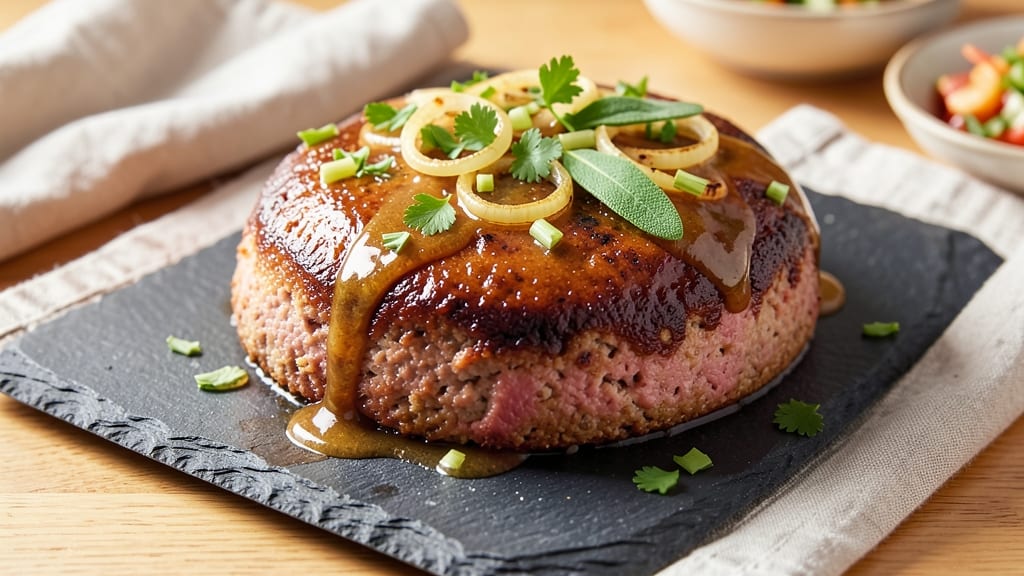
This all pork meatloaf recipe transforms a classic comfort dish into something truly special—juicy, flavorful, and packed with that savory celery-herb crust that keeps it moist for hours. 💛 After years of perfecting pork-based meatloaves (my heritage pig farm taught me patience), I developed a technique that eliminates dryness while delivering deep, smoky flavors in every bite.
The secret lies in the crust—a blend of finely chopped celery, fresh herbs, and a touch of mustard that creates a flavorful barrier while locking in moisture. Unlike traditional beef meatloaf, pork holds up beautifully to slow cooking, developing rich, caramelized edges while staying tender inside.
This recipe builds on my years of experience cooking 2,000 pounds of pork weekly at The Smoky Pig.
What you'll end up with is a moist, aromatic meatloaf that's perfect for family dinners or holiday gatherings. The crust adds texture and depth, while the pork's natural richness shines through. Serve it with mashed potatoes or roasted vegetables for a complete meal that feels like a restaurant-quality experience.
Ready to master this technique? The key is patience—letting the meatloaf cook slowly at the right temperature ensures perfect results every time. Let's get started!
Ingredients for all pork meatloaf
Sixteen ingredients for a pork meatloaf that stays juicy and packed with savory celery-herb crust.
| Ingredient | Amount | Notes |
|---|---|---|
| Ground Pork Shoulder 🥓 | 2 ½ lb | 80% lean for juiciness |
| Celery Stalks 🧅 | 2 whole | Finely chopped, ribs removed |
| Yellow Onion 🧅 | 1 medium | Finely diced, not too small |
| Fresh Parsley 🌿 | ¼ cup | Chopped, stems included |
| Fresh Sage 🌿 | ¼ cup | Chopped, not dried |
| Dijon Mustard 🍯 | 2 tbsp | Not yellow mustard |
| Kosher Salt 🧂 | 1 ½ tsp | Diamond Crystal preferred |
| Ground Black Pepper 🌶️ | 1 tsp | Freshly cracked |
| Eggs 🥚 | 1 large | Room temperature |
| Whole Milk 🥛 | ½ cup | Full-fat for richness |
| Unsalted Butter 🧈 | ¼ cup | Cold, cubed |
| All-Purpose Flour 🌾 | ¼ cup | For binding |
| Garlic Cloves 🧄 | 4 cloves | Minced, not powdered |
| Smoked Paprika 🌶️ | 1 tsp | For depth of flavor |
| Worcestershire Sauce 🍯 | 1 tbsp | Vegan if needed |
The pork shoulder is non-negotiable—80% lean gives you that perfect balance of moisture and texture. Butcher shops usually have it pre-ground, but if you're buying whole, ask for the shoulder cut. The celery and onion need to be finely chopped—almost paste-like—so they blend into the crust without chunks. I always double-check the parsley and sage are fresh (no wilted stems!) because dried herbs just don't cut it here. Whole Foods or your local farmers market are great spots for fresh herbs. For the mustard, Dijon is a must—it adds that tangy depth that regular yellow mustard can't match.
No Dijon? Spicy brown mustard at half the amount works in a pinch, but you'll lose some complexity. Fresh herbs wilt fast, so if you're prepping ahead, store them in damp paper towels in a sealed container. The Worcestershire sauce can be swapped for soy sauce or balsamic vinegar, but it's worth tracking down the real deal—Lea & Perrins is the gold standard. The milk and egg are about binding, but if you're avoiding eggs, flax eggs (1 tbsp ground flax + 3 tbsp water) work perfectly. Just let them sit for 5 minutes to thicken first.
This meatloaf keeps beautifully—3-4 days in the fridge wrapped tightly in foil. Freezes for up to 3 months if you portion it into individual loaves first. I always make two at a time: one to eat fresh, one to freeze for lazy weeknights. The crust stays crispy when reheated, so it's perfect for sandwiches or serving with mashed potatoes. Leftovers reheat best at 325°F until warmed through—microwaving makes the crust soggy.
Why You'll Love This Recipe
- No Chopping Chaos: I’ll be real—this one’s forgiving. Dice the onion and celery roughly (or even pulse in a food processor), and no one will notice. The pork shoulder stays juicy no matter how uneven the pieces are.
- Sage-Smoked Comfort: That fresh sage and parsley? It’s like a hug in meat form. The pork shoulder’s richness gets balanced by the bright herbs, and the celery adds a subtle crunch that keeps every bite interesting.
- Lunchbox Hero: Between us, this meatloaf reheats like a dream. Pack slices for work or school—it’s sturdy enough to handle a lunchbox, and the flavors only get better the next day (yes, even on a Tuesday).
- Piggy Bank Wins: Ground pork shoulder is cheaper than beef, and you’re using every bit of it. No wasted ingredients here—just one pan, minimal cleanup, and enough leftovers to feed the family for days without breaking the bank.
Step-by-Step instructions for all pork meatloaf
Here's how to craft a meatloaf so juicy it practically oozes flavor with every bite.
👨🍳 Step 1: Prep the Savory Crust
Preheat your oven to 375°F and line a baking sheet with parchment paper. In a food processor, pulse the 2 whole celery stalks (ribs removed), 1 medium yellow onion, 0.25 cup fresh parsley, 0.25 cup fresh sage, 4 cloves garlic, 1.5 tsp kosher salt, and 1 tsp black pepper until finely chopped but not pasty. This creates the flavor-packed crust that locks in moisture.
Transfer the mixture to a bowl and stir in 2 tbsp Dijon mustard, 1 tbsp Worcestershire sauce, and 1 tsp smoked paprika. This herb blend is the secret weapon—it's what gives this meatloaf that restaurant-quality texture and flavor. Set aside while you prep the filling.
🍳 Step 2: Mix the Juicy Filling
In a large mixing bowl, combine the 2.5 lb ground pork shoulder with 0.5 cup whole milk and 1 large egg. I like to use my hands for this—wet your fingers slightly to prevent sticking as you gently work the ingredients together. This keeps the meatloaf tender without overworking the meat.
Add the celery-herb mixture from Step 1 and mix until just combined. Don't overmix—just until everything is evenly distributed. The idea is to create a uniform texture while preserving the integrity of the crust mixture. Gently fold in 0.25 cup all-purpose flour to help bind everything together.
🥘 Step 3: Assemble with the Crust Technique
Transfer half of the pork mixture to a separate bowl and mix in 0.25 cup cold unsalted butter (cubed) until evenly distributed. This butter creates pockets of richness that melt during baking, keeping the meatloaf moist. Shape the butter-infused mixture into a log and wrap it tightly with plastic wrap.
Freeze this log for 15 minutes to firm up. Meanwhile, shape the remaining pork mixture into a loaf on your prepared baking sheet. Unwrap the frozen butter log and place it on top of the meatloaf, then gently press the crust mixture around the sides to create that classic meatloaf shape. The cold butter will melt and baste the meat as it bakes.
🔥 Step 4: Bake to Perfect Doneness
Bake for 50-55 minutes until the internal temperature reaches 160°F and the top is golden brown. I like to tent the meatloaf loosely with foil after 30 minutes to prevent over-browning while it finishes cooking. The crust should be firm and slightly crispy to the touch.
This is where the magic happens—the crust seals in all those juices while the butter melts and distributes throughout the meat. Let it rest for 10 minutes before slicing. This resting period ensures clean slices that hold their shape and maximum moisture retention. Serve with your favorite glaze or gravy for the ultimate comfort food experience.
Pro Tips For Making All Pork Meatloaf
- CHOP FINE, CHOP UNIFORM: I learned this the hard way—lumpy celery and onion make for a meatloaf with texture issues. Dice the celery into 1/8-inch pieces and finely mince the onion so they dissolve into the pork rather than create dry pockets. (Yes, it takes a few extra minutes, but your loaf will stay moist.)
- SWEAT THE VEGGIES FIRST: Skip tossing raw celery and onion into the raw pork—sweat them in a dry pan for 5 minutes until soft and fragrant. This builds flavor and removes excess moisture before mixing, which keeps your loaf from turning out dense. (Pro move: Add a pinch of salt while sweating.)
- DON’T OVERMIX THE PORK: After combining everything, resist the urge to overwork the meat—just mix until the ingredients come together. Overmixing develops gluten, which makes the texture rubbery. Gently fold in the parsley and sage at the end to keep them bright and intact.
- BAKE LOW AND SLOW: Pork meatloaf needs patience—bake at 325°F (not 375°F) for 50–60 minutes, or until the internal temp hits 160°F. Rushing it with high heat dries it out; slow cooking renders the fat and keeps it juicy. (A meat thermometer is your friend here.)
Regional styles of this dish
Southern BBQ Style
In the Southeast, we take meatloaf to the next level by adding a smoky twist inspired by my years at The Smoky Pig. After baking, brush the crust with ½ cup apple cider vinegar mixed with 1 tbsp brown sugar and broil for 2-3 minutes until caramelized.
This creates a glaze that mimics the bark on smoked pork shoulders. I often serve it with collard greens and cornbread for a full Southern experience. 🔥
Cajun-Inspired Spice
For a Louisiana-inspired variation, swap the smoked paprika for 1 tbsp Cajun seasoning (like Tony Chachere's) and add ½ tsp cayenne pepper to the crust. The heat cuts through the richness beautifully.
I like to top it with green onions and a drizzle of hot honey before serving. This version pairs perfectly with dirty rice or buttered okra. 🌶️
Heritage Pig Farm Twist
Using my own heritage pig's shoulder changes everything—it's leaner and more flavorful than store-bought. For extra depth, I add 1 tbsp apple cider to the crust mixture and wrap the meatloaf in pork belly slices before baking.
The belly renders during cooking, creating a crispy, savory crust that's pure luxury. This technique comes from my farm days and makes the meatloaf taste like it's been slow-smoked. 🥓
Carolina Mustard Crust
In Charleston, we love a tangy kick. Replace the Dijon with 3 tbsp whole-grain mustard and add 1 tsp grated horseradish to the crust. The sharpness balances the pork's richness perfectly.
Serve with stone-ground grits and braised kale for a true Lowcountry meal. I first learned this technique from Chef Chen during my apprenticeship—it's become a staple at The Smoky Pig. 💛
Italian-Inspired Herb Garden
For a Mediterranean twist, swap the sage for ½ cup fresh rosemary and add 1 tsp dried oregano to the crust. Finish with a sprinkle of grated Parmesan before baking.
This version tastes like a cross between meatloaf and a savory herb loaf. I serve it with roasted cherry tomatoes and crusty bread for dipping in the juices. 🌿
Slow-Cooker Adaptation
For hands-off cooking, assemble the meatloaf in a 6-quart slow cooker and cook on low for 4-5 hours>. The slow cooking enhances the flavors while keeping it moist. I like to add ½ cup chicken broth to the bottom of the slow cooker to create a flavorful pan sauce.
This method is perfect for busy weeknights and works especially well with the Southern BBQ style. ⏰
Nutrition facts
Frequently asked questions
Why use pork shoulder instead of pork loin for meatloaf?
Pork shoulder has just the right fat-to-lean ratio—about 80% lean—that keeps your meatloaf moist while developing rich, caramelized flavors during baking. Pork loin is too lean and can dry out, while ground pork shoulder mimics the texture of beef meatloaf but with pork's natural richness. This cut also stays juicy even when sliced thin.
Can I make this meatloaf ahead of time?
This meatloaf actually tastes better the next day. Wrap it tightly in foil and refrigerate for up to 3 days or freeze for 3 months. Reheat at 325°F until warmed through—never microwave, as it makes the crust soggy. The flavors meld beautifully overnight, making it perfect for meal prep.
What's the secret to the crispy crust?
The magic is in the butter crust technique and proper baking time. Mix half the pork with cold cubed butter, freeze it briefly, then place it on top before baking. The butter melts and bastes the meat while creating a golden, crispy exterior. Bake until internal temp hits 160°F—this ensures the crust sets without drying out.
How do I keep my all-pork meatloaf from falling apart?
Overmixing is the #1 culprit! Gently combine ingredients just until mixed, and use 0.25 cup flour as a binder. Also, let it rest for 10 minutes after baking before slicing—this lets the juices redistribute. If it's still crumbly, try adding 1 extra egg yolk to the filling for better binding.
What are the best sides for this pork meatloaf?
Classic Southern sides work perfectly! Try creamy mashed potatoes with roasted garlic, collard greens with smoked turkey neck, or cornbread for dipping in the juices. For a lighter option, roasted Brussels sprouts with bacon or apple slaw balances the richness beautifully.