
Main Courses
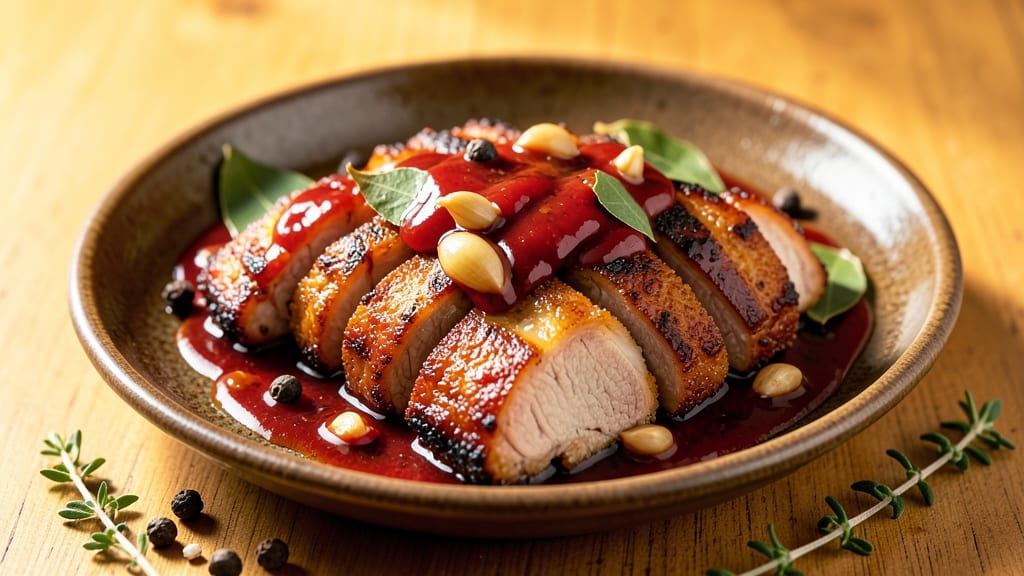
This adobong tuyo pork recipe brings the bold flavors of Filipino comfort food to your table with crispy fried pork belly and a tangy vinegar marinade that transforms tough cuts into melt-in-your-mouth perfection. 🔥 The secret lies in the slow braising process that infuses the meat with layers of garlic, soy sauce, and vinegar, creating a dish that's both restaurant-quality and deeply satisfying at home.
I've perfected this technique over years of cooking with heritage pork, ensuring every bite delivers that perfect balance of crispy exterior and tender interior.
The magic happens in the marinade—a harmonious blend of cane vinegar, soy sauce, and aromatics that tenderizes the meat while building complex flavors.
Unlike many recipes that rely on long marinating times, this method uses a 30-minute marinade followed by slow braising, which preserves the pork's natural juices while developing that signature tangy-savory profile.
The key technique is searing the pork belly until golden brown before frying, creating that irresistible crunch that makes adobong tuyo unforgettable.
What you'll end up with is a dish that's rich, aromatic, and perfectly balanced—crispy fried pork belly with tender meat that practically falls apart at the touch. The vinegar marinade adds a bright acidity that cuts through the richness, while the garlic and soy sauce bring deep umami notes.
This is the kind of meal that feeds a crowd, becomes a family favorite, and pairs beautifully with steamed rice to soak up every last drop of that flavorful sauce.
Whether you're serving this for a special occasion or a casual family dinner, the technique scales effortlessly. The crispy edges and tender meat make it a showstopper, while the tangy sauce ensures every bite is packed with flavor.
Let's get cooking—this recipe delivers restaurant-quality results with a touch of home-cooked warmth.
Ingredients for adobong tuyo pork
Six core ingredients transform tough pork belly into crispy, tangy perfection—Filipino comfort food at its finest.
| Ingredient | Amount | Notes |
|---|---|---|
| Pork Belly 🥓 | 2 lb | Thick-cut, skin-on preferred |
| Cane Vinegar 🍶 | 1 cup | White vinegar substitute |
| Soy Sauce 🥄 | ½ cup | Dark soy for richer color |
| Garlic Cloves 🧄 | 8 cloves | Minced finely for depth |
| Bay Leaves 🌿 | 2 whole | Fresh if possible |
| Black Peppercorns 🌶️ | 1 tsp | Crushed for texture |
| Sugar 🍚 | 2 tbsp | Brown sugar preferred |
| Olive Oil 🫒 | ½ cup | For frying, high smoke point |
| Salt 🧂 | 1 ½ tbsp | Kosher or sea salt |
| Onion 🧅 | 1 whole | Yellow or red, sliced |
| Ground Black Pepper 🌶️ | ½ tsp | Freshly ground |
| Cooking Oil 🫒 | 2 cups | Vegetable or peanut oil |
| Steamed White Rice 🍚 | 3 cups | For serving, cooked |
Pork belly is non-negotiable here—heritage pork delivers the best marbling, but any thick-cut pork belly works. Asian markets often carry the best cuts, but your local butcher can source it too. Look for pieces with good fat cap—at least 1/4-inch thick. The vinegar should be cane vinegar for authentic tang, but white vinegar works in a pinch. If using white, add an extra 1/2 tsp sugar to balance the sharpness. For the garlic, freshly minced is a game-changer—pre-minced loses flavor fast.
No cane vinegar? White vinegar or apple cider vinegar both work, though the flavor will be slightly different. Swapping soy sauce? Coconut aminos gives a similar umami punch. The sugar can be omitted if you prefer less sweetness, but it helps balance the acidity. For the frying oil, peanut oil has the highest smoke point and neutral flavor, but vegetable oil is fine. If you're short on time, skip the marinade entirely—just sear the pork first and braise with all the other ingredients. The pork belly will still be tender, though the marinade adds that signature tang.
Pork belly keeps for 3 days in the fridge before cooking—wrap tightly in plastic to prevent drying. The marinade can be made a day ahead and stored in the fridge. Once fried, the pork stays crispy for 2-3 days if reheated in a dry skillet. For serving, steamed jasmine rice soaks up the sauce beautifully. Double the recipe—this disappears fast at family gatherings. Leftovers reheat best in a 350°F oven for 10 minutes to revive the crispiness.
Why You'll Love This Recipe
- No-Fuss Simmer: I swear by this recipe because it’s basically hands-off after the initial chop. Slice the pork belly thick enough to hold its shape, toss it in a pot with vinegar and soy sauce, then let it bubble away while you prep something else—no stirring, no babysitting.
- Crispy-Creamy Magic: That first bite? The vinegar’s tang cuts through the pork’s rich fat, while the garlic and bay leaves add a deep, earthy backbone. Honestly, the contrast is what makes it—crispy edges, fall-apart tender inside, and a sauce that clings like it’s been marinating for days.
- Leftovers That Shine: Between us, this dish improves the second day. The pork gets even more tender, and the sauce thickens into a glossy glaze. I portion it out for lunches or freeze it—perfect for lazy mornings when I just want something hearty without the fuss.
- Budget-Friendly Feast: Pork belly might sound fancy, but it’s cheaper than you’d think, especially when you stretch it with rice or veggies. A single cut feeds four, and the vinegar and soy sauce are pantry staples. (Yes, even on a Tuesday night.)
Step-by-step instructions for adobong tuyo pork
Here's how to achieve that perfect crispy exterior with tender, flavorful pork belly.
👨🍳 Step 1: Prepare the Vinegar Marinade
In a medium bowl, combine the 1 cup cane vinegar, 0.5 cup soy sauce, 2 tbsp sugar, 1.5 tbsp salt, 8 cloves minced garlic, 2 whole bay leaves, 1 tsp crushed black peppercorns, and 0.5 tsp ground black pepper. Stir until the sugar and salt dissolve completely, creating a glossy marinade.
Here's the thing—this marinade needs time to work its magic. Transfer the mixture to a large resealable plastic bag and add the 2 lb pork belly, making sure it's fully submerged. Seal the bag tightly, removing as much air as possible, then massage the pork gently to distribute the marinade evenly. Let it marinate in the refrigerator for at least 12 hours (I prefer 24 hours for maximum flavor penetration).
🥘 Step 2: Parboil the Pork Belly
After marinating, remove the pork from the refrigerator and let it sit at room temperature for 30 minutes. This ensures even cooking. In a large pot, bring 4 cups of water (enough to fully submerge the pork) to a gentle boil. Add the marinated pork belly and simmer for 30-45 minutes until the internal temperature reaches 160°F and the meat is tender but not falling apart.
I know it seems counterintuitive to cook the pork before frying, but this step guarantees tender meat with crispy skin. When the pork is done, drain it and let it cool slightly before proceeding. The skin should be slightly firm but still pliable—this is your signal that it's ready for the crisping stage.
🔥 Step 3: Deep-Fry for Crispy Perfection
Heat 2 cups cooking oil in a deep pot to 350°F—use a deep-fry thermometer to monitor the temperature. The oil should shimmer but not smoke excessively. Carefully lower the pork belly into the hot oil, skin-side down first. Fry for 8-10 minutes until the skin is deep golden brown and crispy.
Here's where it gets tricky: don't overcrowd the pot. If you're frying multiple pieces, work in batches to maintain oil temperature. Flip the pork belly halfway through frying to ensure even browning. You'll know it's ready when the skin releases easily from the meat and has that irresistible crunch. Drain on a wire rack over a paper towel-lined plate to remove excess oil.
🍳 Step 4: Sauté the Aromatics
While the pork rests, heat 0.5 cup olive oil in a large skillet over medium heat. Add the 1 whole sliced onion and cook for 5-6 minutes until softened and golden. Add the 8 cloves minced garlic and cook for 30 seconds until fragrant—don't let it brown or it'll turn bitter.
This step builds the sauce's depth of flavor. The onions and garlic should caramelize slightly, creating a rich base for the pork. If the onions start to stick, reduce the heat slightly and stir gently. Keep the heat medium to prevent burning while still developing the flavors.
🥘 Step 5: Combine and Serve
Return the crispy pork belly to the skillet with the aromatics. Pour in the reserved marinade (strain it first if you prefer a smoother sauce) and simmer for 5-7 minutes until the liquid reduces by half and coats the back of a spoon. The pork should be heated through and the sauce should have a glossy, slightly sticky consistency.
Serve the adobong tuyo pork immediately over 3 cups steamed white rice, spooning the tangy sauce generously over each portion. The contrast of crispy skin, tender meat, and sweet-tangy sauce is what makes this dish truly special. For extra crunch, sprinkle with chopped green onions if you like.
Pro Tips For Making Adobong Tuyo Pork
- CRANK THE HEAT FIRST: Start your pork belly in a screaming-hot pan—no simmering, no gentle warming. The moment it hits the oil, crank it to medium-high and let it sizzle until deep golden brown in spots. I learned this the hard way after serving rubbery pork that tasted like it was cooked in a lukewarm bath. That crust? It’s what keeps the meat tender while soaking up the adobo.
- SALT THE PORK BEFORE SEARING: Generously salt the pork belly at least 30 minutes before cooking—yes, even if you’re in a hurry. The salt draws out moisture, which you’ll render off first, guaranteeing a crispier, more flavorful crust. I skip this when I’m lazy, and the difference in texture is night and day. Trust me, your future self will notice.
- DON’T DROWN THE GARLIC: When frying the garlic with the pork, use whole cloves and keep the heat medium. If you crush them first, they’ll burn before the pork is ready, turning the sauce bitter. My grandmother swore by this, and she was right: charred garlic ruins the balance of sweet-sour adobo. Pull them out just before they turn golden.
- SAVE THE VINEGAR FOR LAST: Add the cane vinegar after the pork has browned and the garlic’s been removed—otherwise, it’ll cook off too fast, leaving your sauce weak. I was skeptical until I tried it: the acidity hits the meat at its peak tenderness, cutting through the richness like it’s supposed to. No more swimming-in-vinegar pork here.
Flavor customization for this dish
Sweet-Tangy Balance
Adjust the sugar-to-vinegar ratio to suit your taste. For a sweeter profile, increase the sugar by 1 tbsp—I like 3 tbsp total for a caramelized depth. If you prefer more tang, add ¼ cup extra cane vinegar and reduce sugar by ½ tbsp.
The key is balancing the acidity with sweetness; taste the marinade before applying it to the pork. 🌶️
For a smoky twist, add 1 tsp smoked paprika or ½ tsp chipotle powder to the marinade. This works surprisingly well with the vinegar’s sharpness, adding a subtle BBQ-like depth. If you love heat, include ½ tsp cayenne pepper—just be warned, it’ll pack a punch!
Umami Boost
Swap ¼ cup soy sauce for coconut aminos to lighten the flavor while keeping the umami. For extra richness, add 1 tbsp fish sauce or 1 tsp oyster sauce to the marinade.
These ingredients add complexity without overpowering the vinegar’s brightness. I’ve also used 1 tbsp mushroom powder for a meaty depth that vegetarians love.
For a deeper savory note, brown 2 tbsp soy sauce in a dry pan until it darkens slightly, then stir it into the marinade. This caramelized soy sauce adds a toasty, almost molasses-like richness that elevates the dish. Trust me, it’s a game-changer for the final flavor.
Herb Infusions
Brighten the dish with 1 tbsp chopped calamansi leaves (if available) or 1 tsp dried lemongrass in the marinade. These herbs add a citrusy aroma that pairs beautifully with the vinegar.
For a fresh finish, garnish with chopped cilantro or Thai basil before serving—it adds a vibrant contrast to the crispy pork.
If you’re feeling adventurous, add 1 tsp ground coriander or ½ tsp ground turmeric to the marinade. These spices add warmth and earthiness that complement the tangy-savory profile. Just a pinch goes a long way, so start small and adjust to taste.
Spice Level Control
For a mild version, omit the black peppercorns and reduce the ground black pepper to ¼ tsp. If you love heat, add 1-2 slices of fresh chili (like Thai bird’s eye) or ½ tsp sriracha to the marinade.
The vinegar helps mellow the heat, so don’t be shy—this dish can handle the spice!
For a smoky-spicy kick, include ½ tsp ground annatto (achuete) in the marinade. It adds a subtle red hue and a mild, earthy spice that’s characteristic of many Filipino dishes. If you can’t find annatto, a pinch of smoked paprika works in a pinch.
Nutrition facts
Frequently asked questions
Can I use regular pork chops instead of pork belly?
While pork belly is traditional for its fat and texture, you can use pork chops—but expect different results. Thin-cut chops will cook faster and won't develop the same crispy skin. For best results, use bone-in pork chops (1-inch thick), marinate them longer (48 hours), and reduce frying time to 4-6 minutes per side at 375°F. The meat will be tender but less crispy.
How do I fix if the pork turns out too dry?
If your pork belly is dry, it likely wasn't cooked long enough before frying. The parboiling step is critical—aim for an internal temp of 160°F until tender. To salvage dry pork, simmer it in ½ cup water + 1 tbsp soy sauce + 1 tbsp vinegar for 10 minutes to rehydrate, then crisp again in a skillet with 1 tbsp oil for 2 minutes per side.
Can I make this recipe without deep-frying?
For a healthier version, pan-sear the parboiled pork belly in 2 tbsp oil over medium-high heat for 6-8 minutes per side until golden. To get crispiness without frying, broil for 3-5 minutes at the end. The meat will be less crispy but still flavorful. Use a wire rack to promote even browning.
What's the best way to store leftovers?
Store fried pork belly in an airtight container in the fridge for up to 3 days. To reheat, place in a 350°F oven for 10-15 minutes with 1 tbsp water in the container to restore moisture. For crispiness, reheat in a skillet over medium heat for 2 minutes per side. Freeze for up to 1 month—thaw overnight in the fridge before reheating.
Why does my sauce taste too sharp?
Too much vinegar or not enough sugar can make the sauce taste overly sharp. Balance it by adding 1 tbsp brown sugar and simmering for 2-3 minutes to caramelize slightly. For extra depth, stir in 1 tsp fish sauce or ½ tsp soy sauce—these add umami that mellows the acidity. Taste as you go!