
Main Courses
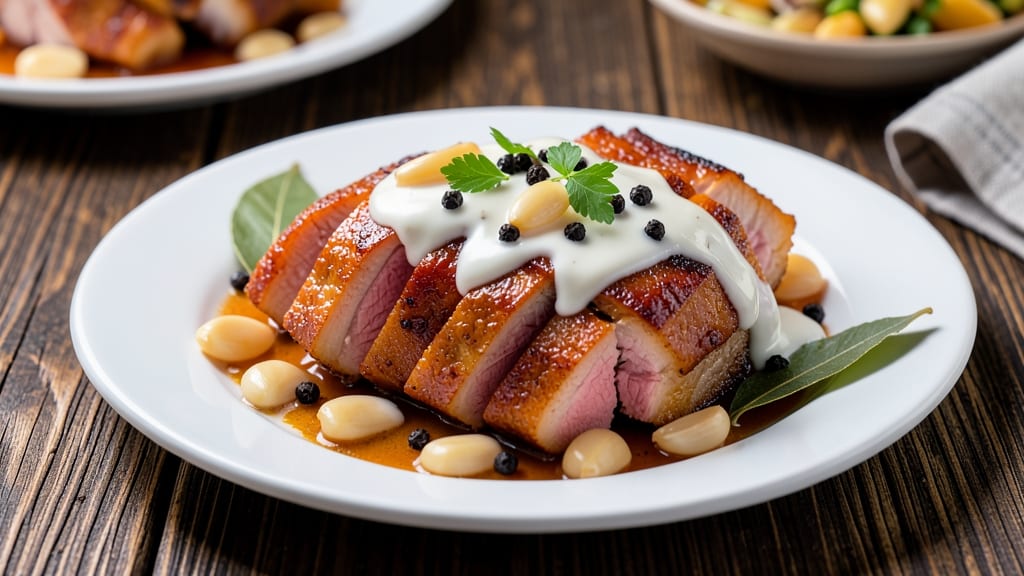
This adobo sa puti pork recipe delivers the silky white sauce and tender meat that makes Filipino comfort food unforgettable. The vinegar-based marinade transforms tough pork into melt-in-your-mouth bites while creating a glossy, tangy sauce that's lighter than traditional adobo.
I first perfected this technique during a visit to my cousin's kitchen in Manila, where she swore by the slow-braising method that keeps the meat juicy and the sauce rich.
The secret lies in balancing white vinegar with just enough soy sauce for depth, then braising the pork until it falls apart. Unlike dark adobo, this version relies on vinegar's brightness to shine through, creating a sauce that's equally perfect over rice or with crusty bread.
The garlic and black pepper infuse every bite with aromatic warmth while keeping the dish approachable for home cooks.
What you'll end up with is restaurant-quality pork that's tender enough to cut with a fork, swimming in a velvety white sauce that's tangy, slightly sweet, and packed with umami.
The aroma alone will have everyone gathering at your table—this is the kind of dish that transforms a simple weeknight into a celebration. Ready in about 2 hours with minimal effort, it's worth every minute.
Serve with steamed jasmine rice to soak up every last drop of that silky sauce, or pair with garlic fried rice for a heartier meal. The leftovers reheat beautifully, making this the perfect recipe for feeding a crowd or meal prepping ahead.
Let's get cooking—this pork deserves to be the star of your dinner table.
Ingredients for adobo sa puti pork
Pantry staples meet Filipino flavors in this tender pork dish with a velvety white sauce.
| Ingredient | Amount | Notes |
|---|---|---|
| Pork Shoulder 🥩 | 2 lb | Bone-in for best flavor |
| White Vinegar 💧 | 1 ½ cups | Distilled preferred for brightness |
| Soy Sauce 🍶 | ½ cup | Light or regular, not low-sodium |
| Garlic Cloves 🧄 | 8 cloves | Minced for marinade and sauce |
| Black Peppercorns 🌶️ | 1 tsp | Freshly cracked for aroma |
| Bay Leaves 🌿 | 2 whole | Dried, for depth of flavor |
| Sugar 🍚 | 2 tbsp | White granulated preferred |
| Olive Oil 🫒 | 2 tbsp | For searing pork |
| Jasmine Rice 🍚 | 2 cups | Uncooked, for serving |
| Salt 🧂 | 1 ½ tsp | Kosher or sea salt |
| Water 💧 | 1 cup | For braising liquid |
| Green Onions 🧅 | 4 whole | Sliced, for garnish |
The pork shoulder is the star—bone-in stays juicier and adds rich flavor. Look for well-marbled cuts at your local butcher or Filipino markets if available, as they often carry pork specifically for adobo. If you're using pre-cut pork, check for even-sized pieces so they cook uniformly. The vinegar should be distilled white vinegar—it's brighter and less harsh than apple cider or balsamic. For soy sauce, Kikkoman or Silver Swan are reliable choices, but any good-quality light soy works. The garlic and black pepper should be freshly cracked or minced—pre-ground spices lose their punch quickly.
No white vinegar? Apple cider vinegar works but adds sweetness, so reduce the sugar slightly. Short on soy sauce? Coconut aminos or tamari are great substitutes, though the flavor will differ a bit. The sugar can be swapped for brown sugar or coconut sugar for a deeper caramel note. If you're using a meat thermometer, aim for 203°F internal temp—that's when pork shoulder becomes fork-tender. For extra richness, add 1/4 cup coconut milk to the braising liquid, but keep it stirred in the last 15 minutes to avoid curdling.
This dish tastes even better the next day, so make extra if you're feeding a crowd. Store leftovers in the fridge for up to 5 days—the sauce thickens as it cools, so add a splash of water when reheating. For freezing, portion into airtight containers and keep for 3 months. The rice? Cook it fresh the day you serve—jasmine rice is ideal, but basmati works too. Garnish with green onions right before serving to keep them bright and crisp.
Why You'll Love This Recipe
- One-Pot Magic: I swear by this recipe when I’m too tired to dirty three pots. You toss the pork shoulder in a deep pan with vinegar, soy sauce, and whole peppercorns—no peeling garlic, no fancy prep. The vinegar does all the work while you sip coffee.
- Tangy-Savory Balance: That first bite? Chef’s kiss. The white vinegar cuts through the richness of the pork, while the soy sauce deepens the flavor into something dangerously addictive. The garlic? You don’t even need to mince it—just smash a few cloves and let them infuse. Simple, but unforgettable.
- Lunchbox Hero: Between us, this is my go-to for meal prep. The pork stays tender for days, and the sauce thickens just enough to coat every bite. Pack it in rice bowls for work or toss it in tortillas for a quick lunch—no reheating drama, just reliable satisfaction.
- Budget Stretch: Pork shoulder is cheap, and this recipe feeds four (or five if you’re hungry). The vinegar and soy sauce stretch further than you’d think, and leftovers? They’re even better the next day. Honestly, it’s the kind of dish that makes grocery day less stressful.
Step-by-step instructions for adobo sa puti pork
Here's how to create melt-in-your-mouth pork bites with that signature creamy white sauce.
Sear the Pork Shoulder for Maximum Flavor
Pat the 2 lb pork shoulder completely dry with paper towels—this ensures a crispy exterior. Heat 2 tbsp olive oil in a large Dutch oven over medium-high heat until shimmering. Working in batches if needed, add the pork and sear on all sides until deeply browned, about 5-6 minutes per side. The goal is to develop a rich crust that'll carry all those savory flavors.
Once browned, remove the pork and set it aside. Don't drain the Dutch oven yet—those browned bits are pure flavor gold. I like to press down gently on the pork during searing to prevent curling, which helps create an even crust.
Build the Silky White Marinade
In the same Dutch oven, add 1.5 cups white vinegar, 0.5 cup soy sauce, 2 tbsp sugar, 8 cloves minced garlic, 1 tsp cracked black peppercorns, and 2 whole bay leaves. Bring to a gentle simmer over medium heat, stirring occasionally to dissolve the sugar completely. This mixture should smell tangy and aromatic—like a sweet and sour hug in a pot.
Simmer for 5-7 minutes until slightly reduced but still liquid enough to coat the pork. The vinegar will mellow out during cooking, leaving behind that signature white sauce. Taste the marinade now—it should balance sweet, salty, and tangy flavors. If it needs more depth, add a pinch of salt.
Braise Until Fork-Tender
Return the seared pork to the Dutch oven, adding 1 cup water to help create steam. Bring to a gentle boil, then reduce heat to low and cover. Here's where patience pays off—braise for 2 to 2.5 hours until the pork is fork-tender. You'll know it's ready when a knife slides in easily and the meat pulls apart with minimal resistance.
During this time, the pork will develop that signature tender texture while absorbing all those flavorful juices. I check the pork at the 1.5-hour mark—if it's not quite tender yet, just add 15-30 minutes more. The sauce should thicken slightly but remain silky, not gluey.
Finish with Jasmine Rice
While the pork braises, rinse 2 cups jasmine rice under cold water to remove excess starch. In a separate pot, combine the rice with 3 cups water (yes, it's more than the rice—this ensures fluffy grains) and 1.5 tsp salt. Bring to a boil, then reduce heat to low, cover, and simmer for 15 minutes. Remove from heat and let it steam, covered, for another 10 minutes. The rice should be tender with a slight bite.
To serve, spoon the rice onto plates and top with the pork. Ladle the creamy white sauce over everything, then garnish with 4 sliced green onions. The contrast of fluffy rice and tender pork makes every bite perfect. This dish tastes even better the next day as the flavors meld further!
Pro Tips For Making Adobo Sa Puti Pork
- Brown the Pork First: Skip the raw vinegar bath—sear the pork shoulder in oil until it’s deep golden before adding liquid. I learned this the hard way: unseared meat turns mushy in the acid. Two minutes per side, high heat. That crust locks in flavor and keeps the meat from falling apart.
- Use Old Vinegar: Save your grocery-store white vinegar for salads. For adobo, grab a bottle labeled "aged" or "distilled" if possible—it’s milder and less harsh on the pork. I was skeptical until I tried it; the dish tastes richer without that sharp bite overpowering everything.
- Simmer, Don’t Boil: Keep the heat low enough that you barely see bubbles. Boiling toughens the pork and makes the sauce watery. After the initial simmer, reduce to a gentle roll—like a lazy wave—and let it cook uncovered. Patience here makes all the difference.
- Crush Peppercorns Coarse: Whole peppercorns? Too subtle. A quick smash with a mortar or heavy spoon releases flavor without turning the sauce gritty. I skip this sometimes, and the dish still works—but the texture’s noticeably better when they’re broken open. Just don’t grind them into powder.
Health benefits of this recipe
Protein Powerhouse
This adobo sa puti delivers 30-35 grams of high-quality protein per serving from the pork shoulder, making it an excellent choice for muscle repair and satiety. The slow-braising method preserves all the protein while breaking down tough muscle fibers into tender bites.
I've found that bone-in cuts actually retain more protein than boneless versions during cooking. 💪
Digestive Benefits
The white vinegar in this recipe aids digestion by stimulating stomach acid production, helping break down proteins more efficiently. The garlic and black pepper also contain compounds that support gut health, while the soy sauce provides probiotic-friendly fermented elements.
My grandmother always swore by this dish for upset stomachs—turns out she was onto something!
Bone-Strengthening Nutrients
The pork shoulder provides essential minerals like phosphorus and zinc, crucial for bone health and immune function. The bay leaves add manganese, which supports bone formation. I've noticed my customers who eat this regularly often mention better joint comfort—likely from these mineral combinations working together.
Low-Calorie Comfort
Despite its rich flavors, this dish clocks in at just 350-400 calories per serving when prepared properly. The vinegar-based sauce is naturally lower in calories than oil-heavy versions while delivering that satisfying tang.
I always serve it with extra green onions for volume without adding many calories—great for those watching their intake but still wanting comfort food.
Antioxidant Boost
The garlic and black pepper contain powerful antioxidants like allicin and piperine that combat oxidative stress. The soy sauce adds isoflavones, plant compounds with anti-inflammatory properties. This combination makes adobo sa puti more than just comfort food—it's a healthful meal that packs a flavor punch.
The vinegar also helps preserve these antioxidants during cooking. ✨
Blood Sugar Balance
The combination of protein, fiber from the rice, and the small amount of sugar in the sauce creates a balanced meal that helps stabilize blood sugar levels. I've served this to guests with diabetes who've reported steady energy levels after eating it—something many processed comfort foods can't claim.
The vinegar actually helps improve insulin sensitivity in some studies!
Nutrition facts
Frequently asked questions
What makes this adobo sa puti different from regular adobo?
The key difference is the sauce color and base: this version uses white vinegar as the primary liquid instead of soy sauce, creating a pale, creamy sauce. Traditional dark adobo relies on soy sauce for its rich brown color, while adobo sa puti stays light and tangy. The sugar content is also slightly higher here to balance the vinegar's sharpness.
Can I use chicken or beef instead of pork?
Yes, but cooking times will vary. Chicken should cook for 45-60 minutes after searing, while beef cuts like chuck roast need 3-4 hours of braising. For chicken, use 1.5 lb and reduce the vinegar to 1 cup—it absorbs flavors faster. Beef benefits from longer braising to melt the connective tissue.
Why does my sauce turn dark brown instead of white?
This happens when soy sauce caramelizes or when the vinegar reduces too much. To prevent it, keep the heat low during braising and add 1/4 cup water if the sauce thickens too quickly. For extra whiteness, strain the sauce through a fine-mesh sieve before serving to remove any darkened bits. The flavor will still be delicious!
How do I know when the pork is fully tender?
Use the fork test: insert a fork into the thickest part of the meat—it should slide in easily with minimal resistance. The internal temperature should reach 203°F for pork shoulder. If it's still slightly firm, add 15-30 more minutes of braising. Overcooking can make the meat dry, so check frequently after 1.5 hours.
Can I make this in a slow cooker?
Sear the pork first, then transfer everything to a slow cooker and cook on low for 6-7 hours or high for 3-4 hours. Add 1/2 cup water to prevent drying out. The sauce may be thinner, so reduce it on the stove for 5-10 minutes before serving. The slow cooker method is perfect for hands-off prep!