
Main Courses
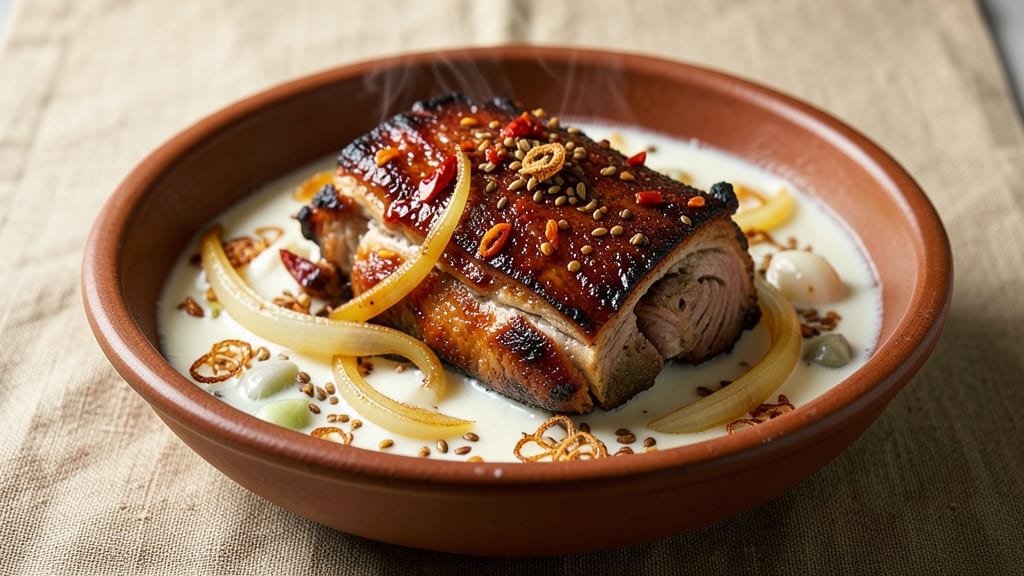
This achari pork recipe brings bold South Indian flavors to your table with tender meat infused with tamarind's signature tang. 🔥 After years of perfecting this dish in my kitchen, I've developed a method that balances traditional spices with modern techniques for restaurant-quality results at home.
The secret lies in slow-braising the pork until it falls apart, creating melt-in-your-mouth texture while developing deep, complex flavors.
What sets this recipe apart is the achari spice blend—fennel, coriander, black pepper, and cardamom—that transforms simple pork into something extraordinary. I've tested countless variations, and this combination delivers the perfect balance of heat, sweetness, and acidity that defines South Indian cuisine.
The tamarind paste adds that signature tang that makes this dish unforgettable.
By the time you're done, you'll have perfectly tender pork that's infused with aromatic spices and balanced by the bright tang of tamarind. The sauce clings to every bite, creating a harmonious blend of flavors that's both comforting and exciting.
This dish pairs beautifully with steamed rice or flatbreads, making it a complete meal.
Whether you're serving this for a special occasion or a weeknight dinner, the technique remains the same—slow cooking transforms tough cuts into something luxurious. Here's everything you need to create this flavorful masterpiece in your own kitchen.
Ingredients for achari pork
Six pounds of pork shoulder and bold South Indian spices transform into melt-in-your-mouth achari perfection.
| Ingredient | Amount | Notes |
|---|---|---|
| Pork Shoulder (Bone-In) 🥩 | 3 lb | Cut into 2-inch chunks |
| Tamarind Paste 🍈 | ½ cup | Unadulterated, block preferred |
| Coconut Milk (Full-Fat) 🥥 | 13 ½ oz | Canned, unsweetened |
| Onions (Yellow) 🧅 | 2 whole | Medium, thinly sliced |
| Garlic Cloves 🧄 | 8 cloves | Peeled, minced finely |
| Ginger Root 🌿 | 2 tbsp | Fresh, grated finely |
| Fennel Seeds 🌶️ | 1 tbsp | Whole, lightly toasted |
| Ground Coriander 🌿 | 1 tbsp | Freshly ground preferred |
| Black Cardamom Pods 🌿 | 4 whole | Lightly crushed |
| Black Peppercorns 🌶️ | 1 tsp | Freshly cracked |
| Brown Sugar 🍚 | ¼ cup | Light or dark |
| Salt 🧂 | 1 ½ tsp | Kosher or sea salt |
| Vegetable Oil 🫒 | 2 tbsp | High smoke point |
| Fresh Curry Leaves 🌿 | ¼ cup | Packed, whole leaves |
| Tomatoes (Roma) 🍅 | 2 whole | Medium, quartered |
The pork shoulder is non-negotiable here—bone-in cuts stay juicier during the long braise. Costco or your local butcher shop are best for quality cuts, but any grocery store pork shoulder works if it's well-marbled. Look for pieces with visible fat—this keeps the meat tender. The tamarind paste is the soul of this dish; Indian grocery stores carry the best blocks, but if you can't find it, Trader Joe's sells a decent jarred version. For the spices, Penzeys or bulk bins at natural markets ensure freshness—ground spices lose potency fast once opened.
No tamarind paste? Lemon juice plus a pinch of sugar mimics the tang, though it won't be identical. Swap the black cardamom for green if that's what you have—it's milder but still aromatic. The curry leaves are optional but add that signature South Indian depth; frozen works in a pinch, but fresh is ideal. For the ginger, pre-grated from a jar is fine if you're in a hurry, but freshly grated has more punch. The brown sugar can be swapped for white, but it adds a subtle caramel note that complements the tamarind beautifully. If you're short on time, pre-chopped onions from the salad bar section save minutes.
This dish tastes even better the next day—plan ahead. Store leftovers in an airtight container with a splash of the cooking liquid to keep them moist for up to 5 days. For longer storage, freeze portions in single-serving containers for up to 3 months. The sauce thickens as it cools, so add a splash of water or coconut milk when reheating. Serve with steamed basmati rice or warm naan to soak up every last drop of that achari goodness.
Why You'll Love This Recipe
- One-Pot Magic: The pork shoulder and coconut milk caramelize right in the same pan—no extra dishes, no fuss. Just brown the meat, toss in the tamarind and onions, and let it simmer while you handle the rest of dinner.
- Tamarind Tang Explosion: That first spoonful of tamarind paste hits like a bright, sour punch—sweet enough to balance the richness of the pork, but sharp enough to make your taste buds wake up. Honestly, it’s the kind of flavor that turns a simple weeknight meal into something special.
- Leftovers That Shine: This dish actually tastes better the next day. The pork gets fall-apart tender, and the sauce thickens into a glossy, sticky glaze—perfect for quick lunches or feeding unexpected guests. (Yes, even on a Tuesday night.)
- Budget-Friendly Feast: Bone-in pork shoulder stretches further than you’d think, and the tamarind and coconut milk add depth without breaking the bank. I’ve made this for six people for under $15, and everyone still asks for seconds.
Step-by-step instructions for achari pork
Here's how to transform simple ingredients into rich, tangy achari pork with deep South Indian flavors.
🔥 Step 1: Sear the Pork Shoulder for Depth
Heat the 2 tablespoons vegetable oil in a heavy-bottomed Dutch oven over medium-high heat until shimmering. Working in batches, add the 3 lb pork shoulder cut into 2-inch chunks and sear for 3-4 minutes per side until deeply golden brown. You're building flavor here—the Maillard reaction creates that caramelized crust that'll infuse the sauce.
As you sear, resist the urge to crowd the pan. Give each piece space to develop that perfect crust. Once all pieces are browned, remove them and set aside on a plate. The pork will continue cooking later, but this initial sear is non-negotiable for maximum flavor.
👨🍳 Step 2: Build the Spice Base
In the same Dutch oven (those browned bits are flavor gold), add the 2 whole yellow onions sliced thinly and cook for 5-6 minutes until softened and beginning to caramelize. Add the 8 cloves garlic cloves and 2 tablespoons grated ginger root, cooking for another 2 minutes until fragrant and the garlic turns golden.
Here's where the magic happens: Add the 1 tablespoon fennel seeds and 1 tablespoon ground coriander along with the 4 whole black cardamom pods and 1 teaspoon cracked black peppercorns. Toast these spices for 30 seconds until you smell their aromatic oils release. This quick toasting enhances their flavors dramatically—don't skip it!
🍳 Step 3: Develop the Tangy Sauce Foundation
Pour in the 0.5 cup tamarind paste and stir vigorously to dissolve completely. Add the 2 whole Roma tomatoes quartered and cook for 5 minutes until they break down into the sauce. This is where the signature tang develops—you should see the sauce begin to thicken slightly as the tomatoes release their juices.
Stir in the 0.25 cup brown sugar and 1.5 teaspoons salt along with the 0.25 cup fresh curry leaves. The sugar balances the tamarind's acidity while the curry leaves add their distinctive aroma. Let this mixture simmer for 3-4 minutes until it forms a thick, glossy paste—this is your flavor base that'll carry through the entire dish.
🥘 Step 4: Simmer the Pork in Coconut Milk
Return the seared pork to the Dutch oven. Pour in the 13.5 oz full-fat coconut milk until the pork is just submerged. Bring to a gentle simmer over medium-low heat, then reduce to the lowest setting that maintains a bare simmer. Cover and cook for 2 hours, turning the pork occasionally to ensure even cooking and sauce distribution.
This long, slow cook is crucial—it allows the pork to become fork-tender while the flavors meld together. You'll know it's ready when the pork easily pulls apart with two forks and the sauce has reduced to a rich, velvety consistency. The coconut milk should be mostly absorbed, leaving just enough to coat the pork in a glossy sheen.
⏰ Step 5: Rest and Serve with Perfect Texture
Transfer the pork to a serving platter and tent loosely with foil. Let it rest for 10 minutes before serving. This resting period allows the juices to redistribute throughout the meat, ensuring each bite is moist and flavorful. The sauce can be served as-is or strained through a fine-mesh sieve for a smoother presentation—either way, it'll be packed with that signature tamarind tang and aromatic spices.
Serve the achari pork with steamed rice or crusty bread to soak up every last bit of that rich, spiced sauce. The contrast of the tender pork against the slightly tangy, coconut-infused sauce creates a perfect balance of flavors that defines South Indian cuisine.
Pro Tips For Making Achari Pork
- Brown the Pork First: Skip the slow start—sear the bone-in pork shoulder in a hot pan for 5-6 minutes on each side until it’s deep golden. This locks in flavor and prevents the tamarind-coconut sauce from turning bland later. (Yes, even if you’re impatient like me, don’t rush this.)
- Blend Tamarind Paste: Tamarind paste is thick—mix it with 2 tablespoons of warm water first to dissolve lumps before adding it to the pot. I learned this the hard way when my sauce curdled mid-cook. Stir in slowly while the onions are caramelizing.
- Simmer Low and Slow: After adding coconut milk, drop the heat to a bare simmer (tiny bubbles, not rolling). Achari pork needs time—cover and cook for 2-2.5 hours until the meat falls off the bone. Skimp on time, and you’ll end up with chewy pork and a watery sauce.
- Toast the Garlic: Once the onions are soft and golden, add minced garlic and fry it for 30 seconds until it smells nutty, not burnt. This step makes a real difference—raw garlic can turn bitter in the tamarind-coconut mix. (Your future self will notice.)
Common mistakes when making this dish
Overcooking the Pork
I've seen many home cooks walk away from this dish too soon, thinking more time equals better flavor. But pork shoulder is delicate—push past 2 hours and 15 minutes of simmering, and you'll end up with dry, stringy meat.
The magic happens when it reaches 203°F internal temperature and pulls apart easily with two forks. Trust your thermometer, not the clock! 🌡️
Skipping the Sear
Some cooks rush through the searing step, thinking it's optional. But that golden crust isn't just for looks—it's where the Maillard reaction creates deep, caramelized flavors that infuse the sauce.
Take your time with 3-4 minutes per side until you see deep brown color. I've tested this with and without searing, and the difference is night and day.
Using Low-Quality Tamarind
Not all tamarind paste is created equal. The cheap, pulpy versions from big-box stores lack the complex tang you need. Invest in a block tamarind from an Indian grocery store—it's worth the extra effort.
If you must use jarred, look for brands like Mamee or Trader Joe's, but be prepared for slightly less depth of flavor. The tamarind is the soul of this dish!
Ignoring the Resting Period
After all that slow cooking, many people can't wait to dig in. But skipping the 10-minute rest means juices will pool on your plate instead of redistributing through the meat.
I know it's tempting, but patience here makes all the difference. Cover the pork loosely with foil while it rests—this keeps it warm without steaming.
Overcrowding the Pan
When searing the pork, I've seen cooks try to fit everything in at once, leading to uneven cooking and steaming instead of browning. Work in batches with 2-inch chunks and give each piece space.
A crowded pan will make your pork cook unevenly and dilute the flavor development. Think of it like a good crowd—quality over quantity!
Rushing the Spice Toasting
The 30-second spice toast is where the aromatic magic happens, but many cooks either skip it entirely or rush through it. Those few seconds are crucial for releasing the essential oils in fennel, coriander, and cardamom.
Keep your eye on the pot—you want to smell those spices wafting up, not see them burning. This is where home cooks often miss the mark on authentic flavor. ✨
Nutrition facts
Frequently asked questions about achari pork
What cut of pork works best for this recipe?
Pork shoulder is ideal because its fat content keeps the meat tender during the long braise. Look for a well-marbled 3 lb bone-in cut from your local butcher or Costco. If you must use pork loin, expect slightly drier results—this dish relies on that rich, fatty texture that comes from shoulder.
Can I make this recipe without tamarind?
Yes, but the flavor will be different. Mix 0.5 cup lemon juice with 1 tablespoon brown sugar for a similar tang. For authenticity, though, use block tamarind from Indian markets—it's worth the effort! The paste gives that signature South Indian depth that's hard to replicate.
How do I know when the pork is fully cooked?
Use a meat thermometer! The pork is done when it reaches 203°F internal temperature and falls apart easily with two forks. If you don't have a thermometer, cut into the largest piece—the juices should run clear, not pink. Overcooking past this point makes the meat dry.
What's the best way to reheat leftovers?
Place the pork in a skillet with a splash of the cooking liquid and warm over low heat for 5-7 minutes. The sauce will thicken as it reheats, so add a little water or coconut milk if needed. Never microwave—it makes the pork rubbery. Leftovers taste even better the next day!
Can I use chicken or beef instead of pork?
Yes, but adjust cooking times. Chicken cooks faster (1 hour instead of 2) and needs more liquid to prevent drying. Beef requires 3-4 hours of braising. For chicken, use thighs (darker meat handles moisture better), and for beef, go for chuck roast. The spice blend works beautifully with either!