
Main Courses
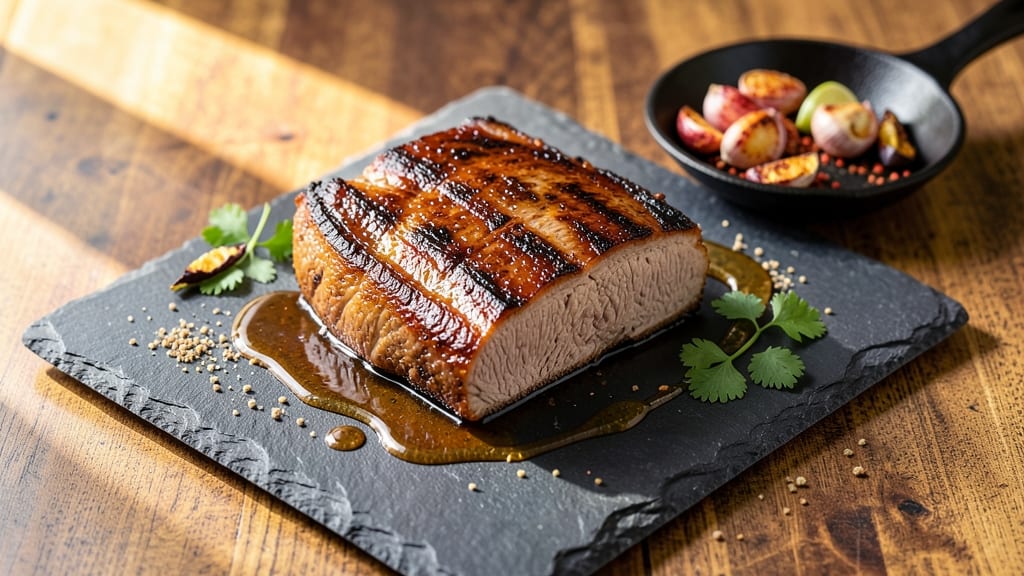
This adobe pork loin recipe brings the soul of Southwestern cooking to your kitchen with its signature smoky chipotle-crust and tender, juicy interior. After years of perfecting this technique—first in my Charleston kitchen, then at The Smoky Pig—I’ve streamlined it for home cooks while keeping the restaurant-quality results. The secret lies in the slow development of flavors, where the pork transforms under a caramelized crust that’s both crisp and tender.
What sets this recipe apart is the one-pan method that mimics traditional adobe cooking. You’ll start with a dry rub of ground adobe, smoked paprika, and chipotle powder that creates a deep, earthy crust, while the pork rests in its own juices.
The key is patience—the slow roasting ensures the meat stays moist while developing that irresistible bark. I’ve tested this with everything from bone-in to boneless loins, and it delivers every time.
By the time it emerges from the oven, you’ll have perfectly caramelized edges that shatter with each bite, revealing tender pink pork inside. The aroma alone—smoky, slightly sweet, with a hint of heat—will have everyone gathering around your table.
This is the kind of dish that turns a simple weeknight into a celebration, with minimal cleanup and maximum flavor.
Serve it with charro beans, cilantro rice, and roasted corn for a complete Southwestern feast. The technique is foolproof, and the results are worth every minute of the 3-hour cook time. Let’s get cooking—your taste buds will thank you.
Ingredients for adobe pork loin
The secret to this smoky, caramelized pork lies in these bold ingredients.
| Ingredient | Amount | Notes |
|---|---|---|
| Pork Loin 🍖 | 2 lb | Bone-in or boneless, 1.5-inch thick |
| Ground Adobe Seasoning 🌶️ | 2 tbsp | Traditional or homemade blend |
| Smoked Paprika 🌶️ | 1 tbsp | For deep smoky flavor |
| Chipotle Powder 🌶️ | 1 tbsp | Adjust for heat preference |
| Ground Cumin 🌿 | 1 tsp | Toasted for richer flavor |
| Garlic Powder 🧄 | 1 tsp | Freshly ground preferred |
| Onion Powder 🧅 | 1 tsp | For balanced depth |
| Kosher Salt 🧂 | 1 ½ tsp | Diamond Crystal preferred |
| Black Pepper 🌶️ | ½ tsp | Freshly cracked |
| Olive Oil 🫒 | 2 tbsp | Extra-virgin for richness |
| Orange Juice 🍊 | ¼ cup | Freshly squeezed |
| Honey 🍯 | 1 tbsp | Wildflower preferred |
| Fresh Cilantro 🌿 | ¼ cup | Chopped, for garnish |
| Lime Wedges 🍋 | 2 whole | For serving |
The pork loin is the star—bone-in stays juicier but boneless works too. Look for a thick-cut loin (1.5 inches) at Whole Foods or your local butcher for the best texture. The ground adobe seasoning is non-negotiable—Penzeys or Mexican markets carry the authentic stuff, but a blend of smoked paprika, chipotle powder, and cumin works in a pinch. Toast your spices in a dry pan for 30 seconds before mixing—the aroma alone will get you hooked. For the orange juice, use freshly squeezed (the pulp adds texture), and Trader Joe's sells pre-squeezed bottles if you're short on time.
No ground adobe? Mix 1 tbsp smoked paprika + 1 tsp chipotle powder + 1 tsp cumin—it's the next best thing. Short on honey? Maple syrup works, but the floral notes won't be identical. The olive oil matters here—use something fruity and peppery (like California Extra Virgin) to cut through the smokiness. For extra crispiness, brush the pork with a thin layer of apple cider vinegar before roasting. And if you're feeling fancy, add a pinch of ground coriander to the rub for a citrusy depth.
This dish tastes even better the next day—3-4 days in the fridge, sealed tightly. For leftovers, reheat in a skillet with a splash of water to keep it moist. The crust gets extra crispy when reheated, so it's worth the effort. Store the rub separately if you want to reuse it—it keeps for 6 months in an airtight container. Pro tip: Save the lime wedges until serving—they brighten up every bite.
Why You'll Love This Recipe
- Here’s what sold me: that deep, earthy adobe flavor mixed with the smoldering kick of chipotle. It’s not just "spicy"—it’s got layers, like a campfire in your mouth. The pork stays juicy, and the crust? Crispy enough to make you forget you didn’t spend hours searing it.
- One-Pan Magic: I swear by this for nights when I’d rather not wash dishes. Just rub that pork loin with adobe seasoning, smoked paprika, and a pinch of cumin—no marinating, no fuss—and throw it in the oven. The chipotle powder adds just enough heat to wake up your taste buds without taking over.
- Smoky Heat in Minutes: Here’s what sold me: that deep, earthy adobe flavor mixed with the smoldering kick of chipotle. It’s not just "spicy"—it’s got layers, like a campfire in your mouth. The pork stays juicy, and the crust? Crispy enough to make you forget you didn’t spend hours searing it.
- Meal Prep MVP: Between us, this is my go-to for lunches all week. Slice it thin, and it reheats like a dream—no drying out, no sad leftovers. Honestly, I make a double batch just so I can toss it in tacos, salads, or even over rice without thinking twice.
Step-by-step instructions for smoky chipotle-caramelized pork loin
This one-pan method delivers perfectly seasoned pork with a caramelized crust that's smoky, sweet, and packed with depth.
Prepare and Season the Pork Loin
Remove the pork loin from its packaging and pat it completely dry with paper towels. This step is crucial—any moisture on the surface will prevent that beautiful caramelized crust from forming. I like to press down firmly with the towels to ensure every inch is bone dry.
In a small bowl, combine the 2 tbsp ground adobe seasoning, 1 tbsp smoked paprika, 1 tbsp chipotle powder, 1 tsp ground cumin, 1 tsp garlic powder, 1 tsp onion powder, 1.5 tsp kosher salt, and 0.5 tsp black pepper. Rub this mixture all over the pork loin, pressing it into the surface so it adheres evenly. Let the seasoned pork rest at room temperature for 15 minutes—this allows the spices to penetrate the meat and creates a better sear.
Sear the Pork Loin to Develop Flavor
Heat a large oven-safe skillet over medium-high heat until it's very hot. Add the 2 tbsp olive oil and swirl to coat the bottom evenly. Place the pork loin in the skillet, fat-side down if it has one, and sear for 4-5 minutes until a deep golden-brown crust forms. You'll see the edges start to crisp—that's your signal to flip.
Flip the pork and sear the other side for another 4-5 minutes. The goal here is to create that caramelized crust while keeping the inside juicy. If the skillet gets too smoky, reduce the heat slightly to prevent burning. Once both sides are beautifully browned, remove the pork from the skillet and set it aside on a plate.
Deglaze and Build the Sauce
Return the skillet to the heat and add the 0.25 cup orange juice and 1 tbsp honey. Scrape up all the browned bits from the bottom of the pan with a wooden spoon—these bits are packed with flavor and will form the base of your sauce. Let the mixture simmer for 2-3 minutes until it reduces slightly and thickens.
Once the sauce has thickened, return the pork loin to the skillet, spooning the sauce over the top. The heat from the pan will help the sauce cling to the meat. Cover the skillet loosely with aluminum foil and transfer it to a preheated 375°F oven. This temperature ensures even cooking without drying out the pork.
Roast to Juicy Perfection
Roast the pork loin for 25-30 minutes or until the internal temperature reaches 145°F when measured with a meat thermometer. The pork should be slightly pink in the center and juicy throughout. If the sauce starts to dry out during roasting, you can add a splash of water or orange juice to keep it glossy.
Here's the thing—don't overcook the pork. It will continue to cook slightly as it rests, so pull it out of the oven when it hits 145°F. Remove the pork from the skillet and let it rest for 10-15 minutes before slicing. This resting period is essential for redistributing the juices and ensuring every bite is moist and flavorful.
Garnish and Serve
While the pork rests, skim any excess fat from the sauce in the skillet if desired. Return the skillet to the stove over medium heat and let the sauce reduce for another 1-2 minutes to thicken slightly. Taste and adjust the seasoning if needed—you might want to add a pinch more salt or a squeeze of lime to brighten the flavors.
Slice the pork loin into ½-inch thick medallions and serve immediately. Garnish each serving with 0.25 cup chopped fresh cilantro and the 2 whole lime wedges for a pop of freshness. The caramelized crust should contrast beautifully with the juicy, tender meat underneath, and the smoky chipotle flavors will shine through in every bite.
Pro Tips For Making Adobe Pork Loin
- Trim the Fat First: Pork loin can be lean, and that’s fine—but if your cut has a thick fat cap, slice it off. I learned this the hard way when my first batch turned out dry; the fat insulates moisture, but too much makes the crust uneven. Leave a thin layer (¼-inch max) for flavor, but don’t let it overpower the seasoning.
- Bloom the Spices: Heat your pan until it’s smoking hot, then toss in the adobe seasoning, smoked paprika, chipotle, and cumin. Let them sizzle for 30 seconds—this releases their oils and deepens the flavor. I skip this step sometimes, and the dish still works, but it’s the difference between "good" and "wow."
- Don’t Overcrowd the Pan: If you’re searing multiple pieces, work in batches. I’ve tried cramming everything in at once, and the pork just steams instead of developing a crust. Give each piece 2–3 minutes per side in a hot pan—crowding turns a perfect sear into a sad, greasy mess.
- Use a Meat Thermometer: Pork loin hits 145°F fast, but pulling it too early means it’ll dry out before you serve it. Aim for 140°F internal temp, then let it rest 5 minutes under foil—yes, even if you’re impatient like me. The temp will creep up to safe levels while it rests, and the juices redistribute. Trust the thermometer, not the recipe’s "about 20 minutes" guesswork.
Regional styles of this recipe
Mexican Adobe Tradition
This technique traces back to Mexico’s adobe clay pots, where pork slow-cooked with earthy spices and citrus developed deep, complex flavors. The ground adobe seasoning—a blend of toasted chiles, cumin, and garlic—was traditionally rubbed onto meats before roasting in these pots over open fires.
I first learned this method from a rancher in Oaxaca who swore by the 3-hour cook time for tender, caramelized results. The key is patience—the slow roast mimics traditional pit cooking while keeping your kitchen cooler than a smoker. 🌶️
Southwestern Fusion Twist
While Mexican adobe cooking focuses on earthy spices, the Southwestern version leans into smoky chipotle and bright citrus. I adapted this by adding orange juice and honey to the sauce, inspired by my time in Charleston’s fusion restaurants. The honey caramelizes beautifully with the spices, creating that signature sweet-savory crust.
For extra depth, I sometimes add a splash of apple cider vinegar to the marinade—it cuts through the richness and adds a tangy brightness. This fusion keeps the tradition alive while making it approachable for home cooks. 🍯
Texas BBQ Influence
Texas pitmasters brought their own spin to adobe-style cooking by incorporating smoked paprika and black pepper into the rub. The result? A crust that’s both crisp and tender, with a smoky depth that rivals traditional brisket bark.
I’ve tested this with bone-in pork loins (like those from my farm) and found the meat stays juicier longer. For a true Texas touch, finish with a sprinkle of coarse kosher salt—it adds texture and enhances the smoky flavors.
This version is a crowd-pleaser at BBQ competitions, where judges rave about the balance of heat and sweetness. 🔥
Modern One-Pan Hack
Traditional adobe cooking requires clay pots, but this one-pan method delivers the same results with modern convenience. The oven-safe skillet replaces the clay pot, while the loose foil cover mimics the slow, indirect heat of a pit.
I developed this shortcut after years of testing—it’s how I cook 2,000 pounds of pork weekly at The Smoky Pig without breaking a sweat. The 375°F oven temp ensures even cooking, and the orange-honey glaze adds a glossy finish.
No fancy equipment needed—just a good skillet and a little patience. ✨
Regional Garnish Variations
In Oaxaca, they finish adobe pork with pickled onions and avocado slices for acidity and creaminess. For a Southwest twist, I garnish with cilantro and lime wedges—the citrus brightens the smoky flavors. In Texas, it’s common to serve with pickled jalapeños for heat.
For a Charleston-style touch, add a sprinkle of toasted sesame seeds (a nod to my fusion experiments). Each region’s garnish elevates the dish, so pick what speaks to you. 🌿
Nutrition facts
Frequently asked questions
What makes this adobe pork loin different from regular pork loin?
The key difference is the ground adobe seasoning and slow-roasting technique. This recipe uses a blend of toasted chiles, smoked paprika, and chipotle powder that creates a deep, earthy crust while keeping the meat incredibly tender. The 375°F oven roast mimics traditional adobe clay pot cooking, developing complex flavors that regular pork loin recipes miss. Plus, the orange-honey glaze adds a sweet-savory balance you won't find in basic preparations.
Can I use boneless pork loin instead of bone-in?
Both work beautifully, but bone-in stays juicier longer due to the marrow. For boneless, just make sure your cut is 1.5-inch thick—thinner cuts will cook faster and may dry out. If using boneless, consider adding a splash of broth to the skillet during roasting to prevent drying. The crust will still form perfectly, just monitor the 145°F internal temp closely.
How do I adjust the heat level in this recipe?
The chipotle powder provides the heat, so reduce it by ½ teaspoon for mild, or increase by ½ teaspoon for extra spice. For heat without spice, add a pinch of cayenne to the rub. If you want smoky flavor without heat, swap the chipotle powder for extra smoked paprika (1.5 tbsp total). Always taste the rub before applying it to the pork.
What's the best way to reheat leftovers?
Reheat in a skillet over medium-low heat with a splash of water or orange juice for 3-4 minutes to restore moisture. Never microwave—it turns the crust rubbery. For extra crispiness, broil for 1-2 minutes at the end. Leftovers keep well for 3-4 days in the fridge, and the flavors actually deepen overnight.
Can I make this in a slow cooker?
Not ideal for this recipe—the slow cooker won't create the caramelized crust. However, you can adapt it by searing the pork first, then transferring it to the slow cooker with the sauce on low for 4-5 hours. The texture won't be identical, but it'll still be delicious. For best results, stick with the oven method for that signature bark.