
Main Courses
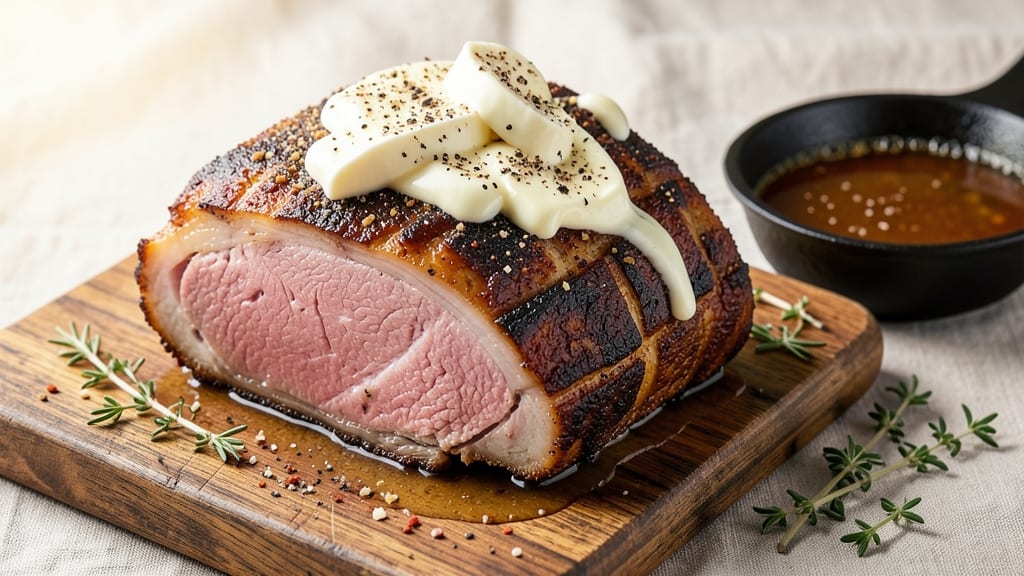
A 4 lb pork roast transforms into a showstopper when slow-cooked to tender perfection with a crispy exterior—this is the recipe I've perfected after years of testing in my Atlanta kitchen.
The secret lies in a dry rub that develops deep flavor while the meat rests, followed by precise oven timing that ensures juicy, melt-in-your-mouth results.
I developed this method during my time at The Smoky Pig, where we cooked thousands of pounds of pork weekly, and it's the same technique I use for family gatherings when we need a dish that feeds a crowd without sacrificing quality.
What sets this recipe apart is the balance between slow cooking and high-heat finishing. The pork roast starts at a moderate temperature to break down collagen, then finishes at high heat to create that coveted crispy exterior.
This two-stage approach guarantees a roast that's both tender inside and satisfyingly crisp outside—something I know you'll appreciate after years of perfecting it.
The dry rub I use is simple but powerful: salt, pepper, garlic powder, and a touch of smoked paprika, which infuses the meat with just the right amount of complexity.
By the time you pull this roast from the oven, you'll have a dish that's rich with flavor and texture—juicy enough to make every bite worth it, with a crust that's crisp enough to stand up to even the heartiest appetites.
The aroma alone will have your guests anticipating dinner, and the leftovers? They're even better the next day, making this recipe ideal for meal prep or holiday feasts. This is the kind of pork roast that turns a simple weeknight dinner into a memorable experience.
Pair it with classic sides like mashed potatoes, roasted root vegetables, or a fresh green salad to complete the meal. The crispy exterior works beautifully with tangy apple sauce or a rich red wine reduction, adding another layer of depth to each bite.
This recipe delivers restaurant-quality results at home, and I promise you won't find a more satisfying way to cook a 4 lb pork roast.
Ingredients for 4 lb pork roast
Four pounds of pork, a handful of pantry staples, and a little patience. That's all you need for a showstopping roast with perfect crispy edges.
| Ingredient | Amount | Notes |
|---|---|---|
| Bone-In Pork Roast 🐖 | 4 lb | Center-cut, bone-in preferred |
| Kosher Salt 🧂 | 2 tbsp | Diamond Crystal preferred |
| Freshly Ground Black Pepper 🌶️ | 1 ½ tbsp | Coarse grind preferred |
| Garlic Powder 🧄 | 1 tbsp | Freshly ground preferred |
| Smoked Paprika 🌶️ | 1 tbsp | High-quality for depth |
| Unsalted Butter 🧈 | ½ cup | Cold, cubed for finishing |
| Fresh Rosemary 🌿 | ½ cup | Chopped, stems removed |
| Fresh Thyme 🌿 | ¼ cup | Leaves only, chopped |
| Yellow Onion 🧅 | 1 whole | Quartered for pan |
| Carrots 🥕 | 2 whole | Whole, for pan |
| Celery Stalks 🥬 | 2 whole | Cut into 2-inch pieces |
| Apple Cider Vinegar 🍎 | 1 tbsp | For pan juices |
| Olive Oil 🫒 | 2 tbsp | For pan searing |
The pork roast makes all the difference. Bone-in cuts like pork shoulder or loin stay juicier longer, and the bone adds extra flavor. I always grab mine from Whole Foods or Kroger's butcher section—look for good marbling and a bright red color, not grayish or yellowed. The dry rub is where the magic happens: salt, pepper, garlic powder, and smoked paprika. Penzeys spices are my go-to for that extra depth, but the grocery store stuff works fine. Fresh herbs? Trader Joe's sells pre-chopped rosemary and thyme that saves time—just make sure they're bright green, not wilted. The butter should be cold when you cube it for finishing, so pull it out of the fridge right before you need it.
No smoked paprika? Regular paprika plus a pinch of liquid smoke works in a pinch. Fresh herbs wilted? Dried works at half the amount. The apple cider vinegar is non-negotiable for the pan juices—it cuts through the richness beautifully. If you don't have it, red wine vinegar is a decent swap. The vegetables in the pan (onion, carrots, celery) are just for flavor, so you can use whatever's in your crisper. Baby carrots or pre-cut veggies save chopping time. The olive oil matters here—use something with a high smoke point like avocado oil if you're worried about burning, but good-quality olive oil works fine too. And trust me on the cold butter for finishing—it's what gives you that perfect crispy crust.
This roast tastes even better the next day, so plan ahead. Wrap it tightly in foil and store in the fridge for up to 4 days. For longer storage, freeze portions for 3 months. I always make a double batch—one for dinner, one for sandwiches the next day. The pan juices? Strain them, cool, and freeze in ice cube trays. Perfect for deglazing future meals. The crispy edges are best eaten fresh, so serve immediately if you can. Pair with mashed potatoes or roasted veggies to soak up every last bit of that delicious pan sauce.
Why You'll Love This Recipe
- Five-Ingredient Magic: I swear by this combo—just salt, pepper, garlic powder, smoked paprika, and that bone-in roast. No fancy marinades, no stress. The crust forms right in the oven, and the bone keeps it juicy without babying it.
- Weeknight Crowd-Pleaser: Honestly, this is my go-to for game day, family dinners, or when my in-laws show up unannounced. Everyone grabs seconds, and I don’t have to slave over the stove for hours. The paprika gives it that smoky depth that feels special, even if it’s simple.
- Leftovers That Don’t Suck: Between us, pork roast leftovers are usually sad—dry or tough. Not this one. The bone-in cut stays moist, and I repurpose it into tacos, sandwiches, or even a quick stir-fry the next day. No food waste, just pure convenience.
- Budget-Friendly Feast: A 4 lb roast stretches for a whole family, and these pantry staples won’t break the bank. I’ve made this for under $15 and still felt like I served something restaurant-worthy. That’s the kind of meal that makes grocery day worth it.
Step-by-step instructions for slow-cooked pork roast
Here's how to transform a simple pork roast into a showstopping centerpiece with a perfect balance of juicy interior and crispy exterior.
Prep the Pork Roast for Maximum Flavor
Remove the pork roast from the refrigerator and let it sit at room temperature for 30 minutes before cooking. This ensures even cooking throughout. Pat the roast dry with paper towels—this step is crucial for developing that crispy exterior we're after. I like to focus on the fatty areas where moisture tends to linger.
In a small bowl, combine the 2 tablespoons kosher salt, 1.5 tablespoons freshly ground black pepper, 1 tablespoon garlic powder, and 1 tablespoon smoked paprika. Rub this mixture all over the pork roast, pressing it into the meat so it adheres well. Pay special attention to the bone-in areas where flavor tends to concentrate. Let the seasoned roast rest for another 15 minutes before cooking—this allows the seasoning to penetrate slightly and creates a better crust.
Sear the Roast for Deep Flavor
Preheat your oven to 325°F. Heat a large oven-safe skillet over medium-high heat and add the 2 tablespoons olive oil. Once the oil is shimmering, carefully place the pork roast fat-side down in the skillet. Let it sear undisturbed for 8-10 minutes until the fat begins to render and the bottom develops a deep golden-brown crust.
Here's the thing—don't touch it during this time. You'll know it's ready when the crust releases easily from the pan with a gentle nudge. Flip the roast and sear the other side for another 5-7 minutes. This initial searing creates the flavor foundation for your roast and helps lock in juices. While the roast sears, prepare your vegetables by quartering the whole yellow onion, leaving the 2 whole carrots and 2 whole celery stalks whole (cutting them into 2-inch pieces if preferred).
Build the Herb and Vegetable Base
Remove the seared roast from the skillet and set it aside. In the same skillet, add the prepared vegetables along with the 0.5 cup chopped fresh rosemary, 0.25 cup chopped fresh thyme, and the 1 tablespoon apple cider vinegar. Stir everything together and cook for 5 minutes until the vegetables begin to soften slightly and release their juices.
This step builds flavor into the pan juices that will later baste the roast. The vinegar helps tenderize the vegetables while adding brightness to the overall dish. Don't let the vegetables cook too long—they should remain slightly crisp when the roast returns to the pan. Once the vegetables are ready, transfer them to a roasting pan along with the seared roast.
Slow-Roast to Perfect Doneness
Place the skillet with the roast and vegetables into the preheated 325°F oven. Roast uncovered for 3-3.5 hours, or until the internal temperature reaches 145°F when measured with a meat thermometer in the thickest part of the roast (avoid touching bone).
This slow cooking time is what creates that melt-in-your-mouth tenderness while keeping the meat juicy. About 45 minutes before the roast is done, remove it from the oven and increase the heat to 425°F. Return the roast to the oven for 10-15 minutes to crisp up the exterior. You'll see the fat begin to render and the skin develop a beautiful golden-brown color—this is your signal that it's ready.
Rest and Finish with Butter
Once the roast reaches the proper internal temperature and develops that crispy exterior, remove it from the oven and transfer to a cutting board. Let it rest for at least 15 minutes before carving. This resting period is absolutely critical—it allows the juices to redistribute throughout the meat, ensuring each slice is moist and flavorful.
While the roast rests, place the 0.5 cup unsalted butter in a small saucepan over low heat and melt it. Once melted, pour this butter over the roast just before serving. The butter will baste the meat, adding richness and enhancing the crispy exterior. Carve the roast against the grain for maximum tenderness and serve with the pan juices and vegetables. Each slice should be perfectly juicy with a crispy, flavorful crust.
Pro Tips For Making 4 Lb Pork Roast
- USE A MEAT THERMOMETER: I learned this the hard way—guessing pork doneness leads to rubbery or undercooked meat. Aim for 145°F internal temp (160°F for bone-in cuts) and let it rest. No excuses: a $10 thermometer changes everything.
- DRY THE ROAST FIRST: Pat that pork bone-dry with paper towels before seasoning. Moisture steams the meat instead of browning it, and you’ll miss out on that crispy crust. Trust me, the first bite makes it worth the extra 30 seconds.
- SALT THE NIGHT BEFORE: Salt your roast 12–24 hours ahead—it seasons deeper and keeps the surface dry. I know, I know, it’s not always practical, but if you’re prepping ahead, this is the thing that matters most for flavor.
- SEAR IN BATCHES: A crowded pan = steam, not sear. Work in two rounds if needed—let the first side get golden before adding more. After burning three batches, I finally figured out that patience here saves cleanup later.
Regional styles of this recipe
Southern BBQ Tradition
In the Southeast, pork roasts are all about slow-cooked tenderness with a focus on bold, smoky flavors. I remember my first time at a Charleston barbecue joint where they'd slow-roast pork for hours, finishing it with a high-heat sear to get that perfect crust.
The key here is using smoked paprika and letting the meat rest—just like we do in this recipe. The result is a roast with deep, caramelized edges that'll remind you of your favorite Southern BBQ joint. 🌶️
Midwest German Influence
German immigrants brought their love of pork roasts to the Midwest, creating dishes like Schnitzel and Bratwurst. For a regional twist, swap the smoked paprika for 1 teaspoon caraway seeds and 1 teaspoon mustard powder in the dry rub.
Serve with German-style sauerkraut and a side of potato dumplings for an authentic taste of the Midwest. The caraway adds a unique earthy note that pairs beautifully with the crispy exterior.
Caribbean Jerk Fusion
For a tropical twist, add 1 tablespoon jerk seasoning (store-bought or homemade with allspice, thyme, and cayenne) to your dry rub. Increase the smoked paprika to 2 tablespoons for extra depth.
Serve with grilled pineapple slices and a side of black beans for a fusion dish that'll transport you to the islands. The jerk seasoning brings a fiery kick that balances perfectly with the crispy pork. 🌴
Italian Porchetta Style
In Italy, pork roasts are often stuffed with herbs and slow-roasted until fall-apart tender. For this version, stuff the roast with ½ cup chopped fresh rosemary, ¼ cup chopped fresh thyme, and 4 garlic cloves before tying it with kitchen twine.
Roast as directed, then finish with a drizzle of lemon zest and olive oil instead of butter. Serve with roasted potatoes and a simple arugula salad for an Italian-inspired feast.
Texas-Style Smoked Pork
In Texas, pork roasts are often smoked low and slow for hours. For a smoky twist, wrap the roast in butcher paper after searing and place it in a smoker at 225°F for 4-5 hours instead of roasting.
Add hickory or oak chips for that classic Texas BBQ flavor. Finish with a high-heat sear in a cast-iron skillet to get that crispy exterior. Serve with white bread for sandwiches and pickled onions for tangy contrast.
Modern Twist: Asian-Inspired Glaze
For a contemporary take, brush the roast with a glaze made from ¼ cup soy sauce, 2 tablespoons honey, 1 tablespoon rice vinegar, and 1 teaspoon grated ginger during the last 30 minutes of cooking.
The glaze adds a sweet-savory contrast that's perfect for a dinner party. Pair with steamed jasmine rice and stir-fried bok choy for a fusion meal that'll impress your guests. 🍯
Nutrition facts
Frequently asked questions
Can I use a boneless pork roast instead of bone-in?
Yes, but you'll need to adjust your cooking time. Boneless pork roasts cook faster and can dry out more easily. Reduce the total roasting time by about 30-45 minutes and check for doneness at 140°F internal temperature. The crispy exterior will still form beautifully, but the meat will be slightly less flavorful without the bone's natural juices.
How do I know when the pork roast is fully cooked?
Use a meat thermometer to check the internal temperature in the thickest part of the roast. For pork, it should reach 145°F—this is the safe minimum temperature recommended by the USDA. The roast will continue cooking slightly while it rests, so pull it out just before it hits 145°F. Never rely on color or time alone, as these can be unreliable indicators.
What if my pork roast isn't crispy enough?
Don't worry—you can fix this! If the exterior isn't crispy enough after the initial roast, return it to a 425°F oven for an additional 10-15 minutes uncovered. For extra crispiness, broil the roast for 2-3 minutes at the very end, watching closely to avoid burning. A quick sear in a hot skillet with butter also works wonders for achieving that perfect crust.
Can I make this recipe in a slow cooker?
Sear the roast first as directed, then transfer it to a slow cooker with the vegetables and herbs. Cook on Low for 6-7 hours or High for 4-5 hours until the internal temperature reaches 145°F. Finish with the butter basting step and a high-heat broil for 5-10 minutes to crisp the exterior. The slow cooker method is perfect for hands-off cooking.
How should I store and reheat leftovers?
Store leftovers in an airtight container in the refrigerator for up to 4 days. For reheating, slice the pork and warm it in a skillet with a splash of water or broth over medium heat for 5-7 minutes until heated through. Avoid microwaving, as it can make the meat dry. The crispy exterior won't survive reheating, but the tender meat will still taste delicious.