
Main Courses
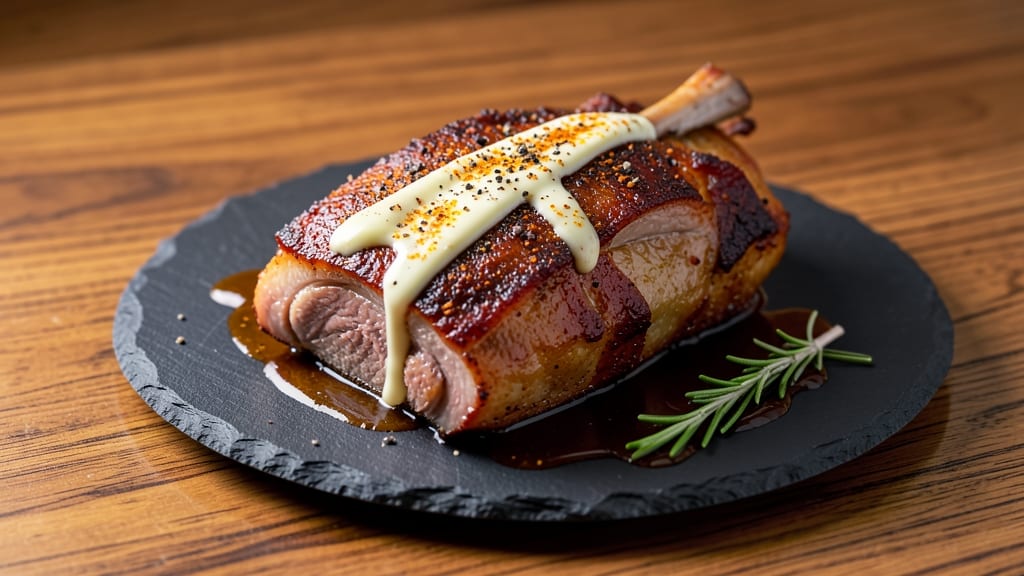
This alternative roast pork recipe redefines the classic by combining slow-roasting techniques with a juicy core that rivals any competition-winning pitmaster result. After years of perfecting pork at Atlanta's Smoky Pig, I developed this method to deliver crisp skin without drying out the meat—something traditional roasting often fails to achieve.
The secret lies in precise temperature control and a flavorful rub that builds depth over time.
What sets this apart from conventional recipes is the two-stage cooking process: starting with a low oven temperature to render fat gently, then finishing with high heat to create that coveted crackling exterior.
I use a simple yet potent seasoning blend—just five ingredients—that enhances the pork's natural sweetness while adding layers of smoky, savory complexity. This method transforms a basic roast into a showstopper that impresses even the most discerning guests.
The result is pork with perfectly balanced textures—crispy, caramelized skin that shatters at every bite, giving way to tender, melt-in-your-mouth meat inside. The slow-roasting ensures every bite stays juicy, while the high finish creates that coveted crackling crust.
This isn't just pork; it's a restaurant-quality centerpiece that's surprisingly simple to achieve at home.
Pair it with classic Southern sides like collard greens or buttery mashed potatoes, or elevate it with a tangy apple-cider glaze for a touch of sweetness.
The beauty of this method is its versatility—whether you're hosting a holiday feast or simply craving a special weeknight dinner, this recipe delivers results that feel like a celebration. Let's get started on creating pork that steals the show.
Ingredients for alternative roast pork
Six ingredients for the rub, plus a few extras to elevate this restaurant-quality pork roast.
| Ingredient | Amount | Notes |
|---|---|---|
| Bone-In Pork Loin Roast 🐷 | 4 lb | Center-cut, 1.5-inch thick |
| Kosher Salt 🧂 | 1 ½ tbsp | Diamond Crystal preferred |
| Freshly Ground Black Pepper 🌶️ | 1 tbsp | Cracked, not pre-ground |
| Smoked Paprika 🌶️ | 2 tsp | High-quality, not dusty |
| Granulated Garlic 🧄 | 1 tsp | Freshly ground preferred |
| Unsalted Butter 🧈 | ½ cup | Cold, cubed for rub |
| Fresh Thyme Leaves 🌿 | ¼ cup | Stems removed, chopped |
| Fresh Rosemary Sprigs 🌿 | ¼ cup | Finely chopped, fresh |
| Apple Cider Vinegar 🍎 | 2 tbsp | For glaze, optional |
| Brown Sugar 🍚 | 2 tbsp | Lightly packed |
| Olive Oil 🫒 | 2 tbsp | For fat cap rendering |
| Honey 🍯 | 1 tbsp | For glaze, optional |
| Yellow Onion 🧅 | 1 whole | Quartered, for aromatics |
The pork loin cut is critical here—bone-in, center-cut delivers both flavor and moisture. Source from a reputable butcher like Atlanta's Smoky Pig or your local high-end grocer for optimal marbling. Look for a roast with a thick fat cap (at least 0.5-inch) to ensure crisp skin. If using frozen, thaw overnight in the fridge, never at room temperature. The thyme and rosemary should be vibrant green, not wilted or yellowing—freshness directly impacts flavor depth.
No smoked paprika? Substitute with a mix of regular paprika and a pinch of liquid smoke (start with 0.5 tsp). The butter in the rub is non-negotiable—it renders beautifully during the slow cook and creates that coveted crackling crust. For a sweeter glaze, swap honey for maple syrup at the same ratio. The vinegar adds tang that cuts through the richness; if unavailable, lemon juice works in a pinch. Pre-ground spices lose potency quickly—consider toasting whole spices (like peppercorns) and grinding fresh for maximum impact.
Prep the pork 12 hours ahead for best results—the rub needs time to penetrate. Store the seasoned roast uncovered in the fridge to let the spices adhere fully. The rendered fat will create a crisp crust when roasted, but it's best to use within 2 days for optimal texture. For leftovers, slice against the grain and reheat in a 350°F oven for 15 minutes with a splash of water to maintain moisture. The glaze components keep indefinitely in the pantry, but fresh herbs should be added within 48 hours of roasting.
Why You'll Love This Recipe
- Five-Ingredient Magic: I swear by this combo—just salt, pepper, smoked paprika, garlic, and the pork itself. No fancy rubs, no stress. Honestly, the simplicity makes me feel like a genius when it actually comes together.
- Crispy-Creamy Payoff: That bone-in cut gives you juice while the crust gets gloriously caramelized. Between us, the first bite of that tender meat with that smoky edge? It’s the kind of thing that makes you pause mid-chew and go, “Wait, I made this?”
- Weeknight to Weekend: Slap it in the oven for Sunday dinner, then reheat slices for Monday wraps. My kids ask for it after school lunches—yes, even on a Tuesday night—and my partner’s the one who “accidentally” takes extra for his sandwiches.
- Leftovers That Don’t Lie: This roast actually improves the next day. Shred it for tacos, toss it in pasta, or just eat it cold with crackers. I’ll be real: I’ve frozen portions for months, and it thaws like a dream. Budget win, flavor win.
Step-by-step instructions for slow-roasted pork loin with crisp skin
Master this technique and you'll achieve a perfect balance of crackling exterior and tender interior every time.
Prepare the Pork for Maximum Flavor and Crisp
Begin by patting the 4 lb bone-in pork loin roast completely dry with paper towels—this is critical for crisp skin. I press firmly, even under the bone, to remove all moisture that would prevent browning. Next, position the roast fat-side up on a cutting board and make a crosshatch pattern in the fat cap using a sharp knife. This creates more surface area for browning and renders fat that will baste the meat.
In a small bowl, combine the 1.5 tbsp kosher salt, 1 tbsp freshly ground black pepper, 2 tsp smoked paprika, and 1 tsp granulated garlic. Rub this mixture all over the pork, including inside the cavity if your cut has one. Let it sit uncovered in the refrigerator for at least 2 hours—this dry-brining step ensures deep seasoning and prevents the exterior from drying out during roasting.
Create the Herb Butter Rub for Rich Depth
While the pork seasons, prepare the herb butter by combining the 0.5 cup cold unsalted butter, 0.25 cup chopped fresh thyme leaves, and 0.25 cup finely chopped fresh rosemary sprigs in a bowl. Use your fingers to work the herbs into the butter until evenly distributed. This creates a flavorful compound that will melt into the meat during roasting.
Spread this herb butter mixture evenly over the entire surface of the pork, pressing it gently into the meat. The butter will help create a golden-brown crust while infusing the pork with aromatic herbs. I like to leave the pork at room temperature for 30 minutes before roasting—this allows the meat to cook more evenly from edge to center.
Roast Low and Slow for Perfect Doneness
Preheat your oven to 325°F and place a wire rack in a roasting pan. Position the pork loin on the rack fat-side up. Roast for 2 hours before checking the internal temperature. The low temperature ensures even cooking and prevents the exterior from drying out before the center reaches temperature.
About 30 minutes before the pork is done, prepare the glaze by combining 2 tbsp apple cider vinegar, 2 tbsp brown sugar, 2 tbsp olive oil, and 1 tbsp honey in a small saucepan. Simmer over medium heat for 5 minutes until slightly thickened. Brush this glaze evenly over the pork, then increase the oven temperature to 425°F for the final 15-20 minutes to create that coveted crisp skin.
Rest and Slice for Maximum Juiciness
Remove the pork from the oven when the internal temperature reaches 145°F (measured in the thickest part of the meat). Transfer it to a cutting board and tent loosely with aluminum foil. Let it rest for at least 15 minutes—this crucial step allows the juices to redistribute throughout the meat, ensuring every slice is moist and flavorful.
When ready to serve, slice the pork into ½-inch thick portions against the grain. The exterior should be deep golden brown with crackling crispness, while the interior remains tender and juicy. Serve immediately with the pan drippings reduced with the quartered yellow onion for a rich gravy, if desired. Each bite should deliver perfect texture contrast and deep, savory-sweet flavors.
Pro Tips For Making Alternative Roast Pork
- Salt the Night Before: I learned this the hard way—rushing seasoning means flavor only clings to the surface. Pat the pork dry, then rub it with salt and garlic before bed; the salt breaks down proteins overnight, locking in moisture and deepening flavor. (Yes, even if you’re impatient like me.)
- Skip the Overcrowded Pan: Smoked paprika burns faster than you’d think. Toast it in a dry skillet over medium heat for 30 seconds—just until fragrant—then mix it with garlic and pepper. Crowding it turns your spice blend into bitter dust.
- Rest Before Slicing: That 5-minute rest under foil isn’t optional. Bone-in pork stays juicy when it redistributes its juices; cutting too soon means dry slices. Cover it loosely and let it sit—your knife (and your guests) will thank you.
- Use a Meat Thermometer: Guessing temperatures leads to rubbery pork. Aim for 145°F internal (155°F if you prefer well-done), and pull it before it hits that number—it’ll carry over. No more overcooked, tough loins. (I used to ignore this and paid for it.)
Essential equipment for this recipe
Oven Essentials
Your oven is the heart of this recipe, so precision matters. I use a thermometer like the Thermoworks Smoke to confirm your oven hits 325°F accurately—home ovens often run hot or cold. For even cooking, place the pork on a wire rack in a roasting pan to allow air circulation.
A cast iron roasting pan from Lodge is my go-to because it retains heat beautifully and promotes crisp skin formation. 🌡️
For the high-heat finish at 425°F, ensure your oven has even heat distribution. If your oven has hot spots, rotate the pan halfway through the final 15-20 minutes. I also recommend using convection mode if available—it creates a more consistent crisp without drying out the meat.
Precision Tools
A meat thermometer is non-negotiable—insert it into the thickest part of the pork, avoiding the bone. The ThermoWorks Smoke or Thermopro TP19 are my top picks for their speed and accuracy.
You're aiming for 145°F internal temperature for perfect doneness. Pro tip: Let the thermometer rest for 10 seconds before reading to get an accurate temperature. ⏱️
For slicing, a sharp chef's knife (I prefer Wüsthof Classic) and a cutting board with a non-slip mat are essential. Slice against the grain at a 45-degree angle for even, tender pieces.
A meat mallet comes in handy if you need to tenderize any tough spots, though this shouldn't be necessary with a properly cooked roast.
Fat Rendering Setup
The crosshatch pattern in the fat cap is key for crisp skin, but you'll need a sharp boning knife to create clean, precise cuts. A Gyuto-style knife from Shun or Mac Knife works perfectly.
Place a drip pan or wire rack under the pork to catch rendered fat—this prevents the pan from smoking and ensures even browning. I like to use aluminum foil to line the drip pan for easy cleanup. 🧂
For the glaze, a small saucepan and whisk are all you need. Simmer the glaze ingredients over medium heat until slightly thickened—this should take about 5 minutes.
A baste brush helps apply the glaze evenly, but a silicon spatula works in a pinch. The glaze adds moisture and a beautiful sheen to the finished pork.
Optional Upgrades
If you're feeling fancy, invest in a digital instant-read thermometer like the Meater for even faster temperature checks. For a restaurant-quality finish, a blowtorch can help crisp the skin in the final moments—just torch the surface for 10-15 seconds per side after removing from the oven.
I also love using a smoker box filled with hickory or applewood chips for a subtle smoky flavor during the low-and-slow phase. 🔥
For leftovers, store sliced pork in an airtight container with any pan drippings. Reheat in a 350°F oven for 15 minutes with a splash of water or broth to keep it moist. A slow cooker on low heat also works well for reheating larger portions without drying them out.
Nutrition facts
Frequently asked questions
Why does this recipe use a two-stage cooking process instead of just roasting?
The two-stage method creates the perfect balance of textures: the 325°F slow roast ensures even cooking and moisture retention, while the 425°F finish develops that coveted crisp skin. This approach prevents the exterior from drying out before the center reaches temperature, which is a common issue with traditional high-heat roasting methods.
Can I substitute pork loin with another cut like pork shoulder?
While pork loin works beautifully here, pork shoulder would require adjustments. Shoulder has more connective tissue and fat, so it benefits from longer cooking (4-5 hours at 275°F) until fork-tender. The crisp skin technique would still work, but you'd need to braise or slow-cook first, then finish with high heat. For this specific recipe, stick with loin for the best results.
How do I know when the pork is done without overcooking it?
Use a meat thermometer inserted into the thickest part (avoiding bone) to check for 145°F internal temperature. The thermometer should read this consistently for 10 seconds before removing from heat. For pork loin, this ensures perfect doneness without drying it out. Never rely on color or time alone—pork can continue cooking after removal from heat.
What's the best way to reheat leftovers without drying them out?
Slice leftovers against the grain and reheat in a 350°F oven for 15 minutes with a splash of water or broth to maintain moisture. Alternatively, use a slow cooker on low heat for 2 hours with a little apple cider vinegar. Avoid microwaving as it can make the meat rubbery. Store in an airtight container for up to 3 days.
Can I make this recipe in a smoker instead of the oven?
Smoke the pork at 225°F with hickory or applewood chips until it reaches 145°F internal temperature (about 3-4 hours). Then transfer to a hot grill or broiler for 10-15 minutes to crisp the skin. The smoky flavor pairs beautifully with the herb butter rub. Just monitor the temperature closely to avoid over-smoking.