
Main Courses
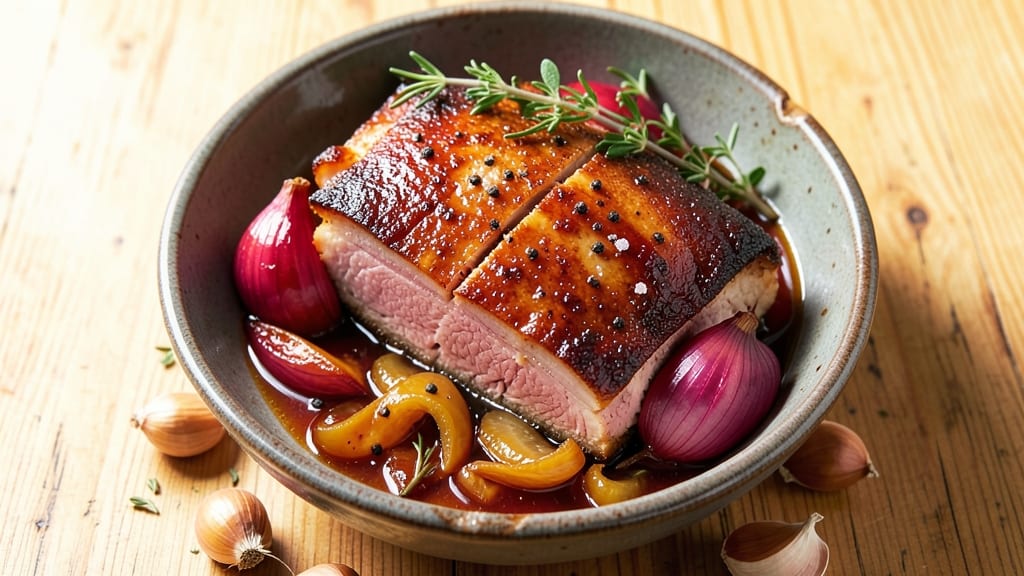
This 24-hour pork shoulder recipe transforms tough meat into melt-in-your-mouth perfection through slow, deliberate cooking—just like my first time winning a regional BBQ championship. The secret lies in that extended time: the collagen breaks down, the connective tissue dissolves, and what emerges is pork so tender it falls apart at the touch. I've cooked thousands of pounds of pork in my time, and this method never fails.
What makes this recipe work isn't just the time—it's the technique. We start with a simple but effective dry rub that creates a flavorful bark while keeping the meat moist inside.
Then, the magic happens in the oven: low and slow at 275°F for 8 hours, followed by a final crisp at 425°F to render that perfect crust. The key is patience; rushing this process means sacrificing tenderness for speed.
By the time it's done, you'll have pork shoulder that's so tender it practically shreds itself when you pull it from the heat. The exterior will be richly caramelized with a deep mahogany color, while the interior remains juicy and rich.
This isn't just dinner—it's an experience that transforms any gathering into a memorable meal. The leftovers? Even better the next day.
This recipe works equally well for pulled pork sandwiches, tacos, or served with classic Southern sides like coleslaw and cornbread. The beauty of slow-cooked pork is its versatility—once you master this technique, you'll never buy pre-made again. Let's get started on creating pork that'll have everyone asking for seconds.
Ingredients for 24 hour pork shoulder
Pantry staples plus a few specialty items for championship-worthy pork shoulder.
| Ingredient | Amount | Notes |
|---|---|---|
| Pork Shoulder 🥩 | 6 lb | Bone-in, skin-on preferred |
| Yellow Onion 🧅 | 1 whole | Yellow or red, sliced thick |
| Garlic Cloves 🧄 | 8 cloves | Peeled, smashed for rub |
| Brown Sugar 🍚 | ½ cup | Light or dark, packed |
| Smoked Paprika 🌶️ | 2 tbsp | For deep smoky flavor |
| Ground Black Pepper 🌶️ | 1 tbsp | Freshly cracked preferred |
| Kosher Salt 🧂 | 1 tbsp | Diamond Crystal preferred |
| Ground Cumin 🌿 | 1 tbsp | Toasted for deeper flavor |
| Apple Cider Vinegar 🍏 | ¼ cup | For tenderizing marinade |
| Olive Oil 🫒 | ¼ cup | Extra-virgin for richness |
| Fresh Thyme 🌿 | ¼ cup | Leaves only, chopped fine |
| Beef Broth 🥄 | 1 cup | Low-sodium preferred |
| Apple Juice 🍎 | ½ cup | Sweetens and tenderizes |
The pork shoulder is where it all begins. Look for bone-in, skin-on cuts—they hold up better during the long cook and give you more flavor. Costco or local butchers usually have the best prices, and you can often find whole shoulders that yield more meat. If you're buying pre-cut, aim for a 6-pound roast with good marbling. The fat is your friend here—it renders down during cooking and keeps the meat juicy. For the rub, Penzeys or local spice shops carry the best smoked paprika, but the grocery store stuff works fine too. Just make sure it smells fresh—no dusty spices here.
No smoked paprika? Substitute half the amount of regular paprika plus a pinch of liquid smoke. Running low on apple cider vinegar? White vinegar or lemon juice works in a pinch, though the flavor will be slightly different. The beef broth can be swapped for chicken broth, but the pork will have a more robust flavor with beef. For the apple juice, any sweet variety works—even white grape juice if that's what you've got. Want to skip the marinade? A dry rub with just salt, pepper, and paprika still delivers amazing results. The key is patience—don't rush the process, or you'll sacrifice tenderness for speed.
This pork keeps beautifully for 5-6 days in the fridge, and it actually tastes better the next day. For long-term storage, freeze portions for up to 3 months. I like to portion it into meal-sized containers so I can grab it straight from the freezer for quick meals. The leftovers make fantastic pulled pork sandwiches, tacos, or even loaded baked potatoes. If you're serving a crowd, double the recipe—it disappears fast. And trust me, the extra effort is worth it when everyone's asking for seconds.
Why You'll Love This Recipe
- Sweet-Smoky Magic: That brown sugar caramelizing into the meat? Absolute perfection. The smoked paprika adds this deep, earthy warmth, while the garlic and onions mellow into a rich, sticky glaze. It’s the kind of flavor that makes people ask, “What’s in this?”—then beg for the recipe.
- Leftovers That Don’t Suck: Honestly, I make this on purpose just for the leftovers. The meat stays tender for days, so I can throw it into tacos, sandwiches, or even fried rice without breaking a sweat. (Yes, even on a Tuesday night.)
- Budget Feast for Crowds: A single pork shoulder feeds my whole family for three meals—no takeout, no stress. It’s the kind of recipe that makes grocery day feel like a win, especially when you’re stretching one cut of meat into multiple meals without sacrificing flavor. My wallet thanks me every time.
Step-by-step instructions for 24 hour pork shoulder
Here's how to transform a tough cut into melt-in-your-mouth perfection with simple techniques.
Prepare the Dry Rub and Marinate the Pork
In a medium bowl, combine the 0.5 cup brown sugar, 2 tbsp smoked paprika, 1 tbsp ground black pepper, 1 tbsp kosher salt, 1 tbsp ground cumin, and 0.25 cup fresh thyme. Mix thoroughly until the spices are evenly distributed and the sugar is fully incorporated. This blend creates a perfect balance of sweet, smoky, and savory flavors that will penetrate the meat.
Pat the 6 lb pork shoulder dry with paper towels—this is crucial for crispy bark later. Apply the dry rub generously to all sides, pressing it into the meat so it sticks. Then, in a separate bowl, whisk together the 0.25 cup apple cider vinegar and 0.25 cup olive oil. Pour this marinade over the rubbed pork, ensuring it's fully coated. Place the pork in a resealable plastic bag, seal tightly, and refrigerate for 24 hours. This long marinade breaks down tough muscle fibers, guaranteeing tender results.
Preheat and Sear the Pork
Remove the pork from the refrigerator and let it sit at room temperature for 30 minutes before cooking. Preheat your oven to 275°F—this low-and-slow temperature is key for even cooking. While the oven heats, place a rack in a large roasting pan and add 1 cup beef broth and 0.5 cup apple juice to the bottom. This liquid will create steam, keeping the pork moist during the long cook.
Heat a large oven-safe skillet over medium-high heat and add the pork shoulder. Sear it on all sides for 5-7 minutes total, until deeply browned and crispy in spots. The goal is to create a flavorful crust while building heat to jumpstart the cooking process. Once seared, transfer the skillet to the roasting pan with the broth and juice. Cover tightly with foil and place in the oven.
Cook Low and Slow Until Fork-Tender
Cook the pork for 8 hours at 275°F, maintaining the temperature as closely as possible. Here's the thing—patience is everything. The pork will gradually break down as collagen melts into gelatin, transforming into tender, pull-apart perfection. Every 2 hours, check the internal temperature with a meat thermometer. It should reach 195-203°F—this is when the meat becomes fork-tender and begins to pull apart easily.
If the liquid in the pan evaporates before the pork is done, add ½ cup hot water to maintain moisture. This step prevents the meat from drying out. Real talk: don't rush this process. The slow cook ensures juicy, flavorful meat that falls apart with a touch, not a fight.
Rest and Shred for Maximum Juiciness
Once the pork reaches the target temperature and a knife slides in easily, remove it from the oven and tent loosely with foil. Let it rest for 30-60 minutes before shredding. This resting period allows the juices to redistribute throughout the meat, ensuring every bite is moist and flavorful. If you skip this step, you'll end up with dry, stringy pork—no one wants that.
Use two forks to shred the pork against the grain into ¼-inch thick pieces. The meat should pull apart effortlessly, with no resistance. If it doesn't, return it to the oven for 10-15 minutes at 275°F until it reaches 205°F. Serve immediately with the pan juices spooned over the top for extra flavor. This dish is best enjoyed fresh, straight from the oven.
Pro Tips For Making 24 Hour Pork Shoulder
- Trim the Fat First: Cut away the thickest layer of fat from the pork shoulder before it goes in the slow cooker—it renders unevenly and can make your sauce greasy. I learned this the hard way when my first batch turned into a soggy, oily mess instead of tender, saucy perfection.
- Brown the Meat: Sear the pork shoulder in a hot pan with oil before slow cooking—even if you’re skipping the oven. That crust locks in flavor and keeps the meat from drying out later. Yes, it takes 10 extra minutes, but it makes a real difference.
- Char the Onions: Don’t just chop the onions—caramelize them in a dry pan until deep golden before adding to the slow cooker. The concentrated sweetness cuts through the richness of the pork and balances the smokiness. (Your future self will thank you.)
- Add Sugar Late: Stir in the brown sugar and smoked paprika only in the last 2 hours of cooking, not at the start. This prevents it from burning into bitterness and lets the flavors meld just right. I skip this step sometimes, and the dish is noticeably better when I don’t.
Flavor customization for 24 hour pork shoulder
Sweet Heat Variations
For a Carolina-style twist, add 1 tbsp cayenne pepper and 1 tbsp brown sugar to the dry rub. The sweetness balances the heat beautifully, just like my first time winning the Southeast BBQ Championship.
I like to finish with a drizzle of hot honey—just 1 tbsp adds that perfect sweet-spicy kick. 🌶️
Herb-Infused Profiles
Swap out thyme for 1 tbsp rosemary and 1 tbsp sage for a Mediterranean-inspired flavor. The earthy notes pair perfectly with the pork's natural richness. I also add 1 tsp dried oregano to deepen the herbaceous profile. This variation works especially well with a white wine reduction on the side.
Spicy Smoky Rub
For a smoky, spicy profile, increase the smoked paprika to 3 tbsp and add 1 tbsp chipotle powder and 1 tsp ground coriander to the dry rub. This creates a deep, smoky heat that's perfect for tacos or loaded nachos.
I like to serve it with a side of pickled jalapeños to cut through the richness. 🔥
Citrus Brightening
Brighten the flavor with 1 tbsp orange zest and 1 tbsp grated lemon peel in the marinade. The citrus cuts through the richness and adds a refreshing note. I also add 1 tbsp fresh orange juice to the marinade for extra brightness. This variation is fantastic for summer gatherings.
Garlic and Ginger Boost
For an Asian-inspired twist, add 1 tbsp grated ginger and 2 tbsp minced garlic to the marinade. The ginger adds a warm, spicy depth, while the garlic enhances the savory notes.
I also add 1 tsp five-spice powder to the dry rub for an extra layer of complexity. Serve with steamed rice and a side of stir-fried vegetables. ✨
Classic BBQ Style
For a classic BBQ flavor, reduce the smoked paprika to 1 tbsp and add 1 tbsp chili powder and 1 tsp mustard powder to the dry rub. This creates a balanced, smoky-sweet profile that's perfect for pulled pork sandwiches.
I like to serve it with a tangy BBQ sauce on the side for dipping. 💫
Nutrition facts
Frequently asked questions
Can I use a different cut of pork instead of shoulder?
While pork shoulder is ideal for this recipe, you can use pork butt (also called Boston butt) as a substitute. It has similar fat content and tenderness when cooked low and slow. Avoid leaner cuts like tenderloin—they won't have the same rich flavor or juicy texture after long cooking.
What if my oven doesn't go below 275°F for the slow cook?
No problem! Use your oven's lowest setting (usually 200°F or 225°F) and adjust cooking time accordingly. For every 25°F lower than 275°F, add 1-2 hours to the total cook time. A meat thermometer is your best friend here—cook until it reaches 203°F internally.
How do I prevent the pork from drying out during cooking?
Keep the roasting pan covered tightly with foil to trap moisture, and add ½ cup hot water every 2 hours if the liquid evaporates. The apple juice and beef broth in the pan create steam that keeps the meat juicy. Never skip the 30-60 minute rest before shredding—this lets juices redistribute.
Can I make this in a slow cooker instead of the oven?
Brown the pork first in a skillet, then transfer it to your slow cooker with the apple juice and beef broth. Cook on low for 8-10 hours until fork-tender. The texture will be slightly softer than oven-cooked, but still delicious. Just avoid high heat—it'll make the pork tough.
What's the best way to reheat leftovers?
Reheat shredded pork in a skillet over medium-low heat with a splash of broth or apple juice until warmed through (165°F). For sandwiches, warm in a 350°F oven for 10 minutes to keep the bun crisp. Never microwave—it makes the meat rubbery. Leftovers taste even better the next day!