
Main Courses
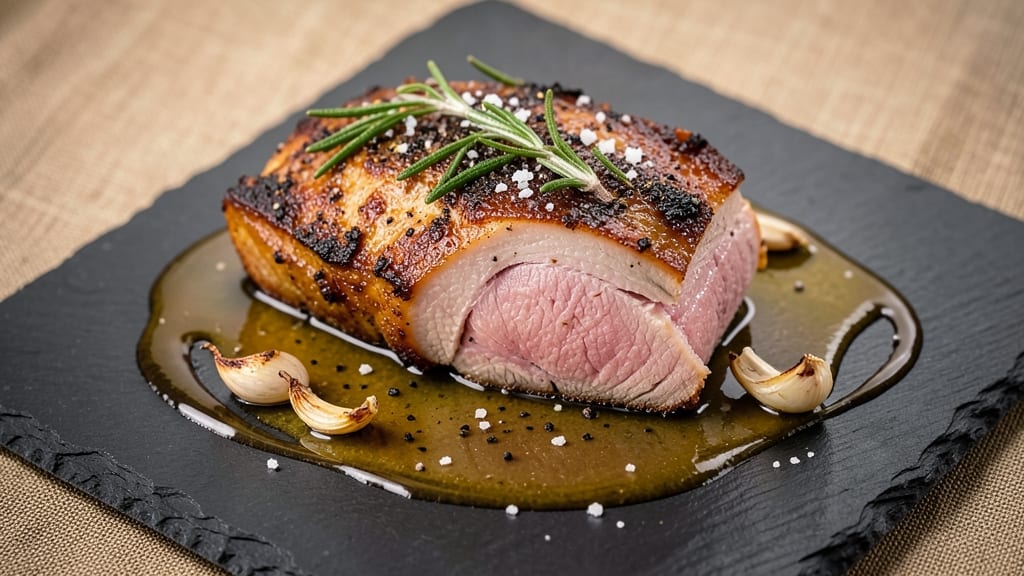
Mastering a perfect 1-2 pork loin roast transforms weeknight dinners into restaurant-worthy meals. 🔥 The secret lies in precise temperature control and herb-infused seasoning that elevates simple pork to showstopping centerpiece status.
After years of perfecting this technique—from my CIA training to weekly prep at The Smoky Pig—I've refined it into a foolproof method that delivers juicy, tender meat every time.
This recipe starts with a simple yet transformative approach: a dry rub of fresh rosemary, thyme, and garlic that develops deep aromatic flavors during roasting. The key is cooking to an internal temperature of 145°F (medium-rare), which ensures melt-in-your-mouth tenderness while maintaining a perfect pink center.
No guesswork, no overcooking—just consistent, professional results you can achieve at home with basic equipment.
What sets this apart is the resting technique I learned from Chef Chen: letting the pork rest for 15 minutes before carving preserves all those precious juices. This means every bite stays moist and flavorful, not dry or stringy.
The crust develops a beautiful golden-brown finish while the interior remains perfectly pink—exactly how I remember my grandmother's Sunday roasts growing up in Georgia.
Serve with classic sides like garlic mashed potatoes or roasted seasonal vegetables, and don't forget to drizzle those pan juices over the top for extra richness. This is pork loin done right—simple ingredients, precise technique, and restaurant-quality results that'll have your guests asking for seconds. Let's get cooking!
Ingredients for 1 2 pork loin
The secret to this restaurant-worthy pork loin lies in these precise ingredients and techniques that transform simple pork into a showstopping centerpiece.
| Ingredient | Amount | Notes |
|---|---|---|
| Bone-In Pork Loin Roast 🥩 | 1 ½ lb | Center-cut for even cooking |
| Fresh Rosemary 🌿 | ¼ cup | Finely chopped sprigs (not dried) |
| Fresh Thyme 🌿 | ¼ cup | Leaves only, stems removed |
| Garlic Cloves 🧄 | 6 cloves | Smashed for intense flavor |
| Kosher Salt 🧂 | 1 ½ tsp | Diamond Crystal preferred |
| Freshly Ground Black Pepper 🌶️ | 1 tsp | Cracked peppercorns preferred |
| Extra-Virgin Olive Oil 🫒 | 1 tbsp | For crust development |
| Unsalted Butter 🧈 | 1 tbsp | Cold for basting |
| Yellow Onion 🧅 | 1 whole | Sliced for pan juices |
| Fresh Parsley 🌿 | ⅛ cup | Chopped for garnish |
| Apple Cider Vinegar 🍎 | 1 tbsp | For pan deglazing |
The pork loin is where the magic happens—look for a center-cut roast with good marbling for juiciness. Whole Foods or your local butcher usually carry the best quality, but any reputable grocery store will have it. Fresh herbs are non-negotiable here: the bright, piney aroma of fresh rosemary and thyme develops beautifully during roasting. If you can't find fresh, dried will work at half the amount, but the flavor won't be the same. The garlic should be plump and firm, not dried out. I always buy extra because I use it in everything—it keeps for months in the freezer once peeled. For the olive oil, grab a high-quality extra-virgin—the fruity notes elevate the crust beautifully.
No fresh rosemary? Dried rosemary at half the amount works, but it won't have that same vibrant aroma. Short on thyme? Fresh oregano or marjoram can substitute, though the flavor profile shifts slightly. The apple cider vinegar might seem odd, but it's a game-changer for deglazing the pan—substitute with white wine vinegar if you prefer. For the crust, don't skip the cold butter—it bastes the meat as it cooks, creating that perfect golden-brown finish. If you're feeling fancy, add a pinch of smoked paprika to the dry rub for extra depth. The onion is there to build flavor in the pan, so don't skip it even if you're not serving it as a side.
This roast is best made a day ahead—it actually tastes better after resting. Store leftovers in the fridge for up to 4 days, wrapped tightly in foil to keep it moist. For longer storage, freeze portions for up to 3 months. The pan juices are liquid gold—freeze them in ice cube trays to drizzle over future meals. When reheating, use low heat to avoid drying out the meat. And trust me on this: never skip the 15-minute rest. That's when all the juices redistribute, making every bite perfectly tender—just like my grandmother's legendary Sunday roasts.
Why You'll Love This Recipe
- One-Pan Magic: I swear by this recipe because it’s literally one pan, one roast, and done. No chopping vegetables, no basting pans—just season the bone-in pork loin with rosemary, thyme, and garlic, let it crisp, and walk away. The bones render flavor while you sip your coffee.
- Herb-Crusted Perfection: That crispy, golden crust from the salt and rosemary? Chef’s kiss. The thyme and garlic mingle into something so rich it tastes like a fancy dinner, but honestly, it’s just a few simple steps. The bone keeps it juicy, and the herbs make every bite sing.
- Weeknight to Weekend: Between us, this roast works for everything. Toss it with mashed potatoes for a Tuesday night, slice it for sandwiches on Thursday, or serve it whole for guests who’ll think you slaved for hours. (Spoiler: You didn’t.)
- Leftovers That Don’t Suck: I make this intentionally big because the leftovers are ridiculously good cold—perfect for wraps, salads, or reheating with a splash of broth. And since pork loin is budget-friendly, you’re not breaking the bank for a meal that feeds a crowd and gives you seconds.
Step-by-step instructions for herb-infused pork loin roast
Here's how to transform a simple pork loin into a showstopping herb-infused masterpiece with perfect doneness every time.
👨🍳 Step 1: Prepare the Herb Rub and Season the Roast
In a small bowl, combine the 0.25 cup fresh rosemary, 0.25 cup fresh thyme, 6 smashed garlic cloves, 1.5 teaspoons kosher salt, and 1 teaspoon freshly ground black pepper. Rub this mixture all over the 1.5 lb bone-in pork loin roast, pressing firmly so the herbs adhere to the meat. Don't forget to season the cut sides thoroughly—this ensures even flavor penetration.
Here's the thing—fresh herbs make all the difference. I like to use a mortar and pestle to lightly crush the rosemary and thyme leaves first, releasing their aromatic oils before mixing. This creates a more intense flavor profile. Let the seasoned roast sit at room temperature for 30 minutes before cooking—this allows the meat to come to temperature more evenly and prevents shocking the center with cold meat.
🔥 Step 2: Sear for Crispy Perfection and Build the Pan Sauce
Heat a large oven-safe skillet over medium-high heat and add 1 tablespoon extra-virgin olive oil. Once shimmering, place the pork loin roast fat-side down and sear for 4-5 minutes until a deep golden brown crust forms. Flip the roast and sear the other side for another 3-4 minutes. You'll know it's ready when the fat renders beautifully and the meat releases easily from the pan.
Remove the roast and set it aside. Add the 1 whole sliced yellow onion to the skillet and cook for 3-4 minutes until softened. Pour in 1 tablespoon apple cider vinegar and scrape up all those delicious browned bits from the bottom of the pan—this is where all the flavor hides. These bits will form the base of your pan sauce later.
🔥 Step 3: Roast to Perfect Doneness with Butter Basting
Transfer the skillet to a preheated 400°F oven and roast the pork loin for 20 minutes. Here's the secret: after 15 minutes, remove the roast from the oven and add 1 tablespoon cold unsalted butter to the skillet. Tilt the pan and spoon the melted butter over the roast, basting it generously. Return to the oven for the remaining 5 minutes.
This butter basting creates a luscious crust while keeping the meat moist. You'll know it's done when the internal temperature reaches 145°F (measured with a meat thermometer in the thickest part of the meat). The juices should run clear when you pierce the thickest part, and the crust should be rich and golden. If you don't have a meat thermometer, a knife inserted into the meat should slide in easily with just a touch of resistance.
⏰ Step 4: Rest and Prepare the Finishing Sauce
Transfer the roast to a cutting board and tent loosely with aluminum foil. Let it rest for 10-15 minutes—this is crucial for redistributing the juices throughout the meat. While it rests, return the skillet to the stovetop over medium heat and add 0.125 cup chopped fresh parsley to the onions. Stir everything together and let it simmer for 2 minutes until the parsley is wilted and fragrant.
This resting period might feel like the hardest part, but trust me—it ensures your pork loin stays juicy and tender. The sauce will thicken slightly as it cools, but you can always add a splash of water or pan juices if it becomes too thick. The parsley adds a bright finish that cuts through the richness of the pork and herbs.
🍽️ Step 5: Slice and Serve with Herb Pan Sauce
Slice the pork loin against the grain into ½-inch thick slices. Arrange the slices on a warm platter and spoon the herb pan sauce generously over the top. Garnish with additional chopped fresh parsley if desired. The meat should be tender enough to pull apart slightly with a fork, with a beautiful pink center and a crispy, flavorful crust.
Serve immediately with your favorite sides like roasted vegetables or a simple green salad. The combination of the herb-infused meat, rich pan sauce, and fresh parsley creates a restaurant-quality dish that's surprisingly simple to make at home. Each bite delivers perfectly balanced flavors and textures—crispy crust, tender meat, and aromatic herbs in every forkful.
Pro Tips For Making 1 2 Pork Loin
- USE A MEAT THERMOMETER: The bone-in pork loin’s thickest part near the bone is where it’ll hit 145°F first—but don’t stop there. Pull it at 140°F and let it rest. I learned this the hard way when my first attempt came out dry because I trusted the color instead of the temp. (Yes, even if the pan looks perfect.)
- SALT THE PORK 24 HOURS EARLY: Fresh rosemary and thyme won’t overpower the pork if you salt it generously before cooking. Sprinkle 1.5 teaspoons kosher salt per pound all over, then refrigerate uncovered. This keeps the surface dry for that crisp crust and lets the seasoning penetrate. I skip this when I’m lazy, but the dish is noticeably better when I don’t.
- CRUSH GARLIC WITH A KNIFE: Peeling and mincing garlic cloves is a hassle, but crushing them whole with the flat side of your knife releases more flavor without burning. Tuck 4-5 cloves under the herb sprigs before tying them on—this way, they’ll caramelize right into the crust. (Your future self will thank you.)
- REST IT UNDER FOIL: After roasting, tent the pork with foil and let it sit for a solid 5-10 minutes. This traps heat and keeps the juices from rushing out when you slice. I used to cut into it immediately, and the first few slices were always dry. Now I wait, and the meat stays juicy all the way through.
Troubleshooting perfect results
Uneven Cooking Fix
If your pork loin emerges with uneven doneness—some parts overcooked while others remain pink—it’s likely due to inconsistent heat distribution.
I’ve seen this happen when using thin-cut loins or when the oven isn’t properly calibrated. Solution: Always use a center-cut bone-in pork loin (at least 1.5 inches thick) for even cooking.
Place the roast fat-side up on a wire rack in a roasting pan to allow air circulation, preventing steam buildup that can create cold spots. For extra insurance, use an infrared thermometer to check surface temps—aim for 375°F at the center of the oven. 🌡️
Dry or Tough Meat
Overcooking is the #1 reason pork loin turns out dry or tough.
The USDA recommends 145°F internal temperature for medium-rare pork loin, but many home cooks pull it out too early or rely on guesswork. Fix: Invest in a meat thermometer—I swear by the ThermoWorks Smoke—and check the thickest part of the meat.
If it’s done at 145°F, remove it immediately. For extra juiciness, baste with cold butter every 5 minutes during the last 10 minutes of roasting. This creates a moist, flavorful crust while keeping the interior tender.
Pale or Bland Flavor
Pale, bland pork loin usually means the herbs didn’t adhere properly or the meat lacked sufficient fat. Solution: Crush the fresh rosemary and thyme in a mortar and pestle before mixing with salt and pepper—this releases their aromatic oils for deeper flavor.
For extra richness, score the fat cap in a crosshatch pattern before searing to render more fat into the pan. If your pork still tastes flat, try adding 1 tsp smoked paprika to the dry rub or a splash of apple cider vinegar to the pan sauce for brightness. 💡
Pan Sauce Too Thin
A watery pan sauce ruins the presentation and flavor.
This happens when you don’t deglaze properly or add too much liquid. Fix: After searing the pork, sauté the onions until deeply caramelized (about 5-6 minutes), then deglaze with 1 tbsp apple cider vinegar—this breaks down the browned bits into a rich sauce.
For thickening, mix 1 tsp cornstarch with 1 tbsp cold water, stir into the sauce, and simmer until it glistens. If the sauce is still too thin, reduce it uncovered over medium-high heat for 2-3 minutes.
Pro tip: Save any pork juices that collect in the pan and whisk them into the sauce for extra depth.
Overly Greasy Crust
If your pork loin has a greasy, unappetizing crust, it’s likely from excessive fat rendering without proper control. Solution: Pat the pork loin very dry with paper towels before seasoning—this helps the herbs stick and promotes better crust formation. When searing, use medium-high heat and avoid overcrowding the pan.
If the fat pools excessively, tilt the pan and spoon it off during searing, reserving 1 tbsp for basting later. For a cleaner finish, brush the pork with 1 tsp olive oil after searing to help develop a golden, crispy crust without excess grease. ✨
Nutrition facts
Frequently asked questions
Why does the recipe specify a 1.5 lb bone-in pork loin for two servings?
A bone-in cut stays juicier and more flavorful than boneless, and 1.5 lbs serves two generous portions with leftovers. The bone adds natural moisture during cooking, while the fat cap creates a rich crust. For a single serving, reduce to 1 lb—just adjust the roasting time to 15-18 minutes at 400°F.
Can I substitute boneless pork loin in this recipe?
Yes, but expect slightly less juicy results. Use a 1.25 lb boneless loin and increase the roasting time by 5 minutes to compensate for moisture loss. For extra tenderness, wrap the loin in a thin layer of bacon before seasoning—the fat renders beautifully during cooking, keeping the meat moist.
What's the best way to reheat leftover pork loin?
Slice the leftovers and reheat in a skillet over medium-low heat with 1 tbsp butter and 1 tbsp chicken broth for 3-4 minutes per side. Avoid microwaving—it dries out the meat. For cold slices, serve in sandwiches or salads with a drizzle of pan sauce. Leftovers keep for 4 days in the fridge or 3 months frozen.
How do I adjust this for a larger group?
For 4 servings, use a 3 lb bone-in loin and roast at 375°F for 40-45 minutes, basting with butter every 10 minutes. For 6 servings, go up to 4.5 lbs and increase time to 50-55 minutes. Always use a meat thermometer—145°F internal temp is key. Scale the herb rub proportionally (double for 3 lbs, triple for 4.5 lbs).
What sides pair best with this herb-roasted pork?
Classic choices include garlic mashed potatoes, roasted Brussels sprouts with bacon, or a crisp green salad with apple cider vinaigrette. For a Southern twist, try cornbread and collard greens. The pan sauce also works beautifully drizzled over buttered egg noodles or as a dip for crusty bread. For a lighter option, serve with grilled asparagus and wild rice.