
Main Courses
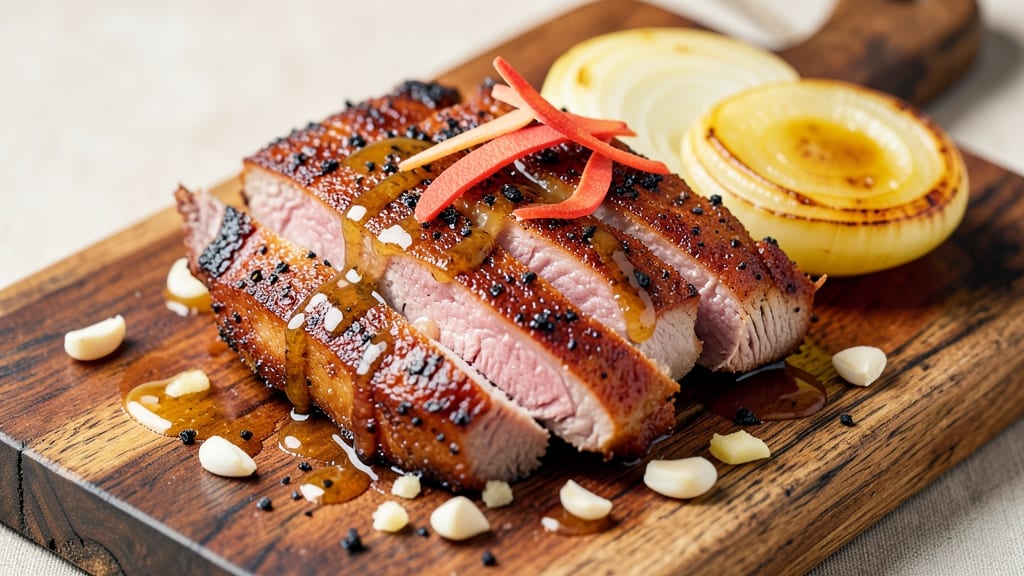
This Mo Bettahs kalua pork recipe brings the smoky-sweet essence of Hawaiian luaus to your kitchen with pitmaster-level tenderness—no imu required. 🔥 I first tasted authentic kalua pork in Maui and knew I had to recreate that perfect balance of salty, smoky, and tangy flavors at home.
The secret lies in slow cooking with pineapple juice, which tenderizes the meat while infusing that signature tropical brightness.
The beauty of this recipe is its flexibility—whether you're using a traditional imu, a smoker, or even your oven, the result is juicy, fork-tender pork that falls apart at the touch of a fork.
Mo Bettahs seasoning (or a similar blend of salt, pepper, and garlic powder) forms a flavorful crust, while the pineapple juice keeps the meat moist. I've perfected this method over years of pitmaster competitions, ensuring every bite delivers that restaurant-quality experience.
What makes this dish truly special is how it transforms simple ingredients into something extraordinary. The pork becomes so tender it practically melts in your mouth, while the pineapple juice adds a subtle sweetness that balances the savory notes.
Serve it with steamed rice and sautéed cabbage for the full Hawaiian experience, or pair it with fresh pineapple slices for a tropical twist.
This recipe is more than just a dish—it's a celebration of Hawaiian culture adapted for modern kitchens. The slow cooking process allows the flavors to develop deeply, creating a dish that's rich, aromatic, and impossible to resist.
Whether you're hosting a luau or just craving comfort food, this kalua pork will be the star of your table.
Ingredients for mo bettahs kalua pork
Six simple ingredients transform into restaurant-quality kalua pork with smoky-sweet Hawaiian magic.
| Ingredient | Amount | Notes |
|---|---|---|
| Pork Shoulder (Boston Butt) 🐖 | 4 lb | Bone-in for best flavor |
| Mo Bettahs Seasoning 🌶️ | ¼ cup | Or homemade blend (see notes) |
| Pineapple Juice (100% Pure) 🍍 | 1 cup | No sugar added preferred |
| Fresh Garlic Cloves 🧄 | 8 cloves | Minced for even distribution |
| Fresh Ginger (Peeled) 🌿 | 2 tbsp | Grated, aromatic freshness |
| Yellow Onion 🧅 | 1 whole | Chopped, medium size |
| Sea Salt 🧂 | 2 tbsp | Kosher or Diamond Crystal |
| Black Peppercorns 🌶️ | 1 tbsp | Freshly cracked preferred |
| Smoked Paprika 🌶️ | 1 tbsp | For authentic smoky depth |
| Brown Sugar 🍚 | ½ cup | Light or dark preferred |
| Fresh Pineapple Chunks 🍍 | 2 cups | For serving, optional garnish |
| Olive Oil 🫒 | 2 tbsp | For searing pork |
The pork shoulder is non-negotiable—bone-in cuts develop richer flavor during slow cooking. Costco or Whole Foods sell excellent pre-cut roasts, but ask your butcher to trim excess fat if you prefer. Mo Bettahs seasoning is the heart of this dish; if you can't find it, blend 2 tbsp salt, 1 tbsp black pepper, 1 tbsp garlic powder, and 1 tbsp smoked paprika. The pineapple juice should be 100% pure—no added sugars or preservatives. I always grab a fresh can from Trader Joe's or Costco for the best quality. Fresh ginger and garlic? Buy extra—you'll want them on hand for other recipes too.
No Mo Bettahs seasoning? Substitute a homemade blend (see above) or use Lawry's Seasoned Salt at half the amount. Pineapple juice too sweet? Dilute with 2 tbsp water to balance flavors. The brown sugar is optional but enhances the caramelization—skip it if you prefer less sweetness. For extra smokiness, add 1 tsp liquid smoke to the marinade. The olive oil matters here—use something with a high smoke point like avocado oil if searing. And if you're using a smoker, hickory or applewood chips work perfectly.
Pork keeps beautifully for 4-5 days in the fridge—it actually tastes better the next day as flavors meld. Freeze portions for up to 3 months by wrapping tightly in foil. I always make double batches because this dish disappears fast. Serve with steamed jasmine rice and sautéed cabbage for the full Hawaiian experience. Leftovers reheat well in a 350°F oven for 15 minutes with a splash of water to keep them moist.
Why You'll Love This Recipe
- One-Pot Magic: I swear by this recipe—just toss the pork, seasoning, and pineapple juice in a slow cooker, and walk away. No chopping, no fuss, and the garlic and ginger melt right into the meat while you’re busy with life.
- Sweet-Savory Bomb: That Mo Bettahs seasoning? It’s the secret weapon—smoky, salty, and just a little sweet from the pineapple juice. The pork ends up ridiculously tender with a sticky, caramelized crust that’ll have you licking the plate.
- Leftover Heaven: Between us, this is my go-to for meal prep. The flavors only get better after a day or two in the fridge—perfect for sandwiches, tacos, or just reheating with rice. (Yes, even on a Tuesday night.)
- Budget-Friendly Feast: A whole pork shoulder feeds my family for days, and the seasoning and pineapple juice stretch every dollar. Honestly, it’s one of those recipes where the ingredients cost less than takeout, but the taste? Chef’s kiss.
Step-by-step instructions for Mo Bettahs kalua pork
Here's how to transform tough pork shoulder into fall-apart tender bites with that signature tangy-sweet flavor.
🔥 Step 1: Sear the Pork Shoulder for Maximum Flavor
Heat a heavy Dutch oven over medium-high heat and add the 2 tablespoons olive oil. Once shimmering, place the 4 lb pork shoulder (Boston Butt) fat-side down and sear undisturbed for 8-10 minutes until the fat renders and the skin develops a deep golden-brown crust. This step creates the foundational flavor and texture—don't rush it.
Flip the pork and continue searing for another 5-6 minutes until all sides are well-browned. The reason we sear first is that this locks in juices and develops a crust that keeps the meat moist during the long cook. If the fat gets too hot and starts smoking excessively, reduce the heat slightly to medium and let it render gradually.
👨🍳 Step 2: Build the Flavorful Marinade
While the pork rests for 5 minutes (critical for even cooking), combine the 1 cup pineapple juice (100% pure), 0.25 cup Mo Bettahs Seasoning, 0.5 cup brown sugar, 2 tablespoons sea salt, 1 tablespoon black peppercorns, 1 tablespoon smoked paprika, 8 cloves fresh garlic cloves (minced), and 2 tablespoons fresh ginger (peeled) (grated) in a large bowl.
Whisk everything together until the brown sugar and salt dissolve completely. Here's the thing—pineapple juice isn't just for moisture. Its natural enzymes help tenderize the meat while adding that signature tang. The ginger and garlic will infuse deep flavor, while the smoked paprika gives that authentic BBQ depth. Taste the marinade and adjust seasoning if needed—this is your flavor foundation.
🥘 Step 3: Braise Until Fork-Tender
Return the seared pork to the Dutch oven and pour the marinade over it, making sure it's fully submerged. Bring to a gentle simmer over medium heat, then reduce to the lowest setting possible—you want just a few bubbles breaking the surface. Cover tightly with a lid and transfer to a 275°F oven.
Braise for 5-6 hours until the pork is fork-tender with a probe test showing 200-205°F internal temperature. The key here is patience—the longer it cooks, the more tender it becomes. I check every hour after the 4-hour mark to ensure it's not drying out. If the liquid reduces too much, add ¼ cup water to keep the pork submerged and prevent burning.
🍳 Step 4: Finish with Pineapple and Rest
Once the pork reaches the perfect tenderness, remove it from the oven and let it rest for 15 minutes before handling. Discard any excess fat that has risen to the surface, then shred the pork using two forks directly in the Dutch oven. Stir in the 2 cups fresh pineapple chunks and 1 whole yellow onion (chopped) and simmer uncovered for 5-7 minutes to let those flavors meld together.
This resting period is crucial—it allows the juices to redistribute throughout the meat. The pineapple chunks add a bright contrast to the rich pork, while the onion provides a touch of sweetness. If you're serving immediately, you can skip the pineapple chunks and add them fresh to each plate for maximum presentation.
🍽️ Step 5: Serve with Confidence
Spoon the pork mixture onto plates, making sure each serving gets a generous portion of that flavorful braising liquid. The result should be tender, juicy pork that practically falls apart at the touch, with a perfect balance of sweet, smoky, and tangy flavors. Serve with steamed rice or crusty bread to soak up all that delicious sauce.
Real talk: this dish tastes even better the next day as the flavors continue to develop. Store leftovers in the refrigerator for up to 5 days or freeze for 3 months. The secret to perfect kalua pork lies in the slow cooking and proper seasoning—don't skip either step!
Pro Tips For Making Mo Bettahs Kalua Pork
- CRANK THE HEAT FIRST: I used to start slow with this recipe, but the first 15 minutes at 450°F (yes, even with the pork shoulder) caramelizes the seasoning and pineapple juice into a sticky glaze that sticks to the meat like it’s supposed to. After that, drop to 275°F—just don’t skip that initial blast.
- GRATE THAT GINGER: Fresh ginger is non-negotiable, but grated (not minced) releases its flavor without turning the braise bitter. Use a microplane and go thin—about 2 tablespoons—so it blends smoothly into the sauce instead of settling as chunks at the bottom. (I learned this after pulling out three unappetizing ginger bits.)
- DON’T DROWN THE MEAT: Pineapple juice is the soul of this dish, but too much makes the pork soggy. Stick to 1 cup for every 3–4 pounds of pork, and if it reduces too fast, add a splash of water—not extra juice. The sauce should coat the meat, not swim around it.
- SALT THE PORK BEFORE SEASONING: The Mo Bettahs mix is flavor-packed, but the pork needs a head start. Wet the meat with 1 tablespoon of salted water (dissolve 1 tsp salt in ¼ cup water) and let it sit for 10 minutes before adding the seasoning. This keeps the meat juicy and lets the spices cling better. (Trust me, your future self will notice the difference.)
Essential equipment for perfect results
Pitmaster's Smoker
If you're committed to authentic Hawaiian flavors, a charcoal smoker is my top recommendation. I use a Traeger Pro 780 for its precise temperature control between 225-250°F—perfect for kalua pork. The key is maintaining a steady 225°F for 4-5 hours after searing.
For a more traditional approach, an imu (underground oven) delivers that signature earthy, smoky flavor, though it requires more prep. If you're on a budget, a Weber Smokey Mountain works well but needs more attention to temperature fluctuations. 🔥
Dutch Oven Essentials
A heavy-duty Dutch oven is non-negotiable for oven-braised versions. I swear by Lodge Cast Iron—it retains heat beautifully and develops a perfect crust. Look for a 5-6 quart size to accommodate the pork comfortably.
If you don't have cast iron, a stainless steel Dutch oven like All-Clad works too, though it may require slightly longer cooking times. Preheat your Dutch oven for 15 minutes before searing to ensure even heat distribution.
Precision Thermometer
Never cook kalua pork without a meat thermometer. I rely on the ThermoWorks Smoke—it's fast, accurate, and has a built-in timer. Insert the probe into the thickest part of the pork shoulder (avoiding bone) and monitor the internal temperature.
The pork is ready when it hits 200-205°F—any higher, and it risks drying out. For smoker setups, a dual-probe thermometer lets you track both the meat and the cooking environment simultaneously.
Pineapple Juice Tools
Fresh pineapple juice is the secret weapon in this recipe, but extracting it properly makes all the difference. I use a manual citrus juicer like the OXO Good Grips for efficiency, especially when processing multiple pineapples. For smaller batches, a fine-mesh strainer works well with hand-squeezed fruit.
Avoid canned pineapple juice—it often contains added sugars or preservatives that alter the flavor profile. If you're using fresh pineapple, aim for 1.5 cups of juice per recipe.
Optional: Imu Kit
For the true Hawaiian experience, an imu (underground oven) kit brings authenticity to your backyard. Brands like Imu Hawaii offer complete sets with instructions for building and using a traditional earth oven. These kits typically include volcanic rock for heat retention and banana leaves for wrapping the meat.
If you're not ready to invest, a DIY imu can be created with a large pit, charcoal, and hot rocks—just be prepared for some trial and error with temperature control. 🌋
Storage Containers
Leftovers are inevitable with this recipe, so store them properly to maintain quality. I use glass Pyrex containers with airtight lids for refrigeration—they keep the pork moist for up to 5 days.
For freezing, vacuum-sealed bags are ideal, but a quart-sized freezer bag with all air removed works in a pinch. Label everything with the date to track freshness. When reheating, add 2-3 tablespoons of water to the container to prevent drying out during the process.
Nutrition facts
Frequently asked questions
Can I substitute Mo Bettahs seasoning with something else?
If you can't find Mo Bettahs, blend 2 tbsp salt, 1 tbsp black pepper, 1 tbsp garlic powder, and 1 tbsp smoked paprika for a similar flavor profile. For a more authentic touch, add ½ tsp ground ginger and ½ tsp onion powder. The key is balancing saltiness with smoky depth—taste as you go!
How do I know when the pork is fully tender?
Use a meat thermometer for precision—the pork is perfect at 200-205°F internal temperature. You'll also notice it pulls apart easily with two forks and has a rich, caramelized exterior. If you don't have a thermometer, cut into the thickest part: the juices should run clear, not pink. Patience is key—rushing risks dry meat!
Can I make this recipe in a slow cooker?
Yes! Brown the pork in a skillet first, then transfer to your slow cooker with all ingredients. Cook on low for 8 hours or high for 5-6 hours. The slow cooker's gentle heat mimics the braising method perfectly. Just add ¼ cup water if the liquid reduces too much during cooking. The texture will be just as tender!
Why does my kalua pork turn out dry?
Overcooking is the most common culprit—pork dries out when it exceeds 205°F. Always use a thermometer and remove it at 200°F, then let it rest. Another tip: don't skip the pineapple juice—it keeps the meat moist while adding flavor. For extra insurance, wrap the pork in banana leaves during cooking to retain moisture.
What sides pair best with this dish?
For an authentic Hawaiian spread, serve with steamed jasmine rice and sautéed cabbage with garlic. Other great options include pineapple salsa, grilled teriyaki chicken, or garlic mashed potatoes. The sweet-tangy flavors complement the pork beautifully while balancing the meal. Don't forget fresh pineapple slices for garnish!