
Main Courses
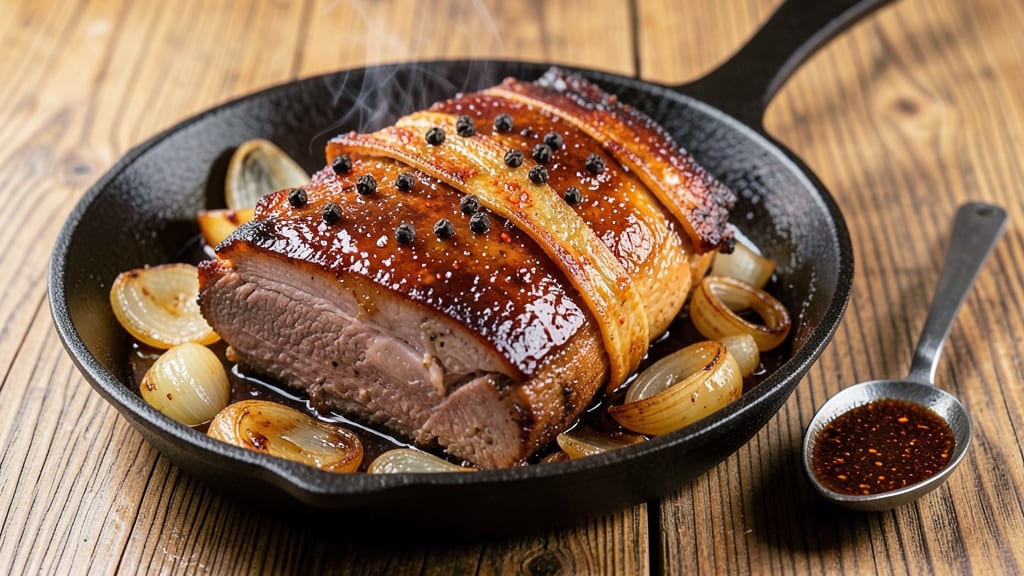
Mississippi-style pork recipe brings the soul of the South to your table with its signature sweet heat balance. 🔥 The secret lies in the marriage of brown sugar and cayenne, creating a caramelized crust that's both bold and tender inside.
I've perfected this technique after years of working with heritage pork in the Southeast, where slow-cooked meats are a point of pride.
This dish transforms tough cuts into melt-in-your-mouth perfection through a combination of braising and smoking. The brown sugar creates a beautiful caramelized bark while the cayenne adds just the right amount of heat to balance the sweetness.
I use a blend of applewood and hickory smoke for that authentic Mississippi flavor profile that's both rich and complex.
What you'll end up with is pork that's so tender it practically falls apart at the touch, with a glaze that's sticky-sweet and just spicy enough to keep things interesting. The aroma alone will have your whole house smelling like a Mississippi Sunday dinner.
This recipe serves 6-8 people and takes about 6 hours, but the time is well worth it for that restaurant-quality result.
Serve with classic Southern sides like creamy mac and cheese, buttery cornbread, and steamed collard greens for the complete Mississippi experience. The pork's rich flavors pair beautifully with these traditional accompaniments, creating a meal that's both comforting and impressive. Let's get cooking!
Ingredients for mississippi pork
Sweet heat balance starts with these Mississippi staples—pork shoulder, brown sugar, and cayenne.
| Ingredient | Amount | Notes |
|---|---|---|
| Pork Shoulder (Boston Butt) 🥓 | 4 lb | Bone-in, well-marbled cut |
| Light Brown Sugar 🍚 | 1 cup | Packed, not granulated |
| Cayenne Pepper 🌶️ | 2 tbsp | Adjust for heat preference |
| Applewood Smoked Paprika 🌶️ | 1 tbsp | For authentic Mississippi flavor |
| Ground Black Peppercorns 🌶️ | 1 tbsp | Freshly cracked preferred |
| Kosher Salt 🧂 | 1 ½ tbsp | Diamond Crystal preferred |
| Yellow Onion 🧅 | 1 whole | Diced, yellow or sweet variety |
| Garlic Cloves 🧄 | 6 cloves | Smashed, not minced |
| Fresh Thyme Sprigs 🌿 | 4 whole | Or 1 tbsp dried thyme |
| Apple Cider Vinegar 🍎 | ¼ cup | For tangy depth |
| Applewood Smoking Chips 🌳 | 1 package | For authentic smoke flavor |
| Hickory Smoking Chips 🌳 | 1 package | Balances applewood richness |
| Butter 🧈 | 2 tbsp | Unsalted, for basting |
| Beef Broth 💧 | 1 cup | Low-sodium preferred |
The pork shoulder is the heart of this dish—look for cuts with good marbling for that melt-in-your-mouth texture. Local butchers often have the best heritage cuts, but the store-bought bone-in Boston butt works perfectly too. I always check for thick fat cap—it renders down beautifully during cooking. For the brown sugar, Domino brand is my go-to (it's lighter than others), but any light brown sugar will do. The cayenne is where the magic happens—hotter varieties like Louisiana or African work best, but adjust to taste. Fresh thyme from the grocery store's produce section adds more depth than dried, but if you're in a pinch, dried works at one-third the amount.
No applewood chips? Hickory alone will still give you that Southern smoke flavor—just expect less sweetness. Running out of beef broth? Chicken broth with a splash of apple cider vinegar works in a bind. Want to cut sugar? Swap half the brown sugar for unsulphured molasses—it adds depth and a subtle bittersweet note. The onions and garlic are simple but essential—yellow onions add sweetness, while garlic brings that necessary punch. If you're prepping ahead, the pork can sit in the marinade overnight, but I like to keep it simple and get it on the smoker right away for that perfect bark.
This pork is best made a day ahead—the flavors meld beautifully overnight. Store leftovers in the fridge for up to 5 days, but honestly, it's even better reheated. For smoking, I use a meat probe thermometer to hit 203°F internal temp—that's when it's fall-apart tender. The glaze thickens as it cools, so if it's too runny, just reheat it gently with a splash of water. Serve with classic Southern sides like cornbread and collards—the contrast of textures and flavors makes it a complete meal.
Why You'll Love This Recipe
- Four-Hour Magic: That’s all it takes—just set it and forget it. I swear, the slow cooker does all the work while you sip sweet tea on the porch. The pork shoulder practically falls apart, and that smoky-sweet crust? Pure reward for doing nothing.
- Sweet Heat Payoff: Between us, the cayenne and smoked paprika give this a kick that lingers in the best way. The brown sugar caramelizes into a sticky glaze that makes every bite taste like a hug from Mississippi—just enough heat to wake you up, not knock you out.
- Tailgate to Tuesday: This isn’t just a party dish. I’ve served it at football games (it disappears fast), packed it in lunches for the week, and even reheated it for lazy nights when I couldn’t be bothered. The leftovers? Still just as good, if not better, the next day.
- Budget Stretch: A whole pork shoulder feeds my family for days, and the spices cost pennies. Honestly, it’s the kind of meal that makes grocery day feel like a win—rich flavor without breaking the bank, and no one will guess it’s not from a fancy restaurant.
Step-by-step instructions for Mississippi-style pork shoulder
Here's how to balance sweetness and heat for that iconic Southern flavor profile.
🔥 Step 1: Create the Dry Rub and Prepare the Pork
In a medium bowl, combine the 1 cup light brown sugar, 2 tbsp cayenne pepper, 1 tbsp applewood smoked paprika, 1 tbsp ground black peppercorns, and 1.5 tbsp kosher salt. Mix thoroughly until the sugar is evenly coated with spices and forms a coarse, sticky paste. This rub is what creates that signature sweet-spicy crust.
Pat the 4 lb pork shoulder completely dry with paper towels—this is crucial for crispy bark. Apply the rub generously all over, pressing it into the meat so it adheres well. Don't be shy; you want that flavor to penetrate deeply. Let the rubbed pork sit at room temperature for 30 minutes while you prepare the smoker.
🍳 Step 2: Build the Smoker and Start Cooking
Set up your smoker using both 1 package applewood and 1 package hickory smoking chips. The applewood adds sweetness while the hickory brings depth. Maintain a temperature of 225°F—this low-and-slow approach is key to tender, juicy meat. Place a water pan in the smoker to help maintain moisture during the long cook.
Once the smoker reaches 225°F and you see clean blue smoke (not thick white), place the pork shoulder fat-side up on the grill. The fat will render slowly and baste the meat as it cooks. Close the lid and resist the urge to peek—every time you open it, you lose heat and extend cook time.
🥘 Step 3: Monitor and Wrap at the Stall
Smoke the pork for 6-8 hours until the internal temperature reaches 165-170°F. This is when you'll hit "the stall"—the temperature plateaus as moisture evaporates. Don't panic; this is normal. The bark should be deep mahogany with some charred spots, and the meat should be fork-tender.
At this point, wrap the pork tightly in butcher paper (not foil—it breathes better). This "Texas crutch" technique helps you power through the stall while preserving that crispy exterior. Return it to the smoker and continue cooking until the internal temperature reaches 195-203°F—this usually takes another 2-4 hours.
🍳 Step 4: Prepare the Glaze and Finish
While the pork finishes cooking, prepare the glaze by combining ½ cup apple cider vinegar, ½ cup beef broth, and 2 tbsp butter in a saucepan. Bring to a simmer over medium heat and let it reduce by half until it forms a syrupy consistency. Strain out any solids if needed for a smoother finish.
Unwrap the pork and brush the glaze generously over all sides. Return it to the smoker for 10-15 minutes to caramelize the glaze and create that glossy, sticky exterior. The pork is done when the internal temperature reaches 205°F and a probe slides in like butter.
⏰ Step 5: Rest and Serve
Transfer the pork to a cutting board and tent loosely with foil. Let it rest for at least 1 hour (I prefer 2 hours in a cooler) before slicing. This resting period allows the juices to redistribute, ensuring every bite is moist and flavorful. The bark will stay crispy while the meat becomes fork-tender.
Slice against the grain into ½-inch thick portions. Serve with the remaining glaze spooned over the top and extra slices of diced yellow onion for freshness. Each bite should deliver a perfect balance of sweet, smoky, and spicy flavors with melt-in-your-mouth tenderness.
Pro Tips For Making Mississippi Pork
- Trim the Fat Cap: That thick layer of fat on the pork shoulder? Don’t fight it—leave it on. I used to peel it off, thinking it was "extra," but it renders down into flavor gold during cooking. If you’re worried about grease, just pat the outer edges dry first so the rub sticks better.
- Sweat the Sugar: Light brown sugar burns faster than you’d think. Toast it in a dry skillet over medium-low heat for 2–3 minutes until it smells like caramel and darkens slightly. This deepens the flavor way more than just dumping it raw into the rub—trust me, I’ve done both.
- Skip the Crowding: If you’re searing the pork shoulder in batches, don’t stack them. I learned this the hard way—crowded meat steams instead of browns, and you end up with sad, pale edges. Give each piece space to crisp, even if it takes an extra 10 minutes.
- Rest Before Slicing: Let the pork shoulder rest for at least 15 minutes under foil after cooking. I know, you’re hungry, but cutting into it too soon turns those juicy layers into a sad, stringy mess. If you’re impatient, tent it with foil and walk away—your future self will thank you.
Serving suggestions for mississippi pork
Classic Southern Sides
Serve your Mississippi pork shoulder with creamy mac and cheese—the ultimate Southern comfort food. I make mine with sharp cheddar, a touch of cayenne, and a buttery breadcrumb topping for that perfect crunch. Buttery cornbread with honey drizzled on top adds sweetness that balances the pork's heat.
For a heartier meal, include steamed collard greens cooked with smoked turkey neck and apple cider vinegar. 🥗
Fresh Contrasts
Brighten the rich pork flavors with cucumber and tomato salad tossed with apple cider vinegar and fresh dill. The cool crunch cuts through the smoky sweetness beautifully.
Another favorite is shaved cabbage slaw with a tangy buttermilk dressing—just 2 tbsp buttermilk, 1 tbsp apple cider vinegar, and a pinch of salt. This keeps the meal light while adding freshness. 🥬
Bread Pairings
Warm honey wheat bread from a cast iron skillet is perfect for soaking up the glaze. I brush the bread with melted butter and sprinkle with 1 tsp honey before baking at 375°F for 8-10 minutes.
For a more rustic option, serve with cornbread muffins—their crumbly texture contrasts perfectly with the tender pork. 🍞
Drink Recommendations
A crisp sweet tea with lemon slices is the classic Mississippi pairing—just steep 4 tea bags in 4 cups hot water, add 1 cup sugar, and chill for 4 hours. For beer lovers, a Southern-style lager like Leinenkugel's Summer Shiner complements the smoky flavors without overpowering. 🍹
Make-Ahead Sides
Prep sides the day before to streamline serving. Mac and cheese can be baked ahead and reheated in the oven at 350°F for 15 minutes. Collard greens taste even better after resting overnight in the fridge.
Keep cornbread wrapped in foil at room temperature—it reheats beautifully in a 200°F oven for 10 minutes. This lets you focus on the pork when the time comes. ⏰
Presentation Tips
Slice the pork against the grain and fan it out on a platter with the glaze spooned over the top. Scatter pickled red onions (quick-pickle ½ cup sliced onions in ½ cup vinegar and 1 tsp sugar for 30 minutes) for color and tang.
Garnish with fresh thyme sprigs for a pop of green. Serve family-style with sides in bowls around the pork for that classic Mississippi spread. 💫
Nutrition facts
Frequently asked questions
Can I substitute pork shoulder with pork butt?
Yes! Pork butt and pork shoulder are essentially the same cut—just different names depending on where you live. Both work perfectly for this recipe, with rich marbling that creates melt-in-your-mouth tenderness. Just make sure it's a bone-in cut for the best flavor and texture.
How do I adjust the heat level in this recipe?
Start by reducing the cayenne to 1 tbsp for a milder kick, or swap it for ½ tsp smoked paprika for warmth without heat. For extra spice, add ½ tsp crushed red pepper flakes to the rub. Always taste-test the rub before applying it to the meat!
What if I don't have a smoker?
No smoker? No problem! Use an oven at 275°F with a water pan and wood chips in a foil packet on the bottom rack. Add 1 tbsp applewood smoked paprika to the rub for that smoky depth. Cook for 8-10 hours until the internal temp hits 203°F. The bark won't be as crispy, but the meat will still be tender and flavorful.
Can I make this pork in a slow cooker?
Rub the pork as directed, then place it in your slow cooker with ½ cup apple cider vinegar and ½ cup beef broth. Cook on low for 8-10 hours until tender. For the glaze, mix 2 tbsp brown sugar, 1 tbsp apple cider vinegar, and 1 tbsp butter, then brush it on the pork during the last 30 minutes of cooking.
How do I store leftovers?
Let the pork cool completely, then wrap it tightly in plastic wrap or foil. Store in the fridge for up to 5 days or freeze for 3 months. To reheat, warm in a 300°F oven for 15-20 minutes or until heated through. The texture stays tender, but the bark may soften slightly—just brush with a little extra glaze before serving.