
Main Courses
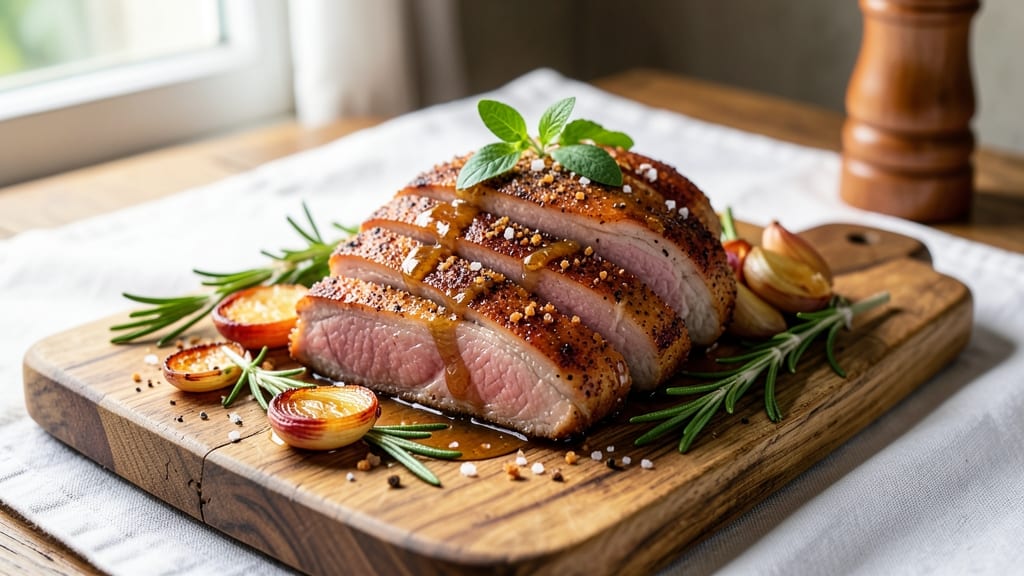
This mini pork roast recipe delivers restaurant-quality results with crispy edges and juicy hearts—perfect for weeknight dinners or small gatherings. 🔥 After years of perfecting pork roasts at The Smoky Pig, I’ve adapted my technique for tenderloin cuts, ensuring foolproof results every time.
The secret lies in a high-heat sear followed by a slow finish, locking in moisture while building that coveted crust.
What sets this recipe apart is the simplicity: just a few pantry staples and 30 minutes of active prep, with most of the work done in the oven.
I use a dry rub of smoked paprika and brown sugar for depth, then roast until the internal temperature hits 145°F—guaranteed tender without overcooking. The one-pan method keeps cleanup minimal while delivering professional-level flavor.
By the time you carve into this mini pork roast, you’ll find perfectly crispy edges that shatter with each bite and a juicy, melt-in-your-mouth center. The technique works equally well for pork tenderloin or small loin cuts, making it versatile for any occasion.
Serve with roasted potatoes or a tangy apple compote for the full experience.
This method also scales beautifully—double the recipe for a crowd or halve it for a cozy meal. The key is patience: letting the pork rest after roasting ensures every slice stays moist. Trust me, this is the crispy, juicy pork roast you’ve been searching for.
Ingredients for mini pork roast
Pantry staples plus a few fresh herbs—this is your shortcut to restaurant-style pork roast perfection.
| Ingredient | Amount | Notes |
|---|---|---|
| Pork Tenderloin 🐖 | 1 ½ lb | Center-cut, trimmed of silver skin |
| Smoked Paprika 🌶️ | 2 tsp | For deep, smoky flavor |
| Brown Sugar 🍯 | 1 tbsp | Light or dark variety |
| Kosher Salt 🧂 | 1 ½ tsp | Diamond Crystal preferred |
| Ground Black Pepper 🌶️ | 1 tsp | Freshly cracked for best flavor |
| Garlic Powder 🧄 | ½ tsp | For subtle aromatic depth |
| Olive Oil 🫒 | 2 tbsp | Extra-virgin for high-heat sear |
| Unsalted Butter 🧈 | 2 tbsp | Cold, cut into pieces |
| Fresh Rosemary 🌿 | 1 sprig | Finely chopped, stems removed |
| Fresh Thyme 🌿 | 1 sprig | Leaves only, finely chopped |
| Apple Cider Vinegar 🍎 | 1 tbsp | For pan deglazing |
| Fresh Parsley 🌿 | ¼ cup | Chopped, for garnish |
The pork tenderloin is the star, so center-cut and trimmed is non-negotiable—look for even, firm cuts at Whole Foods or your local butcher. If you're buying from the grocery store, Trader Joe's has consistently good quality. The smoked paprika gives that signature depth, but Penzeys or bulk bins at natural food stores have the best quality. For the herbs, fresh is ideal, but dried works at half the amount if you're in a pinch. The key is to keep everything balanced—too much rosemary can overpower, so stick to the sprig measurement.
No smoked paprika? Regular paprika plus a pinch of liquid smoke gets you close (start with 1/4 tsp). Fresh herbs wilted? Dried thyme and rosemary are fine—just halve the amount. The butter needs to be cold for that perfect crust, so take it out of the fridge 10 minutes before cooking. The apple cider vinegar in the pan deglazing step is crucial—it cuts through the richness and adds brightness. If you don't have it, white wine or lemon juice works in a pinch. The brown sugar caramelizes beautifully, so don't skip it—it's what gives those crispy edges their sweet-savory punch.
This roast reheats beautifully—just warm it in the oven with a splash of water for 5-10 minutes. The leftovers keep for 3-4 days in the fridge, but honestly, it's best eaten fresh. For make-ahead prep, marinate the pork overnight in the dry rub—it develops deeper flavor. Store any extra in an airtight container with a paper towel to absorb moisture. The crispy edges soften slightly when reheated, so enjoy it fresh for that perfect texture contrast.
Why You'll Love This Recipe
- One-Pan Magic: I swear by this for nights when I’d rather scroll than scrub pots—just toss those tenderloin slices with the paprika and brown sugar, pop them in the oven, and walk away. The crust forms right on the sheet pan, so cleanup is just wiping a few sticky spots.
- Smoky-Sweet Obsession: That combo of smoked paprika and brown sugar? It’s like a grown-up pork chop but with none of the fuss. The brown sugar caramelizes into a glossy glaze that clings to every bite, while the paprika adds this deep, smoky warmth that lingers.
- Weeknight Workhorse: Between us, this is my go-to for potlucks, game days, or when my college-aged kid texts “what’s for dinner?” at 7 PM. The mini size means I can make a big batch without overwhelming the fridge, and they reheat beautifully—crispy edges intact.
- Budget-Friendly Feast: Pork tenderloin is leaner than a whole roast, so I get more servings for less, and the spices cost pennies. Honestly, the brown sugar alone makes it feel special without breaking the bank. Leftovers? They disappear faster than I can say “second helping.”
Step-by-step instructions for one-pan crispy pork roast
Here's how to transform your pork tenderloin into a showstopper with perfect crispy edges and melt-in-your-mouth juiciness.
🔥 Step 1: Prep and Season the Pork for Maximum Flavor
Pat the 1.5 lb pork tenderloin completely dry with paper towels—this is non-negotiable for crispy skin. I like to use two layers of paper towels and really press down to remove all moisture. Trim off any silver skin or excess fat using a sharp knife, then make a few shallow slashes about ½-inch deep along the length of the meat. These little cuts help the seasoning penetrate deeper and prevent curling during cooking.
In a small bowl, mix together the 2 tsp smoked paprika, 1 tbsp brown sugar, 1.5 tsp kosher salt, 1 tsp ground black pepper, and 0.5 tsp garlic powder. Rub this mixture all over the pork, pressing it into the slashes and all sides. Don't be shy—this is where all the flavor lives. Let the seasoned pork sit at room temperature for 20-30 minutes while you preheat your oven.
🍳 Step 2: Sear for Deep Color and Flavor Foundation
Heat a large oven-safe skillet over medium-high heat until it's smoking hot. Add 2 tbsp olive oil and let it shimmer for 30 seconds. Place the pork tenderloin in the pan and sear for 3-4 minutes per side until it develops a deep golden-brown crust. Here's the thing—you want that crust to form before it hits the oven. I press down gently on the pork during the first minute of searing to ensure even contact with the pan.
Remove the pork from the pan and set it aside on a plate. The pan will be your flavor pot later, so don't wipe it clean. Instead, add the 2 tbsp cold unsalted butter cut into pieces, the 1 sprig fresh rosemary and 1 sprig fresh thyme, and let the butter melt and foam for 1 minute. This butter basting will add incredible richness to your roast.
🔥 Step 3: Roast to Perfect Doneness with Crispy Edges
Transfer the skillet to a preheated 400°F oven and place the pork tenderloin back in the pan, spooning the melted butter and herbs over the top. Roast for 15-20 minutes until the internal temperature reaches 145°F (use a meat thermometer for accuracy). Here's where the magic happens—the high initial temperature creates those crispy edges while keeping the interior juicy.
About 5 minutes before the pork reaches 145°F, remove it from the oven and tent loosely with foil. This resting period prevents overcooking while you finish the sauce. The pork should rest for 5-10 minutes—this is crucial for redistributing juices. If you cut into it too soon, all those precious juices will run out onto your cutting board.
🥘 Step 4: Finish with a Tangy Pan Sauce
While the pork rests, return the skillet to the stovetop over medium heat. Add 1 tbsp apple cider vinegar and scrape up all those delicious browned bits from the bottom of the pan. This deglazing step creates a rich, tangy sauce that ties everything together. Let it simmer for 2-3 minutes until slightly reduced and thickened.
Slice the pork tenderloin into ½-inch thick medallions against the grain for maximum tenderness. Spoon the pan sauce over the sliced pork and garnish with 0.25 cup chopped fresh parsley. The contrast of crispy edges and juicy centers will make this pork roast the star of your meal. Serve with roasted vegetables or mashed potatoes to soak up that incredible sauce.
Pro Tips For Making Mini Pork Roast
- SEAR FIRST, THEN SWEAT: I learned this the hard way—skipping the sear makes the brown sugar cling like glue instead of caramelizing. Hit your mini roasts with a hot pan for 2-3 minutes per side until they’re golden before adding any liquid or rub. The crust locks in flavor and keeps the sugar from turning into a sticky mess.
- USE COARSE SUGAR: That fine brown sugar? It’ll dissolve into a paste before you know it. Swap it for dark brown sugar (or even turbinado) and pat it on dry—it sticks better and crisps up faster. Trust me, your roasts will have actual texture, not a glaze.
- DON’T OVERCROWD THE PAN: I used to shove all my mini roasts in at once, thinking they’d cook faster. Wrong. They steamed instead of seared, and the sugar turned to sludge. Work in batches—2-3 at a time—and give them space to breathe. You’ll get a proper crust, not sad, soggy pork.
- REST UNDER FOIL: Cutting into that juicy pork too soon? You’re undoing all your work. After roasting, tent the tray with foil and let them sit 5-10 minutes. The residual heat keeps them tender while the juices redistribute—no dry, stringy bites here. (Yes, even if you’re impatient like me.)
Dietary considerations for this dish
Gluten-Free Adaptations
This recipe is naturally gluten-free, but I always double-check my pantry staples to avoid cross-contamination. The smoked paprika, brown sugar, and spices are all gluten-free, so no substitutions are needed there.
For the pan sauce, ensure your apple cider vinegar is certified gluten-free—some brands process in shared facilities. I recommend Bragg Organic Apple Cider Vinegar for its purity. 🌱
Low-Carb Options
To make this pork roast even lower in carbs, skip the brown sugar in the dry rub and replace it with 1 tbsp monk fruit sweetener or 1 tbsp erythritol. The flavor profile stays rich and smoky without the sugar.
For the pan sauce, use 1 tbsp lemon juice instead of apple cider vinegar to keep it strictly low-carb. This version is perfect for keto or carnivore diets while still delivering that crispy, juicy texture.
Dairy-Free Substitutions
The butter is the only dairy component, but it’s easy to swap for 2 tbsp dairy-free butter (like Miyoko’s) or 2 tbsp coconut oil. The flavor won’t be identical—coconut oil adds a subtle tropical note—but it still creates a delicious crust.
For extra richness, use 2 tbsp olive oil instead, though the texture will be slightly less tender. The pan sauce remains unchanged, so no other adjustments are needed.
Allergen-Friendly Adjustments
If you have nut allergies, this recipe is already safe—just confirm all spices and vinegars are nut-free. For soy allergies, avoid any soy-based marinades or sauces (this recipe doesn’t include any). For egg allergies, no substitutions are required since this method relies on dry rubs and searing.
Always check labels on smoked paprika and brown sugar, as some brands process in facilities with allergens.
Protein-Packed Boost
Want to add extra protein? Skewer the pork tenderloin with 4-6 oz of sliced mushrooms or bell peppers before roasting. The vegetables will caramelize beautifully and add fiber without altering the pork’s texture.
For a heartier meal, serve alongside crispy roasted chickpeas (tossed in olive oil and smoked paprika) or a side of quinoa for a complete protein profile.
Nutrition facts
Frequently asked questions
Can I use pork loin instead of tenderloin for this recipe?
Yes, but you'll need to adjust for size and cooking time. A 1.5 lb pork loin will work, but trim excess fat and make deeper slashes (¾-inch deep) to ensure even cooking. Roast at 375°F instead of 400°F for 25-30 minutes to prevent overcooking the center. The texture will be slightly firmer but still delicious.
How do I keep the pork from drying out?
Three key steps prevent dryness: 1) Never skip the 20-30 minute room temp rest before cooking, 2) Use a meat thermometer and remove the pork at 145°F (it continues cooking while resting), and 3) Tent loosely with foil during the last 5 minutes of cooking. The butter basting also adds moisture while creating crispy edges.
What's the best way to serve this mini pork roast?
For a classic Southern meal, pair with creamy mashed potatoes and roasted Brussels sprouts. For a lighter option, try herbed quinoa and grilled asparagus. The pan sauce works beautifully with all options—just drizzle generously! For a showstopper presentation, slice into ½-inch medallions and arrange on a platter with fresh parsley.
Can I make this ahead of time?
Roast the pork 1 day ahead and store in an airtight container. Reheat in a 350°F oven for 10-15 minutes with a splash of water or broth. The texture won't be as crispy, but the flavor stays excellent. For best results, reheat only what you'll serve immediately and make fresh crispy edges when ready to eat.
What if my pork doesn't get crispy?
Check these three things: 1) The pork wasn't patted completely dry (moisture prevents browning), 2) The pan wasn't hot enough before searing (wait for smoke), or 3) The oven temperature dropped during cooking. For next time, increase oven temp to 425°F for the last 5 minutes to finish the crust. A broiler on high for 2-3 minutes at the end also works.