
Main Courses
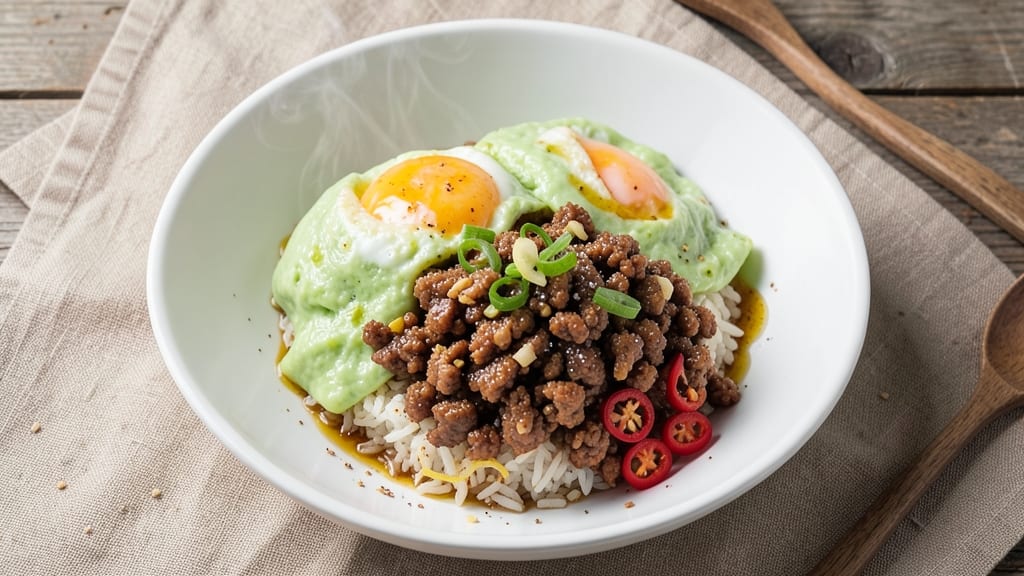
This minced pork steamed egg recipe delivers a perfect balance of silky custard and savory pork bites—ideal for a comforting yet elegant meal. The technique combines delicate steaming with aromatic seasonings to create a dish that's both restaurant-worthy and simple to prepare at home.
I've perfected the ratio of tender pork to rich egg custard, ensuring every bite is harmonious.
The secret lies in properly mincing the pork and seasoning it with ginger, garlic, and a touch of soy sauce before steaming. Meanwhile, the egg custard transforms into a velvety, jiggly center that contrasts beautifully with the savory pork.
This dish is inspired by traditional Chinese chawanmushi techniques but adapted for home cooks with minimal fuss.
What makes this recipe stand out is the foolproof steaming method—no special equipment needed, just a heatproof bowl and a steamer. The result is a dish that's tender, flavorful, and visually appealing, with the egg custard glistening like a delicate cloud.
Serve it with a sprinkle of green onions or a drizzle of chili oil for extra depth.
Perfect for family dinners or special occasions, this recipe brings together the best of comfort food and refined technique. The balance of textures and flavors ensures it's a crowd-pleaser every time. Let's get started!
Ingredients for minced pork steam egg
The perfect harmony of tender pork and silky egg custard starts with these 13 essential ingredients.
| Ingredient | Amount | Notes |
|---|---|---|
| Ground Pork 🐷 | 1 ½ lb | Finely minced, lean preferred |
| Large Eggs 🥚 | 6 whole | Room temperature for best blend |
| Fresh Ginger 🌿 | 1 tbsp | Finely grated, aromatic quality |
| Garlic Cloves 🧄 | 4 cloves | Minced, fresh preferred |
| Light Soy Sauce 🍶 | 2 tbsp | Kikkoman or similar |
| Sesame Oil 🫒 | 1 tbsp | Toasted, for aroma |
| Vegetable Oil 🫒 | 2 tbsp | Neutral high smoke point |
| Dashi Powder 🍜 | 1 tsp | Or 1 cup homemade dashi |
| Mirin 🍶 | 1 tbsp | Sweet cooking rice wine |
| Green Onions 🧅 | 2 whole | Thinly sliced, for garnish |
| Salt 🧂 | ½ tsp | Fine sea salt |
| White Pepper 🌶️ | ¼ tsp | Freshly ground |
| Water 💧 | 1 ½ cups | For steaming setup |
The ground pork is the star—look for freshly minced at an Asian market for that restaurant-quality texture. Costco or H Mart often carry pre-minced pork, but if you're buying whole, ask the butcher to grind it extra fine. The eggs? Room temperature is key—they blend smoother and create that signature jiggly texture. For the ginger and garlic, fresh is non-negotiable—dried just won't cut it here. I grab organic ginger at Whole Foods because it's more aromatic, but regular grocery store ginger works in a pinch if you're in a hurry.
No light soy sauce? Regular soy sauce at half the amount works, but the lighter color keeps the dish elegant. Swapping sesame oil? Toasted peanut oil gives a similar nutty depth. Dashi powder hard to find? Make your own with kombu and bonito flakes—trust me, it's worth the effort. The mirin adds that delicate sweetness; if you can't find it, a mix of sugar and dry sherry does the trick. Green onions can be subbed with chives, but the mild onion flavor is part of the charm. Pro tip: Toast the sesame oil in a dry pan for 30 seconds before adding to the pork—this brings out its aroma without overpowering.
The pork mixture keeps 2 days in the fridge, but the egg custard is best made fresh. If prepping ahead, steam the pork mixture only and finish with the eggs later. Leftovers? 3 days max—the custard gets grainy after that. For a restaurant-style presentation, chill the finished dish for 30 minutes before slicing—it holds its shape beautifully. Store in airtight containers with a layer of plastic wrap pressed against the custard to keep it moist. Freezing isn't recommended—the texture changes dramatically.
Why You'll Love This Recipe
- No Chopping Chaos: I swear by this recipe when I’m too tired to mince garlic—just smash those cloves with the side of my knife. The ground pork and eggs handle all the flavor work for you while you steam, so you’re basically done before the timer goes off.
- Umami Bomb: That light soy sauce and fresh ginger? It’s the secret weapon. The pork stays juicy, the eggs get that silky-smooth texture, and the aroma when it steams? Honestly, it smells like a hug from my grandma’s kitchen.
- Lunchbox Hero: Between us, this is my go-to for packed lunches. The eggs hold up surprisingly well, and the pork-ginger mix keeps things exciting. Toss in some rice and a sprinkle of scallions, and you’ve got a meal that’ll actually make someone smile when they open their lunchbox.
- Budget Magic: Ground pork and eggs are cheap, but this recipe stretches them into something special. I make a big batch on Sundays, and it feeds my family for days—leftovers reheat beautifully, and the flavors only get better the next day. (Yes, even on a Tuesday night.)
Step-by-step instructions for silky custard with savory pork bites
Here's how to create the perfect balance of tender pork and velvety eggs—every bite is pure comfort.
Prepare the Pork Mixture for Maximum Flavor
In a large bowl, combine the 1.5 lb ground pork, 2 tbsp light soy sauce, 1 tbsp mirin, 1 tsp dashi powder, 0.5 tsp salt, and 0.25 tsp white pepper. Using your hands, mix until the pork is thoroughly coated and the seasonings are evenly distributed throughout. This ensures each bite of pork carries the full umami depth.
Next, add the 1 tbsp finely grated fresh ginger and 4 minced garlic cloves to the pork mixture. Gently knead everything together until the ginger and garlic are fully incorporated. The aroma should be intense and inviting—this is your flavor foundation. Let the pork mixture sit at room temperature for 10 minutes while you prepare the eggs.
Create the Egg Custard Base
In a separate medium bowl, whisk together the 6 whole large eggs until they're fully combined and the yolks and whites are uniformly blended. The eggs should be at room temperature for the best texture—this prevents any potential curdling when combined with the hot pork mixture later.
Add 1 tbsp toasted sesame oil to the egg mixture and whisk vigorously for 30 seconds. This not only enhances the flavor but also creates a subtle oil sheen that contributes to that signature silky texture. The mixture should be smooth and glossy, with no streaks of oil remaining.
Combine Pork and Egg Mixtures
Gently fold the pork mixture into the egg mixture using a silicone spatula, being careful not to overmix. You want to maintain a light, airy texture—think of it like folding whipped cream into batter. The pork should be evenly distributed throughout the eggs, with no large clumps remaining. This step is where the magic happens—where the savory pork meets the delicate eggs.
At this stage, the mixture should be thick but still pourable. If it appears too dense, you can add 1-2 teaspoons of water to loosen it slightly. The consistency should be similar to thick pancake batter—this ensures the perfect custard texture when steamed.
Set Up the Steaming Process
Fill a wok or large pot with 1.5 cups of water and bring it to a gentle simmer over medium heat. The water should be hot but not boiling vigorously—you want steady, even steam. Place a heatproof plate or steamer rack above the water, ensuring it's about 2 inches from the water's surface.
Lightly oil a 10-inch heatproof plate with 1 tbsp vegetable oil, spreading it evenly with a paper towel. This prevents the mixture from sticking and creates that beautiful golden crust on the bottom. The oil should be just enough to coat the surface—don't overdo it or the eggs will be greasy.
Steam to Silky Perfection
Pour the pork-egg mixture onto the oiled plate, spreading it evenly into a 1-inch thick layer. Place the plate in the steamer and cover with a tight-fitting lid. Steam over medium-low heat for 12-15 minutes, until the center is just set but still slightly wobbly when gently shaken.
The custard should have a golden-brown bottom with a soft, jiggly top—this is your visual cue that it's perfectly cooked. If you're unsure, insert a toothpick into the center; it should come out clean but slightly moist. Remove from the steamer and let it rest for 5 minutes before slicing.
Garnish and Serve Immediately
While the eggs rest, thinly slice the 2 whole green onions and sprinkle them evenly over the top of the steamed eggs. The green onions add a fresh contrast to the rich pork and eggs. Serve immediately while the eggs are still warm and the custard is at its silkiest.
Slice the steamed eggs into 1-inch thick pieces and arrange on a warm plate. Each bite should deliver a perfect balance of tender pork, creamy custard, and aromatic green onions. The eggs should be set but still slightly tremulous in the center, with a delicate crust on the bottom that adds just the right amount of texture.
Pro Tips For Making Minced Pork Steam Egg
- Preheat your pan properly: The ground pork needs a screaming-hot wok or skillet—no lukewarm nonsense. If you’re using a cast iron, let it sit on high for 2 minutes before adding oil, or the pork will steam instead of sear, leaving you with greasy, unflavored filling.
- Mince ginger and garlic finely: I learned this the hard way—chunky ginger and garlic just sit there like awkward guests. Pulse them in a food processor until they’re almost paste-like, then mix into the pork. This way, every bite gets that bright, aromatic punch without any texture surprises.
- Don’t overmix the egg: After combining the beaten egg with the pork mixture, give it one gentle fold—just enough to distribute the filling. Overmixing makes the egg curdle and turns your steam egg into a dense, rubbery mess. Think "marble swirl," not "pancake batter."
- Use cold eggs for cleaner separation: Crack eggs into a bowl first, then whisk them just until combined—no need for frothy perfection. The cold yolk will hold its shape better when steamed, giving you that classic runny center instead of a scrambled disaster. (Pro move: Add a splash of cold water to the bowl while whisking.)
Troubleshooting this dish
Pork Too Dry
If your pork ends up dry or rubbery, it likely overcooked during steaming. The ideal steaming time is 12-15 minutes—any longer and the moisture evaporates. I’ve found that using extra-fine ground pork (almost paste-like) retains moisture better than coarse minced pork.
Also, don’t skip the 10-minute room-temperature rest before steaming—this helps the pork absorb flavors and stay juicy. 💧
Eggs Overcooked
Oversteamed eggs turn rubbery instead of silky. The key is gentle heat—your water should simmer softly, not boil vigorously. If the top of your custard browns too quickly, lower the heat slightly or add a damp paper towel to the lid to regulate steam.
Test doneness by inserting a toothpick: it should come out clean but slightly moist. If in doubt, steam for just 1-2 minutes less than the recipe suggests. 🌡️
Lumpy Texture
Lumps in your custard usually mean overmixing or cold ingredients. First, ensure your eggs and pork are room temperature—cold ingredients cause curdling. When folding the pork into the eggs, use gentle, sweeping motions with a silicone spatula, just until combined.
Overmixing introduces air bubbles that create lumps. For extra smoothness, strain the mixture through a fine-mesh sieve before steaming. ✨
Sticking to Plate
If your custard sticks stubbornly to the plate, the oil wasn’t distributed evenly. Lightly oil the plate with a paper towel to spread 1 tbsp vegetable oil in a thin, even layer—no pools. For extra insurance, use a silicone mat or parchment paper lined with a light oil coating.
I also recommend chilling the plate for 10 minutes in the fridge before adding the mixture to prevent premature sticking. 🍳
Pale or Bland Flavor
A pale, bland result often means weak seasoning or insufficient heat. Boost umami by toasting the sesame oil in a dry pan for 30 seconds before adding it to the pork. For depth, increase the dashi powder to 1.5 tsp or add ½ tsp fish sauce to the pork mixture.
If the custard lacks richness, whisk in 1 extra egg yolk for a creamier texture. Trust me, these tweaks make a world of difference. 💡
Uneven Cooking
Uneven cooking happens when the heat isn’t distributed evenly. Use a wide, shallow plate (like a 10-inch heatproof plate) to maximize surface area. If your steamer has hot spots, rotate the plate halfway through steaming.
For even more control, place a wire cooling rack inside your steamer basket to elevate the plate 2 inches above the water. This ensures steam circulates evenly around the custard. 🔥
Nutrition facts
Frequently asked questions
Can I substitute ground pork with another meat?
Yes, but texture and flavor will change. Ground chicken works well for a lighter version, while ground beef adds richness but may make the dish heavier. For authentic results, stick with pork—its fat content creates that signature tender bite. If using chicken, reduce steaming time by 2 minutes to prevent dryness.
How do I make this dish vegetarian?
Replace the pork with finely minced mushrooms (shiitake or oyster work best) or tofu crumbles sautéed with the same seasonings. For umami depth, add 1 tbsp soy sauce and ½ tsp fish sauce substitute (like vegan dashi). The egg custard remains the same—just ensure your mushroom/tofu mixture is well-seasoned.
Why does my custard look grainy?
Graininess usually means the eggs weren't fully blended or the mixture was overmixed. First, whisk eggs until completely smooth with no streaks. When folding in pork, use gentle motions—overmixing introduces air bubbles. For extra silkiness, strain the mixture through a fine-mesh sieve before steaming. Cold ingredients also cause graininess, so ensure eggs and pork are at room temperature.
Can I bake this instead of steaming?
Baking works but alters the texture—expect a firmer, denser result. Preheat oven to 325°F and bake in a water bath (place your dish in a larger pan with 1 inch of hot water) for 25-30 minutes. For best results, use a lightly oiled ramekin and cover with foil for the first 15 minutes to trap moisture. The custard will be set but less jiggly than steamed.
What's the best way to reheat leftovers?
Reheat gently to preserve texture. Place slices in a steamer basket over simmering water for 3-4 minutes or microwave at 50% power for 20 seconds. Avoid high heat—it turns the custard rubbery. For extra moisture, sprinkle 1 tsp water over the top before reheating. Leftovers keep 3 days in the fridge.