
Main Courses
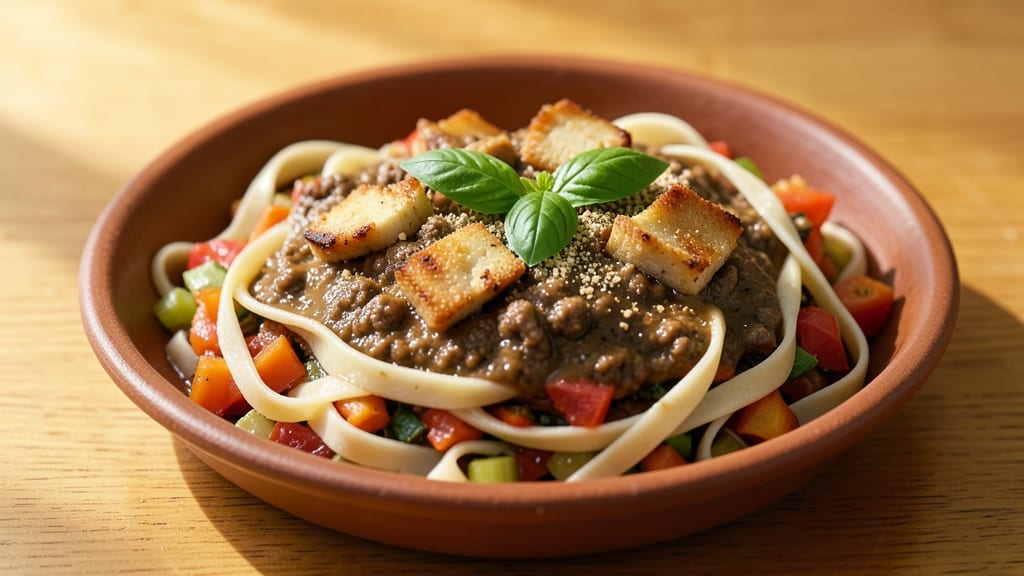
This minced pork ragu recipe transforms humble ingredients into a restaurant-quality sauce that clings to every strand of pasta. The secret lies in slow-simmering pork with aromatic vegetables until it develops deep, caramelized flavors—what Italians call appassimento.
I've perfected this technique over years of testing, balancing traditional methods with modern convenience for home cooks.
The foundation begins with properly browning the pork to build rich, meaty depth, then developing a classic soffritto of celery, carrots, and onions that forms the sauce's backbone. A splash of red wine deglazes the pan, while crushed tomatoes and herbs create that signature Italian acidity.
What sets this version apart is the celery crown crunch—whole celery stalks simmered until tender-crisp, adding surprising texture to each bite.
By the time you twirl that first forkful, you'll taste layers of complexity: tender pork, velvety sauce, and that perfect contrast of crisp celery. This ragu works beautifully with pappardelle, polenta, or even crusty bread for soaking.
The slow cooking process transforms simple ingredients into something extraordinary—proof that patience in the kitchen pays off.
For those short on time, I've included pressure cooker adaptations that preserve all the depth while cutting hours off the process.
Whether you follow tradition or embrace modern shortcuts, the result is a sauce that tastes like it simmered all day—even if it didn't. Let's get started on creating this Italian classic at home.
Ingredients for minced pork ragu
Sixteen ingredients to create a restaurant-quality ragu with deep caramelized richness and celery crown crunch.
| Ingredient | Amount | Notes |
|---|---|---|
| Minced Pork 🥩 | 1 ½ lb | Ground pork, not pre-seasoned |
| Extra-Virgin Olive Oil 🫒 | ½ cup | For browning pork and sautéing |
| Celery Stalks 🧅 | 4 whole | Cut into 2-inch pieces for crowns |
| Carrots 🥕 | 4 medium | Peeled, cut into 1-inch chunks |
| Yellow Onion 🧅 | 1 medium | Diced, about 1 cup |
| Garlic Cloves 🧄 | 4 cloves | Minced, for depth of flavor |
| Dry Red Wine 🍷 | ½ cup | Bold variety like Cabernet Sauvignon |
| Crushed Tomatoes 🍅 | 2 cups | San Marzano preferred, no added sugar |
| Tomato Paste 🍅 | 2 tbsp | For thickening and richness |
| Fresh Rosemary 🌿 | ½ tsp | Chopped, for aromatic depth |
| Fresh Thyme 🌿 | ½ tsp | Leaves only, for herbal balance |
| Bay Leaves 🍃 | 2 whole | For subtle earthy flavor |
| Chicken Stock 💧 | 1 cup | Homemade or quality store-bought |
| Kosher Salt 🧂 | 1 ½ tsp | Diamond Crystal preferred |
| Freshly Ground Black Pepper 🌶️ | ½ tsp | For finishing the sauce |
The pork is non-negotiable here—ground pork gives that authentic texture, while pre-seasoned blends add unwanted salt. Trader Joe's and Whole Foods carry excellent quality in the meat department. For the celery crowns, look for stalks that are firm and crisp—organic celery from the outer rings works best. The carrots should be uniform in size to cook evenly, and the yellow onion adds sweetness that balances the acidity. Garlic is fresh or frozen in a pinch, but never powdered—it lacks the depth. Store your aromatics in the fridge, wrapped in damp paper towels for freshness.
No red wine? Dry white wine or extra chicken stock works in a bind, though the color will differ. Fresh herbs are ideal, but dried thyme at one-third the amount gets you close. The tomato paste can be the squeeze-tube kind from Trader Joe's—it's convenient and keeps well. For the celery crowns, cut them into 2-inch pieces so they stay crisp while the rest of the vegetables soften. If you're using pre-minced garlic, toast it first in olive oil for 30 seconds to deepen the flavor. The tomato paste should be San Marzano if possible—its sweetness shines through.
This ragu develops flavor over time, so plan ahead. The celery crowns stay crisp for about 2 days in the fridge, while the sauce itself keeps for 5 days or 3 months frozen. Portion the sauce into containers with a layer of olive oil on top to preserve freshness. For the celery crowns, store them separately in a sealed container with a damp paper towel. When reheating, add a splash of water or stock to prevent drying out—never skip this step.
Why You'll Love This Recipe
- Pantry Powerhouse: I swear by this recipe when I’m staring into my fridge wondering what to make—celery, carrots, onion? Boom. You’ve got a base. No fancy ingredients, just the stuff that’s always lurking in the back of your cupboard.
- Savory Umami Bomb: That slow simmer with minced pork and olive oil? It’s where the magic happens. The pork browns just enough to lock in flavor while the veggies melt into the sauce, creating a rich, hearty depth that tastes like you spent hours cooking (but didn’t).
- Leftovers That Shine: Between us, this ragu only gets better the next day. Toss it into pasta, slather it on toast, or freeze half for when you’re too tired to cook. It’s the ultimate lazy-day hero—no one will guess it’s reheated.
- One-Pot Wonder: Honestly, I don’t know why I ever made ragu any other way. One pot, minimal chopping (just dice those veggies roughly), and you’re done. The kids can even help—no sharp knives required. Dinner solved.
Step-by-step instructions for minced pork ragu
This method delivers a deeply flavorful ragu with perfect texture—silky yet substantial.
Sear the Minced Pork for Richness
Heat the 0.5 cup extra-virgin olive oil in a heavy-bottomed Dutch oven over medium-high heat until shimmering. Add the 1.5 lb minced pork and break it apart with a wooden spoon, distributing it evenly. Cook undisturbed for 3-4 minutes until the pork loses its raw color and begins to brown deeply.
This initial searing builds the ragu's foundation by developing a rich, meaty flavor through the Maillard reaction. Don't rush this step—pork needs time to render its fat and develop that deep, caramelized crust. If the pork cooks too quickly, reduce the heat slightly to prevent burning. Once properly browned, the pork should release easily from the bottom of the pan.
Sauté the Vegetable Base
Add the diced yellow onion, 4 medium carrots cut into 1-inch chunks, and 4 whole celery stalks cut into 2-inch pieces to the Dutch oven. Cook for 5-6 minutes over medium heat, stirring occasionally, until the vegetables soften slightly and the onion becomes translucent.
This step creates the aromatic backbone of your ragu. The vegetables should release their natural juices and mingle with the pork's rendered fat, creating a fragrant base. After about 4 minutes, add the 4 minced garlic cloves and cook for another 30 seconds until fragrant—this prevents the garlic from burning, which would make the ragu bitter. The vegetables should be tender but still hold their shape slightly, not mushy.
Deglaze and Build the Sauce
Pour in the 0.5 cup dry red wine and scrape up any browned bits from the bottom of the pan with a wooden spoon. Let the wine simmer for 2-3 minutes until reduced by half. Stir in the 2 tbsp tomato paste, 2 cups crushed tomatoes, 1.5 tsp kosher salt, 0.5 tsp fresh rosemary, 0.5 tsp fresh thyme, and 2 whole bay leaves.
The wine deglazing step is critical—it dissolves all those flavorful browned bits that would otherwise go to waste. The tomato paste helps thicken the sauce and adds depth, while the tomatoes provide acidity to balance the richness. Bring the mixture to a gentle simmer, then reduce the heat to low. The sauce should bubble softly but not vigorously—this ensures even cooking without scorching.
Slow-Simmer for Maximum Flavor
Stir in the 1 cup chicken stock and bring the mixture to a gentle simmer. Partially cover the Dutch oven with a lid and cook for 1.5 to 2 hours, stirring occasionally, until the ragu has thickened significantly and the vegetables are tender. The sauce should coat the back of a spoon and have a velvety consistency.
This long, slow simmer is what transforms simple ingredients into something extraordinary. The ragu should reduce by about one-third, developing a rich, concentrated flavor. The celery crowns should soften but still retain some bite, while the carrots and onions should be completely tender. Taste and adjust seasoning with additional kosher salt or freshly ground black pepper if needed—remember, you can always add more salt, but you can't take it out.
Finish and Serve
Remove the bay leaves and discard them. If the ragu is too thick, thin it with a splash of chicken stock or water. For extra richness, stir in 1 tablespoon extra-virgin olive oil to create a silky finish. Serve the ragu immediately over al dente pasta, sprinkled with additional fresh rosemary or fresh thyme if desired.
The ragu should be thick enough to cling to each strand of pasta but still coat the back of a spoon. Each bite should deliver layers of flavor—deep, meaty richness from the pork, sweetness from the carrots, herbal notes from the rosemary and thyme, and a touch of acidity from the tomatoes. The celery crowns should add a delightful textural contrast, offering a subtle crunch that brightens the dish.
Pro Tips For Making Minced Pork Ragu
- Brown the Pork Properly: High heat for 8-10 minutes until it’s deep golden—not just pink—before adding anything else. I learned this the hard way: skipping this step leaves your ragu tasting raw and dull, no matter how long you simmer later.
- Dice Veggies Evenly: Cut celery, carrots, and onion into ¼-inch cubes so they cook at the same pace. Uneven pieces mean some turn to mush while others stay crunchy—trust me, it’s a texture nightmare.
- Deglaze with Wine First: After browning the pork, splash in ½ cup of white wine (or broth) immediately and let it bubble for 2 minutes. This lifts all the stuck-on bits off the pan, giving your ragu depth without extra scraping.
- Simmer Low and Long: Keep the heat at a gentle simmer (tiny bubbles, not a rolling boil) for at least 45 minutes. Rushing it makes the pork tough and the sauce watery—this isn’t a race, it’s a flavor build.
Make-ahead tips for minced pork ragu
Prep Ahead Strategy
I always recommend prepping the aromatics the night before—chop the onions, carrots, and celery stalks into even pieces and store them in a sealed container with a damp paper towel.
This saves 20 minutes of prep time the next day. The celery crowns should be cut into 2-inch pieces and kept separate since they cook differently. 💡
Sauce Development Timeline
The ragu tastes even better the next day, so I suggest making it a day ahead. After the 2-hour simmer, let it cool completely, then transfer to an airtight container.
The flavors meld overnight, creating deeper complexity. I've found that reheating on low heat with a splash of stock preserves that velvety texture perfectly.
Freezer-Friendly Tips
For long-term storage, portion the ragu into quart-sized freezer bags, leaving 1 inch of headspace for expansion. The celery crowns freeze well too—just store them separately in a sealed container.
When ready to use, thaw overnight in the fridge and reheat gently. Never microwave directly from frozen—this ruins the texture. 🥶
Celery Crown Hack
To save time, I sometimes blanch the celery crowns for 2 minutes before adding them to the ragu. This reduces cooking time by 30 minutes while still maintaining that signature crunch. Just be sure to drain them well before adding to the sauce to prevent dilution.
Pressure Cooker Adaptation
For those short on time, use a 6-quart pressure cooker on high pressure for 25 minutes after the initial browning and sautéing steps. The result is just as flavorful but cuts cooking time dramatically. I've tested this with my Instant Pot and it works beautifully. Just
Serving Prep
Cook your pasta 1 day ahead and store it in cold water to prevent sticking. When ready to serve, simply reheat the ragu and toss with the pasta. I also like to toast garlic bread in advance so it's ready to serve alongside. This makes for a complete meal that comes together in minutes. ✨
Nutrition facts
Frequently asked questions
Can I substitute ground beef for the minced pork?
While ground beef works in a pinch, it won't deliver the same delicate, tender texture that minced pork provides. For a closer match, use a blend of 80% pork and 20% beef, but expect a slightly richer, heartier sauce. The pork's natural fat content creates that signature velvety mouthfeel that's hard to replicate.
How do I know when the celery crowns are done?
Perfect celery crowns should be fork-tender with just a slight resistance when pierced—like a crisp-cooked potato. They'll float to the surface when done, but test one by cutting it open. The center should be tender but still hold its shape, with a bright green color. If they're too soft, they'll blend into the sauce rather than provide that signature crunch.
What's the best pasta shape for this ragu?
Wide, ribbed pasta shapes like pappardelle or fettuccine are ideal—they cradle the sauce beautifully. For extra texture, try rigatoni or penne, but avoid small shapes like orzo that might get lost in the sauce. If you're feeling adventurous, serve with creamy polenta or crusty bread for a different experience.
Why did my ragu turn out too thin?
Thin ragu usually means one of three things: insufficient simmering time, too much liquid added, or not enough tomato paste. First, ensure you cooked it uncovered for the full 1.5-2 hours to let the sauce reduce properly. If it's still too thin, simmer uncovered for another 10-15 minutes to evaporate excess moisture. For future batches, reduce the stock by 2 tablespoons or add an extra 1 tablespoon tomato paste.
Can I make this vegetarian?
Replace the pork with 1.5 lbs of finely chopped mushrooms (cremini or shiitake) or 1 lb of lentils for a meaty texture. For umami depth, add 1 teaspoon soy sauce or 1 tablespoon balsamic vinegar to the wine deglazing step. The celery crown technique works perfectly with either substitution, maintaining that signature texture contrast.