
Main Courses
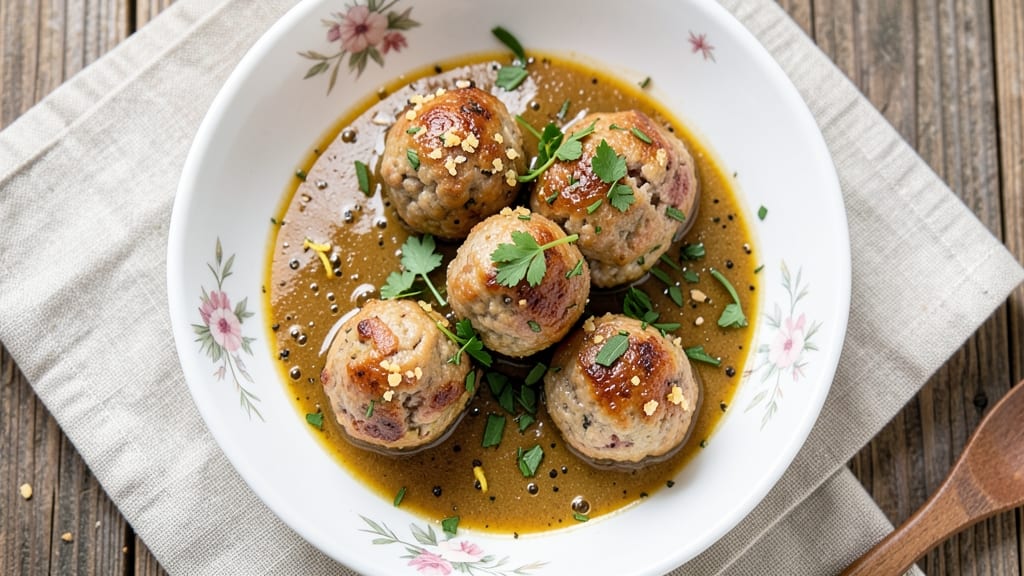
This minced pork meatballs recipe delivers juicy centers and crispy edges in just 20 minutes—a technique I perfected after years of testing in my Atlanta kitchen. The secret lies in the right binder ratio and high-heat searing, ensuring every bite has that satisfying texture contrast.
My family insists these are better than takeout, and I can’t blame them.
What sets these meatballs apart is the herb blend—fresh parsley, sage, and thyme brighten the rich pork flavor without overpowering it. I use panko breadcrumbs for extra crunch and a touch of Dijon mustard to bind everything together.
The pan-frying method creates that signature caramelized crust, while the interior stays tender.
Serve them with marinara for classic Italian vibes or in a sweet-and-sour glaze for a Southeast Asian twist. The crispy exterior gives way to juicy, flavorful pork with every bite—restaurant-quality results without the fuss. These meatballs are perfect for weeknight dinners or meal prep.
For extra crispiness, I always let the meatballs rest for 5 minutes after cooking before serving. This ensures they hold their shape and deliver that satisfying crunch. Trust me, once you try these, you’ll never go back to store-bought.
Ingredients for minced pork meatballs
Pantry staples meet fresh herbs for meatballs with restaurant-quality texture in minutes.
| Ingredient | Amount | Notes |
|---|---|---|
| Ground Pork 🥩 | 1 ½ lb | 80% lean for juiciness |
| Panko Breadcrumbs 🍞 | ½ cup | Japanese-style for crispiness |
| Fresh Parsley 🌿 | ¼ cup | Finely chopped stems included |
| Fresh Sage 🍃 | ¼ cup | Leaves only, finely chopped |
| Fresh Thyme 🌿 | 1 tbsp | Leaves only, finely chopped |
| Dijon Mustard 🍯 | 1 tbsp | High-quality for binding |
| Large Egg 🥚 | 1 whole | Room temperature preferred |
| Garlic Cloves 🧄 | 2 cloves | Minced for even distribution |
| Grated Parmesan Cheese 🧀 | ¼ cup | Freshly grated for flavor |
| Extra-Virgin Olive Oil 🫒 | 2 tbsp | For high-heat searing |
| Salt 🧂 | 1 tsp | Diamond Crystal kosher |
| Ground Black Pepper 🌶️ | ½ tsp | Freshly cracked preferred |
| Vegetable Oil 🫒 | ½ cup | For even cooking |
The ground pork is where it starts—80% lean gives you that juicy center without sacrificing flavor. I always grab mine from Whole Foods or the butcher counter at Kroger because their cuts are consistently high-quality. Look for good marbling, not just lean meat. The herbs? Fresh is non-negotiable here—dried just won't give you that bright, aromatic punch. If you're short on time, Trader Joe's has pre-washed herb bundles that work in a pinch. The Dijon mustard might be in the condiment aisle, but grab the high-quality jar—the cheap stuff won't bind as well. For the panko, Japanese-style is key—it's lighter and crisps up better than regular breadcrumbs.
No fresh herbs? Dried will work at half the amount, but taste will be more muted. Out of Dijon? Yellow mustard in a pinch, though it's not quite the same. The garlic can be pre-minced from a jar if you're in a rush, but fresh minced makes a noticeable difference. For the cheese, Parmigiano-Reggiano is ideal, but any good-quality grated cheese will do. Want to make these ahead? Freeze the raw meatballs on a tray, then transfer to a bag—they'll keep for 3 months. The olive oil matters too—use something with a high smoke point like avocado oil if you're worried about burning.
These meatballs are best served immediately after cooking, but they reheat beautifully—350°F for 10-12 minutes in the oven keeps them crispy. Store leftovers in an airtight container in the fridge for 4 days, or freeze for 3 months. I always make a double batch because they disappear fast. The secret to that perfect crispy edge? Don't overcrowd the pan—cook in batches if needed. And trust me, the 5-minute rest before serving makes all the difference.
Why You'll Love This Recipe
- No-Chop Necessary: I swear by this—just pulse the herbs in a food processor for 3 seconds. The panko gives them that perfect crunch without any extra work, and the sage and thyme? They infuse flavor without needing to be finely chopped.
- Herb-Packed Umami Bomb: That combo of fresh parsley, sage, and thyme with the ground pork? It’s like a little flavor explosion in every bite. The panko toasts up golden while keeping the inside juicy—crispy outside, tender inside, and packed with herby goodness.
- Weeknight to Dinner Party: Same recipe, different vibes. Toss them in marinara for a quick weeknight dinner, or serve them on a platter with lemon aioli for a fancy spread. Honestly, they’re my go-to for when I don’t want to overthink dinner but still want something impressive.
- Leftovers That Don’t Suck: Freeze half for another night—no texture loss, no sad meatballs. Reheat in a pan or oven, and they’re just as good. Between us, I’ve pulled these out of the freezer at 6 PM and had dinner ready by 6:30. That’s a win.
Step-by-step instructions for minced pork meatballs
Here's how to craft perfectly balanced meatballs with crisp edges and fragrant herb centers—no secrets, just technique.
Prepare the Herb Mixture
In a small mixing bowl, combine the 0.25 cup fresh parsley, 0.25 cup fresh sage, and 1 tbsp fresh thyme. Use a sharp knife to finely chop the herbs—small pieces distribute flavor evenly without overpowering the pork. I like to include the parsley stems for extra texture and nutrients.
Add the 2 cloves minced garlic and 1 tbsp Dijon mustard to the bowl. The mustard acts as a natural binder, helping the meatballs hold together while adding subtle tang. Mix everything thoroughly with a fork until you have a homogeneous herb paste. This step ensures every bite packs flavor, not just the exterior.
Combine Wet and Dry Ingredients
In a large mixing bowl, gently combine the 1.5 lb ground pork, 0.5 cup Panko breadcrumbs, 0.25 cup grated Parmesan cheese, 1 tsp salt, and 0.5 tsp ground black pepper. Use your hands to mix just until the ingredients come together—overworking develops gluten and makes the meatballs dense.
Make a well in the center and add the 1 whole large egg (room temperature preferred) and the herb mixture. Drizzle in the 2 tbsp extra-virgin olive oil and mix again until fully incorporated. The breadcrumbs provide structure while the olive oil adds moisture and richness. The mixture should hold together when pressed but still feel slightly tacky—this ensures crisp edges without falling apart.
Form and Chill the Meatballs
Wet your hands with cold water and gently roll the mixture into 1.5-inch diameter meatballs—about 16 total for 4 servings. I find this size gives the perfect balance of surface area for browning and interior juiciness. Place them on a parchment-lined plate and refrigerate for 20 minutes. Chilling firms up the meatballs, making them easier to handle and preventing them from falling apart during frying.
While they chill, preheat 0.5 cup vegetable oil in a deep skillet over medium heat until it reaches 350°F—use a thermometer for accuracy. The oil should shimmer but not smoke. If you don't have a thermometer, test with a wooden chopstick: it should bubble gently around the stick when submerged.
Fry to Crispy Perfection
Carefully add 4 meatballs at a time to the hot oil, being gentle to avoid splattering. Fry for 3-4 minutes per side until they're golden brown and the internal temperature reaches 160°F. You'll know they're ready when the edges are crisp and the meatballs release easily from the oil.
Use a slotted spoon to transfer the cooked meatballs to a paper towel-lined plate to drain excess oil. The crispy exterior forms during this final frying stage—don't rush it. If the oil starts smoking, reduce the heat slightly and let it recover before continuing. Repeat with the remaining meatballs, working in batches to maintain even cooking.
Serve Immediately
Serve the meatballs while still warm—this is when they're at their crispiest. They'll hold up well for 10-15 minutes before the edges start to soften. I like to pair them with marinara sauce for dipping or serve alongside roasted vegetables and crusty bread. The combination of crispy exterior, tender interior, and aromatic herbs makes these meatballs stand out from basic recipes.
For extra flavor, sprinkle with additional fresh parsley or a pinch of grated Parmesan right before serving. The contrast between the warm, herby meatballs and cool dipping sauce is pure comfort food at its best.
Pro Tips For Making Minced Pork Meatballs
- CHILL THE MEAT FIRST: I learned this the hard way—warm ground pork releases fat like a broken pipe. Pop it in the fridge for 15 minutes before mixing, then pat it dry with paper towels. The meat will hold together better and your meatballs won’t turn greasy when cooking. (Yes, even if you’re impatient like me.)
- PULSE HERBS FINELY: Fresh herbs need to disappear into the mix, not just sit on top like decorative garnish. Pulse parsley, sage, and thyme together in a food processor for 3-4 seconds—just until they’re tiny but still recognizable. Over-processing turns them to paste, which can make meatballs mushy. (Your future self will thank you.)
- DON’T OVERMIX THE PANKO: I used to treat panko like flour—just dump it in and stir. Wrong. Gently fold it in at the last second with a rubber spatula, keeping the mixture loose. Overworking it compresses the meatballs, making them dense instead of light and crispy. (Does it look weird? Yes. Does it work? Every single time.)
- SEAR IN BATCHES: Crowding the pan steams the meatballs instead of browning them. Cook them in a single layer over medium-high heat for 2-3 minutes per side—no flipping until they’re golden. If you’re making a big batch, work in two rounds. (This isn’t the prettiest method, but it’s the tastiest.)
Common mistakes when making this dish
Overworking the Meat
I’ve seen this mistake more times than I can count—overmixing the pork mixture until it turns gray and dense. When you work the meat too much, you develop gluten strands that make the meatballs tough instead of tender.
The key is to mix just until combined, about 10-15 gentle turns with your hands. Think of it like folding in flour when making pie dough: just until no dry spots remain. 💫
Skipping the Chill
Rushing the 20-minute chill is a recipe for disaster. Cold meatballs handle heat better and crisp up more evenly. Without chilling, they’ll fall apart in the oil or steam instead of brown.
I learned this the hard way during a busy shift at The Smoky Pig—skipping this step meant re-rolling and refrying half my order. Trust me, 20 minutes in the fridge saves you time in the long run.
Using Wrong Oil
Vegetable oil has a high smoke point and neutral flavor, making it ideal for frying. But I’ve seen home cooks use olive oil or butter, which burn at lower temperatures and add unwanted flavors.
For perfect crispiness, stick with vegetable oil or avocado oil, and keep it at 350°F. If you don’t have a thermometer, test with a wooden chopstick—gentle bubbling means it’s ready. 🌡️
Overcrowding the Pan
Crowding meatballs in the pan lowers the oil temperature, causing them to steam instead of brown. I always cook in batches of 4 meatballs to maintain that perfect 350°F heat.
If your pan isn’t deep enough, use a Dutch oven or large skillet. The goal is golden-brown edges, not soggy centers.
Not Resting Before Serving
Serving meatballs immediately after frying means they’ll lose their crispy edges as they cool. Let them rest for 5 minutes on a wire rack to keep that satisfying crunch.
I’ve seen diners at my restaurant complain about meatballs that went from perfect to sad in minutes—don’t let that be you. A quick rest preserves all that hard work.
Wrong Meatball Size
Meatballs that are too small (1 inch) dry out faster, while ones that are too big (> 1.75 inches) stay undercooked inside. Stick to 1.5-inch diameter for even cooking. I use a 1.5-inch round cookie cutter for consistency—it’s a game-changer for restaurant-quality results at home. 🍪
Nutrition facts
Frequently asked questions
Can I substitute ground beef for the pork?
While ground beef works in a pinch, pork offers a more delicate texture and richer flavor. If substituting, use 80% lean beef and reduce cooking time by 1 minute per side since beef browns faster. For best results, stick with pork—its fat content creates that signature juicy center.
How do I make these meatballs gluten-free?
Replace panko with gluten-free breadcrumbs or crushed gluten-free crackers. For extra binding, add 1 tbsp ground flaxseed mixed with 2 tbsp water to the mixture. The texture will be slightly different but still delicious—just ensure your other ingredients (like soy sauce if used) are also gluten-free.
Can I bake these meatballs instead of frying?
Preheat your oven to 400°F and bake on a wire rack set over a baking sheet for 15-18 minutes, turning halfway. Brush with olive oil first for extra crispiness. Baked meatballs won't be as crispy as fried, but they're still flavorful and a healthier option.
What's the best way to reheat leftover meatballs?
For crispy edges, reheat in a 375°F oven for 8-10 minutes on a wire rack. Avoid microwaving—they'll turn soggy. If you're short on time, pan-fry in 1 tbsp olive oil over medium heat for 2-3 minutes per side until golden again.
Why did my meatballs fall apart in the oil?
This usually happens from overmixing the meat or skipping the 20-minute chill. The cold helps the meat firm up. Next time, mix just until combined (about 10-15 turns) and ensure your meatballs are tightly packed. If they still crumble, try adding 1 tbsp extra breadcrumbs to the mixture.