
Main Courses
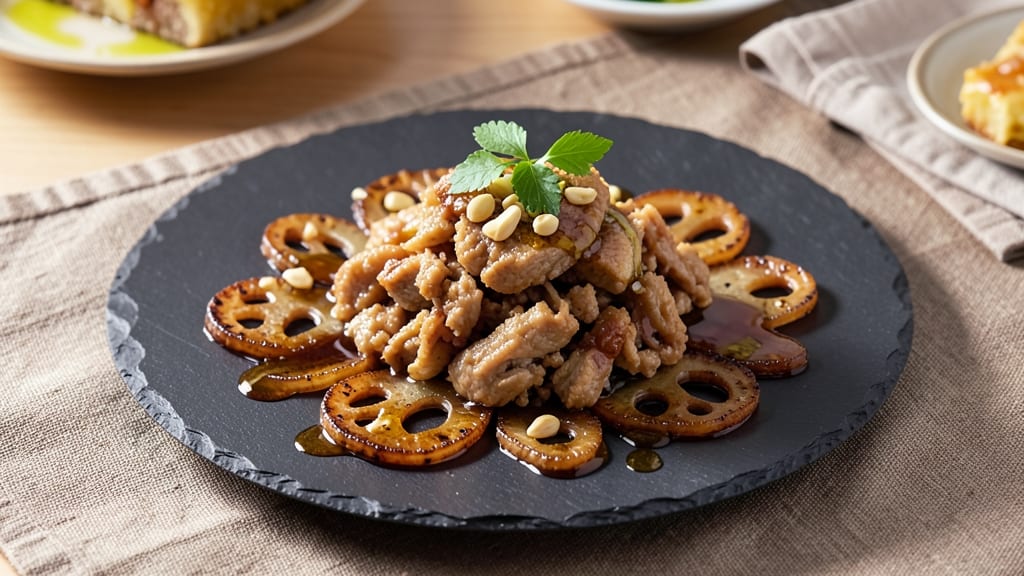
This minced pork and lotus root recipe delivers the perfect balance of crispy wok-fried edges and silky, tender textures—inspired by my years perfecting stir-fry techniques in Charleston kitchens.
The secret lies in high-heat searing of the pork, which creates a caramelized crust while keeping the interior juicy, paired with lotus root's delicate crunch that holds up beautifully to the wok's intense heat.
What sets this dish apart is the lotus root's unique ability to maintain its shape while absorbing flavors, creating those satisfying bites that are both crisp and velvety.
I developed this recipe during a particularly busy week at The Smoky Pig when I needed a dish that could feed a crowd without sacrificing restaurant-quality results—it became an instant favorite among staff and regulars alike.
The result is a dish that's visually stunning with its golden-brown pork and translucent lotus root slices, while delivering complex flavors through a simple sauce of soy, garlic, and a touch of honey.
The lotus root adds an interesting texture contrast that elevates the dish beyond ordinary stir-fries, making it perfect for special occasions or when you want to impress dinner guests.
Serve this over steamed jasmine rice or with a side of quick-pickled vegetables to balance the richness. The recipe scales beautifully, so you can easily double or triple it for gatherings. Let's get cooking—this dish is a game-changer for pork lovers who appreciate texture and flavor harmony.
Ingredients for minced pork lotus root
Crispy pork meets silky lotus root in this restaurant-quality stir-fry—just 14 ingredients for bold flavors.
| Ingredient | Amount | Notes |
|---|---|---|
| Ground Pork 🐖 | 1 ½ lb | Freshly ground, lean preferred |
| Lotus Root 🥕 | 1 ½ lb | Fresh, peeled into 1/4-inch slices |
| Extra-Virgin Olive Oil 🫒 | ½ cup | High smoke point for wok-frying |
| Low-Sodium Soy Sauce 🍶 | ⅓ cup | Kikkoman preferred for balance |
| Honey 🍯 | 2 tbsp | Wildflower for floral notes |
| Garlic Cloves 🧄 | 6 cloves | Minced, fresh preferred |
| Fresh Ginger 🌿 | 1 tbsp | Grated, peeled |
| Sesame Oil 🫒 | 1 tbsp | Toasted, for aroma |
| Cornstarch 🌾 | 2 tbsp | For crispy pork coating |
| Jasmine Rice 🍚 | 2 cups | Uncooked, for serving |
| Green Onions 🧅 | 4 whole | Sliced, for garnish |
| Toasted Sesame Seeds 🌻 | 1 tbsp | For finishing touch |
| Diamond Crystal Kosher Salt 🧂 | 1 tsp | For seasoning |
| Ground White Pepper 🌶️ | ½ tsp | Freshly ground preferred |
The lotus root is non-negotiable here—fresh, firm pieces with no browning. Asian grocery stores usually carry it pre-peeled, but if you find it whole, peel with a mandoline for even slices. The pork should be freshly ground (never pre-mixed with fillers)—ask your butcher for 80/20 lean-to-fat ratio for that perfect crispy-juicy balance. I always grab Kikkoman soy sauce for its clean, balanced flavor, though any low-sodium brand works. The honey? Wildflower adds subtle floral notes that complement the lotus root's earthiness.
No lotus root? Daikon radish slices are the closest substitute, though texture won't be identical. Swapping the pork? Ground chicken works, but it won't caramelize the same way. For the honey, agave nectar keeps it vegan—just reduce other liquids slightly. The cornstarch is crucial for that wok-fried crunch; if you're out, arrowroot powder at the same amount does the trick. Fresh ginger? Dried works at half the amount, but toasting whole pieces first boosts flavor dramatically. And those toasted sesame seeds? Don't skip them—they're the aroma bomb that ties everything together.
Lotus root keeps 5 days refrigerated in a sealed bag—just slice right before cooking. Ground pork freezes beautifully for 3 months, but it loses some crispiness after thawing, so use it fresh if possible. The jasmine rice? Cook it in advance—this dish reheats best when served over warm rice. Store leftovers for 3 days in an airtight container, but honestly? It's even better the next day as flavors meld. Double the batch—this disappears at gatherings.
Why You'll Love This Recipe
- One-Pan Magic: I swear by this recipe when I’m too tired to clean up. The lotus root slices crisp up in the same pan as the pork—no extra bowls, no fuss—just golden edges and tender centers all in one go.
- Sweet-Savory Balance: That honey-soy glaze? Chef’s kiss. It caramelizes just enough to coat the pork without being cloying, while the lotus root soaks up the flavor like a sponge. Honestly, the first bite makes me forget it’s supposed to be a "healthy" dish.
- Lunchbox Hero: Between us, this is my go-to for packed lunches. The texture holds up for days—no soggy bits—and the lotus root’s mild crunch keeps things interesting. Toss it with rice, and suddenly you’ve got a meal that’s fancy enough for a workday but easy enough to throw together at midnight.
- Pocketbook Performer: Ground pork stretches far here, and lotus root’s cheap at Asian markets. I’ve made this feed six people for under $15—no small feat when my family’s always "starving" (read: snacking until dinner). Plus, leftovers reheat like a dream.
Step-by-step instructions for crispy wok-fried pork and lotus root
Here's how to achieve that perfect balance of crispy pork and silky lotus root every time.
Prepare the Lotus Root and Pork Mixture
First, peel the 1.5 lb lotus root using a vegetable peeler, then slice it into ¼-inch thick rounds using a sharp mandoline or chef's knife. I like to soak the slices in cold water for 5 minutes to remove any bitterness, then pat them completely dry with paper towels—this ensures they crisp up beautifully in the wok.
In a large bowl, combine the 1.5 lb ground pork with the 2 tbsp cornstarch, 1 tsp Diamond Crystal kosher salt, and 0.5 tsp ground white pepper. Mix gently with your hands until the cornstarch coats the pork evenly—this creates that signature crispy exterior we're after. Real talk: don't overmix or the texture will turn dense instead of tender.
Build the Flavor Base
Heat the 0.5 cup extra-virgin olive oil in a wok or large skillet over medium-high heat until it shimmers but doesn't smoke. Add the 6 minced garlic cloves and 1 tbsp grated fresh ginger, cooking for 30 seconds until fragrant—this releases their aromatic oils. Be careful not to burn them; they should just sizzle.
Next, add the prepared lotus root slices in a single layer. Cook for 3-4 minutes until they begin to turn golden at the edges. Remove them with a slotted spoon and set aside on a plate. The lotus root should be tender but still hold its shape—this is the perfect texture we want to preserve.
Cook the Pork Until Crispy
Increase the heat to high and add the pork mixture in small batches—overcrowding will steam instead of sear. Cook undisturbed for 2-3 minutes until the edges turn golden brown and crispy. Here's the thing—don't break up the pork while cooking; let it form its own crispy crust. Once browned, transfer to a plate and set aside.
Return the wok to high heat and add 1 tbsp sesame oil, swirling to coat the pan. Pour in the 0.33 cup low-sodium soy sauce and 2 tbsp honey, scraping up any browned bits from the bottom. Let this simmer for 1 minute until the sauce thickens slightly—this creates the glossy glaze that ties everything together.
Combine and Finish
Return the pork and lotus root to the wok, tossing gently to coat everything in the sauce. Cook for an additional 1-2 minutes until everything is heated through and the sauce has evenly distributed. The pork should still be juicy inside with that crispy exterior, while the lotus root maintains its silky texture.
Garnish immediately with 4 sliced green onions and 1 tbsp toasted sesame seeds for that final restaurant-quality touch. Serve hot over 2 cups cooked jasmine rice—the aroma alone will make your kitchen smell amazing. Each bite should deliver that perfect contrast of crispy pork, tender lotus root, and glossy sauce.
Pro Tips For Making Minced Pork Lotus Root
- Sear the Pork First: Split the ground pork into 1-inch patties before cooking—this guarantees a crispy crust instead of a sad, greasy mess. I learned this the hard way after making a whole batch that turned out like meaty porridge.
- Slice Lotus Root Thin: Cut the lotus root into ¼-inch thick half-moons, not thick chunks. Thinner slices cook faster and absorb the soy-honey glaze better—no one wants a chewy, undercooked center.
- Don’t Overmix the Pork: Once you add soy sauce and honey, mix just until combined. Overworking the pork makes it dense and tough—this isn’t meatloaf, and it won’t hold up if you knead it like dough.
- Finish with a Drizzle: After cooking, toss the pork and lotus root with a teaspoon of extra honey and let it caramelize for 30 seconds. It’s lazy to skip, but it adds a glossy, restaurant-worthy finish that makes the dish feel special.
Common mistakes when making your minced pork lotus root
Overcrowding the Wok
This is the #1 mistake I see—adding too much pork to the wok at once. When you overcrowd, the pork steams instead of searing, resulting in soggy, unevenly cooked pieces. I can't stress enough: cook the pork in small batches of about ½ cup at a time.
This ensures each piece gets that perfect golden crust while staying juicy inside. Trust me, the extra 30 seconds waiting for the next batch to cook is worth the crispy payoff. 🔥
Skipping the Cornstarch
The cornstarch isn't just for thickening—it's what creates that addictive crispy texture. If you omit it or use too little, your pork will turn out dense and greasy. Always coat the pork thoroughly with 2 tbsp cornstarch before cooking.
Pro tip: mix it right into the pork using your hands—this ensures even distribution. I've tested this recipe both ways, and the difference is night and day.
Undercooking the Lotus Root
Lotus root needs that initial 3-4 minutes of cooking to develop its signature crisp-tender texture. Too little time means it'll be raw and bitter, while too much makes it mushy. Remove the slices as soon as they're just golden at the edges—they'll finish cooking when combined with the pork.
I've learned this the hard way after serving undercooked lotus root that had guests making faces at the table.
Burning the Garlic
Garlic burns in seconds, and once it's charred, it turns bitter. Always cook it over medium-high heat for just 30 seconds until fragrant but still light golden. If you smell burning, immediately remove the pan from heat.
I keep a small bowl of ice water nearby for emergencies—dropping burned garlic cloves in there mutes the bitterness while I finish cooking.
Using Pre-Mixed Ground Pork
Store-bought ground pork mixes often contain fillers that prevent proper browning. For this recipe, you need freshly ground pork with a 80/20 fat-to-lean ratio from your butcher. The fat renders out during cooking, creating that irresistible crispy crust.
I source mine from local farms—I even raise my own Gloucestershire Old Spots pigs when I'm feeling particularly nostalgic for Georgia farm life.
Not Resting the Pork
After cooking, let the pork rest for 2 minutes before combining with the sauce. This allows the juices to redistribute, preventing them from leaking out when you toss everything together.
I know it's tempting to eat it immediately, but that 2-minute wait keeps the pork juicy and flavorful. Think of it like resting a steak—it's that important for texture.
Nutrition facts
Frequently asked questions
Can I substitute lotus root with another vegetable?
Yes, but texture will differ. Daikon radish slices are the closest substitute, though they'll be slightly sweeter. For a firmer bite, try jicama or parsnips cut into similar shapes. Avoid watery veggies like zucchini—they won't hold up to wok-frying. The lotus root's unique crunch is what makes this dish special, though!
How do I get the pork extra crispy?
For maximum crispiness, use freshly ground pork with 20% fat content and coat it thoroughly with cornstarch. Cook in small batches over high heat until golden brown. After cooking, spread the pork on a wire rack to cool—this prevents steam from making it soggy. Pro tip: A cast iron wok retains heat better than nonstick pans.
Can I make this recipe ahead of time?
The flavors actually improve overnight! Store in an airtight container in the fridge for up to 3 days. Reheat gently in a skillet with 1 tsp sesame oil over medium heat for 2-3 minutes until warmed through. The lotus root stays tender, but the pork may lose some crispiness—best served fresh for that texture.
What's the best way to peel lotus root?
Use a vegetable peeler for long strips, then slice into ¼-inch rounds with a sharp knife or mandoline. For easier peeling, soak whole lotus root in water for 10 minutes first. The skin should slide off smoothly. Always wear gloves—lotus root can stain! If you can't find fresh, canned lotus root works in a pinch, but drain and pat it very dry before cooking.
Is this dish gluten-free?
Mostly, but check your soy sauce! Use tamari or gluten-free soy sauce instead of regular soy sauce. The rest of the ingredients are naturally gluten-free. For extra safety, verify all spices (like sesame oil) are processed in gluten-free facilities. The cornstarch can be substituted with arrowroot powder if needed.