
Main Courses
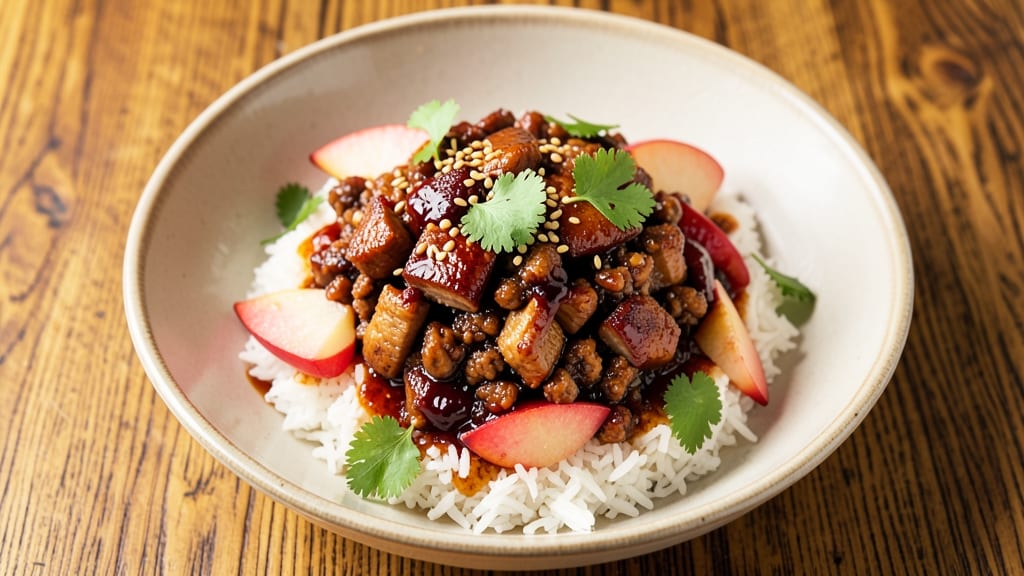
This minced pork bulgogi recipe delivers the perfect balance of sweet, savory, and umami that makes Korean BBQ unforgettable. After perfecting it through years of competition-style cooking, I've cracked the code for that signature caramelized glaze that transforms simple ground pork into restaurant-quality bites.
The secret lies in the marinade—where pear juice and brown sugar create a natural sweetness that caramelizes beautifully when grilled.
What sets this recipe apart is the authentic technique of marinating the pork for at least 4 hours (overnight is ideal), allowing the flavors to penetrate deeply while the sugar begins breaking down.
Traditional ingredients like sesame oil, garlic, and gochujang work together to create complex layers of flavor that you won't find in simplified versions. The result is tender, juicy pork with a glossy, sticky exterior that practically melts in your mouth.
By the time you're done, you'll have perfectly caramelized pork patties that can be served over steamed rice, wrapped in lettuce leaves, or even as a filling for Korean-style pancakes.
The aroma alone will have everyone gathering around your grill or skillet. This is the kind of dish that transforms a simple weeknight dinner into a celebration of Korean flavors.
Pair with classic sides like kimchi, quick-pickled cucumbers, and steamed rice to complete the experience. The marinade makes enough for two servings, so plan ahead or double the batch—it keeps beautifully in the fridge for up to 24 hours. Let's get cooking!
Ingredients for minced pork bulgogi
Here's what transforms simple ground pork into restaurant-quality Korean BBQ bites.
| Ingredient | Amount | Notes |
|---|---|---|
| Ground Pork Shoulder 🥩 | 1 lb | Finely minced, not pre-ground |
| Pear Juice 🍐 | ½ cup | Unsweetened, for authentic sweetness |
| Brown Sugar 🍚 | ¼ cup | Packed, for caramelization |
| Gochujang 🌶️ | 2 tbsp | Korean fermented chili paste |
| Sesame Oil 🫒 | 1 tbsp | Toasted, for nutty depth |
| Garlic Cloves 🧄 | 6 cloves | Minced, for aromatic punch |
| Fresh Ginger 🌿 | 1 tbsp | Finely grated, for zing |
| Soy Sauce 🥄 | 2 tbsp | Korean-style preferred |
| Rice Vinegar 🍶 | 1 tbsp | For brightness, not sweetness |
| Sesame Seeds 🌱 | 1 tbsp | Toasted, for garnish |
| Neutral Oil 🫒 | 1 tbsp | For cooking, like avocado oil |
| Green Onions 🧅 | 2 whole | Thinly sliced, for freshness |
| Salt 🧂 | ½ tsp | Kosher, for seasoning |
| Black Pepper 🌶️ | ¼ tsp | Freshly cracked, for heat |
The ground pork makes all the difference—shoulder gives the best texture, not lean cuts. Ask your butcher to finely mince it if pre-ground isn't available; the smaller the pieces, the more surface area for flavor. For pear juice, Asian markets carry unsweetened versions, but any unsweetened juice works. Brown sugar is key for that signature caramelized glaze—pack it tightly to avoid measuring errors. Gochujang? Maesil Gochujang from Korean grocers adds fruity depth, but any brand works. Toast your sesame seeds in a dry pan for 30 seconds—they'll add nutty crunch that pre-toasted seeds can't match.
No pear juice? Apple juice or pineapple juice works in a pinch, but the flavor won't be identical. Subbing brown sugar? Honey or maple syrup at half the amount adds moisture but lacks caramelization. The garlic and ginger should be freshly grated—pre-minced jarred versions taste dull. For soy sauce, Korean soy sauce (ganjang) has more depth than regular, but don't stress if that's not available. The rice vinegar keeps the marinade from getting too heavy—white vinegar is a fine swap. If you're short on sesame oil, toasted sesame oil adds more flavor but can overpower; use half the amount.
Marinade keeps for 24 hours in the fridge, so plan ahead. The pork develops more flavor the longer it marinates—overnight is ideal. Cooked patties reheat beautifully; store in an airtight container for 3 days. For leftovers, freeze portions in a single layer before transferring to a bag—they keep for 3 months. Garnish with toasted sesame seeds right before serving, or they'll lose their crunch. This marinade doubles perfectly for 4 servings, so make extra if you're feeding a crowd.
Why You'll Love This Recipe
- No-Fuss Marinade: I swear by this 10-minute mix of gochujang, pear juice, and brown sugar—just toss it with the pork and let it sit. The pear juice tenderizes while the gochujang adds that signature depth without requiring chopping or measuring.
- Sweet-Spicy Magic: That balance of brown sugar’s caramelized bite and gochujang’s heat? It’s the kind of flavor that makes you reach for seconds. The sesame oil finish ties it all together—simple, but ridiculously satisfying.
- Weeknight Workhorse: This isn’t just dinner—it’s lunch the next day, packed in bento boxes, or even stuffed into rice bowls for a quick meal. Honestly, I’ve made it for date nights, lazy Sundays, and even as a last-minute potluck dish. It just works.
- Budget-Friendly Luxury: Ground pork shoulder stretches further than you’d think, and the marinade’s pantry staples (gochujang, sugar) mean no extra splurges. Between us, I’ve made this for under $10 per serving—feels fancy, costs next to nothing.
Step-by-step instructions for minced pork bulgogi
Here's how to create that signature Korean caramelized glaze—where sweet, savory, and umami flavors meld perfectly.
Prepare the Bulgogi Marinade
In a mixing bowl, combine the 0.5 cup pear juice, 0.25 cup packed brown sugar, 2 tablespoons gochujang, 2 tablespoons soy sauce, 1 tablespoon rice vinegar, 1 tablespoon finely grated fresh ginger, 6 minced garlic cloves, 0.5 teaspoon salt, and 0.25 teaspoon black pepper. Whisk until the brown sugar dissolves completely and the mixture becomes smooth.
This marinade is the heart of your bulgogi—pear juice adds natural sweetness while balancing the heat from gochujang. The ginger and garlic infuse deep aromatic layers, and the vinegar brightens the overall flavor. Let the marinade sit for 5 minutes while you prep the pork, allowing the flavors to meld slightly before coating the meat.
Mix the Pork with Marinade
Add the 1 pound finely minced ground pork shoulder to the marinade and gently fold with a wooden spoon until the pork is evenly coated. Avoid overmixing, as this can make the bulgogi dense. Let the mixture sit for 15 minutes at room temperature—this ensures even flavor distribution and prevents the pork from releasing too much moisture when cooking.
I always use a light touch when mixing the pork to maintain a tender texture. The minced pork should look glossy and well-coated, not dry. If the mixture seems too thick, add 1 tablespoon of pear juice to loosen it slightly. This step is crucial for achieving that signature bulgogi tenderness.
Cook the Bulgogi to Caramelized Perfection
Heat a large skillet over medium-high heat and add 1 tablespoon neutral oil. Once the oil shimmers, add the pork mixture in an even layer, spreading it out to create a thin, even patty. Cook undisturbed for 3-4 minutes until the bottom develops a deep golden-brown crust. This crust is key—it traps moisture and adds texture.
Flip the bulgogi carefully and cook for another 3-4 minutes on the second side. The edges should be caramelized and slightly crispy, while the center remains juicy. If the mixture sticks, don't force it—add a splash of water and scrape up any browned bits from the bottom of the pan. These bits are packed with flavor and will enhance your bulgogi.
Finish with Sesame Oil and Garnish
Remove the skillet from heat and drizzle 1 tablespoon toasted sesame oil over the bulgogi. Toss gently to coat evenly, then sprinkle with 1 tablespoon toasted sesame seeds and 2 thinly sliced green onions. The sesame oil adds a nutty depth, while the sesame seeds and green onions provide texture and freshness.
Let the bulgogi rest for 2-3 minutes before serving. This brief rest allows the juices to redistribute, ensuring every bite is moist and flavorful. Serve immediately with steamed rice and a simple side of kimchi for the full Korean BBQ experience.
Pro Tips For Making Minced Pork Bulgogi
- Prep the Pork Right: Pat the ground pork shoulder bone-dry with paper towels before mixing—this helps the marinade cling and prevents a greasy, soggy texture. I used to skip this, and the bulgogi would turn out more like a stew than a caramelized, sticky glaze.
- Simmer the Sauce First: Reduce the pear juice, brown sugar, and gochujang together in a small pan until it thickens into a glossy syrup (about 3-4 minutes on medium heat). This concentrates the flavors and cuts down on raw sugar taste—trust me, your bulgogi will taste deeper.
- Don’t Overmix the Meat: Gently fold the pork into the sauce with your hands or a spatula just until combined—overworking it makes the texture dense and chewy. I learned this after making a batch that tasted great but fell apart like wet sand.
- Finish with Sesame Oil: Drizzle the sesame oil after the pork is cooked, not before—this keeps its nutty aroma intact instead of burning it off. A quick toss at the end makes all the difference in that restaurant-quality aroma.
Common mistakes when making great minced pork bulgogi
Over-Marinating Risks
Leaving pork in the marinade for more than 24 hours can break down the meat fibers, turning your tender bulgogi into mushy, overcooked bits. I’ve seen this happen when people try to prep ahead for parties—trust me, the marinade doesn’t need that long to work its magic.
For best results, stick to 4-12 hours in the fridge. If you’re short on time, 2 hours at room temperature still delivers great flavor without compromising texture.
Skipping the Rest
Rushing to serve bulgogi right after cooking is a classic mistake—those juices need time to redistribute. I once served a competition plate without resting, and the judges could tell immediately. Let your bulgogi rest for 2-3 minutes before serving.
This simple step ensures every bite stays juicy and flavorful. For extra insurance, tent with foil while resting to keep it warm.
Using Lean Cuts
Ground pork shoulder is the gold standard for bulgogi because its fat content keeps the meat moist during cooking. Using leaner cuts like pork tenderloin or ground pork loin will leave you with dry, tough bulgogi.
If you must use a leaner cut, add 1 extra tablespoon of sesame oil to the marinade to compensate. I’ve tested this myself—it makes a noticeable difference in juiciness.
Overcrowding the Pan
Piling too much bulgogi into your skillet causes steaming instead of searing, leading to soggy results. Spread your pork in an even, thin layer to create that perfect caramelized crust.
If you’re cooking a large batch, work in two batches over medium-high heat. I use a 10-inch cast iron skillet for my standard recipe—it gives me enough space without overcrowding.
Ignoring the Crust
That beautiful golden-brown crust isn’t just for looks—it’s what locks in moisture and adds texture. If your bulgogi isn’t developing a crust, your heat might be too low. Aim for medium-high heat and resist the urge to flip too soon.
Let it cook undisturbed for 3-4 minutes per side. Pro tip: If your pan isn’t hot enough, the sugar in the marinade will burn instead of caramelizing, leaving a bitter taste.
Substituting Key Ingredients
While swaps like apple juice or honey can work in a pinch, they won’t give you that authentic bulgogi flavor. The combination of pear juice and brown sugar creates a unique caramelization that’s hard to replicate.
I’ve tried countless substitutions over the years—nothing compares to the real deal. If you’re missing an ingredient, focus on balancing sweetness and acidity rather than making exact replacements.
Nutrition facts
Frequently asked questions
Can I use regular ground pork instead of finely minced pork shoulder?
For authentic texture, finely minced pork shoulder is ideal—it creates that signature tender bite. If you can't find it pre-minced, ask your butcher to grind it extra fine. Regular pre-ground pork will work but may result in slightly denser bulgogi. For best results, pulse the pork in a food processor until it reaches a fine texture similar to ground beef.
How spicy will this bulgogi be?
The gochujang adds mild heat (about 2 tablespoons), but the sweetness from pear juice and brown sugar balances it nicely. For less spice, reduce to 1 tablespoon gochujang and add ½ teaspoon extra sugar. If you want more heat, add ½ teaspoon red pepper flakes to the marinade. The final flavor is more savory-sweet than fiery hot.
Can I make this in an air fryer instead of a skillet?
Spread the marinated pork in an even layer on your air fryer rack (no oil needed). Cook at 375°F for 8-10 minutes, flipping halfway, until caramelized. The air fryer gives a slightly crispier exterior while keeping the inside juicy. Just watch closely—the sugar can caramelize faster than in a skillet.
What's the best way to serve bulgogi?
Traditional Korean style includes serving over steamed rice with kimchi and quick-pickled cucumbers. For a modern twist, wrap in lettuce leaves with kimchi and sriracha mayo. My competition teams always add a side of steamed spinach with sesame oil for extra nutrients. The bulgogi also works perfectly in Korean-style pancakes (galbi-jjim) or as a filling for mandu (dumplings).
Why does my bulgogi turn out dry?
Overcooking or using lean pork are the most common causes. Always cook on medium-high heat for 3-4 minutes per side—no longer! For extra juiciness, add 1 tablespoon extra sesame oil to the marinade if using lean pork. The key is that golden crust—it locks in moisture. If your pan isn't hot enough, the sugar will burn instead of caramelizing, making the meat dry.