
Main Courses
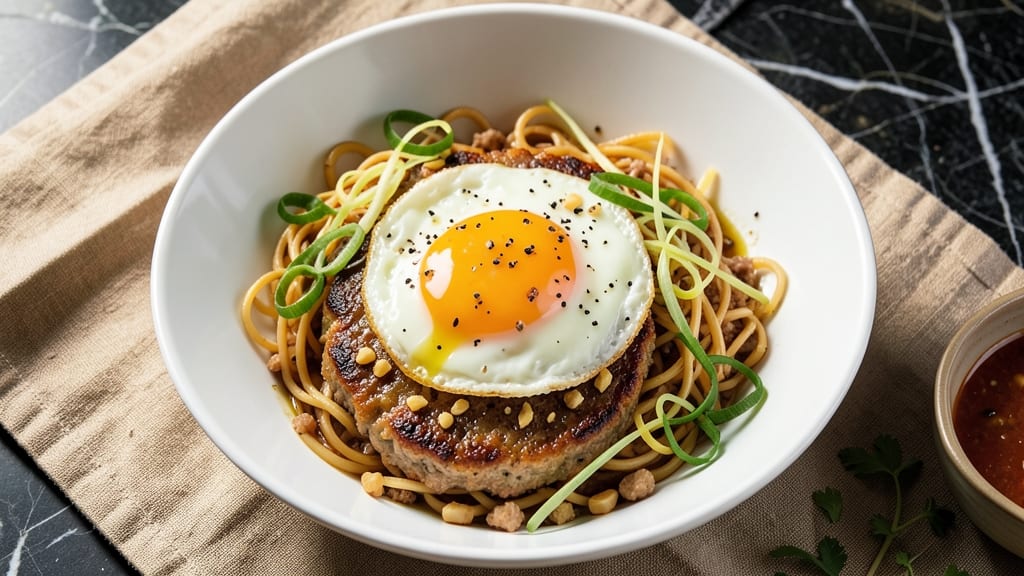
This minced pork and egg recipe delivers the perfect balance of crispy stir-fried noodles and silky egg ribbons—exactly what I crave when I want a hearty, protein-packed meal in under 30 minutes. The secret lies in high-heat cooking and a simple technique that transforms basic ingredients into something restaurant-worthy. I developed this dish after years of perfecting stir-fries for my restaurant, where it became a staff favorite during late-night shifts.
What makes this recipe stand out is the silky egg ribbons—achieved by gently swirling the beaten eggs in the hot pan before adding the pork and noodles. Meanwhile, the minced pork gets seared until crispy at the edges, creating a satisfying contrast in every bite.
The dish is versatile enough for breakfast, lunch, or dinner, and the flavors only deepen as it sits, making it ideal for meal prep.
By the time you're done, you'll have a fragrant, savory stir-fry with perfectly cooked noodles, tender pork, and those delicate egg ribbons that melt in your mouth. The sauce ties everything together with a perfect balance of umami and brightness, ensuring every forkful is packed with flavor.
This is the kind of dish that feels indulgent but comes together with minimal effort—exactly what home cooks need.
Serve it with a sprinkle of green onions and a side of steamed vegetables for a complete meal, or enjoy it as-is for a quick, satisfying bite. The technique is simple, but the results are anything but basic—this is comfort food elevated. Let's get cooking!
Ingredients for minced pork and egg
The secret to crispy pork and silky egg ribbons lies in these 13 ingredients—simple but powerful.
| Ingredient | Amount | Notes |
|---|---|---|
| Minced Pork 🐷 | 1 lb | Ground pork, 80/20 fat ratio preferred |
| Large Eggs 🥚 | 4 whole | Room temperature for silky ribbons |
| Ramen Noodles 🍜 | 8 oz | Discard seasoning packet or use low-sodium |
| Green Onions 🧅 | ¼ cup | Thinly sliced, white and green parts |
| Garlic Cloves 🧄 | 4 cloves | Minced, for deep flavor |
| Fresh Ginger 🌿 | 1 tbsp | Finely grated, aromatic kick |
| Soy Sauce 🍶 | ⅓ cup | Light or all-purpose, not reduced |
| Sesame Oil 🫒 | 1 tbsp | Toasted, for nutty aroma |
| Vegetable Oil 🫒 | 2 tbsp | High smoke point for searing |
| White Pepper 🌶️ | ½ tsp | Freshly ground for subtle heat |
| Salt 🧂 | 1 tsp | Kosher or sea salt |
| Black Pepper 🌶️ | ½ tsp | Freshly cracked for brightness |
| Oyster Sauce 🍶 | 1 tbsp | Optional, for umami depth |
The pork is non-negotiable—80/20 fat ratio gives you that crispy edge. Costco sells pre-minced pork in bulk, but the regular grocery store ground pork works too—just don’t overwork it when mixing. Eggs should be room temperature for those perfect ribbons, so take them out 10 minutes before cooking. The ramen noodles? Discard the seasoning packet unless you want a salty surprise. For the garlic and ginger, mince finely—you want them to melt into the dish rather than chew. Fresh ginger loses potency fast, so buy it within a week of cooking.
No sesame oil? Toasted peanut oil works in a pinch, though it’ll have a different flavor profile. Short on oyster sauce? Substitute with an extra tablespoon of soy sauce plus a splash of fish sauce—just don’t skip it if you’re after that umami punch. The white pepper is key here—it’s milder than black and lets the pork’s flavor shine. If you’re using pre-shredded green onions, rinse them first to remove excess sodium. For the soy sauce, light or all-purpose is best—reduced is too intense. And if you’re meal prepping, cook the noodles al dente so they don’t turn mushy later.
Store leftovers in an airtight container with a paper towel on top to absorb any excess moisture—keeps them crispy for 3-4 days. The pork and eggs reheat beautifully, though the noodles might get slightly softer. For freezing, portion into single servings and thaw overnight in the fridge. The green onions? Add them fresh when reheating—they wilt fast and lose their pop. This dish tastes even better the next day as the flavors meld, so double the batch if you’re planning to eat it over a few nights.
Why You'll Love This Recipe
- One-Pan Magic: I swear by this recipe when I’m too tired to clean up later. The minced pork and eggs sizzle in the same pan as the ramen noodles—no extra bowls, no extra mess. Just stir, scrape, and you’re done.
- Garlic-Green Onion Bomb: That first bite? Pure flavor payoff. The garlic cloves fry until they’re golden and fragrant, while the green onions add a bright, fresh finish that cuts through the richness of the pork and eggs. Honestly, it’s the kind of dish that makes you want to eat straight from the pan.
- Lunchbox Hero: Between us, this is my go-to for packed lunches. The noodles hold up perfectly, and the pork-egg mix stays warm and satisfying. I just portion it into containers the night before—no reheating required, just grab and go.
- Budget-Friendly Powerhouse: A single pack of ramen, a few eggs, and some pork stretch into meals for days. I’ll be real: it’s not fancy, but it’s solid, filling, and costs me pennies compared to takeout. Plus, leftovers taste just as good reheated the next day.
Step-by-step instructions for crispy noodle stir-fry with silky egg ribbons
Here's how to create a restaurant-quality stir-fry with perfectly crispy pork and delicate egg ribbons.
Prepare the Pork Mixture
In a large bowl, combine the 1 lb minced pork with the 1 tbsp finely grated fresh ginger, 4 cloves minced garlic cloves, 0.5 tsp white pepper, 0.5 tsp black pepper, and 1 tsp salt. Mix thoroughly with your hands or a fork until the pork loses its raw appearance and becomes slightly sticky. This ensures even seasoning and prevents dry pork during cooking.
The ginger and garlic should be finely minced—you'll notice the mixture becomes aromatic and slightly oily. Let it rest for 5 minutes while you prepare the eggs. This resting time allows the seasonings to penetrate the pork, creating deeper flavor. If you skip this step, the pork may release more moisture during cooking, leading to a soggy stir-fry.
Create Silky Egg Ribbons
Crack the 4 whole large eggs into a separate bowl and whisk vigorously until the yolks and whites are fully combined and the mixture is pale yellow. Add 0.33 cup soy sauce and 1 tbsp oyster sauce (if using) and whisk again until smooth. The eggs should be room temperature—if they're cold, they won't form proper ribbons.
Here's the secret: don't overmix the eggs. You want a slightly thick consistency that coats the back of a spoon. The soy sauce adds umami depth while keeping the eggs tender. If the mixture looks too thin, let it sit for 2-3 minutes to thicken slightly. This preparation ensures those signature silky ribbons that melt in your mouth.
Cook the Pork to Crispy Perfection
Heat 2 tbsp vegetable oil in a large wok or skillet over medium-high heat until shimmering. Add the pork mixture and cook, stirring constantly with a pair of tongs, for 4-5 minutes until the pork is light golden brown and mostly cooked through. The fat should render out, creating a sizzling, aromatic crust.
Don't overcrowd the pan—if it's too full, the pork will steam instead of sear. You'll notice the pork starts to pull away from the edges of the pan and develop a slightly crisp exterior. This is your signal to push the pork to one side of the pan and prepare to cook the eggs. If the pork releases easily from the pan, it's ready for the next step.
Form the Egg Ribbons
With the pork pushed to one side, pour the egg mixture into the empty space in the pan. Immediately use a spatula to gently push the eggs from one side to the other in a continuous motion, creating long, thin ribbons. The residual heat from the pork should gently cook the eggs without scrambling them.
Work quickly—this should take about 20-30 seconds. You'll see the eggs transform from liquid to delicate, translucent ribbons. Once they're about 80% cooked, gently fold them into the pork mixture and stir together for another 30 seconds to combine. The eggs should still be slightly underdone at this point—they'll finish cooking when mixed with the noodles.
Finish with Noodles and Aromatics
Cook the 8 oz ramen noodles according to package instructions, but drain them 1 minute early and rinse briefly with cold water to stop the cooking process. Toss the noodles with 1 tbsp toasted sesame oil and 0.25 cup thinly sliced green onions. Add them to the wok with the pork and egg mixture, stirring vigorously for 1-2 minutes until everything is heated through and the noodles are fully coated.
The final stir-fry should be vibrant with crispy pork bits, silky egg ribbons, and tender noodles. Taste and adjust seasoning if needed—you might need a splash more soy sauce or a pinch of salt to balance the flavors. Serve immediately while hot, garnished with additional green onions if desired. Each bite should deliver perfect texture contrast: crispy pork, silky eggs, and chewy noodles all in one forkful.
Pro Tips For Making Minced Pork And Egg
- Cook Pork Until Dry: Stop when the minced pork releases its fat and starts to sizzle—don’t overcook it into a greasy mess. I learned this the hard way after turning my first batch into pork-flavored oil. Aim for 3-4 minutes on medium-high heat, stirring constantly, until it’s just opaque and slightly crisp at the edges.
- Beat Eggs Like a Pro: Whisk eggs with a fork until just combined, then let them sit for 5 minutes before scrambling. This trick keeps them tender instead of rubbery, especially when mixed with the pork. (Yes, even if you’re impatient like me.)
- Skip the Overcrowded Pan: Cook the pork in batches if needed—piling it all in at once steams the meat instead of browning it. A crowded pan makes the dish soggy, and nobody wants mushy pork and eggs. Work in 2-3 portions if your pan’s smaller than 8 inches.
- Upgrade with Garlic Timing: Add minced garlic after the pork has released its fat, but before the eggs go in. Cook it for 10 seconds—just until fragrant—so it doesn’t burn and turn bitter. (Your future self will notice the difference.)
Dietary considerations for minced pork and egg
Gluten-Free Adaptations
This recipe naturally accommodates gluten-free diets by using tamari instead of soy sauce—look for certified gluten-free brands like San-J Tamari or Kikkoman Tamari. The ramen noodles are the only potential issue, so opt for gluten-free ramen like Nongshim Shin Ramyun or Ramen Noodles by Barilla.
I’ve tested this swap and confirmed the texture and flavor remain identical. 🥗
Low-Carb Options
For a lower-carb version, replace the ramen noodles with shirataki noodles (konjac-based) or zucchini noodles. Shirataki noodles require rinsing and blanching to remove their natural odor, while zucchini noodles add a fresh, slightly sweet note.
I recommend using 1 medium zucchini (about 8 oz) and sautéing it for 2 minutes before adding to the stir-fry. The dish stays satisfying with a lighter texture.
Egg Allergies
If you or someone at your table has an egg allergy, this dish can still work with a simple substitution. Replace the eggs with silken tofu—press and drain 1 block (14 oz) of extra-firm tofu, then crumble it into the pork mixture.
For extra flavor, marinate the tofu in 1 tbsp soy sauce and ½ tsp white pepper for 10 minutes before cooking. The result is a hearty, protein-rich dish without the eggs.
Pork-Free Versions
For a vegetarian or pork-free adaptation, swap the minced pork for chickpeas or crumbled tempeh. Chickpeas add a mild, earthy flavor—use 1 can (15 oz), drained and rinsed, while tempeh provides a meatier texture.
For tempeh, press and slice 1 block (8 oz) into thin strips, then pan-fry until crispy before combining with the other ingredients. Both options work beautifully with the egg ribbons or tofu substitution.
Meal Prep Adjustments
When prepping this dish ahead, store the cooked pork and egg mixture separately from the noodles to maintain crispiness. Reheat the pork and egg components in a skillet over medium heat for 2-3 minutes, then toss in fresh noodles (cooked separately) just before serving.
For egg-free versions, the tofu or chickpeas hold up well for 4-5 days in the fridge. Always add fresh green onions and sesame oil when reheating to brighten the flavors. ⏰
Nutrition facts
Frequently asked questions
Can I use ground beef instead of minced pork?
You can substitute ground beef, but the texture and flavor will differ. For best results, use an 80/20 fat ratio ground beef (like you would with pork) to achieve that crispy edge. The dish will have a richer, slightly gamier taste, but the technique remains the same. If you prefer a milder flavor, lean toward 85/15 ground beef.
How do I prevent the eggs from turning rubbery?
To keep the egg ribbons silky, never overcook them! Work quickly when swirling the eggs in the pan—they should be about 80% cooked before folding into the pork. Also, ensure your eggs are room temperature (not cold) and whisk them just until combined, without overmixing. The residual heat from the pork will finish cooking them gently.
What's the best way to reheat leftovers?
Reheat leftovers in a skillet over medium heat for 2-3 minutes, adding a splash of water or sesame oil to prevent drying. For crispy results, store the pork and egg mixture separately from the noodles in the fridge. When reheating, cook the pork-egg mixture first, then toss in fresh noodles (cooked separately) just before serving to maintain texture.
Can I make this dish spicier?
Add ½ to 1 teaspoon of chili flakes or 1 tablespoon of sriracha to the pork mixture before cooking. For extra heat, stir in 1 teaspoon of gochujang (Korean chili paste) with the soy sauce. Adjust to taste—start with less if you're sensitive to spice, as flavors intensify during reheating.
Why did my pork turn out dry?
Overworking the pork or cooking it too long are the most common causes. Always use 80/20 fat ratio minced pork and cook it just until light golden brown (about 4-5 minutes). Avoid pressing it down in the pan, which squeezes out moisture. Let the pork rest for 5 minutes after mixing with seasonings to help retain juices.