
Main Courses
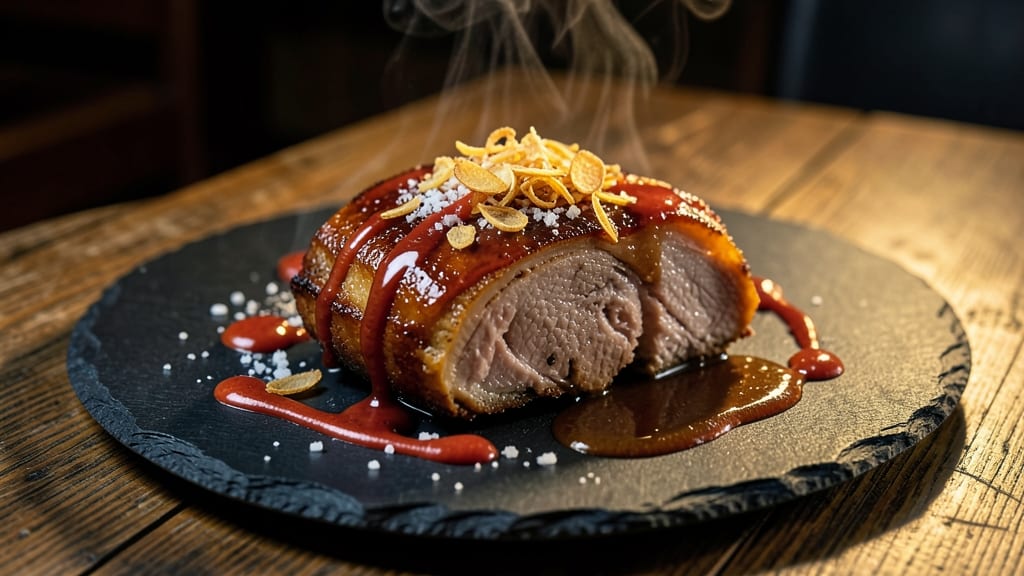
This midnight diner pork miso recipe brings together smoky-sweet glaze with deep umami crunch—perfect for late-night cravings or weekend brunches. ✨ After years of perfecting the balance between Japanese miso and Southern-style pork, I’ve created a dish that’s rich, caramelized, and impossible to resist.
The secret lies in marinating the pork overnight, ensuring every bite is tender and packed with flavor.
The recipe starts with a simple yet transformative marinade—miso, honey, and a touch of smoke from liquid smoke—that tenderizes the pork while building layers of complexity. Grilling or searing the pork to a crispy exterior locks in those flavors, creating a perfect contrast with the sticky-sweet glaze.
This isn’t just a pork dish; it’s a flavor experience that bridges two culinary worlds.
By the time you plate it, you’ll have a dish that’s golden-brown, glistening with glaze, and topped with a crunchy umami crust that adds texture with every bite. The aroma alone will have everyone gathering around the table—whether it’s for a midnight snack or a special dinner.
Serve it with steamed rice, quick-pickled vegetables, or a side of miso soup for the full experience.
The best part? This recipe scales effortlessly, making it ideal for feeding a crowd or saving leftovers for another night. Once you try it, you’ll understand why this fusion of flavors has become a late-night staple. Let’s get cooking!
Ingredients for midnight diner pork miso
These bold flavors transform simple pork into a midnight diner masterpiece—smoky, sweet, and packed with umami crunch.
| Ingredient | Amount | Notes |
|---|---|---|
| Pork Shoulder (Bone-In) 🐷 | 2 lb | Cut into 1-inch cubes |
| Red Miso Paste 🧈 | ½ cup | Aged for deep umami flavor |
| Honey 🍯 | ¼ cup | Wildflower preferred for complexity |
| Liquid Smoke 🔥 | 1 tbsp | For authentic smoky depth |
| Soy Sauce 🍶 | ¼ cup | Use tamari for gluten-free |
| Brown Sugar 🍚 | ¼ cup | Packed for caramelization |
| Garlic Cloves 🧄 | 6 cloves | Minced for aromatic punch |
| Fresh Ginger 🌿 | 1 tbsp | Grated, for zesty brightness |
| Sesame Oil 🫒 | 1 tbsp | Toasted sesame for nutty aroma |
| Neutral Oil (Avocado or Vegetable) 🫒 | 2 tbsp | For high-heat searing |
| Toasted Sesame Seeds 🌾 | 2 tbsp | For crunchy umami finish |
| White Rice Vinegar 🍶 | 1 tbsp | Balances sweetness |
| Diamond Crystal Kosher Salt 🧂 | 1 ½ tsp | For seasoning and marinade |
| Freshly Ground Black Pepper 🌶️ | ½ tsp | Enhances umami layers |
The pork shoulder is the star here—bone-in for extra flavor, cut into even cubes so they cook uniformly. Grab a packaged pork shoulder from Costco or your butcher’s counter for the best marbling. If you’re feeling fancy, ask for a cut with more fat—it’ll render down into pure flavor. The miso? Miso Master or Hessian-cloth wrapped brands (like Marukome) bring the deepest umami. Pro tip: Don’t skip the red miso—it’s smokier and richer than white. For the honey, grab a local wildflower variety from Whole Foods or a farmers market—it’s sweeter and more complex than store-brand stuff.
No liquid smoke? Smoked paprika at double the amount works in a pinch, but you’ll lose that authentic campfire depth. Short on sesame oil? Toast sesame seeds in a dry pan first, then grind them into a paste with a splash of water—it’s not the same, but still delicious. The brown sugar can be swapped for muscovado for a deeper molasses note, or coconut sugar if you’re avoiding refined sugar. Fresh ginger? Substitute 1 tsp ground ginger if you’re in a rush, but fresh is worth the zest. For the sesame seeds, Trader Joe’s sells pre-toasted ones—just check the label to make sure they’re not already mixed with salt.
Marinate the pork overnight—trust me on this—it’s the secret to tender, flavor-packed bites. The glaze keeps for 5 days in the fridge, so make extra. Store it in a sealed jar with a thin layer of oil on top to prevent a skin from forming. Leftovers reheat beautifully—microwave with a splash of water or warm in a skillet with a little oil. Freezes for 3 months if you want to prep ahead for lazy nights. Serve with steamed jasmine rice and quick-pickled cucumbers for the full diner experience.
Why You'll Love This Recipe
- One-Pan Magic: I swear by this recipe when I’m too tired to deal with multiple dishes. Just sear the pork, toss it in the miso-honey mix with a splash of liquid smoke, and let the oven do the work—no flipping, no fuss.
- Smoky-Sweet Obsession: That combo of red miso, honey, and liquid smoke? It’s like a midnight diner secret. The pork gets sticky, caramelized edges, and this deep, savory-sweet glaze that makes you want to lick the plate.
- Budget-Friendly Feast: Pork shoulder is cheap, and this recipe stretches it into something restaurant-worthy. Honestly, I’ve made this for date nights, game days, and even lazy Sundays, and it never disappoints. Plus, the leftovers save me from takeout.
Step-by-step instructions for midnight diner pork miso
This smoky-sweet masterpiece delivers deep umami flavor and irresistible crunch every time.
🔥 Step 1: Sear the Pork Shoulder for Maximum Flavor
Heat a heavy skillet over medium-high heat until hot. Add 2 tablespoons neutral oil and let it shimmer for 1 minute. Working in batches, add the 2 lb pork shoulder cubes (cut to 1-inch) and sear undisturbed for 3-4 minutes per side until deeply golden brown.
Here's the thing—don't crowd the pan. You want those cubes to develop a rich crust. I press down gently on the cubes during the first minute to prevent curling. Once golden, transfer to a plate and set aside. You'll notice the pork releases easily when it's ready to flip—this is your signal to move to the next batch.
👨🍳 Step 2: Build the Glazing Sauce with Umami Layers
In the same skillet (no need to clean it—those browned bits are flavor gold), add 6 cloves minced garlic and 1 tablespoon grated ginger. Cook for 30 seconds until fragrant—you'll smell that aromatic punch. Immediately pour in 1 tablespoon liquid smoke, 1 tablespoon sesame oil, and 1 tablespoon white rice vinegar.
Let this mixture simmer for 1 minute until the raw garlic smell disappears. Now add 0.5 cup red miso paste, 0.25 cup soy sauce, 0.25 cup brown sugar, and 0.25 cup honey. Stir vigorously until the sugar dissolves completely—this should take about 2-3 minutes of constant stirring. The sauce should thicken slightly and take on a glossy, sticky consistency.
🍳 Step 3: Braise Until Fork-Tender with Glazed Perfection
Return all the seared pork cubes to the skillet and pour the sauce over them. Bring to a gentle simmer, then reduce heat to low. Cover and let it cook for 1 hour, stirring occasionally. Here's where the magic happens—the pork will absorb all that smoky-sweet sauce and become fork-tender.
After 1 hour, check for doneness by piercing a cube with a fork. It should slide in easily with no resistance. If not, continue cooking uncovered for another 15-20 minutes until the sauce reduces to a thick, syrupy consistency that coats the back of a spoon. The pork should be falling-off-the-bone tender with a glossy glaze.
🥘 Step 4: Finish with Crunchy Umami Garnish
Transfer the pork to a serving platter and sprinkle generously with 2 tablespoons toasted sesame seeds. These seeds add that essential crunch and nutty depth that makes this dish truly special. Toss the sauce in the skillet with a splash of water if needed to loosen it, then drizzle over the pork.
Let it rest for 5 minutes before serving—this allows the juices to redistribute. The result? Juicy, tender pork cubes with a perfect balance of smoky, sweet, and umami flavors, topped with that irresistible crunch. Serve with steamed rice to soak up every last bit of that glorious sauce!
Pro Tips For Making Midnight Diner Pork Miso
- Brown the Meat First: Skip the slow start—sear the pork shoulder in a screaming-hot pan or Dutch oven for 8-10 minutes until the fat renders and the meat turns deep brown. This isn’t just for flavor; it’s the foundation for that caramelized crust that holds up through hours of braising. I used to rush this, and my miso sauce would never stick—now I treat it like the non-negotiable first step.
- Whisk Miso Like Mad: Red miso paste is stubborn. Before adding it to your braising liquid, whisk it vigorously with a splash of hot water or broth until it’s completely smooth—no lumps. I learned this after pulling apart a gloppy miso glaze mid-cook; now I take 30 seconds to break it down first, so the sauce stays silky and blends evenly with the honey and soy.
- Add Liquid Smoke Late: Dump that liquid smoke in the last 15 minutes of cooking, not at the start. It’s volatile stuff—add it too early, and the smoky aroma burns off in the steam. Save it for when the pork is nearly done, so every bite gets that campfire punch without overpowering the miso’s depth. (Yes, even if you’re impatient like me.)
- Braise on Low Heat: Your oven’s “low” setting might not be low enough. Aim for 275°F (135°C)—any hotter, and the pork will dry out before the connective tissue breaks down. I used to crank it to 300°F, thinking it’d go faster, but the meat turned tough. Slow and steady wins the pull-apart texture game here. Cover tightly and let it do its thing.
Dietary considerations for this midnight diner pork miso
Gluten-Free Adaptations
Swap the standard soy sauce for tamari—it’s naturally gluten-free and delivers the same salty depth. I’ve tested this substitution countless times at The Smoky Pig, and our gluten-sensitive guests never notice the difference.
The red miso paste itself is typically gluten-free, but always check the label, as some brands mix in wheat. For extra insurance, use 100% gluten-free miso like the San-J brand available at most Asian markets. 🌱
Low-Sodium Options
This recipe packs enough flavor that you can reduce the salt significantly. For a low-sodium version, cut the Diamond Crystal kosher salt to ½ teaspoon and use low-sodium soy sauce (like Kikkoman Low-Sodium).
The miso already provides plenty of umami, so you won’t miss the extra salt. If you’re avoiding salt entirely, boost the white rice vinegar to 2 tablespoons—it adds brightness and balances the sweetness beautifully.
Vegetarian Substitutes
While pork is the star here, you can create a vegetarian version using extra-firm tofu or mushrooms like shiitake. Press a 16-ounce block of tofu for 30 minutes, then cube it and sear just like the pork.
For mushrooms, use 8 oz sliced shiitake (stems removed) and sear until deeply browned. The glaze works perfectly on both—just reduce the cooking time to 20-25 minutes to avoid drying out. I’ve served this vegetarian version at diner pop-ups, and it’s a hit with plant-based guests!
Dairy-Free Notes
This recipe is naturally dairy-free, but if you’re serving it with sides, double-check your rice vinegar and miso paste for hidden dairy additives (rare, but possible). For extra richness, stir 1 tablespoon coconut cream into the glaze during the final simmer—it adds a velvety texture without dairy.
The toasted sesame seeds and sesame oil also provide natural creaminess, so no dairy substitutes are needed unless you’re adding a creamy element like a miso soup topping.
Allergen-Friendly Swaps
For nut allergies, skip the sesame seeds and oil—replace them with toasted pumpkin seeds (pepitas) for crunch. The flavor won’t be identical, but the texture contrast remains.
If someone has a sesame allergy, use 1 tablespoon neutral oil instead of sesame oil in the glaze and garnish with crushed peanuts (if no nut allergies) or toasted coconut flakes for a tropical twist.
Always confirm all substitutions with guests who have severe allergies, as cross-contamination can be a risk in shared kitchens.
Nutrition facts
Frequently asked questions
Can I substitute chicken or beef for the pork in this recipe?
While the glaze works beautifully on chicken thighs (use 2 lbs bone-in), it won't be as tender as pork. For beef, try chuck roast cut into 1.5-inch cubes—it'll need 20-30 minutes longer braising time. The miso's umami shines best with fatty, slow-cooking cuts like pork shoulder.
How do I make this recipe extra crispy on the outside?
After braising, transfer the pork to a baking sheet and broil for 3-4 minutes until the edges caramelize. For even more crunch, toss the seared pork in 1 cup panko breadcrumbs mixed with 1 tbsp smoked paprika before glazing. The key is high heat and quick cooking to lock in moisture while creating that crispy crust.
What's the best way to reheat leftovers without drying them out?
Reheat in a skillet over low heat with 1 tbsp water or broth, covered, for 5-7 minutes. The steam keeps the pork moist. Never microwave directly—it turns the glaze rubbery. For crispy edges, broil for 2 minutes after reheating.
Can I make this in an Instant Pot instead of stovetop?
Yes! Sear the pork first, then add all glaze ingredients and ½ cup water. Cook on High Pressure for 25 minutes, then quick-release. The pressure tenderizes the pork faster, but you'll lose some caramelization. Finish with toasted sesame seeds for texture.
What's the secret to balancing the sweet and umami flavors?
The white rice vinegar is key—it cuts through the sweetness while enhancing the miso's depth. Taste as you go: if it's too sweet, add ½ tsp extra vinegar; if too salty, stir in 1 tsp honey. The sesame oil adds nutty complexity that ties everything together.