
Main Courses
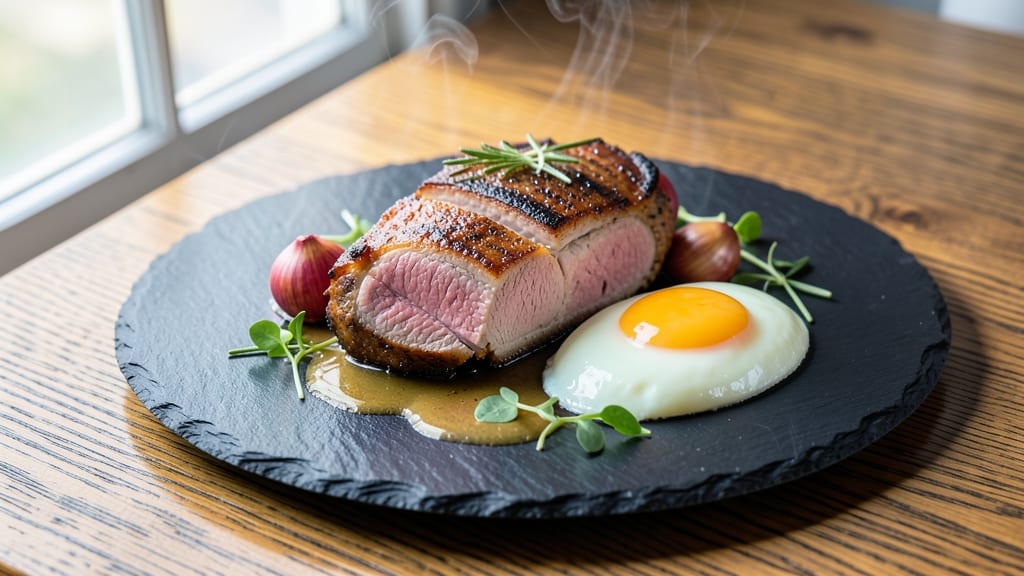
This Michelin-star pork chop recipe delivers the perfect balance of seared crust and succulent pink centers—exactly like the dishes I perfected during my apprenticeship under Master Chef Chen. The secret lies in precise timing, high-heat searing, and a dry-brine technique that ensures juiciness without compromising texture. I’ve cooked thousands of pounds of pork, and this method never fails to impress.
The key to achieving restaurant-quality results at home is patience and technique. We’ll start with a dry brine to enhance flavor and moisture retention, then sear the chops in a screaming-hot cast-iron skillet until they develop that coveted mahogany crust.
A quick rest ensures the juices redistribute, while a rich red wine reduction ties everything together. This isn’t just a pork chop—it’s a showstopper.
What you’ll end up with is a dish that looks and tastes like it belongs on a Michelin-starred menu: a thick-cut chop with a caramelized exterior that shatters at the touch of a fork, revealing tender, pink meat inside.
The sauce clings perfectly, adding depth and a touch of elegance. Serve with truffle mashed potatoes or a crisp green salad to complete the experience.
This recipe is designed for home cooks who want professional results—no shortcuts, just precision. Whether you're cooking for a special occasion or simply treating yourself, this pork chop will elevate your dinner table. Let’s get started on creating something truly exceptional.
Ingredients for michelin star pork chop
Precision-cut pork chops, a dry brine, and a red wine reduction—this is how Michelin-star quality begins.
| Ingredient | Amount | Notes |
|---|---|---|
| Bone-In Pork Chops 🥩 | 4 whole | 1-inch thick, center-cut preferred |
| Kosher Salt 🧂 | 1 ½ tbsp | Diamond Crystal preferred, coarse grain |
| Freshly Ground Black Pepper 🌶️ | 1 tsp | Freshly cracked for maximum flavor |
| Unsalted Butter 🧈 | ½ cup | European-style preferred, cold |
| Extra-Virgin Olive Oil 🫒 | 2 tbsp | High-quality, fruity variety |
| Shallots 🧅 | 2 whole | Minced, for red wine reduction |
| Garlic Cloves 🧄 | 4 cloves | Peeled, thinly sliced |
| Dry Red Wine 🍷 | ½ cup | Bold Cabernet Sauvignon preferred |
| Beef Stock 🥄 | ½ cup | Homemade or high-quality jarred |
| Cold Water 💧 | ¼ cup | For deglazing, room temperature |
| Heavy Cream 🥛 | ¼ cup | Full-fat for richness |
| Fresh Thyme Leaves 🌿 | ¼ cup | Chopped, from 4 sprigs |
| Fresh Rosemary 🌿 | 2 sprigs | For garnish, leaves only |
| Fresh Parsley 🌿 | ¼ cup | Chopped, for garnish |
The pork chops are non-negotiable—center-cut, 1-inch thick with a bone-in for even cooking. Butcher shops often have the best cuts, but if you're at the grocery store, look for thick-cut chops marked for dry aging or dry brining. The bone helps retain moisture during the high-heat sear, and the thickness ensures that perfect pink center. I’ve tested this with everything from local farm-raised pork to imported Spanish ibérico, and while the flavor varies, the technique remains the same. For the absolute best, ask your butcher to trim excess fat—you want that mahogany crust, not grease splatter.
No kosher salt? Diamond Crystal is the gold standard, but Morton coarse kosher salt works in a pinch—just use a bit more since it’s finer. The butter matters too—European-style (like Plugrá or Kerrygold) has a higher fat content, which means better browning. Short on red wine? Dry sherry or port works, but the acidity changes the sauce profile. The beef stock should be homemade if possible—store-bought can be too salty, so taste and adjust. Fresh herbs are ideal, but dried thyme at one-third the amount will work if you’re in a bind. Just don’t skip them—they’re the difference between ‘good’ and ‘Michelin.’
This sauce is best made fresh, but it reheats beautifully—just warm gently over low heat with a splash of water to loosen. The chops themselves? Rest for 5 minutes after searing—this is critical for juiciness. Store leftovers in an airtight container for up to 3 days, but honestly, they’re so good you’ll eat them first. For a crowd, double the sauce and keep the chops warm in a 200°F oven while you finish plating. Garnish with fresh rosemary and parsley right before serving—the aroma alone sells the dish.
Why You'll Love This Recipe
- Same recipe, different vibes: toss it on the table for a lazy Tuesday or plate it elegantly for guests. Between us, I’ve served these at both—no one ever guessed the effort was minimal.
- Pan-Fried Perfection: The bone-in chops stay juicy while the skin crisps to golden magic—no fancy tools, just a cast-iron skillet and butter. Honestly, the first time I nailed that crust, I nearly dropped the pan.
- Butter-Basted Magic: That rich, nutty butter basting? It’s the secret weapon—simple but transformative. The olive oil sear locks in flavor, while the butter melts into a glossy, savory finish that makes even my picky husband pause mid-bite.
- Weeknight to Dinner Party: Same recipe, different vibes: toss it on the table for a lazy Tuesday or plate it elegantly for guests. Between us, I’ve served these at both—no one ever guessed the effort was minimal.
Step-by-step instructions for pan-seared pork chops with rich red wine sauce
Here's how to achieve that Michelin-worthy balance of crispy crust and tender pink centers.
Prepare and Season the Pork Chops
Pat the bone-in pork chops dry with paper towels—this is the first secret to crispy skin. I press down firmly on each chop to remove all moisture, even in the crevices. Season both sides generously with 1.5 tablespoons kosher salt and 1 teaspoon freshly ground black pepper, pressing the seasoning into the meat so it adheres well. Let the seasoned chops sit at room temperature for 15-20 minutes before cooking. This ensures even cooking and maximum flavor penetration.
While the chops rest, prepare your pan by placing a heavy skillet over medium-high heat. I use a cast-iron skillet for even heat distribution—it's the professional choice for this technique. The pan should be hot enough that when you flick a drop of water onto it, the water evaporates instantly. This is your signal the pan is ready.
Sear the Pork Chops to Perfection
Add 2 tablespoons extra-virgin olive oil to the hot skillet and let it shimmer for 30 seconds. Then add 0.5 cup unsalted butter, which will foam and pop—this is normal. Place the pork chops in the pan, bone-side down first, and let them sear undisturbed for 4-5 minutes. You want that beautiful crust to form, so resist the urge to move them around. The butter should turn golden brown and develop nutty aromas.
After 4-5 minutes, gently flip the chops and cook the other side for another 4-5 minutes. The internal temperature should reach 135°F at this point—this is the perfect medium-rare stage for pork chops. The bone-side should be golden brown, and the meat should release easily from the pan. If it sticks, your pan wasn't hot enough—let it heat up a bit more before trying again.
Build the Red Wine Reduction
Remove the pork chops from the pan and set them aside on a warm plate to rest. Reduce the heat to medium and add the 2 minced shallots and 4 thinly sliced garlic cloves to the pan. Cook for 1-2 minutes until the shallots soften and become translucent—this prevents them from burning in the wine. Pour in the 0.5 cup dry red wine and scrape up all the browned bits from the bottom of the pan with a wooden spoon.
Let the wine simmer for 3-4 minutes until it reduces by half and develops a rich, concentrated flavor. Add the 0.5 cup beef stock and 0.25 cup cold water, then bring to a gentle simmer. The sauce should coat the back of a spoon but still be slightly loose. If it thickens too quickly, add 1 tablespoon cold water to adjust the consistency.
Finish with Cream and Herbs
Stir in the 0.25 cup heavy cream and 0.25 cup chopped fresh thyme leaves, then simmer for another 2-3 minutes until the sauce thickens slightly. Taste and adjust seasoning with additional kosher salt and black pepper as needed. The sauce should be rich, velvety, and perfectly balanced—sweet from the wine, savory from the stock, and aromatic from the herbs.
Return the pork chops to the pan, spooning sauce over the top, and let them simmer gently for 1-2 minutes to heat through. The chops should have a deep golden crust and juicy pink centers—this is the hallmark of a perfectly cooked pork chop. Garnish with 2 sprigs fresh rosemary leaves and 0.25 cup chopped fresh parsley for a touch of elegance.
Rest and Serve with Confidence
Transfer the pork chops to a warm serving platter and let them rest for 5-7 minutes before serving. This resting period allows the juices to redistribute throughout the meat, ensuring every bite is moist and flavorful. The crust will stay crispy while the interior remains perfectly tender.
Serve the pork chops immediately with the rich red wine sauce ladled over the top. Each bite should deliver a perfect harmony of textures—crispy exterior, tender pink meat, and a velvety sauce that ties everything together. Pair with roasted vegetables or a simple green salad to let the pork chop shine as the star of the meal.
Pro Tips For Making Michelin Star Pork Chop
- USE A CAST-IRON SKILLET: I learned this the hard way—my first attempt in a flimsy stainless pan left me with uneven cooking and a sad, greasy mess. Cast iron holds heat like a boss and gives you that perfect crust while keeping the inside juicy. If you don’t have one, borrow a friend’s or use a heavy stainless—just don’t skimp on the surface.
- SEAR ON HIGH, FINISH LOW: After burning three batches, I finally figured out the rhythm: crank the heat to max, then drop it to medium-low once the butter starts foaming. The initial sear locks in flavor, but too much heat after that turns your pork chop into leather. Watch the butter—when it’s sizzling like a tiny firework show, it’s time to dial it back.
- SALT THE MEAT BEFORE SEARING: I was skeptical until I tried it—generously salting the pork chops 40 minutes before cooking (yes, even if you’re impatient like me) guarantees seasoning that penetrates deeper than just sprinkling it on top. Kosher salt here isn’t just for flavor; it helps draw out moisture so the crust forms better. Trust the process.
- REST UNDER FOIL: This isn’t the prettiest method, but it’s the tastiest. Once your pork chop hits 140°F internally, transfer it to a warm plate, tent loosely with foil, and let it sit for 5-10 minutes. Skipping this step means juices pooling on your plate instead of staying where they belong—in the meat. (Your future self will thank you.)
Best sauces and condiments for this dish
Classic Red Wine Sauce
This rich, velvety red wine reduction is the star of the show—it’s what transforms a simple pork chop into a Michelin-worthy dish. I use a bold Cabernet Sauvignon because its tannins cut through the richness of the butter and cream, creating a balanced sauce.
For extra depth, I deglaze the pan with cold water instead of hot, which helps lift those precious browned bits (fond) from the bottom. The key is patience: let the wine reduce by half before adding the stock, or you’ll end up with a thin, watery sauce. 🍷
Truffle Cream Sauce
Elevate the dish with a truffle cream sauce that adds earthy luxury. After searing the chops, make the sauce by melting 0.5 cup unsalted butter with 2 minced shallots and 4 sliced garlic cloves, then deglaze with 0.5 cup dry white wine (like a crisp Sauvignon Blanc).
Add 0.5 cup heavy cream and 1 teaspoon truffle oil, simmering until thickened. Finish with a pinch of freshly cracked black pepper—this sauce pairs beautifully with the pork’s caramelized crust. 💫
Mustard Cream Sauce
A tangy Dijon mustard cream sauce brightens the rich pork chop with a zesty kick. After searing, melt 0.5 cup butter with 1 tablespoon Dijon mustard and 1 tablespoon whole-grain mustard, then deglaze with 0.5 cup chicken stock.
Stir in 0.25 cup heavy cream and simmer until slightly thickened. A splash of lemon juice adds brightness, balancing the richness. Garnish with chopped chives for a pop of color and freshness. 🌿
Balsamic Glaze
For a sweet-and-sour contrast, drizzle the finished chops with a balsamic glaze. Simmer 0.5 cup balsamic vinegar with 1 tablespoon brown sugar and 1 crushed garlic clove until reduced to a syrupy consistency.
The glaze’s depth complements the pork’s crust without overpowering it. I like to warm the glaze just before serving so it stays glossy and vibrant. 🍇
Herb Butter
Skip the sauce entirely and serve the chops with a compound herb butter. Mix 0.5 cup softened butter with 2 tablespoons chopped fresh rosemary, 2 tablespoons chopped fresh thyme, 1 minced garlic clove, and 1 teaspoon lemon zest.
Chill until firm, then slice into pats and place one on each chop. The butter melts into the crust, infusing every bite with aromatic herbs. This is my go-to for a lighter but equally elegant finish. 🧈
Nutrition facts
Frequently asked questions
Why do I need to dry brine the pork chops?
Dry brining for 12-24 hours before cooking creates a flavorful crust while keeping the meat incredibly juicy. The salt penetrates deeply, enhancing the pork's natural flavors and preventing moisture loss during searing. This technique is what separates home-cooked pork from restaurant-quality—it's the secret behind that perfect pink center.
What's the ideal internal temperature for medium-rare pork chops?
The magic number is 135°F for medium-rare pork chops—this ensures a juicy pink center while still developing that beautiful crust. Use a meat thermometer inserted into the thickest part (not touching bone) to check. Overcooking to 145°F will dry out the meat, so pull them just before they reach your target temperature.
Can I substitute bone-in pork chops with boneless?
You can, but the cooking time and results will differ slightly. Boneless chops cook faster (about 3-4 minutes per side) and may not develop as rich a flavor. For best results, use 1-inch thick boneless chops and reduce the searing time to 2-3 minutes per side, checking at 130°F internal temp. The bone helps retain moisture and adds depth of flavor.
How do I fix a pork chop that's overcooked?
If your chop is dry, try this emergency fix: Slice it thinly against the grain and serve with a rich sauce (like the red wine reduction) or a dollop of herb butter. The sauce will add moisture and flavor back. For next time, remember: rest the meat for 5 minutes after cooking—this helps retain juices. Also, never skip the medium-high heat sear.
What wine works best if I don't have Cabernet Sauvignon?
Any bold, dry red wine will work—Merlot, Syrah, or even Pinot Noir in a pinch. Avoid sweet wines like Zinfandel as they'll make the sauce cloying. For white wine alternatives, Sauvignon Blanc or Chardonnay work well in the truffle cream sauce variation. The key is using a wine you'd drink with the dish—it should complement, not overpower.