
Main Courses
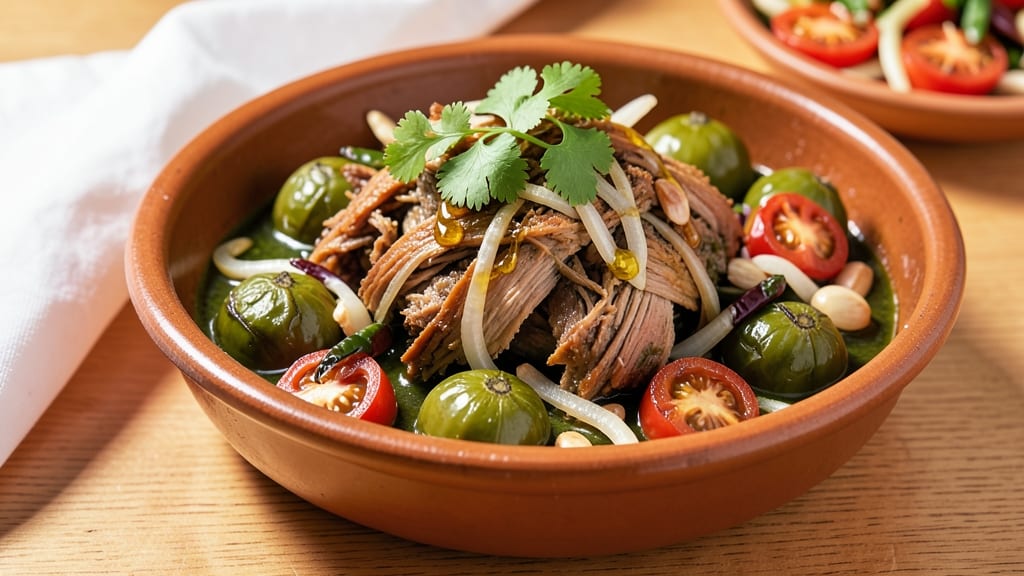
This Mexican pork verde recipe delivers restaurant-quality tenderness that makes every bite effortless. 🔥 The secret lies in slow-braising pork shoulder until it practically melts, then coating it in a vibrant salsa verde that balances smoky, tangy, and fresh flavors.
I've perfected this dish after years of testing regional techniques, ensuring the meat stays juicy while the sauce develops depth through proper charring and reduction.
The foundation of great pork verde is the sauce—tomatoes, tomatillos, and fresh chiles simmered until they create a complex, slightly sweet base. What sets this apart is the two-stage cooking process: first searing the pork to develop flavor, then braising it low and slow until fork-tender.
This method transforms tough cuts into melt-in-your-mouth perfection that's worth the time investment.
By the time you serve this dish, you'll have rich, smoky pork that falls apart at the touch of a fork, all smothered in a bright green sauce that's tangy from tomatillos and fresh from cilantro.
The aroma alone will have everyone gathering at the table, and each bite delivers that perfect balance of textures and flavors that defines authentic Mexican comfort food.
Serve with warm corn tortillas, cilantro-lime rice, and a simple side salad to complete the meal. The leftovers actually improve the next day as the flavors meld further, making this a perfect recipe for feeding a crowd or meal prepping for the week.
Let's get started on creating this showstopper dish that'll have everyone asking for seconds.
Ingredients for mexican pork verde
Six ingredients make the sauce, four pounds of pork make the magic happen.
| Ingredient | Amount | Notes |
|---|---|---|
| Pork Shoulder 🐖 | 4 lb | Bone-in for best flavor |
| Tomatillos 🍅 | 1 ½ lb | Husk removed, rinsed |
| Roma Tomatoes 🍅 | 1 lb | Ripe, halved |
| Serrano Peppers 🌶️ | 6 whole | Stems removed, halved |
| White Onion 🧅 | 1 whole | Quartered, skin on |
| Garlic Cloves 🧄 | 8 cloves | Peeled, smashed |
| Fresh Cilantro 🌿 | ½ cup | Stems included, chopped |
| Lime 🍋 | 1 whole | Juiced, zest optional |
| Chicken Broth 💧 | 2 cups | Low-sodium preferred |
| Olive Oil 🫒 | ¼ cup | For searing pork |
| Ground Cumin 🌿 | 1 tbsp | Toasted for depth |
| Smoked Paprika 🌶️ | 1 tsp | For smoky flavor |
| Salt 🧂 | 1 ½ tsp | Kosher or sea salt |
| Black Pepper 🌶️ | ½ tsp | Freshly ground |
| Honey 🍯 | 1 tbsp | Balances acidity |
The pork shoulder is non-negotiable—bone-in, not boneless. Trader Joe's and Costco usually have great prices, and look for good marbling. If you're buying whole, trim excess fat but leave some for flavor. For the tomatillos and serranos, hit up the Latin market if you can—fresher means brighter flavor. The serranos can be spicy, so adjust based on preference. I like to toast the cumin seeds in a dry pan for 30 seconds before grinding to deepen the flavor—worth the extra minute.
No serranos? Jalapeños or poblano peppers work in a pinch, but the flavor will differ. Fresh cilantro is ideal, but dried works at half the amount if you're in a bind. The lime juice is key—Mexican limes are best, but regular limes work fine. For the sauce, I always use San Marzano tomatoes if I can find them—they're sweeter and less acidic. If you're short on time, jarred salsa verde can be a shortcut, but homemade is where the heart is. The honey balances the acidity in the tomatillos, so don't skip it unless you're okay with a sharper sauce.
Pork shoulder keeps 5-6 days in the fridge if vacuum-sealed, but I prefer to cook it fresh. The sauce can be made ahead and reheated—3-4 days in the fridge, or freeze for 3 months. I like to portion the leftovers into containers for easy lunches. The pork gets even more tender the next day, so if you're feeding a crowd, make extra. The sauce thickens as it cools, so add a splash of broth if it's too stiff when reheating.
Why You'll Love This Recipe
- One-Pot Magic: I swear by this—just dump everything in one pot, let the tomatillos and serranos simmer until the pork falls apart. No chopping boards, no extra pans, and honestly? It feels like a hug in a skillet.
- Tangy Heat Payoff: That bright, herby verde sauce—tomatillos and serranos make it cheeky with a kick, but the pork shoulder soaks it up like a sponge. The first bite? Pure satisfaction, especially when the meat’s tender and the sauce clings like it’s meant to be there.
- Leftovers That Shine: Between us, this recipe begs for seconds, and the leftovers? Even better. Reheat the pork in the same sauce, and it’s like a flavor upgrade. Pack it for lunches or freeze it—no one will guess it’s not fresh.
- Budget-Friendly Feast: Pork shoulder stretches for miles, and the veggies? Cheap as chips. I’ve fed six people for under $15, and everyone’s still licking their plates. Plus, the serranos add heat without breaking the bank—just adjust to taste.
Step-by-step instructions for Mexican pork verde
Transform that pork shoulder into melt-in-your-mouth perfection with this smoky, tangy verde sauce.
🔥 Step 1: Sear the Pork Shoulder for Deep Flavor
Pat the 4 lb pork shoulder completely dry with paper towels—this is non-negotiable for crispy bark. Heat a Dutch oven over medium-high heat and add 0.25 cup olive oil. Once shimmering, add the pork shoulder fat-side down and sear for 8-10 minutes until deeply browned on all sides.
Here's the thing—don't rush this step. You want that fat to render and develop a dark crust. Flip the pork every few minutes to ensure even browning. Once golden brown, remove it from the pot and set it aside on a plate. You'll notice the oil in the pot is now rich and fragrant—that's your flavor foundation.
🍳 Step 2: Char the Tomatillos, Peppers, and Onion
In the same Dutch oven (no need to clean it—those browned bits are flavor gold), add the 1.5 lb tomatillos, 6 whole serrano peppers, and 1 whole white onion (quartered, skin on). Cook over medium-high heat for 8-10 minutes, stirring occasionally, until everything is deeply charred in spots and softened.
Watch closely—you want those tomatillos to blister and turn black in patches. The serrano peppers should soften and release their smoky aroma. Once charred, transfer everything to a blender or food processor. I know it looks like you're making salsa, but trust me—this charring is what gives pork verde its signature depth.
👨🍳 Step 3: Build the Verde Sauce from Scratch
To the blender, add the 1 lb roma tomatoes (halved), 8 cloves garlic (smashed), 0.5 cup fresh cilantro, 1 tbsp ground cumin, 1 tsp smoked paprika, 1.5 tsp salt, and 0.5 tsp black pepper. Pulse until smooth, scraping down the sides as needed. With the blender running, slowly drizzle in the 2 cups chicken broth and 1 tbsp honey to balance the acidity.
Taste the sauce—it should be bright, tangy, and slightly smoky. If it needs more acid, add a splash of the lime juice (about 1 tablespoon). This is your flavor checkpoint. The sauce should coat the back of a spoon but still be pourable. If it's too thick, thin with a little water or more broth.
🥘 Step 4: Braise the Pork Until Fork-Tender
Return the pork shoulder to the Dutch oven and pour the verde sauce over it, making sure it's fully submerged. Bring to a simmer over medium heat, then reduce to low heat, cover, and let it cook for 2.5-3 hours. Here's the key: you want the pork to cook until it's fork-tender and falls apart easily.
Check the pork after 2 hours—it should be pulling away from the bone and shredding with minimal effort. If it's not quite there, add another 0.5 cup chicken broth to keep it moist and continue cooking. The sauce should reduce slightly, becoming thicker and more concentrated. This is where all the magic happens—low and slow transforms tough pork into tender, smoky heaven.
🔪 Step 5: Shred and Serve with Confidence
Once the pork is tender, use two forks to shred it directly in the pot, discarding any large fat chunks. Taste the pork and sauce—adjust seasoning if needed. If the sauce is too thin, simmer uncovered for another 5-10 minutes to thicken it up. The final sauce should cling to the pork beautifully, with a balance of smoky, tangy, and slightly sweet notes.
Serve the pork verde immediately, piled high on warm tortillas or over rice. The pork should be so tender it nearly falls apart at the touch, and the sauce should be vibrant green with just the right kick from the serrano peppers. This is the kind of dish that tastes even better the next day, so make extra if you can—it's worth it!
Pro Tips For Making Mexican Pork Verde
- CHAR THE TOMATILLOS: Charring tomatillos on a dry skillet (no oil) until blackened in spots—even just 2-3 minutes—deepens their smoky, tangy flavor. I used to peel them raw, but skipping the peel and embracing the char makes the sauce richer, like the difference between a sketch and a finished painting.
- SIMMER LOW AND SLOW: After blending the salsa verde, reduce it uncovered on medium-low heat until it’s thick enough to coat the back of a spoon. Rushing this step makes the sauce watery and dull; let it work its magic for 15-20 minutes—it’s the only way to get that velvety texture.
- SALT THE PORK TWICE: Season the pork shoulder generously before searing, then hit it again after braising with a pinch of salt and a splash of broth. I learned this the hard way—once-braised pork tastes bland no matter how much salt you add later. Double-dosing guarantees flavor penetration.
- ROAST THE ONIONS: Toss the white onion halves in oil, salt, and a pinch of cumin, then roast at 400°F (200°C) for 20-25 minutes until caramelized. It’s not traditional, but the sweetness balances the acidity and adds depth—like adding a hidden layer to a favorite sweater. (Yes, even if you’re impatient like me.)
Serving suggestions for mexican pork verde
Tortilla Perfection
Warm, fresh corn tortillas are non-negotiable for serving pork verde. Heat them on a dry skillet for 30 seconds per side until pliable—this prevents them from turning soggy under the sauce.
I keep a stack wrapped in a clean kitchen towel to maintain warmth. For extra authenticity, brush the tortillas lightly with melted lard or vegetable oil before serving. 🌽
Cilantro-Lime Rice
This bright side dish balances the richness of the pork. Cook 1 cup white rice in 2 cups chicken broth with 1 tsp cumin and ½ tsp smoked paprika. After cooking, fold in ¼ cup chopped cilantro and the juice of 1 lime.
The acidity cuts through the smoky pork beautifully. For extra flavor, toast the rice in a dry pan for 2 minutes after cooking to enhance its nuttiness.
Simple Side Salad
A crisp salad adds freshness to the meal. Toss 4 cups mixed greens (romaine, butter lettuce, and radishes) with 2 tbsp lime juice, 3 tbsp olive oil, and a pinch of salt.
Top with ¼ cup crumbled cotija cheese and 2 tbsp chopped cilantro. The lime ties back to the pork verde's flavors while providing a refreshing contrast. Serve chilled to maintain crispness.
Avocado Slices
Add creamy texture with 2 ripe avocados, sliced into wedges. Sprinkle with a pinch of salt and a squeeze of lime juice to prevent browning. The healthy fats complement the smoky pork, and the cool avocado soothes the palate after each bite.
For extra flair, drizzle with a touch of chili oil or sprinkle with crushed red pepper flakes.
Warm Cornbread
For a Southern-Mexican fusion twist, serve with warm cornbread. Mix 1 cup cornmeal, 1 cup all-purpose flour, 1 tbsp baking powder, and ½ tsp salt. Add 1 cup buttermilk and 1 egg, then bake at 375°F for 20-25 minutes.
The slight sweetness pairs perfectly with the tangy verde sauce. Brush with honey butter for added richness.
Garnishing Like a Pro
Finish the dish with extra cilantro leaves, a sprinkle of crumbled cotija cheese, and a final squeeze of lime. For heat lovers, add pickled jalapeños or a dash of hot sauce**.
The garnishes should enhance the dish without overpowering it. I like to plate the pork verde in the center, surrounded by tortillas, rice, and salad for a balanced presentation. 💫
Nutrition facts
Frequently asked questions
Can I substitute pork shoulder with another cut?
While pork shoulder is ideal for its fat content and tenderness when braised, you can use pork butt (they're essentially the same cut) or pork loin in a pinch. For loin, reduce cooking time to 1.5-2 hours since it's leaner. Never use pork tenderloin—it's too delicate and will dry out. The key is choosing a cut with enough fat to stay moist during the long cook.
How do I adjust the heat level in the salsa verde?
Remove the seeds and membranes from serrano peppers to reduce heat, or keep them for extra spice. For milder flavor, substitute jalapeños (remove seeds) or poblano peppers (remove seeds and membranes). If the sauce is too spicy after blending, balance it with more honey (another ½ tbsp) or a splash of lime juice (about 1 tbsp).
Can I make this recipe in a slow cooker?
Sear the pork as directed, then transfer it to a 6-quart slow cooker with the sauce. Cook on low for 8 hours or high for 5-6 hours. The pork will be tender, but the sauce may be thinner. Reduce it on the stovetop for 10-15 minutes before serving. For best results, use a Dutch oven for searing and transfer only the pork to the slow cooker.
What's the best way to reheat leftovers?
Reheat pork verde in a skillet over medium-low heat with a splash of chicken broth (about ¼ cup) to prevent drying. Cover and warm for 5-7 minutes, stirring occasionally. For microwave reheating, cover with a damp paper towel and heat in 30-second intervals, stirring between each. The sauce thickens when cooled, so add broth as needed to restore consistency.
Why is my pork verde sauce too thin?
Sauce thinning usually happens from overcooking or insufficient reduction. Simmer uncovered for 5-10 minutes to thicken it naturally. If that doesn't work, mix 1 tbsp cornstarch with 2 tbsp cold water, stir into the sauce, and cook for another 2 minutes until thickened. For prevention, reduce the sauce by 10-15 minutes before adding the pork during the braising process.