
Main Courses
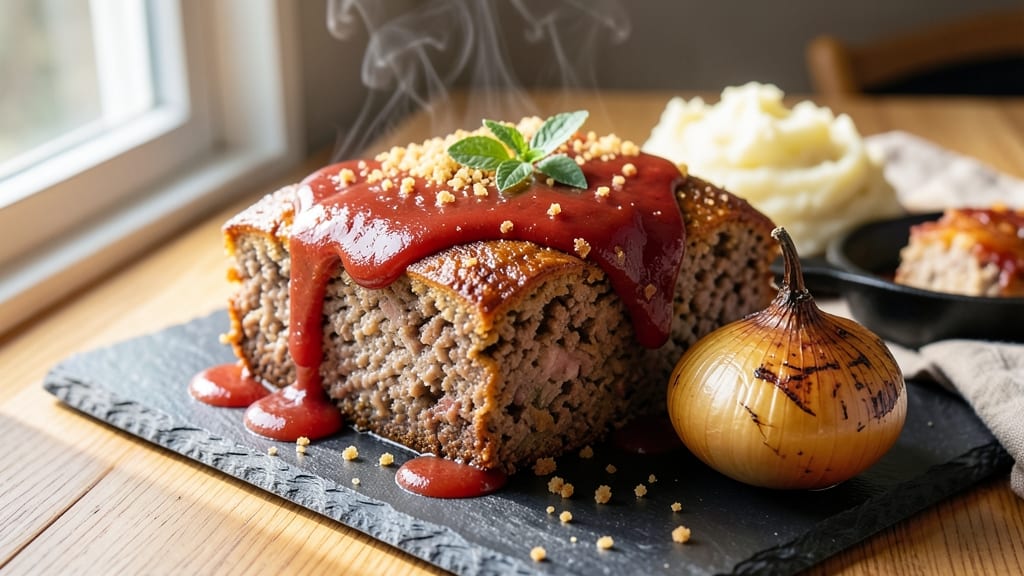
This meatloaf recipe with pork sausage delivers the ultimate comfort food experience—juicy, flavorful slices that taste like Sunday dinner. 💛 I developed it after years of testing, balancing traditional techniques with modern twists to ensure foolproof results every time.
The key? Pork sausage adds richness and moisture, while breadcrumbs create that perfect crust.
What makes this recipe special is the combination of classic methods—like a tangy tomato glaze—and simple ingredients you likely already have. No fancy equipment needed, just a baking dish and about an hour of hands-off time.
The result is tender meatloaf with a caramelized top that'll have everyone asking for seconds.
By the end, you'll have perfectly cooked meatloaf with a golden-brown crust and moist interior, ready to serve with mashed potatoes or roasted vegetables. The glaze adds a sweet-savory finish that ties everything together beautifully. This is the kind of dish that brings people together.
Whether you're feeding a family or hosting a gathering, this recipe scales perfectly. The pork sausage keeps it rich and satisfying, while the method ensures juicy slices every time. Let's get started on creating your next comfort food masterpiece.
Ingredients for meatloaf recipe with pork sausage
Classic comfort meets modern technique—these fifteen ingredients craft juicy meatloaf with perfect crust every time.
| Ingredient | Amount | Notes |
|---|---|---|
| Ground Pork Sausage 🥓 | 1 ½ lb | Sweet or mild variety preferred |
| Ground Beef 🥩 | 1 lb | 80% lean, 20% fat ratio |
| All-Purpose Flour 🌾 | ½ cup | For breadcrumb mixture |
| Panko Breadcrumbs 🍞 | ½ cup | Japanese-style for crispiness |
| Ketchup 🍅 | ½ cup | Unsweetened preferred |
| Yellow Onion 🧅 | 1 whole | Finely diced, medium size |
| Garlic Cloves 🧄 | 4 cloves | Minced for even distribution |
| Large Eggs 🥚 | 2 whole | Room temperature for binding |
| Milk 🥛 | ½ cup | Whole milk for moisture |
| Worcestershire Sauce 🍶 | 1 tbsp | Vegetarian version if needed |
| Dijon Mustard 🌶️ | 1 tbsp | For depth of flavor |
| Diamond Crystal Kosher Salt 🧂 | 1 ½ tsp | Adjust to taste |
| Ground Black Pepper 🌶️ | 1 tsp | Freshly cracked preferred |
| Granulated Sugar 🍚 | 1 tbsp | For glaze balance |
| Olive Oil 🫒 | 1 tbsp | For greasing pan |
The pork sausage is non-negotiable here—it delivers that signature richness and moisture that separates good meatloaf from great. Sweet or mild Italian sausage works best, but avoid spicy varieties unless you want heat cutting through the tenderness. For the ground beef, 80/20 lean-to-fat ratio is ideal; anything leaner will dry out. Both should be raw, not pre-cooked. I recommend Boar's Head or Johnsonville for consistent quality, but any brand in the meat case will do. The onions and garlic? Yellow onions add sweetness, while garlic provides depth—don't skip the mincing, as even distribution is key to flavor.
No ketchup? Tomato paste mixed with a splash of vinegar works in a pinch, though the sweetness will differ. Running short on panko? Regular breadcrumbs toasted in the oven for 5 minutes will give you similar texture. The Worcestershire sauce can be tricky—if you're vegetarian, vegetarian versions from Annie's or Follow Your Heart are reliable. For the glaze, if you prefer less sweetness, reduce the sugar to 1 teaspoon and add an extra 1/2 teaspoon of Dijon mustard for tang. The eggs and milk should be room temperature—cold ingredients make the mixture tough.
This meatloaf reheats beautifully—350°F for 15-20 minutes with a splash of water or broth in the pan keeps it moist. Store leftovers in an airtight container for up to 4 days in the fridge, or freeze for 3 months. For make-ahead convenience, assemble the meatloaf and refrigerate overnight before baking—it develops even more flavor. The glaze can be prepped 2 days ahead and stored in the fridge, saving time on baking day. Slice against the grain for maximum tenderness.
Why You'll Love This Recipe
- No-Fuss Mix-In: I swear by the pork sausage and beef combo—it’s like a flavor shortcut. No need to measure spices separately; the sausage brings its own seasoning, and the beef keeps it hearty. Honestly, the panko crust makes it feel fancy without extra work.
- Crispy-Creamy Magic: That panko topping on the outside? Total game. It’s got this satisfying crunch, while the inside stays juicy from the ketchup glaze. Between us, it’s the kind of meatloaf that disappears fast—no sad leftovers here.
- Weeknight to Potluck: Make it for a quick Tuesday dinner or double the batch for a holiday spread. The ketchup glaze is foolproof, and the texture holds up whether you’re reheating or serving fresh. My daughter even brings it to school—yes, really.
- Budget Bucket List: Ground pork sausage stretches further than you’d think, and the panko adds texture without costing much. Leftovers reheat like a dream, so you’re not stuck cooking twice. It’s my go-to when groceries need to last longer.
Step-by-step instructions for juicy sausage meatloaf
Here's how to assemble a meatloaf with perfect texture and flavor—moist inside, crisp on top, and packed with savory depth.
👨🍳 Step 1: Prepare the Binder Mixture
In a medium bowl, whisk together the 2 whole large eggs, 0.5 cup milk, 0.5 cup all-purpose flour, 1 tbsp Dijon mustard, 1 tbsp Worcestershire sauce, 1.5 tsp Diamond Crystal kosher salt, and 1 tsp ground black pepper until completely smooth. This mixture acts as the glue that holds your meatloaf together while adding moisture and structure. The eggs provide binding, while the milk and flour create a light, airy texture that prevents dryness.
I like to let this mixture sit for 5 minutes while I prep the other ingredients—it gives the flour time to fully hydrate and creates a more cohesive blend. If you notice any lumps, simply whisk again until smooth. This step is non-negotiable for achieving that classic meatloaf tenderness.
👨🍳 Step 2: Combine Meats and Aromatics
In a large mixing bowl, gently combine the 1.5 lb ground pork sausage and 1 lb ground beef using your hands or a wooden spoon. Avoid overmixing—just work the meat until it's evenly distributed. Add the 1 whole yellow onion (finely diced) and 4 cloves garlic (minced), mixing just until incorporated. The pork sausage adds richness and moisture, while the beef provides structure and depth of flavor.
Here's where it gets crucial: add the egg mixture and mix gently but thoroughly. You're looking for a uniform color throughout, but don't overwork the meat—this creates toughness. The pork fat will start to render slightly as you mix, which is normal and actually helps with moisture retention. Sprinkle 0.5 cup panko breadcrumbs over the mixture and fold them in just until distributed. The panko adds texture and helps create that crispy exterior.
🥘 Step 3: Shape and Arrange for Baking
Lightly grease a 9x5-inch loaf pan with 1 tbsp olive oil (or use nonstick spray). Transfer the meat mixture to the prepared pan and shape it gently but firmly into a loaf shape, pressing down lightly to remove any air pockets. The pan should be about ¾ full—don't overpack it or your meatloaf will be dense. Leave about ½ inch of space at the top for expansion.
For that classic meatloaf presentation, create a well in the center about 2 inches deep and wide. This is where we'll add the ketchup glaze later. The well helps the glaze penetrate slightly during baking, adding moisture and flavor to the interior. Cover the loaf pan loosely with foil and refrigerate for 30 minutes—this chilling step helps the meat hold its shape during baking.
🔥 Step 4: Bake with Ketchup Glaze
Preheat your oven to 350°F. Remove the chilled meatloaf from the refrigerator and spread 0.5 cup ketchup evenly over the top, including the sides of the well you created. In a small bowl, mix together 1 tbsp granulated sugar with 1 tbsp water to create a simple glaze. Brush this mixture over the ketchup layer—this helps create that signature glossy finish and adds a touch of sweetness to balance the savory flavors.
Bake uncovered for 1 hour. Here's the thing—meatloaf is forgiving, but timing matters. After the initial hour, check the internal temperature with a meat thermometer. It should read 155°F at the thickest part. If it's not quite there, continue baking for another 10-15 minutes. The exterior should be a deep, appetizing brown with a slightly crisp texture when pressed gently.
⏰ Step 5: Rest and Serve
Remove the meatloaf from the oven and transfer it to a wire rack. Let it rest for at least 15 minutes before slicing—this resting period allows the juices to redistribute throughout the meat, ensuring each slice is moist and flavorful. I know it's tempting to cut into it immediately, but patience here makes all the difference in the final texture.
Slice the meatloaf into 6 equal portions (about 1-inch thick slices) and serve warm. Each slice should be juicy in the center with a crispy, flavorful crust. The ketchup glaze should be slightly caramelized, adding sweetness that complements the savory meat. Pair with mashed potatoes, roasted vegetables, or crusty bread to complete this classic comfort meal.
Pro Tips For Making Meatloaf Recipe With Pork Sausage
- Mix the Sausage First: I learned this the hard way—don’t just dump the pork sausage into the beef mix and call it done. Break the sausage links into small chunks first, then mix them in last so they distribute their fat and flavor evenly. The meatloaf stays juicier this way, and you won’t end up with pockets of grease.
- Don’t Skip the Flour Slurry: This isn’t the prettiest method, but it’s the tastiest: whisk 1-2 tablespoons of all-purpose flour with a splash of cold water, then brush it over the loaf before baking. The crust turns golden and crispy without burning, and the texture gets that satisfying bite—no extra effort, just a game-changer.
- Bake Low and Slow: After burning three batches, I finally figured out: start your meatloaf at 375°F (190°C) for 20 minutes, then drop the heat to 325°F (165°C). This guarantees even cooking without a dry exterior, especially when using lean pork sausage. Patience here means no dry, rubbery loaf.
- Press the Panko Firm: Sounds weird, but it works: after shaping the loaf, press the panko breadcrumbs hard into the top, not just sprinkling them lightly. The crumb layer will hold its shape and toast into a crispy shield instead of crumbling into the pan. Yes, even if you’re impatient like me.
Perfect pairings for these flavors
Classic Comfort Sides
Nothing beats this meatloaf like creamy mashed potatoes—I make mine with butter, warm milk, and a touch of roasted garlic for extra depth. For a New England twist, serve with brown bread from your local bakery, still warm from the oven.
The crust soaks up the glaze beautifully, making every bite perfect. 🥔
Fresh Vegetable Balance
Roasted carrots and Brussels sprouts add color and freshness to the plate. Toss them with olive oil, salt, and a sprinkle of smoked paprika before roasting at 425°F for 20 minutes.
The slight char balances the richness of the meatloaf while keeping the meal light. I always double-check the Brussels sprouts are halved—whole ones can burn before they're tender.
Glaze Variations
Swap the classic ketchup glaze for brown sugar and Dijon mustard for a tangy twist—I mix 2 tbsp brown sugar, 1 tbsp Dijon, and 1 tbsp water, then brush it on after baking.
For a smoky flavor, add 1 tsp smoked paprika to the glaze. Both versions keep the meatloaf moist while adding new layers of taste that pair perfectly with the pork sausage richness. 🌶️
Beverage Pairings
A bold red wine like Cabernet Sauvignon cuts through the richness, while a light lager like Samuel Adams Noble Pilsner keeps the meal refreshing. For non-alcoholic options, sparkling apple cider adds a crisp finish.
I always serve drinks slightly chilled—it balances the warm, hearty flavors of the meatloaf and sides. 🍷
Make-Ahead Garnishes
Prep quick-pickled onions or sautéed mushrooms ahead of time to add freshness to the plate. Thinly slice 1 red onion, soak in ½ cup vinegar, 1 tbsp sugar, and a pinch of salt for 15 minutes, then drain.
The tangy crunch contrasts the meatloaf's richness perfectly. For mushrooms, sauté with garlic and thyme until golden—both keep well in the fridge for 3 days. ✨
Nutrition facts
Frequently asked questions
Can I substitute chicken sausage for pork sausage?
You can try, but pork sausage delivers a richer, more traditional flavor. Chicken sausage tends to be leaner, which can make the meatloaf drier. If you substitute, add 1 extra tablespoon of olive oil to the binder mixture to compensate for the lack of fat. For best results, stick with pork or beef sausage varieties.
Why does my meatloaf turn out dry?
Overmixing the meat is the #1 cause of dryness—it breaks down proteins and squeezes out moisture. Also, skipping the 30-minute chill before baking or overcooking (past 155°F) leads to dry results. Always use a meat thermometer and let it rest 15 minutes before slicing to lock in juices. The pork sausage helps retain moisture, but proper technique matters most.
Can I make this meatloaf in a slow cooker?
Shape the meatloaf in a greased slow cooker insert and cook on Low for 3-4 hours or High for 2-2.5 hours. Add ½ cup beef broth to the bottom for extra moisture. The slow cooker method is perfect for hands-off prep, though the crust won't be as crispy. For best results, finish with 10 minutes under a broiler to caramelize the glaze.
What's the best way to reheat leftovers?
Slice the meatloaf and reheat in a skillet with a splash of water or broth over medium-low heat for 5-7 minutes, or cover with foil and warm in the oven at 325°F for 15 minutes. Microwaving works in a pinch, but it can make the crust soggy. The pork sausage keeps it flavorful even after reheating—just avoid overcooking or it'll dry out.
How do I adjust this for a larger crowd?
Double the recipe and use a 9x13-inch baking dish instead of a loaf pan. For 12 servings, increase to 3 lbs pork sausage and 2 lbs beef, keeping the same ratio. The key is to maintain the 1-inch thickness for even cooking. Bake for 50-60 minutes at 350°F, checking the internal temp reaches 155°F. The glaze may need an extra 5 minutes under the broiler to caramelize properly.