
Main Courses
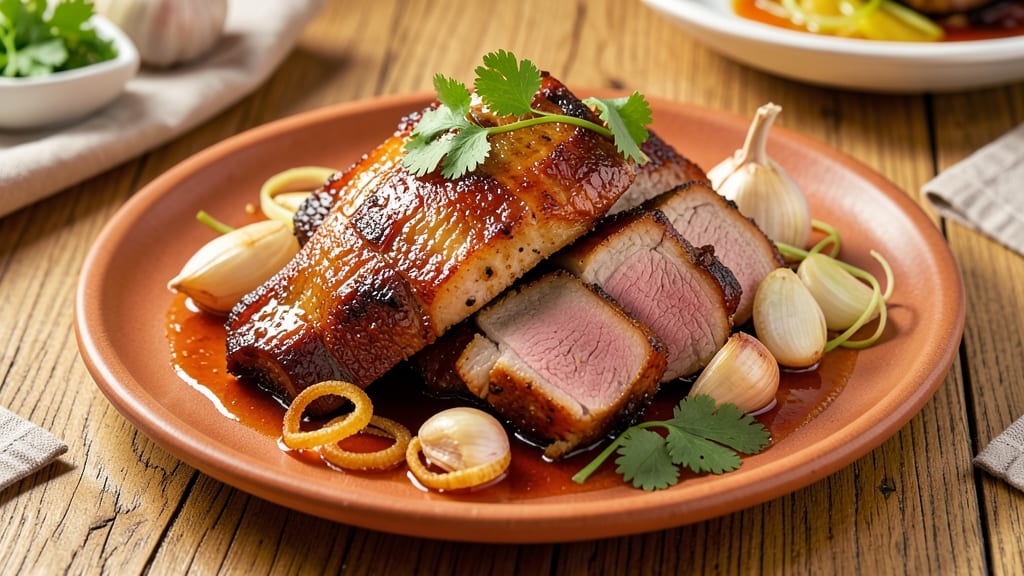
This Filipino pork barbecue recipe delivers restaurant-quality sweet-tangy perfection that caramelizes into a glossy, irresistible glaze. 🌟 I first discovered the magic of pineapple juice while perfecting my lechon-inspired marinades—its acidity tenderizes the meat while creating that signature sticky-sauce.
The key lies in balancing traditional techniques with modern convenience, whether you're grilling over charcoal or searing in a cast-iron skillet.
The marinade transforms tough pork shoulder into melt-in-your-mouth bites through a 48-hour process that develops deep flavors. Pineapple juice forms the base of the sauce, while soy sauce, brown sugar, and garlic create a complex sweet-savory profile that caramelizes beautifully during cooking.
This isn't just a recipe—it's a celebration of Filipino comfort food that works equally well for weeknight dinners or special occasions.
What you'll achieve is pork so tender it falls apart at the touch, coated in a glossy sauce that's both sweet and tangy with just the right amount of smokiness.
The aroma alone will have your whole house gathered around the table, while the texture delivers that perfect contrast between crispy edges and juicy centers. Serve it with garlic fried rice and pickled vegetables for an authentic Filipino feast that feels like a homecoming.
This method adapts perfectly to modern kitchens—whether you're using a grill, oven, or stovetop. The marinade can be made ahead, and the cooking process is designed to work with your schedule while delivering restaurant-quality results.
Let's get started on this dish that brings the flavors of the Philippines to your table with professional precision.
Ingredients for filipino pork barbecue recipe with pineapple juice
Sixteen ingredients transform tough pork into melt-in-your-mouth bites with a caramelized pineapple glaze.
| Ingredient | Amount | Notes |
|---|---|---|
| Pork Shoulder (Boston Butt) 🍖 | 3 lb | Bone-in for flavor, cut into 2-inch chunks |
| Pineapple Juice 🍍 | 1 ½ cups | Freshly squeezed, no additives |
| Soy Sauce 🥄 | ½ cup | Kikkoman preferred for balance |
| Brown Sugar 🍚 | ½ cup | Light or dark, packed |
| Garlic Cloves 🧄 | 8 cloves | Minced, fresh for best flavor |
| Ginger Root 🌿 | 2 tbsp | Freshly grated, peeled |
| Black Peppercorns 🌶️ | 1 tbsp | Coarsely crushed, not powdered |
| Bay Leaves 🍃 | 2 whole | Dried, for deep aroma |
| Olive Oil 🫒 | ¼ cup | Extra-virgin for richness |
| White Vinegar 💧 | ¼ cup | For tangy balance |
| Salt 🧂 | 1 ½ tbsp | Kosher or sea salt |
| Ground Black Pepper 🌶️ | 1 tsp | Freshly ground for heat |
| Green Onions 🧅 | 4 whole | Thinly sliced, for garnish |
| Fresh Cilantro 🌿 | ¼ cup | Chopped, for fresh finish |
The pork shoulder is non-negotiable—bone-in cuts develop richer flavor, and 3 lbs is perfect for a crowd. Filipino markets or well-stocked Asian grocery stores often carry pre-cut pork shoulder, but if you're buying whole, ask for the Boston butt section. For pineapple juice, freshly squeezed is ideal (skip the canned stuff with additives), but Dole's pure pineapple juice works in a pinch. The brown sugar should be packed tightly—light brown gives a subtle molasses note, dark brown adds deeper caramelization. If you can't find fresh ginger, substitute 1 tbsp ginger paste but reduce the liquid slightly to maintain balance.
No Kikkoman soy sauce? Any good-quality soy sauce works—just taste and adjust. The white vinegar cuts through sweetness, but rice vinegar adds a more authentic Filipino touch. For garlic, peel and mince right before mixing—raw garlic has more punch than pre-minced. If you're grilling, char the bay leaves briefly before adding to the marinade for smoky depth. The green onions and cilantro are purely for garnish, but if you're serving this as a main, double the amount for extra freshness. For a quicker version, reduce the marinating time to 12 hours, though 48 hours is ideal for maximum tenderness.
Marinate in a glass container (plastic absorbs odors) and refrigerate uncovered for the first 24 hours to let flavors meld, then cover. The sauce thickens as it cooks, so reserve 1/4 cup of the marinade before grilling to deglaze the pan. Leftover pork reheats beautifully—store in an airtight container for up to 5 days or freeze for 3 months. The sauce freezes well too, but reheat gently to preserve its glossy texture. For meal prep, portion the pork and sauce separately—reheat the sauce first, then toss with the pork to keep it moist.
Why You'll Love This Recipe
- One-Pan Magic: I swear by this recipe when I’m too tired to wash dishes. Toss the pork shoulder in a sheet pan with pineapple juice, soy sauce, and brown sugar, then bake until caramelized—no pots, no pans, just sticky-sweet perfection that smells like a shortcut to happiness.
- Sweet-Savory Balance: The pineapple juice cuts through the richness of the pork shoulder while the soy and brown sugar create this irresistible glaze. Honestly, the first bite makes me wonder why I ever bought store-bought BBQ sauce—this is way better.
- Weeknight & Potluck Hero: Between us, this is my go-to for lazy nights and gatherings. The leftovers reheat beautifully, and the bold flavor holds up—whether I’m serving it on rice for a quiet dinner or bringing it to a picnic where everyone asks for seconds.
- Budget-Friendly Feast: Pork shoulder is affordable, and this recipe stretches it far. A single cut feeds my family for days, and the ingredients? Basic pantry staples. I’ll be real: it’s the kind of meal that makes grocery budgets breathe easier.
Step-by-step instructions for Filipino pork barbecue
Transform humble pork shoulder into melt-in-your-mouth barbecue with this caramelized, glossy masterpiece.
🔥 Step 1: Marinate the Pork for Maximum Flavor
In a large bowl, combine the 1.5 cups pineapple juice, 0.5 cup soy sauce, 0.5 cup brown sugar, 2 tbsp freshly grated ginger root, 1 tbsp coarsely crushed black peppercorns, 2 whole bay leaves, and 1.5 tbsp salt. Stir until the sugar dissolves completely—this creates your marinade base.
Add the 3 lb pork shoulder (Boston Butt), cut into 2-inch chunks, to the marinade. Using your hands, coat each piece thoroughly, pressing the marinade into the meat. Cover and refrigerate for at least 4 hours (overnight is ideal). The acidity from the pineapple juice will tenderize the meat while the sugar begins caramelizing on the surface. You'll know it's working when the pork absorbs the marinade and develops a sticky glaze.
🍳 Step 2: Sear the Pork for Deep Flavor
Remove the pork from the fridge and let it sit at room temperature for 30 minutes before cooking. Heat a large Dutch oven or deep skillet over medium-high heat and add 0.25 cup olive oil. Once shimmering, add the pork in batches, being careful not to overcrowd the pan.
Sear the pork for 3-4 minutes per side until deeply browned and caramelized. The pork should release easily from the pan when ready to flip. Remove the seared pork and set it aside, reserving the browned bits in the pan—these contain concentrated flavor. Real talk: Don't skip this step. The Maillard reaction happening here builds the foundation for your dish's rich, complex taste.
🥘 Step 3: Simmer the Pork Until Fork-Tender
Return the seared pork to the Dutch oven. Add the reserved marinade (strain if you prefer a smoother sauce) and 0.25 cup white vinegar. Bring to a gentle simmer over medium-low heat, then reduce to low heat and cover partially. Simmer for 2.5-3 hours, turning the pork occasionally, until it's fork-tender and easily pulls apart.
Here's the thing—you want the sauce to reduce and thicken as it cooks. If it gets too thin, uncover and simmer uncovered for 10-15 minutes to let the liquid evaporate. The pork is done when it reaches 200-205°F internally and the sauce has a glossy, syrupy consistency. Don't rush this step; patience is key to achieving that perfect texture.
🔪 Step 4: Finish and Garnish for Presentation
Once the pork is tender, transfer it to a serving platter. Increase the heat to medium-high and let the sauce reduce for another 5-10 minutes, stirring occasionally, until it coats the back of a spoon. If the sauce is too thick, add 1-2 tablespoons of water to loosen it.
Garnish the pork with 4 whole green onions, thinly sliced, and 0.25 cup chopped fresh cilantro. The green onions add a fresh contrast to the rich, caramelized pork, while the cilantro brings a bright finish. Serve immediately with steamed rice or crusty bread to soak up that luscious sauce. Each bite should deliver tender, juicy pork with a perfect balance of sweet, tangy, and savory flavors.
Pro Tips For Making Filipino Pork Barbecue Recipe With Pineapple Juice
- CRANK THE HEAT FIRST: Start your pork shoulder on high heat until it’s screaming—literally. Those first 5 minutes of searing in a hot pan or grill will lock in flavor and prevent the meat from turning into a mushy mess. I used to rush this, and the sauce would just pool instead of stick.
- BLANCH THE GARLIC: Toss your minced garlic into boiling water for 10 seconds, then drain and shock in ice water. This mellows the bite and keeps it from turning bitter in the sweet-savory sauce. Sounds weird, but it works—trust me, your taste buds will notice.
- SIMMER THE PINEAPPLE JUICE: Reduce the pineapple juice by half before adding it to the pork. Thickening it first means less watery sauce and more caramelized depth. I learned this the hard way—skipping this step left me with a gloppy, sad marinade.
- SALT THE PORK TWICE: Generously salt the pork shoulder the night before, then again right before cooking. The first salt breaks down the meat, and the second ensures it’s properly seasoned before hitting the heat. Yes, even if you’re impatient like me, give it a solid 5-10 minutes under foil to rest after salting.
Best sauces and condiments for filipino pork barbecue recipe with pineapple juice
Pineapple Glaze Mastery
The star of this dish is the pineapple glaze, where the natural enzymes in the juice break down the pork's connective tissue while creating a caramelized crust.
For extra depth, I like to reduce 1 cup of the reserved marinade on its own in a saucepan until it thickens to a syrupy consistency—this becomes the base for your glaze. Add 1 tbsp honey and 1 tsp fish sauce (for umami) to elevate the flavor profile.
Brush this glaze over the pork during the last 15 minutes of cooking for a restaurant-quality finish. 🍍
Soy-Ginger Reduction
Save ½ cup of the marinade before cooking and reduce it with 1 minced garlic clove and ½ tsp grated ginger until it becomes a glossy, sticky sauce. This concentrated reduction adds layers of flavor when drizzled over the finished pork.
I often use it as a dipping sauce for extra richness. For a smoky twist, char the garlic in a dry pan before adding it to the reduction. This technique transforms simple ingredients into a complex sauce that ties the entire dish together.
Pickled Vegetable Pairings
Filipino-style atchara (pickled vegetables) is the perfect condiment for balancing the richness of the pork.
Thinly slice 1 carrot, 1 daikon radish, and 1 green bell pepper, then pickle them in ½ cup rice vinegar, 1 tbsp sugar, and ½ tsp salt for 30 minutes. The tangy crunch cuts through the caramelized pork beautifully.
I also love serving it with sliced cucumbers and red onions for extra freshness. These pickled vegetables add a vibrant contrast that keeps every bite exciting. 🥒
Spicy Chili-Lime Sauce
For those who love heat, mix 2 tbsp lime juice, 1 tbsp sriracha, 1 tsp honey, and 1 minced garlic clove to create a zesty dipping sauce. This bright, spicy contrast enhances the sweet-savory pork without overpowering it.
I recommend serving it on the side so guests can adjust to their preference. If you're feeling adventurous, add ½ tsp ground white pepper for a unique kick. This sauce also works wonders as a marinade for grilled shrimp or fish if you're planning a full Filipino feast. 🌶️
Coconut Milk Finish
For a creamy twist, stir ½ cup coconut milk into the reduced sauce during the final 10 minutes of cooking. The richness of the coconut complements the pineapple's tanginess while adding a luxurious texture.
I often use full-fat coconut milk for the best results, but light coconut milk works in a pinch. This variation is especially popular during summer gatherings when lighter, refreshing flavors are desired. Garnish with toasted coconut flakes for extra crunch and visual appeal. 🥥
Nutrition facts
Frequently asked questions
Can I use canned pineapple juice instead of fresh?
While fresh pineapple juice gives the best flavor, you can use canned pineapple juice in a pinch—but choose brands with no added sugar or preservatives. For the most authentic taste, reduce 2 cups of canned pineapple juice (no syrup) to 1.5 cups to concentrate the flavor. The acidity will still tenderize the pork, though the natural enzymes in fresh juice work slightly better.
How do I make this recipe without a Dutch oven?
No problem! Use a large heavy-bottomed pot with a tight-fitting lid or even a deep skillet. For extra flavor, start by searing the pork in a separate pan, then transfer everything to your pot. If your pan isn't deep enough, cover it with foil (tented) to trap steam during simmering. The key is keeping the heat low and the pork partially submerged in the sauce.
Can I grill this instead of using the stovetop?
Grill the seared pork over indirect heat at 275-300°F for 2-2.5 hours, turning occasionally and basting with the reserved marinade. For extra smokiness, add 1-2 wood chips (hickory or apple works well) to your grill. Finish by brushing with the reduced pineapple glaze during the last 10 minutes for that perfect caramelized crust.
What if my sauce isn't thick enough?
If the sauce is too thin, simmer it uncovered for 10-15 minutes to evaporate excess liquid. For a quicker fix, mix 1 tbsp cornstarch with 2 tbsp cold water, stir into the sauce, and simmer for 2-3 minutes until thickened. Avoid over-reducing—you want a glossy, syrupy consistency, not a dry glaze. The sauce should coat the back of a spoon but still be pourable.
Can I make this ahead of time?
Yes! Cook the pork completely, then refrigerate it in the sauce for up to 3 days. The flavors actually improve as they meld. When ready to serve, reheat in a skillet over medium heat until warmed through, adding a splash of water if needed to loosen the sauce. For make-ahead convenience, freeze the cooked pork and sauce in portions—thaw overnight in the fridge and reheat gently to preserve texture.