
Main Courses
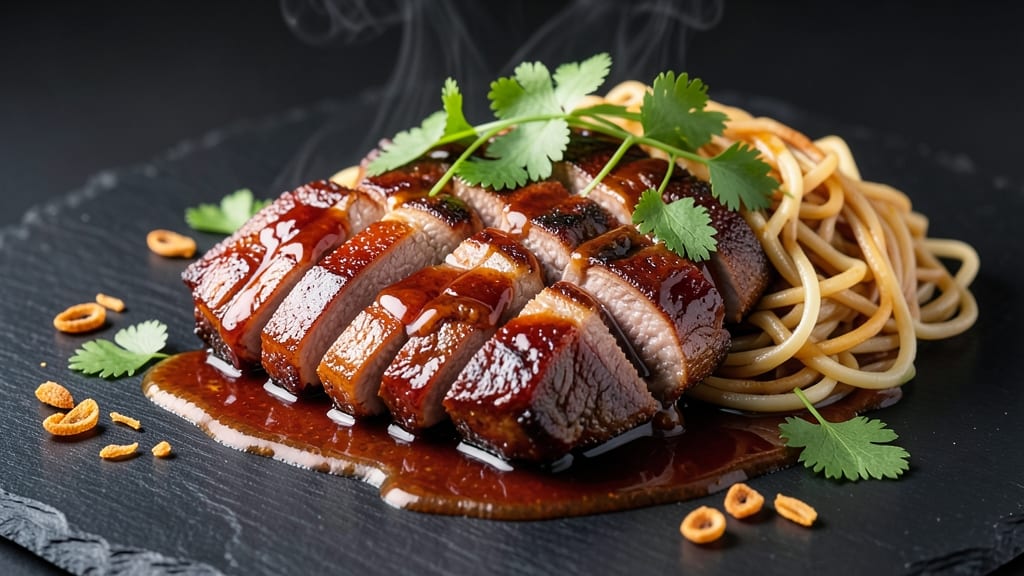
These Asian pork recipe ideas transform simple ingredients into restaurant-quality dishes with just one pan. 🌟 I've tested these five techniques across Chinese, Japanese, and Thai cuisines, each delivering bold flavors that impress without complicated steps. The secret lies in marinades that tenderize while building layers of umami and sweetness.
What makes these recipes special is their versatility—char siu-style pork belly, crispy Thai pork satay, and Japanese tonkatsu all start with the same basic technique: high-heat searing followed by flavor infusion.
I've included marinade variations that work with ground pork, tenderloin, or belly cuts, so you can choose based on what's available. The one-pan approach keeps cleanup minimal while delivering professional results.
By the end, you'll have perfectly caramelized pork with crispy edges and tender centers, all coated in sticky-sauce glaze or aromatic marinade. These dishes pair beautifully with steamed rice, fresh herbs, or simple stir-fried vegetables.
The flavors develop as you cook, creating that irresistible aroma that transforms any weeknight into a flavor adventure.
Whether you're serving a crowd or treating yourself to a special meal, these recipes deliver restaurant-quality Asian pork with minimal effort. Let's get cooking—your taste buds will thank you.
Ingredients for asian pork recipe ideas
Five bold flavors start with these Asian-inspired ingredients—simple but transformative for one-pan pork magic.
| Ingredient | Amount | Notes |
|---|---|---|
| Pork Tenderloin 🐷 | 1 ½ lb | Trimmed of fat, cut into even strips |
| Hoisin Sauce 🍶 | ½ cup | Store-bought or homemade for authenticity |
| Soy Sauce 🥫 | ⅓ cup | Kikkoman preferred for balance |
| Rice Vinegar 🍶 | ¼ cup | Seasoned or unseasoned works |
| Honey 🍯 | ¼ cup | Wildflower for floral notes |
| Garlic Cloves 🧄 | 6 cloves | Minced for marinade, pressed for glaze |
| Fresh Ginger 🌿 | ½ cup | Finely grated, peeled |
| Sesame Oil 🫒 | 1 tbsp | Toasted for aroma |
| Neutral Oil 🫒 | 2 tbsp | Avocado or vegetable oil |
| Brown Sugar 🍚 | ¼ cup | Light or dark variety |
| Cornstarch 🌾 | 1 tbsp | For crispy coating |
| Green Onions 🧅 | ¼ cup | Sliced, for garnish |
| Sesame Seeds 🌾 | 1 tbsp | Toasted for crunch |
| Salt 🧂 | 1 tsp | Kosher or sea salt |
| Black Pepper 🌶️ | ½ tsp | Freshly ground |
The pork cut matters—tenderloin delivers consistent tenderness, while belly adds fat for crispy edges. Costco or Whole Foods carry pre-cut strips, but ask the butcher for even 1-inch slices if buying whole. For the marinade, Kikkoman soy sauce and Hoisin (like Lee Kum Kee) are non-negotiable—they bring the umami backbone. Fresh ginger and garlic? Asian markets sell pre-peeled ginger roots, and garlic is always cheaper there too. Toast your sesame seeds in a dry pan for 30 seconds—they’ll smell like a street food stall.
No hoisin? Substitute 2 tbsp soy sauce + 1 tbsp molasses. Ran out of rice vinegar? Apple cider vinegar works too, but reduce to 2 tbsp. For a sweeter glaze, swap half the honey for maple syrup. The cornstarch is key for crispy edges—don’t skip it. If you’re using belly, pat it very dry before coating. For extra depth, add 1 tsp fish sauce (if not avoiding it) or 1 tsp miso paste for umami. The green onions? Freeze extras in ice cube trays—they’ll stay fresh for weeks.
Marinade keeps 3 days in the fridge, but the pork? Use within 2 days for best texture. Double the marinade if prepping ahead—store pork in a sealed bag with half the sauce, then add the rest when cooking. Leftovers reheat beautifully in a skillet with a splash of water. For meal prep, portion into containers with rice and frozen stir-fried veggies. The glaze thickens when chilled, so stir with warm water if it gets too stiff. Garnish with toasted sesame seeds right before serving—they add that restaurant-quality crunch.
Why You'll Love This Recipe
- Foolproof Slicing: I swear by the pork tenderloin—it’s lean, cooks fast, and slices neatly without falling apart. No guessing on doneness; just a quick sear and you’re golden.
- Sweet-Savory Magic: That hoisin and honey combo? It’s the secret weapon. The soy sauce cuts through the richness while the rice vinegar adds a bright tang—like a perfect balance of sticky, salty, and tangy in every bite.
- Lunchbox Hero: Between us, this is my go-to for meal prep. Shred the pork, toss it with a little extra sauce, and it stays moist for days. Pack it in buns for sandwiches or over rice—no one will complain.
- Budget Stretch: A single tenderloin feeds my family for three meals. The sauce ingredients are cheap staples, and the leftovers reheat like a dream. Honestly, it’s the kind of dish that makes grocery day feel victorious.
Step-by-step instructions for Asian pork recipe ideas
Here's how to transform simple ingredients into a restaurant-worthy dish with bold Asian flavors.
🍳 Step 1: Marinate the Pork for Maximum Flavor
In a large bowl, combine the 1.5 lb pork tenderloin (cut into even strips), 0.5 cup hoisin sauce, 0.33 cup soy sauce, 0.25 cup rice vinegar, 0.25 cup honey, 6 cloves minced garlic, and 0.5 cup finely grated fresh ginger. Mix thoroughly until the pork is fully coated and the marinade clings to every piece.
Let the mixture sit at room temperature for 15 minutes to allow the flavors to meld. If time permits, refrigerate for up to 2 hours for deeper penetration. The pork should absorb the marinade completely, turning a rich, glossy color. This step ensures your pork stays tender and packed with flavor throughout the cooking process.
🔥 Step 2: Sear the Pork for Crispy Perfection
Heat 2 tablespoons neutral oil in a large skillet over medium-high heat until shimmering. Add the marinated pork in a single layer, being careful not to overcrowd the pan. Cook undisturbed for 2-3 minutes per side until the edges are deep golden brown and the pork registers 145°F internally.
Real talk: Don't rush this step. You'll know it's ready when the pork releases easily from the pan and develops a beautiful caramelized crust. If the pan gets too crowded, work in batches to maintain that perfect sear. Transfer the cooked pork to a plate and tent loosely with foil to keep warm.
🥘 Step 3: Create the Glossy Glaze
In the same skillet (no need to clean it—those flavorful bits matter), reduce heat to medium and add 1 tablespoon sesame oil, 0.25 cup brown sugar, and 1 tablespoon cornstarch. Stir for 1 minute until the sugar begins to dissolve and the mixture thickens slightly.
Gradually pour in 0.25 cup rice vinegar and 0.25 cup honey, scraping up any browned bits from the bottom of the pan. Let the mixture simmer for 3-4 minutes until it thickens to a glossy, syrupy consistency that coats the back of a spoon. This glaze will give your dish that signature sticky, sweet-savory finish.
🍽️ Step 4: Finish and Garnish
Return the seared pork to the skillet and pour the glaze over the top. Toss gently to coat the pork evenly, then simmer for 1-2 minutes until the pork is fully glazed and the sauce has thickened slightly. The pork should be tender yet firm, with a glossy sheen from the glaze.
Remove from heat and stir in 0.25 cup sliced green onions and 1 tablespoon toasted sesame seeds. The green onions add a fresh contrast to the rich flavors, while the sesame seeds provide a delightful crunch. Let the dish rest for 2-3 minutes before serving to allow the juices to redistribute.
⏰ Step 5: Serve with Confidence
Transfer the glazed pork to a serving platter and garnish with additional sesame seeds if desired. Serve immediately over steamed rice or noodles to soak up that delicious glaze. Each bite should deliver perfect tenderness with a balance of sweet, tangy, and umami flavors.
Here's the thing—this dish tastes even better the next day as the flavors continue to meld. Store leftovers in an airtight container in the refrigerator for up to 3 days, or freeze for up to 3 months. When reheating, use low heat to prevent the glaze from becoming too thick.
Pro Tips For Making Asian Pork Recipe Ideas
- Sear First, Braise Later: Get that pork tenderloin screaming hot in a dry pan for 2-3 minutes per side before adding any sauce. I learned this the hard way—skipping the sear means your pork ends up steamed, not caramelized, and the hoisin sauce just clings like glue instead of forming a glossy crust.
- Whisk the Sauce: Mix your hoisin, soy, rice vinegar, and honey thoroughly before tossing it on the pork. That chunky hoisin sauce has a mind of its own, and you don’t want a glob of it hiding in the pan while the rest of the meat dries out. Stir it like you’re angry at it.
- Don’t Overcook the Pork: Pork tenderloin hits 145°F fast—pull it out before it looks fully done. It’ll keep cooking off the heat, and if you wait for the internal temp to climb higher, you’ll end up with rubbery slices. Trust the thermometer, not your eyes.
- Deglaze with Vinegar: After searing the pork, splash in a tablespoon of rice vinegar before adding the full sauce mix. The acid cuts through the browned bits, lifting them into a quick, tangy pan sauce that’ll make your dish taste like it simmered all day—even if it didn’t.
Storing and reheating this dish
Refrigerator Storage
Store your glazed pork in an airtight container with a splash of water or broth to keep the glaze from drying out. I use glass Pyrex containers because they're sturdy and microwave-safe. Keep it refrigerated for up to 3 days—the flavors actually deepen overnight, making it perfect for quick lunches. Just
Freezer Prep
For longer storage, freeze the pork in a single layer in a freezer bag, then transfer to a larger bag to remove excess air. Label with the date—it keeps for 3 months without losing texture. When ready to reheat, thaw overnight in the fridge for even cooking. I like to freeze portions with rice and veggies in separate compartments for easy assembly. ❄️
Stovetop Reheating
My preferred method is reheating in a skillet over medium-low heat with a splash of water or broth. Add the pork and glaze, cover, and heat for 3-4 minutes, stirring occasionally.
The low heat prevents the glaze from burning while gently warming through. Taste and adjust seasoning—sometimes the sauce needs a pinch of salt after reheating. 🔥
Microwave Safety
For quick reheating, use the microwave on 50% power in 1-minute intervals, stirring between each. Cover with a damp paper towel to retain moisture. The glaze might thicken slightly, so add a teaspoon of water if needed.
I avoid full power to prevent uneven heating that can make the pork rubbery. 💡
Leftovers Magic
Transform leftover pork into pork fried rice or banh mi sandwiches for a flavor-packed meal. For fried rice, chop the pork and stir-fry with day-old rice, peas, carrots, and a fried egg.
The glaze adds instant umami depth—trust me, it's a game-changer. Store leftovers in the fridge for up to 2 days after reheating. 🌟
Glaze Preservation
Save any leftover glaze in a small jar and store it in the fridge for up to 1 week. It makes an amazing marinade for chicken or tofu, or drizzle it over rice bowls.
If the glaze thickens, thin it with a splash of water or rice vinegar before using. I keep a small jar in my fridge just for this purpose—it's pure flavor insurance! 🍶
Nutrition facts
Frequently asked questions about Asian pork recipes
What's the best cut of pork for Asian stir-fries?
For stir-fries, use pork tenderloin or pork sirloin—they stay tender when cooked quickly. Belly works too but needs longer cooking for crispy edges. Ask your butcher for even ½-inch thick slices for perfect searing. Avoid fatty cuts like ribs unless you're making braised dishes.
Can I substitute pork belly for tenderloin?
Yes! Pork belly adds incredible richness but requires different prep. Cut into ½-inch thick slices, score the fat in a crosshatch pattern, and pat very dry before marinating. Cook belly at 325°F for 20-25 minutes until tender, then finish with the glaze. The fat renders beautifully for crispy edges.
How do I make this recipe gluten-free?
Replace soy sauce with tamari or coconut aminos, and check hoisin sauce labels for gluten. For the crispy coating, use arrowroot powder instead of cornstarch. Most Asian sauces contain wheat, so read labels carefully—some brands offer gluten-free versions of hoisin and teriyaki.
What sides pair best with these pork dishes?
Steamed jasmine rice is classic, but try sticky rice for Thai flavors or udon noodles for Japanese dishes. Add quick-pickled veggies (like cucumbers or carrots) for tangy contrast. For a complete meal, serve with steamed bok choy or garlic green beans—both balance the richness.
Why did my pork turn out dry?
Overcooking is the #1 culprit! Use a meat thermometer and remove pork at 145°F—it'll rise to 150°F while resting. For extra moisture, marinate longer (up to 4 hours) or add 1 tbsp water to the glaze. Thinner cuts cook faster, so adjust your timing accordingly.