
Main Courses
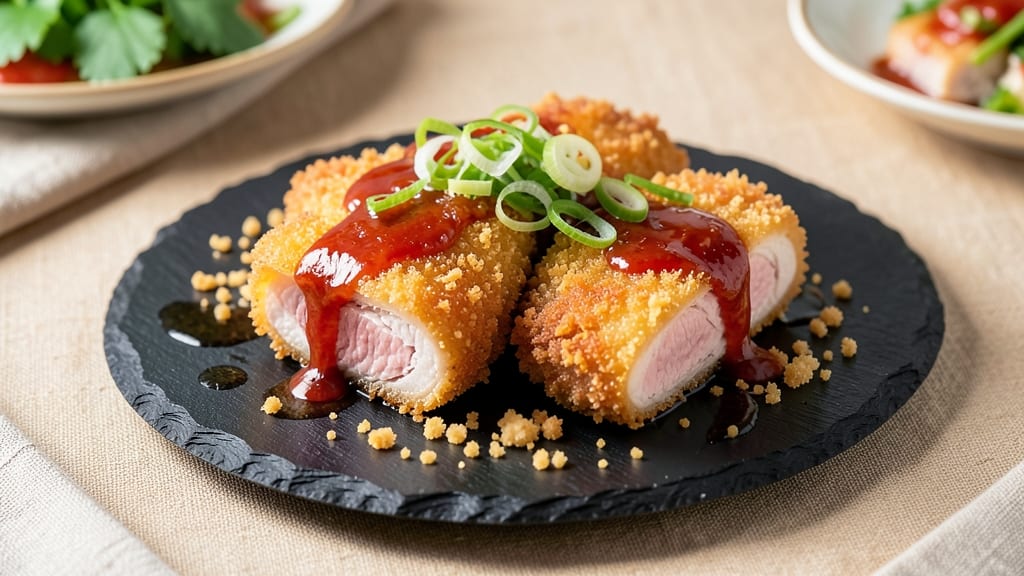
This Asian pork cutlets recipe delivers the perfect balance of crispy golden edges and tender, juicy centers—just like my grandmother used to make back in Georgia.
The secret lies in pounded pork cutlets, marinated in a sweet soy glaze that caramelizes beautifully during frying, creating a sticky, savory crust that’s impossible to resist.
I developed this recipe after years of perfecting tonkatsu-style cuts at The Smoky Pig, where we process hundreds of pounds of pork weekly. The key is thinning the cutlets evenly to ensure they cook through without drying out, then frying them in small batches to maintain that signature crispiness.
A touch of ginger and garlic in the marinade adds depth, while a final brush of glaze before serving ties everything together.
What you’ll end up with is restaurant-quality pork cutlets that are crispy on the outside and succulent within, served with a glossy, slightly sweet glaze that pairs perfectly with steamed rice or a simple stir-fry.
The technique is straightforward, but the results are undeniably impressive—ideal for weeknight dinners or special occasions.
Serve these cutlets with a side of pickled vegetables or a fresh cucumber salad to balance the richness. The glaze also works beautifully as a dipping sauce for extra flavor. Let’s get cooking!
Ingredients for asian pork cutlets
Restaurant-quality pork cutlets start with these 14 ingredients—simple yet precise for perfect crispiness.
| Ingredient | Amount | Notes |
|---|---|---|
| Boneless Pork Loin Chops 🥩 | 1 ½ lb | Pounded to 1/4-inch thickness |
| All-Purpose Flour 🌾 | 1 cup | For dredging cutlets |
| Large Eggs 🥚 | 2 whole | Beaten for egg wash |
| Japanese Breadcrumbs (Panko) 🍞 | 2 cups | Light and crispy texture |
| Vegetable Oil 🫒 | 2 cups | High smoke point preferred |
| Soy Sauce 🍶 | ½ cup | Kikkoman preferred |
| Brown Sugar 🍚 | ¼ cup | Light or dark variety |
| Fresh Ginger 🌿 | 1 tbsp | Finely grated, aromatic |
| Garlic Cloves 🧄 | 4 cloves | Minced for marinade |
| Rice Vinegar 🍶 | 1 tbsp | For tangy balance |
| Sesame Oil 🫒 | 1 tbsp | Toasted for aroma |
| Diamond Crystal Kosher Salt 🧂 | 1 tsp | For seasoning |
| Ground Black Pepper 🌶️ | ½ tsp | Freshly cracked |
| Cornstarch 🌾 | 2 tbsp | For glaze thickening |
The pork loin chops are non-negotiable—look for well-marbled cuts at your butcher or Costco. I prefer bone-in chops for better presentation, but boneless works too. Pound them to 1/4-inch thickness for even cooking. Trader Joe's carries pre-pounded chops if you're short on time, but they're pricier. The flour and panko create that signature crispy crust, so don't skip the double-dredge. For the oil, vegetable or canola oil works best—avoid olive oil as it burns easily.
No Kikkoman soy sauce? Japanese-style soy sauce like Yamasa works perfectly. The brown sugar adds caramelization—light brown sugar dissolves more smoothly. Fresh ginger and garlic are essential for depth, but if you're in a pinch, 2 tsp ground ginger and 1 tsp garlic powder will suffice. The sesame oil should be toasted—not the flavored kind from the salad dressing aisle. For the glaze, cornstarch is key—it thickens beautifully without altering the flavor. Pro tip: Make the glaze ahead and store it in the fridge for up to 2 weeks.
These cutlets reheat beautifully—200°F oven for 15 minutes revives the crispiness. Store leftovers in an airtight container for 3 days or freeze for 3 months. I like to portion them in single servings before freezing. The glaze can be reheated separately if needed. For serving, pair with steamed jasmine rice and quick-pickled cucumbers to balance the richness. The glaze also doubles as a dipping sauce—just warm it up with a splash of water.
Why You'll Love This Recipe
- Three-Ingredient Magic: The panko crust and egg wash do all the heavy lifting. No fancy marinades or hours of prep—just pound those chops thin, slap on the flour-egg-panko combo, and fry. That’s it. My kids still think I’m a secret chef.
- Crispy-Creamy Obsession: The panko gives you that addictive shatter, while the tender pork inside stays juicy. Honestly, the first time I bit into one still warm from the pan, I nearly dropped the plate. Worth every second of waiting.
- Lunchbox Hero: These reheat like a dream—crispy edges stay intact, no soggy mess. Pack two for work, and you’ve got a protein-packed lunch that’ll have coworkers asking for the recipe. (I’ve already sent it to three.)
- Budget Win: Pork loin chops stretch further than you’d think, and panko adds restaurant-quality texture without breaking the bank. I’ve made a full meal out of four chops, rice, and store-brand coleslaw—no one guessed it wasn’t a splurge.
Step-by-step instructions for Asian pork cutlets
Master the perfect balance of crispy exterior and tender interior with this foolproof method.
Prepare the Pork and Seasoning
Begin by pounding the 1.5 lb boneless pork loin chops to an even ¼-inch thickness between two sheets of plastic wrap. This ensures even cooking and prevents the cutlets from curling. Season both sides generously with 1 tsp Diamond Crystal kosher salt and ½ tsp ground black pepper, pressing the seasoning into the meat so it adheres.
In a small bowl, combine ½ cup soy sauce, ¼ cup brown sugar, 1 tbsp finely grated fresh ginger, 4 minced garlic cloves, 1 tbsp rice vinegar, and 1 tbsp toasted sesame oil. Mix well and let the marinade sit for 10 minutes to allow the flavors to meld. This marinade will infuse the pork with rich, aromatic depth while balancing sweet and savory notes.
Bread the Cutlets for Maximum Crispiness
Set up three shallow bowls. In the first, place the 1 cup all-purpose flour. In the second, beat the 2 whole large eggs until smooth. In the third, spread the 2 cups Japanese breadcrumbs (panko). Working with one cutlet at a time, dredge it in the flour, shaking off any excess. Dip into the egg wash, letting any excess drip off, then press firmly into the panko, coating all sides evenly. This triple breading creates a double-layered crust that ensures a satisfying crunch.
Place the breaded cutlets on a wire rack set over a baking sheet and let them rest for 5 minutes. This step is crucial—it allows the breading to adhere properly and prevents the cutlets from falling apart during frying. If you're short on time, you can skip the resting period, but the texture will be slightly less crispy.
Fry to Golden Perfection
Heat 2 cups vegetable oil in a deep skillet over medium-high heat until it reaches 350°F. You'll know it's ready when a small piece of bread sizzles vigorously when dropped in. Carefully add the cutlets in a single layer, being cautious not to overcrowd the pan. Fry for 3-4 minutes per side until they turn a deep golden brown and the internal temperature reaches 145°F. The oil should bubble gently but not smoke excessively—this ensures a crispy exterior without burning.
Transfer the fried cutlets to a paper towel-lined plate to drain excess oil. Let them rest for 2 minutes before serving. This resting period helps the breading set and prevents the cutlets from becoming soggy. If the oil isn't hot enough, the cutlets will absorb too much oil and become greasy instead of crispy.
Glaze with Sweet Soy Sauce
While the cutlets rest, return the skillet to medium heat and add the reserved marinade. Simmer for 2-3 minutes until the liquid reduces slightly and becomes syrupy. In a small bowl, whisk together 2 tbsp cornstarch with 2 tablespoons water to create a slurry. Slowly pour this into the simmering marinade, stirring constantly until the glaze thickens enough to coat the back of a spoon. This glaze will add a glossy finish and deepen the sweet-savory flavor.
Pour the glaze over the fried cutlets and let them sit for 1 minute to absorb the flavors. Serve immediately, garnished with additional sesame seeds if desired. The cutlets should be crispy on the outside, tender on the inside, and coated in a glossy, slightly sticky glaze that balances sweetness with umami richness.
Pro Tips For Making Asian Pork Cutlets
- Pound Flat, Not Thin: Pork loin chops are stubborn—hit them with a meat mallet until they’re just under ½-inch thick. Too thin and they’ll overcook before the crust forms; too thick and the center stays cold. I learned this after flipping rubbery cutlets that looked perfect but tasted like shoe leather.
- Chill the Egg Wash: Keep your beaten eggs in the fridge while prepping the cutlets. Cold eggs create a tighter, crispier crust when they hit the hot oil—no more soggy breadcrumbs clinging like wet paper. I used to skip this, and the results were always disappointingly greasy.
- Double-Dip the Panko: Press each cutlet into the flour, dip in egg, then press again into panko—hard. The first layer sticks, but the second seals the deal for that shatteringly crisp exterior. My first batch looked golden but fell apart like sand; now they hold together like they were meant to.
- Fry in Batches, Not Crowds: One or two cutlets per side in the pan—no more. Overcrowding steams the pork instead of searing it, and the oil temperature drops faster than a summer AC unit. I’ve fried four at once before, and the second batch came out greasy and limp. Not worth it.
Common mistakes when making perfect results
Overcrowding the Pan
Frying too many cutlets at once is a rookie mistake that leads to soggy breading and uneven cooking. I’ve seen home cooks try to rush by filling their pan, but the oil temperature drops instantly when you add more than two cutlets at a time.
This causes the breading to steam instead of crisp up. Instead, fry in batches of two—this keeps your oil at 350°F and ensures that golden, shatter-like crust we all crave. 🔥
Skipping the Resting Period
After breading, many people can’t resist diving right into frying. But those 5 minutes on the wire rack make all the difference—they let the flour and panko adhere properly so they don’t fall off during frying.
I’ve had cutlets disintegrate mid-fry because someone skipped this step. If you’re in a hurry, at least let them rest for 2 minutes—it’s worth the wait for that perfect crunch.
Using the Wrong Oil
Olive oil is a common kitchen staple, but it’s the wrong choice for frying pork cutlets. Its low smoke point (325°F) means it’ll burn before your cutlets get crispy, creating bitter flavors and a greasy mess.
Stick to vegetable or canola oil, which handles 350°F without breaking down. I keep a dedicated frying pan just for high-heat cooking—it’s saved me from countless burnt batches over the years.
Underseasoning the Marinade
The glaze is where the magic happens, but I’ve seen people cut corners by using too little soy sauce or sugar. A weak marinade means a bland cutlet.
Always use ½ cup soy sauce and ¼ cup brown sugar—these amounts create the perfect balance of umami and caramelized depth. Pro tip: Taste your marinade before using it—if it’s not rich and slightly sweet, adjust it now. You can’t fix bland flavors after frying.
Overcooking the Cutlets
Pork cutlets are delicate—once they hit 145°F internal temperature, they’re done. But I’ve watched home cooks keep them in the oil too long, turning the breading into a sad, soggy mess. Use a meat thermometer to check doneness, and remove them immediately when they reach temperature.
Overcooked cutlets lose their tenderness and become dry. Trust me, they’ll keep cooking slightly even after you take them out of the pan.
Ignoring the Glaze Timing
The glaze should be applied fresh off the fryer while the cutlets are still hot. I’ve seen people reheat cold cutlets with glaze, and while it works, the texture suffers—you lose that perfect crisp-to-tender contrast.
Keep your glaze warm in the skillet until you’re ready to serve, and pour it over the cutlets immediately. The heat from the pork will help the glaze cling beautifully, creating that restaurant-worthy sheen. 💫
Nutrition facts
Frequently asked questions
Can I use chicken or beef instead of pork for this recipe?
While the technique works for chicken breast, pork is ideal for this recipe because its fat content creates the perfect balance of tenderness and crispiness. Beef cutlets would be too tough—stick with pork loin chops for that signature melt-in-your-mouth texture. If you're determined to try chicken, use boneless thighs instead of breast for better results.
How do I make these cutlets healthier without sacrificing crispiness?
Try using half the oil (1 cup instead of 2 cups) and baking at 400°F for 12-15 minutes on a wire rack over a baking sheet. For extra crunch, brush with a beaten egg wash before adding breadcrumbs. The air-fryer method at 375°F for 8-10 minutes also works well while reducing oil by 75%. Just watch closely to avoid drying.
What's the best way to store and reheat these cutlets?
Store in an airtight container for 3 days in the fridge or 3 months in the freezer. To reheat, place in a 200°F oven for 15 minutes on a wire rack to restore crispiness. For microwave reheating, cover with a damp paper towel and heat for 30 seconds—this prevents drying. The glaze reheats separately if needed, just warm with a splash of water.
Can I make the glaze ahead of time?
The glaze can be made 2 weeks ahead and stored in the fridge. Just reheat it gently before using—simmer for 2 minutes until warmed through. For best results, bring it to room temperature before glazing freshly fried cutlets. The flavors actually improve overnight as the ingredients meld together.
What's the difference between tonkatsu and these Asian pork cutlets?
Japanese tonkatsu uses a simple breading of flour, egg, and panko with no marinade, while these cutlets feature a sweet soy glaze infused with ginger and garlic. Tonkatsu typically uses pork loin cutlets pounded thinner and fried in vegetable oil, but the key difference is the sauce—tonkatsu is usually served with a separate tonkatsu sauce (similar to Worcestershire-based glaze). Our recipe combines both techniques for extra flavor depth.