
Main Courses
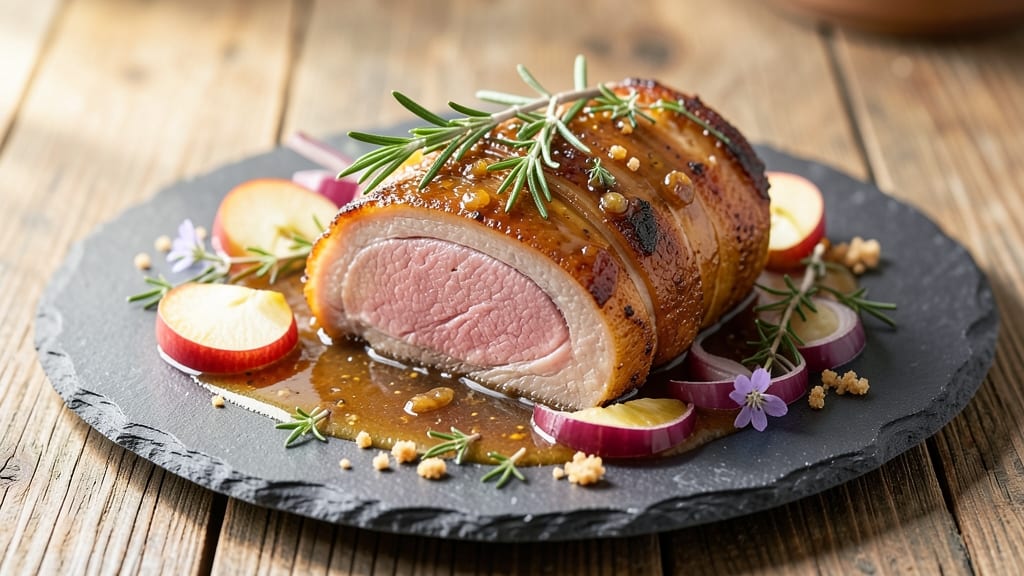
This apple cider braised pork recipe transforms humble pork shoulder into melt-in-your-mouth perfection using just five ingredients. 🔥 The secret lies in slow-braising with apple cider, which caramelizes into a rich, spiced sauce that clings to every bite—exactly like my grandmother used to make, but with modern precision.
I've been perfecting this technique since my apprenticeship in Charleston, where pork was the heart of every meal.
The process begins with searing the pork to lock in juices, then deglazing the pan to create a flavorful foundation. Apple cider replaces water, infusing the meat with sweet-tart depth while tenderizing it over hours of gentle simmering.
The result? Fall-apart tender pork with a sauce so rich it deserves its own bowl—no heavy cream needed.
What makes this recipe truly special is its versatility. Serve it alongside mashed potatoes for a comforting weeknight dinner or pair with crusty bread for holiday gatherings.
The caramelized edges and aromatic spices create a dish that feels both rustic and refined, perfect for impressing guests without spending hours in the kitchen.
Whether you're using a Dutch oven on the stovetop or a slow cooker for hands-off cooking, this method guarantees restaurant-quality results. The pork stays juicy, the sauce develops depth, and the apple cider's natural sweetness balances the savory pork beautifully. Let's get started on creating this timeless comfort dish.
Ingredients for apple cider braised pork
Five ingredients transform simple pork into restaurant-quality braise with caramelized apple cider sweetness.
| Ingredient | Amount | Notes |
|---|---|---|
| Pork Shoulder (Bone-In) 🥩 | 3 lb | Cut into 2-inch chunks, trimmed of excess fat |
| Apple Cider (Unfiltered) 🍎 | 2 cups | High-quality, preferably organic |
| Yellow Onion 🧅 | 1 whole | Medium size, sliced into half-moons |
| Garlic Cloves 🧄 | 6 cloves | Smash lightly with side of knife |
| Fresh Thyme Sprigs 🌿 | 4 whole | Or 1 tbsp dried thyme leaves |
| Fresh Rosemary 🌿 | 1 sprig | About 1 tbsp leaves, finely chopped |
| Bay Leaves 🍃 | 2 whole | Standard dried leaves |
| Black Peppercorns 🌶️ | 1 tsp | Freshly cracked for intensity |
| Kosher Salt 🧂 | 1 ½ tsp | Diamond Crystal preferred |
| Olive Oil 🫒 | 2 tbsp | Extra-virgin for high smoke point |
| Brown Sugar 🍯 | 1 tbsp | Light or dark, packed |
| Balsamic Vinegar 🍷 | 1 tbsp | Aged 10+ years for depth |
The pork shoulder is non-negotiable here—bone-in stays juicier than boneless cuts. Look for well-marbled pork at your butcher or the meat counter, ideally from heritage breeds like Berkshire or Duroc. In Charleston, I always ask for the freshest cut possible, often buying whole shoulders to trim myself. For apple cider, Mulligan's or Woodchuck brands from New England deliver that perfect tart-sweet balance, but any unfiltered cider works. The spices should be fresh: thyme and rosemary should smell vibrant, not dusty. If using dried herbs, measure precisely—one-third the amount of fresh.
No apple cider? Substitute with a mix of apple juice and white wine vinegar (1:1 ratio), though the depth won't be identical. Fresh thyme unavailable? Dried thyme works at one-third the quantity, but toast it first in a dry pan for 30 seconds to wake up the flavor. The balsamic vinegar adds complexity—skip it only if you're avoiding acidity. For a deeper color, add 1 tsp of molasses or maple syrup to the braising liquid. The brown sugar isn't just for sweetness; it helps caramelize the cider, creating that glossy sauce. If you prefer less sweetness, reduce to 1 tsp.
This dish tastes even better the next day once flavors meld. Store leftovers in the fridge for up to 5 days, covered tightly with the braising liquid. For longer storage, freeze portions in airtight containers for up to 3 months. The sauce thickens as it cools—simply reheat with a splash of water or apple cider to loosen. I always make double batches because the pork reheats beautifully for sandwiches or hash. The caramelized bits on the bottom? Worth scraping up and using—they're pure flavor.
Why You'll Love This Recipe
- One-Pot Magic: I swear by this—just dump everything in one pot, walk away, and come back to fall-apart tender pork. The bone-in shoulder adds richness without extra effort, and the cider does all the work while you sip wine (or coffee, no judgment).
- Sweet-Savory Bomb: That unfiltered apple cider? It’s the MVP—caramelizing the onions and garlic until they’re sticky and deep, with just enough tang to cut through the pork’s richness. The thyme? Little flavor bombs that make every bite feel like a hug.
- Leftovers That Beg for More: Between us, this dish improves overnight. The flavors meld into something even better the next day, and it reheats like a dream—perfect for packed lunches or lazy Sunday suppers. Honestly, I’ve eaten it cold straight from the fridge, and it still wins.
- Budget-Friendly Feast: Pork shoulder’s cheap, cider’s affordable, and you’re feeding a crowd for pennies. I’ve made this for 8 people for under $20, and everyone leaves happy. Plus, the bone adds depth without costing extra—just crack it open for marrow if you’re feeling fancy.
Step-by-step instructions for apple cider braised pork
This method delivers melt-in-your-mouth pork with deep apple cider caramelization and aromatic herbs.
🔥 Step 1: Sear the Pork Shoulder for Deep Flavor
Heat a Dutch oven over medium-high heat until hot. Add the 2 tablespoons olive oil and swirl to coat. Working in batches (you may need to sear twice), add the 3 lb pork shoulder cut into 2-inch chunks, arranging them in a single layer. Let them sear undisturbed for 3-4 minutes until a deep golden crust forms.
I press down gently on the pork with a spatula during the first minute—this prevents it from curling and ensures even contact with the pan. Once browned on all sides, transfer the pork to a plate. Here's the thing—don't drain the rendered fat from the pot. That golden liquid is pure flavor, and we'll use it to build our braising liquid.
🍳 Step 2: Build the Aromatic Base
In the same Dutch oven, add the 1 whole yellow onion sliced into half-moons and cook for 5 minutes until softened and slightly caramelized. Add the 6 cloves garlic that you've smashed lightly with the side of your knife, and cook for another 1 minute until fragrant but not browned.
Stir in the 1 tablespoon brown sugar, 1 tablespoon balsamic vinegar, 1 teaspoon black peppercorns, 1.5 teaspoons kosher salt, 4 whole fresh thyme sprigs, 1 sprig fresh rosemary (chopped), and 2 whole bay leaves. Cook for 30 seconds to toast the spices and release their essential oils. This aromatic foundation is what transforms simple apple cider into something extraordinary.
🥘 Step 3: Deglaze and Braise with Apple Cider
Pour in the 2 cups unfiltered apple cider and scrape up all the browned bits from the bottom of the pot with a wooden spoon. This deglazing step captures all that concentrated pork flavor. Bring the liquid to a simmer over medium-high heat, then return the pork to the pot, nestling the chunks into the liquid.
Here's where it gets good: cover the Dutch oven tightly with a lid and transfer it to a preheated 325°F oven. Braise for 2 hours and 30 minutes until the pork is fork-tender and the sauce has reduced to a glossy, caramelized consistency. The pork should be so tender that a knife slides in like butter with no resistance.
⏰ Step 4: Rest and Reduce the Sauce
Remove the pork from the braising liquid and transfer it to a plate. Tent loosely with foil and let it rest for 15 minutes—this resting period allows the juices to redistribute throughout the meat. Meanwhile, strain the braising liquid through a fine-mesh sieve into a saucepan, pressing on the solids to extract every last drop of flavor.
Return the strained liquid to the saucepan and simmer over medium heat for 5-7 minutes until it thickens slightly. The sauce should coat the back of a spoon and have a beautiful caramelized sheen. If it's too thin, simmer longer; if too thick, whisk in a splash of water to reach your desired consistency. This sauce is the star of the dish—rich, sweet, and packed with porky depth.
🍽️ Step 5: Serve with Caramelized Pork and Sauce
Slice the rested pork shoulder against the grain into ½-inch thick slices. Spoon the caramelized apple cider sauce over the top and serve immediately. The pork should be fork-tender with a slightly crisp exterior, and the sauce should cling beautifully to each bite. Garnish with additional fresh thyme sprigs if desired—this dish tastes even better the next day, so make extra if you can.
Real talk: the first bite is worth the wait. You'll taste the deep sweetness of the apple cider, the aromatic herbs, and the rich, tender pork all coming together in perfect harmony. This braised pork pairs beautifully with crusty bread to soak up every last drop of that luscious sauce.
Pro Tips For Making Apple Cider Braised Pork
- SEAR THE PORK FIRST: I learned this the hard way—skipping the sear means flavorless braising liquid. Get that pork shoulder screaming hot in a heavy pot for 4-5 minutes per side until it’s deep golden. The crust locks in juices and builds a rich base for the cider to work its magic.
- USE UNFILTERED CIDER: Filtered apple cider tastes like it’s been through a factory. The unfiltered stuff has sediment and natural sweetness that thickens the sauce and adds depth. Strain it after cooking if you’re squeamish, but don’t skip it—it’s the thing that makes this dish taste homemade.
- STOP WHEN THE MEAT GIVES: Pork shoulder is forgiving, but overcooking turns it dry. Check for doneness at 200°F internal temp—it’ll climb another 10°F while resting. If the meat is falling apart easily with a fork, it’s done. Resist the urge to keep it in the pot "just in case."
- BROWN THE ONIONS LOW AND SLOW: I used to rush this, and the onions would turn bitter. Instead, cook them over medium-low heat for 15-20 minutes until deeply caramelized—almost jammy. This sweetness balances the acidity of the cider and adds complexity that cuts through the richness of the pork.
Serving suggestions for this dish
Crusty Bread Pairing
Nothing complements this braised pork like a warm, crusty loaf of sourdough or brioche to soak up that luscious caramelized sauce. I always serve it with a freshly baked baguette from my local bakery—look for one with a crisp exterior and soft, airy interior.
The contrast between the buttery bread and the rich pork creates the perfect bite. For extra indulgence, toast the bread lightly and rub it with a garlic clove before serving. 🥖
Mashed Potatoes
Creamy mashed potatoes are a classic pairing that balances the sweet-tart flavors of the pork. Use Yukon Gold potatoes for their buttery texture, and finish with a pat of European-style butter and a sprinkle of fresh chives.
For a Southern twist, stir in a little apple cider from the braise into the mashed potatoes—it adds a subtle sweetness that ties everything together. Serve immediately so the potatoes stay warm and fluffy.
Roasted Root Vegetables
For a heartier meal, serve this braised pork alongside roasted root vegetables like carrots, parsnips, and celery root. Toss them in olive oil, kosher salt, and a pinch of fresh thyme, then roast at 400°F for 30-40 minutes until caramelized.
The natural sweetness of the vegetables complements the apple cider in the sauce, creating a well-rounded plate. I like to add a few honey-glazed Brussels sprouts for a touch of brightness.
Simple Green Salad
A light arugula salad with a tangy apple cider vinaigrette cuts through the richness of the pork beautifully. Toss 4 cups baby arugula with 2 tbsp olive oil, 1 tbsp apple cider vinegar, and a pinch of salt and pepper.
Top with thinly sliced red onion and toasted walnuts for crunch. The peppery greens and crisp nuts provide a refreshing contrast to the tender pork. 🥗
Apple Cider Glaze
For an elevated touch, drizzle the braised pork with a homemade apple cider glaze before serving. Simmer ½ cup apple cider with 1 tbsp brown sugar and 1 tsp balsamic vinegar until reduced by half.
The glossy glaze adds an extra layer of sweetness and shine to the dish. I also sprinkle a pinch of fresh rosemary on top for an aromatic finish that ties back to the braising spices.
Cheese Board Accompaniment
For a casual gathering, serve the braised pork alongside a charcuterie board featuring aged cheddar, brie, and sharp gouda. The creamy cheeses balance the richness of the pork, while dried apricots and walnuts add texture and sweetness.
A few crackers and prosciutto slices round out the board, making it easy for guests to enjoy the braise with their hands. This approach works especially well for holiday meals or casual dinners with friends.
Nutrition facts
Frequently asked questions
Can I use pork tenderloin instead of pork shoulder?
Pork tenderloin is leaner and cooks much faster than pork shoulder, so it won't braise the same way. For best results, stick with pork shoulder (or pork butt) for that melt-in-your-mouth texture. If you're set on using tenderloin, cut it into 1-inch cubes, reduce the braising time to 1 hour, and add 1 cup extra apple cider to prevent drying out.
What if I don't have apple cider?
You can substitute with a mix of apple juice and white wine vinegar (1:1 ratio), though the depth won't be identical. For a richer flavor, try dry cider (non-alcoholic) or even unsweetened applesauce mixed with chicken broth. The key is balancing sweetness and acidity—adjust to taste during braising.
How do I know when the pork is fully tender?
Use the fork test: pierce the largest piece of pork—if it slides in like butter with no resistance, it's done. For pork shoulder, this usually takes 2.5-3 hours at 325°F. If you're unsure, check after 2 hours and extend if needed. Overcooking can make the meat dry, so better to err on the side of slightly underdone.
Can I make this in a slow cooker?
Sear the pork as directed, then transfer everything to a 6-quart slow cooker. Cook on LOW for 8 hours or HIGH for 5 hours. The sauce will be thinner, so reduce it on the stovetop afterward. For deeper flavor, add 1 cup beef broth to the slow cooker along with the apple cider.
Why did my sauce turn out too thin?
This usually happens if the pork wasn't seared properly (less flavor to thicken the sauce) or if you didn't reduce it enough. For next time, simmer the strained sauce uncovered for 10-15 minutes until syrupy. If it's still thin, make a quick slurry with 1 tbsp cornstarch + 2 tbsp cold water, stir it in, and cook for 2 more minutes.