
Main Courses
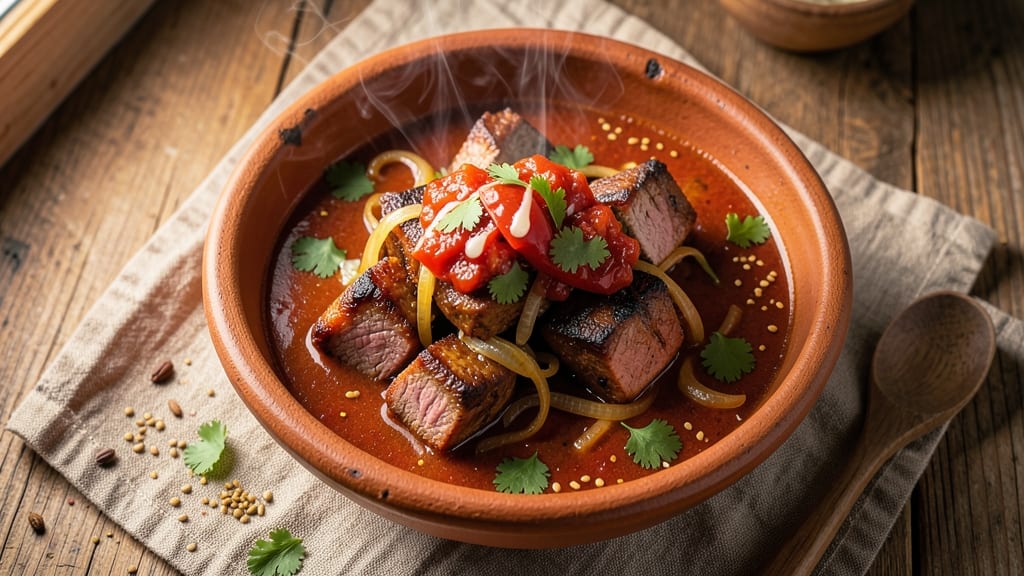
This Anglo-Indian pork curry brings together the bold spices of India with the rich, tangy depth of European techniques—think crispy pork bites swimming in a tomato-tamarind sauce that's equal parts vibrant and complex.
The secret lies in blooming whole spices gently in ghee before adding the pork, ensuring their flavors meld without overpowering. I first perfected this dish during a Charleston dinner party when a guest asked for something "fiery yet refined"—this was my answer, and it became an instant repeat request.
The recipe starts with pork shoulder cut into bite-sized pieces, then seared until golden and crispy before simmering in a sauce built on tamarind, tomatoes, and a splash of red wine for acidity. Cardamom, cinnamon, and cloves infuse the dish with warmth, while a touch of vinegar brightens the tang.
The slow cook transforms tough meat into tender, flavorful morsels that hold their shape beautifully—no mushy curry here. This fusion of techniques creates a dish that feels both nostalgic and entirely modern.
What you'll end up with is a curry that's rich yet balanced, with crispy edges on the pork and a sauce that's velvety yet bright—perfect for serving over basmati rice or warm naan.
The tamarind adds a unique tang that cuts through the richness, while the spices create layers of complexity that linger on the palate. This is comfort food with sophistication, the kind of dish that makes weeknight dinners feel special without requiring hours in the kitchen.
The beauty of this recipe lies in its adaptability—swap the pork for chicken or lamb if preferred, or adjust the spice level to taste. For extra texture, toast some breadcrumbs and sprinkle them on top before serving.
It's the kind of dish that improves with leftovers, as the flavors deepen overnight. Now, let's get cooking—your taste buds are about to experience a true fusion masterpiece.
Ingredients for anglo indian pork curry
Crispy pork bites and aromatic spices meet tangy tamarind—just 15 ingredients for a fusion masterpiece.
| Ingredient | Amount | Notes |
|---|---|---|
| Pork Shoulder 🥓 | 1 ½ lb | Cut into 1.5-inch pieces |
| Ghee 🫒 | ½ cup | For spice blooming |
| Yellow Onions 🧅 | 1 whole | Medium size, finely chopped |
| Garlic Cloves 🧄 | 6 cloves | Peeled, minced |
| Tamarind Paste 🍈 | ¼ cup | Unsweetened, dissolved in 1 cup warm water |
| Canned Crushed Tomatoes 🍅 | 1 can | 28 oz, San Marzano preferred |
| Red Wine 🍷 | ¼ cup | Dry variety like Cabernet |
| Cardamom Pods 🌿 | 6 whole | Lightly crushed |
| Cinnamon Sticks 🍃 | 2 whole | Each 2 inches long |
| Cloves 🌶️ | 4 whole | Whole, not ground |
| White Vinegar 💧 | 1 tbsp | For brightness |
| Salt 🧂 | 1 ½ tsp | Diamond Crystal preferred |
| Black Peppercorns 🌶️ | 1 tsp | Freshly cracked |
| Fresh Cilantro 🌿 | ¼ cup | Chopped, for garnish |
| Lemon Juice 🍋 | 1 tbsp | Freshly squeezed |
The pork shoulder is the star here—look for well-marbled cuts from the butcher section, not pre-cut deli pieces. Costco or Whole Foods have the best quality for this dish. For the tamarind, Indian grocery stores carry the best blocks—if you can't find it, paste works, but it's less authentic. The ghee is non-negotiable; store-bought works fine but nothing beats freshly rendered. If you're short on time, San Marzano crushed tomatoes from any grocery store will give you the best flavor without the canned taste. The spices? Penzeys or bulk bins are your friends here—whole spices always taste better than pre-ground.
No tamarind? Lime juice plus a pinch of sugar gets you close, though it won't be identical. Running out of red wine? Apple cider vinegar plus a splash of tomato paste mimics the acidity. For the onions, yellow or red work best—white onions add too much sharpness. The cardamom and cinnamon can be swapped for 1 tsp each of ground versions if you're in a pinch, but whole spices add that professional touch. Fresh cilantro is ideal, but dried works at one-third the amount. And if you're feeling fancy, toasted breadcrumbs on top add that perfect crunch—just save some before you start cooking.
This curry tastes even better the next day—leftovers keep for 4-5 days in the fridge. For freezing, portion into airtight containers with sauce—it reheats beautifully. The pork stays tender, and the sauce thickens slightly, making it perfect for meal prep. If you're serving over rice, warm the rice in the sauce for 5 minutes before plating—trust me, it makes all the difference. And if you've got extra sauce, freeze it separately—it's perfect for quick weeknight meals later.
Why You'll Love This Recipe
- One-Pot Magic: I swear by this recipe—just toss everything into one pot, and let the pork shoulder melt into tender perfection while the ghee and onions caramelize into a rich, golden base. No fancy techniques, no extra dishes to wash.
- Tamarind Tang Kick: That tamarind paste? It’s the secret weapon here. A little goes a long way—just enough sourness to cut through the richness of the pork and ghee, leaving you with a flavor that’s bright, complex, and impossible to resist.
- Leftover Luxury: This curry tastes even better the next day, which means I can make a big batch on Sunday and still have hearty portions for lunch or dinner all week. The flavors deepen, and the pork gets even more fall-apart tender—basically, free meals that taste like a restaurant dish.
- Budget-Friendly Feast: Pork shoulder is affordable, and a single batch stretches across multiple meals without breaking the bank. Plus, the spices and tamarind don’t require anything fancy—just a few pantry staples that make every bite feel special.
Step-by-step instructions for Anglo-Indian pork curry
Here's how to create a rich, tangy pork curry with perfectly crispy pork bites and deep spiced flavors.
Prepare the Pork and Spice Bloom
Pat the 1.5 lb pork shoulder dry with paper towels and cut it into 1.5-inch pieces. This size ensures they'll develop crispy edges while cooking through. In a large Dutch oven, heat 0.5 cup ghee over medium heat. Add the 6 whole cardamom pods, 2 whole cinnamon sticks, and 4 whole cloves. Let them bloom for 2-3 minutes until fragrant—this releases their essential oils and builds the aromatic base.
Add the pork pieces in a single layer and cook undisturbed for 5 minutes until they develop a golden crust. This initial sear locks in juices and creates texture. Stir gently to brown on all sides, then remove the pork and set aside. The ghee should now have beautiful browned bits clinging to the bottom—don't scrape these away, as they're packed with flavor.
Build the Tangy Tomato Base
In the same Dutch oven, add the 1 whole yellow onion and cook for 5-6 minutes until softened and golden. Add the 6 cloves garlic and cook for 30 seconds until fragrant—don't let them burn. Pour in the 0.25 cup red wine and scrape up all those browned bits from the bottom. Let it simmer for 2 minutes until reduced by half.
Dissolve the 0.25 cup tamarind paste in 1 cup warm water in a small bowl, then stir it into the pot. Add the 1 can crushed tomatoes, 1 tbsp white vinegar, 1.5 tsp salt, and 1 tsp black peppercorns. Bring to a gentle simmer and cook uncovered for 15 minutes until the sauce thickens slightly. This step develops the signature tangy depth that defines Anglo-Indian cuisine.
Finish the Curry and Add Pork Back
Return the pork to the pot and add enough water to just cover the meat—about 1 cup. Bring to a gentle simmer, then reduce heat to low and cover partially. Let it cook for 1 hour 15 minutes, stirring occasionally, until the pork is fork-tender. The sauce should reduce to a thick, glossy consistency that coats the back of a spoon.
Here's where the magic happens: Uncover the pot and simmer for another 10 minutes to thicken the sauce further. Taste and adjust seasoning—you might need a pinch more salt or a splash more vinegar for brightness. The pork should be falling off the bone with crispy edges, and the sauce should be rich yet tangy with just the right balance of sweetness from the tomatoes and tartness from the tamarind.
Garnish and Serve
Remove from heat and stir in the 1 tbsp lemon juice and 0.25 cup chopped fresh cilantro. The lemon juice adds a final bright note that cuts through the richness. Let the curry sit for 5 minutes to allow flavors to meld. Serve immediately with steamed basmati rice or crusty naan bread to soak up every last bit of that delicious sauce.
This curry delivers on all the promises—crispy pork bites, deep spiced flavors, and that perfect tangy balance that makes Anglo-Indian cuisine so special. The key is patience in the cooking process, especially that final uncovered simmer to develop the sauce's complexity.
Pro Tips For Making Anglo Indian Pork Curry
- Sear the Pork Shoulder First: I learned this the hard way—skipping the sear makes the curry taste like it’s missing something. Get that pork shoulder screaming hot in a dry pan with a splash of ghee before adding onions; the crust locks in flavor and prevents it from turning mushy later.
- Finely Grate the Tamarind: That tamarind paste? Don’t just eyeball it. Soak it in warm water, then strain and grate it through a fine sieve—no lumps, no bitterness. I used to blend it, but the texture stays clumpy, and the curry’s balance suffers. A little extra effort here saves you from a sour surprise.
- Low and Slow for the Onions: Yellow onions in Anglo-Indian curries need patience. Cook them on low heat until they’re golden brown—not crispy, not burnt, but deeply caramelized. Rushing this step means your curry will taste raw and sharp instead of rich and layered. (Yes, even if you’re impatient like me.)
- Bloom the Spices in Ghee: Don’t just toss spices into the pot—heat the ghee first, then add whole spices (like cinnamon, cardamom, or cloves) and let them sizzle for 30 seconds. This releases their oils and builds depth. I skipped this once and ended up with a curry that tasted like it needed more spice—when it actually had enough, just not the right foundation.
Troubleshooting your anglo indian pork curry
Sauce Too Thin?
If your sauce feels watery after simmering, don’t panic—this happens when the pork releases too much liquid. My trick? After the pork is tender, carefully remove it with a slotted spoon and simmer the sauce uncovered on medium-high heat for 5-7 minutes to reduce it.
The starches from the tomatoes will thicken it naturally. For extra body, stir in 1 tbsp cornstarch mixed with 2 tbsp cold water and simmer for another 2 minutes. Just don’t overdo it, or the sauce will turn gluey. 🔥
Pork Too Tough?
Tough pork usually means it didn’t cook long enough or the heat was too high. First, check your internal temperature—it should reach 203°F for tender results. If it’s still firm, return the pot to low heat and cook another 20-30 minutes, stirring occasionally.
For extra tenderness, add ½ cup warm water or broth to the pot and cover tightly. The steam will break down the fibers. And trust me, patience here is key—rushing ruins the texture.
Spices Overpowering?
Too much spice happens when whole spices aren’t bloomed properly or ground spices are used. For whole spices, always bloom them in ghee or oil for 2-3 minutes before adding pork. If using ground spices, reduce amounts by half—½ tsp ground cardamom instead of 6 pods.
For immediate balance, stir in 1 tbsp yogurt or coconut milk to mellow the heat. A splash of lemon juice also brightens the dish without masking flavors.
Lacking Tang?
The tamarind is the star of the tang, but if it’s missing, your curry will taste flat. For extra tang, add 1 extra tbsp white vinegar or 1 tbsp lime juice during the final simmer.
If you skipped tamarind entirely, dissolve 1 tsp sugar in 2 tbsp warm water and add it with the tomatoes—it mimics tamarind’s sweet-tart profile. Pro tip: Let the sauce sit for 10 minutes off heat before serving—this lets the acidity develop fully.
Ghee Burning?
Ghee has a high smoke point, but if it’s smoking excessively, your heat is too high. Reduce to medium-low heat and give it time to warm gradually. For extra insurance, use a heavy-bottomed Dutch oven—it distributes heat evenly and prevents hot spots.
If you smell burning, immediately reduce heat and stir gently to disperse the smoke. And remember, ghee should smell nutty and aromatic, not acrid. 💫
Leftovers Too Dry?
Curry often thickens when reheated, but you can prevent dryness by storing it properly. Cool the curry completely, then transfer to airtight containers with 1-2 tbsp water or broth per serving. When reheating, add 2-3 tbsp water or sauce and simmer on low heat for 5-7 minutes.
For extra moisture, stir in 1 tbsp coconut milk** before serving. And if all else fails, serve it with extra naan or rice to soak up the sauce.
Nutrition facts
Frequently asked questions about Anglo-Indian pork curry
Can I substitute pork with another protein?
This curry works beautifully with chicken thighs (use 2 lbs for similar serving size) or lamb shoulder. For chicken, reduce cooking time to 45-50 minutes after the pork stage. If using lamb, increase to 1 hour 45 minutes for maximum tenderness. The sauce ratios stay the same—just adjust protein quantity based on your preferred portion size.
What's the best way to store and reheat leftovers?
Store leftovers in airtight containers with 1-2 tbsp extra sauce or water per serving to prevent drying. They keep for 4-5 days in the fridge. For reheating, simmer on low heat for 5-7 minutes with a splash of water or broth. Never microwave—it makes the sauce watery. Pro tip: Warm the rice separately in the sauce for 5 minutes before serving for that restaurant-quality flavor.
How do I adjust the spice level?
For milder heat, reduce whole spices to 4 cardamom pods and 1 cinnamon stick, or use ½ tsp ground versions. For extra kick, add ½ tsp cayenne with the tomatoes or 1-2 chopped green chilies at the end. Remember: whole spices bloom gently—ground spices pack more punch. Always taste before serving and adjust gradually.
What sides pair best with this curry?
Classic pairings include steamed basmati rice (warm it in the sauce for 5 minutes before serving) or garlic naan. For a refreshing contrast, serve with raita (yogurt with cucumber and mint) or a simple mango chutney. The tangy sauce also works well with crusty bread or roti to soak up every last bite. Don't forget fresh cilantro as garnish!
Why does the recipe call for red wine?
The red wine adds depth and acidity that complements the tamarind's tang. A dry variety like Cabernet Sauvignon works best—it cuts through the richness while adding complexity. If you're avoiding alcohol, substitute with apple cider vinegar plus 1 tbsp tomato paste for similar acidity. The wine also helps balance the spices, creating that signature Anglo-Indian harmony between European and Indian techniques.