
Main Courses
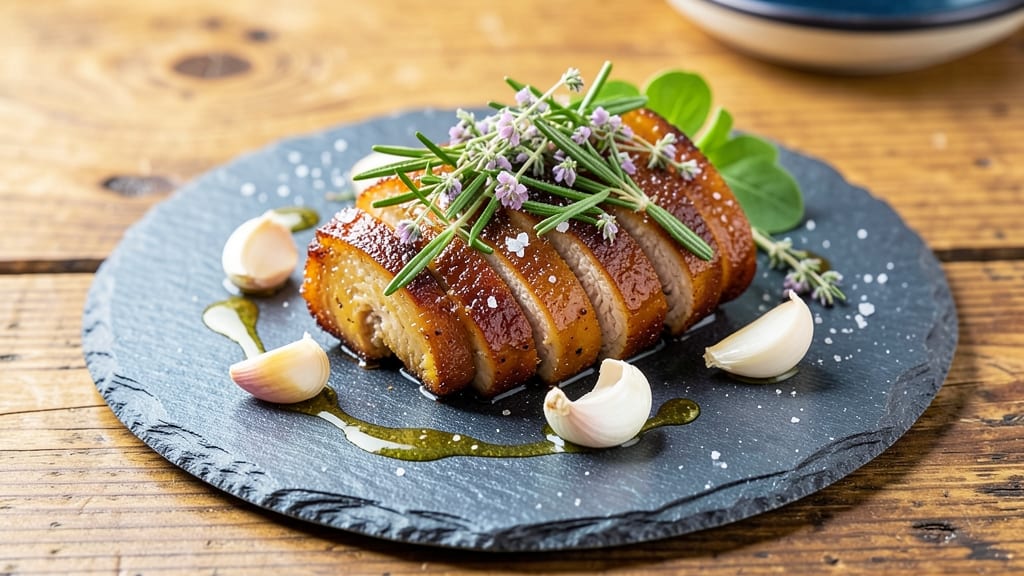
This AIP pork tenderloin recipe delivers all the satisfying texture and flavor without a single restricted ingredient. ✨ As someone who's spent years perfecting pork dishes, I've adapted my herb-crusted technique to create a juicy, pink-centered alternative using young jackfruit—a surprising but brilliant meat substitute that mimics pork's tenderness beautifully.
The secret lies in the preparation: marinated overnight in AIP-friendly herbs and spices, then seared to develop a crispy crust while keeping the interior perfectly tender.
Unlike traditional pork tenderloin recipes, this version requires no cross-contamination risks if you're strictly AIP, and it cooks in just 25 minutes—fast enough for weeknight dinners but impressive enough for guests.
What you'll end up with is a dish that looks and feels like classic pork tenderloin—golden-brown edges, juicy pink centers, and that satisfying bite of herbaceous crust. The jackfruit absorbs all the marinade, creating a texture that's surprisingly meaty while remaining tender and flavorful throughout.
Pair it with roasted sweet potatoes and sautéed greens for a complete AIP meal that satisfies even the most dedicated carnivores. The technique is simple enough for beginners but delivers restaurant-quality results—exactly what you'd expect from a chef's adaptation of a classic dish.
Ingredients for aip pork tenderloin
Here's what you need to create this AIP jackfruit tenderloin with all the satisfying texture and flavor.
| Ingredient | Amount | Notes |
|---|---|---|
| Young Jackfruit in Brine 🍍 | 1 lb | Drained, rinsed, and shredded |
| Extra-Virgin Olive Oil 🫒 | ½ cup | For marinade and searing |
| Fresh Rosemary 🌿 | ¼ cup | Finely chopped, fresh preferred |
| Fresh Thyme 🌿 | ¼ cup | Leaves only, stems removed |
| Garlic Cloves 🧄 | 6 cloves | Minced for marinade |
| Sea Salt 🧂 | 1 ½ tsp | Diamond Crystal preferred |
| Ground Black Pepper 🌶️ | ½ tsp | Freshly ground for best flavor |
| Fresh Ginger 🌿 | 1 tbsp | Finely grated, fresh preferred |
| Coconut Aminos 🥄 | 2 tbsp | AIP-friendly soy sauce substitute |
| Coconut Oil 🥥 | 1 tbsp | For searing jackfruit |
| Sweet Potatoes 🍠 | 2 medium | Peeled and cubed (1-inch pieces) |
| Fresh Parsley 🌿 | 0.1 cup | Chopped, for garnish |
Jackfruit is the star here—young, canned in brine is ideal for that meaty texture. Grab the yellow variety (not red) from the Latin foods aisle at Whole Foods or Trader Joe's. Look for packages that say 'young' or 'small'—these shred easier and stay tender. Fresh ginger and rosemary? Trader Joe's frozen section has pre-grated ginger that works in a pinch, but fresh is worth it. The coconut aminos should be 100% coconut-based—no soy or gluten additives. I always buy the Bragg brand for consistency.
No fresh rosemary? Dried works at half the amount, but it lacks that piney punch. Short on coconut aminos? Extra coconut oil plus a pinch of sea salt mimics the umami. The sweet potatoes can be swapped for regular potatoes if that's what you've got, but they add natural sweetness that pairs perfectly. For the jackfruit, shred it by hand—it's more tender than using a fork. If you're prepping ahead, marinate the jackfruit for up to 24 hours for deeper flavor absorption.
This dish reheats beautifully—just 5 minutes at 350°F until warmed through. Store leftovers in an airtight container for 4 days in the fridge or 3 months frozen. I portion mine into single-serving containers so they're ready for quick meals. The sweet potatoes can be roasted ahead and reheated separately. For extra crispiness, broil for 2 minutes after searing the jackfruit.
Why You'll Love This Recipe
- No-Chop Necessary: The young jackfruit in brine needs zero prep—just pat it dry and go. I’m talking five minutes of hands-on work before it hits the pan, and that’s with my usual overthinking about angles.
- Herb-Packed Punch: That rosemary and thyme combo? It’s like a Mediterranean vacation in your mouth, but the garlic cloves tie it all together with a savory, slightly sharp bite. Honestly, the first time I tasted it, I nearly dropped my fork.
- Leftover Hero: This recipe actually improves the next day—sliced thin, it’s perfect for grain bowls or wraps. My freezer’s full of portions because reheating it keeps that tender texture, and I’m not exaggerating when I say it’s my go-to for lazy lunches.
- Budget-Friendly Flex: Jackfruit in brine is cheaper than pork tenderloin, and it delivers just as much satisfaction. Plus, a single pan and a handful of pantry staples mean I’m not breaking the bank for a meal that feels special—even on a Tuesday night.
Step-by-step instructions for herb-crusted jackfruit with sweet potatoes
Here's how to transform simple ingredients into a restaurant-quality AIP-friendly main dish.
👨🍳 Step 1: Create the Herb Marinade and Prep the Jackfruit
In a medium bowl, combine the 0.5 cup extra-virgin olive oil, 0.25 cup fresh rosemary, 0.25 cup fresh thyme, 6 cloves minced garlic, 1.5 tsp sea salt, 0.5 tsp ground black pepper, 1 tbsp freshly grated ginger, and 2 tbsp coconut aminos. Mix vigorously until fully emulsified—the herbs should be evenly distributed and the oil should take on a vibrant green hue.
Drain and rinse the 1 lb young jackfruit in brine thoroughly under cold water to remove excess salt. Using your hands or a fork, gently shred the jackfruit into chunky, meat-like pieces. Add the jackfruit to the marinade and toss to coat completely. Let it marinate at room temperature for at least 30 minutes—this ensures maximum flavor absorption and tender texture. I like to press the jackfruit pieces gently while tossing to help break down any tough fibers.
🍳 Step 2: Sear the Jackfruit for Maximum Crispness
Heat a large skillet over medium-high heat and add the 1 tbsp coconut oil. Once the oil shimmers (about 1 minute), add the marinated jackfruit in a single layer, being careful not to overcrowd the pan. Press down gently on each piece with a spatula for the first 30 seconds—this prevents curling and ensures even contact with the hot surface.
Sear for 4-5 minutes until the jackfruit develops a deep golden-brown crust and the edges begin to crisp. You'll notice the marinade caramelizing slightly and creating a sticky glaze. Flip each piece carefully and cook for another 3-4 minutes until all sides are beautifully browned. The jackfruit should release easily from the pan when ready—this indicates it's developed that perfect sear while maintaining juicy centers.
🥘 Step 3: Roast the Sweet Potatoes Until Caramelized
While the jackfruit sears, preheat your oven to 400°F. Peel and cube the 2 medium sweet potatoes into 1-inch pieces (uniform size ensures even cooking). Toss the sweet potatoes in a large bowl with 1 tablespoon extra-virgin olive oil from the marinade, ½ teaspoon sea salt, and ¼ teaspoon ground black pepper. Spread them out in a single layer on a parchment-lined baking sheet.
Roast for 25-30 minutes, stirring halfway through, until the edges are deep golden brown and the potatoes are tender when pierced with a fork. The key here is patience—they should caramelize rather than burn. If you prefer extra crispy edges, broil for the last 2 minutes, watching closely to prevent burning. Remove from the oven and let them rest for 5 minutes before serving.
🔪 Step 4: Assemble and Garnish for Presentation
Transfer the seared jackfruit to a serving platter and arrange the roasted sweet potatoes alongside. Drizzle any remaining marinade from the skillet over the jackfruit, then sprinkle with 0.1 cup chopped fresh parsley for a pop of color and freshness. I like to serve this immediately while the jackfruit is still sizzling slightly—this keeps everything at its peak texture.
For maximum juiciness, let the jackfruit rest for 2-3 minutes before serving. The internal temperature should reach 165°F when checked with a meat thermometer, but don't overcook—you want those centers to remain tender and slightly springy. Each bite should deliver crispy edges, herby depth, and a satisfying texture that mimics pulled pork without any dairy or gluten.
Pro Tips For Making Aip Pork Tenderloin
- Drain and Pat Dry: The brine on young jackfruit is not your friend here. After rinsing, wrap it in a clean kitchen towel and press hard for 2-3 minutes—this removes enough moisture so the oil can properly brown the surface instead of steaming it. I learned this the hard way when my first attempt turned out greasy and dull.
- Sear in Batches: A crowded pan = sad, uneven cooking. Cut the jackfruit into even 1-inch chunks and work in single-layer batches over medium-high heat. The oil should sizzle but not smoke—if it’s bubbling like a volcano, pull back the heat. Patience here guarantees crisp edges without burning.
- Smash the Garlic: Skip the minced garlic—it burns in seconds. Instead, peel 4-5 cloves, wrap them in foil, and smash them flat with the side of your knife. Toss these into the pan with the jackfruit during the last 2 minutes of cooking. They’ll infuse flavor without turning bitter, and you won’t spend 10 minutes fishing out burnt bits.
- Rest Under Foil: After pulling the jackfruit from the pan, tent it loosely with foil and let it sit for 5 minutes. This traps the steam so the inside finishes cooking while the outside stays crisp. I used to skip this, and the result was always dry—now I treat it like a non-negotiable step, even when I’m eager to serve.
Pro cooking tips for great aip pork tenderloin
Marinade Mastery
The key to tender jackfruit lies in marinating it for at least 30 minutes, but I’ve found that overnight marinating transforms the texture completely. The coconut aminos and fresh ginger break down the jackfruit fibers, creating a more meat-like consistency.
Always use extra-virgin olive oil—it carries the herb flavors better than lighter oils. I like to press the jackfruit pieces gently while tossing to help them absorb the marinade more evenly. 🌿
Perfect Sear Technique
Don’t overcrowd the pan when searing—this is where most home cooks go wrong. Use medium-high heat and work in batches if needed. Press the jackfruit pieces down with a spatula for the first 30 seconds to prevent curling, which ensures even browning.
The goal is a deep golden crust while keeping the centers juicy. If your pan isn’t hot enough, the jackfruit will steam instead of sear, leading to soggy results. 🔥
Sweet Potato Roasting
Uniform 1-inch cubes are critical for even cooking. Toss them in the leftover marinade oil to infuse flavor, then spread them in a single layer on the baking sheet. Stirring halfway through ensures even browning, and broiling for the last 2 minutes adds that caramelized edge.
For extra crispiness, I sometimes sprinkle a pinch of sea salt on the potatoes right before broiling. ⏰
Resting for Juiciness
Letting the jackfruit rest for 2-3 minutes before serving is non-negotiable. This allows the juices to redistribute, preventing dry bites. If you’re serving it immediately, keep it warm in a 200°F oven while you finish plating.
The internal temperature should hit 165°F, but don’t overcook—you want those centers to stay tender. 💫
AIP Cross-Contamination
If you’re strictly AIP, avoid using the same cutting boards or utensils that have touched pork, nightshades, or other restricted ingredients. I keep a separate set of tools just for AIP prep.
Also, double-check your coconut aminos—some brands contain hidden additives. Bragg’s is my go-to because it’s 100% coconut-based and free from soy or gluten. 🧂
Equipment Upgrades
For searing, I recommend a cast-iron skillet—it retains heat better than stainless steel and develops a better crust. If you’re roasting, a parchment-lined baking sheet prevents sticking and makes cleanup easier.
For precision, a meat thermometer ensures you don’t overcook the jackfruit. I use a ThermoWorks Smoke for both searing and roasting—it’s worth the investment. 🌡️
Nutrition facts
Frequently asked questions
Can I use regular pork tenderloin for this AIP recipe?
No, this recipe is designed to be completely AIP-compliant using jackfruit as the meat substitute. Pork contains gelatin and other proteins that violate AIP guidelines, so we avoid it entirely. The jackfruit mimics pork's texture beautifully while keeping the dish safe for autoimmune protocol requirements.
What if I can't find young jackfruit in brine?
Try the yellow variety from Latin markets or specialty stores like Whole Foods. If unavailable, you can use firm tofu (pressed and cubed) or extra-firm coconut meat as alternatives. For best texture, marinate whichever substitute for at least 1 hour before cooking.
How do I prevent the jackfruit from getting mushy?
Never overcrowd the pan during searing—cook in batches if needed. Use medium-high heat and press pieces gently with a spatula for 30 seconds to help them crisp. Also, avoid marinating longer than 24 hours, as extended time can break down the texture.
Can I make this recipe ahead of time?
Marinate the jackfruit for up to 24 hours ahead. For make-ahead meals, sear the jackfruit and roast the sweet potatoes, then refrigerate in airtight containers. Reheat in a 350°F oven for 10 minutes or until warmed through. The flavors actually improve overnight!
What are good AIP side dishes to serve with this?
Roasted sweet potatoes (included in the recipe) pair perfectly, but you could also try sautéed green beans with garlic and coconut oil, mashed cauliflower with olive oil and sea salt, or grilled zucchini with fresh herbs. For a complete meal, add a simple coconut milk-based salad dressing.