
Main Courses
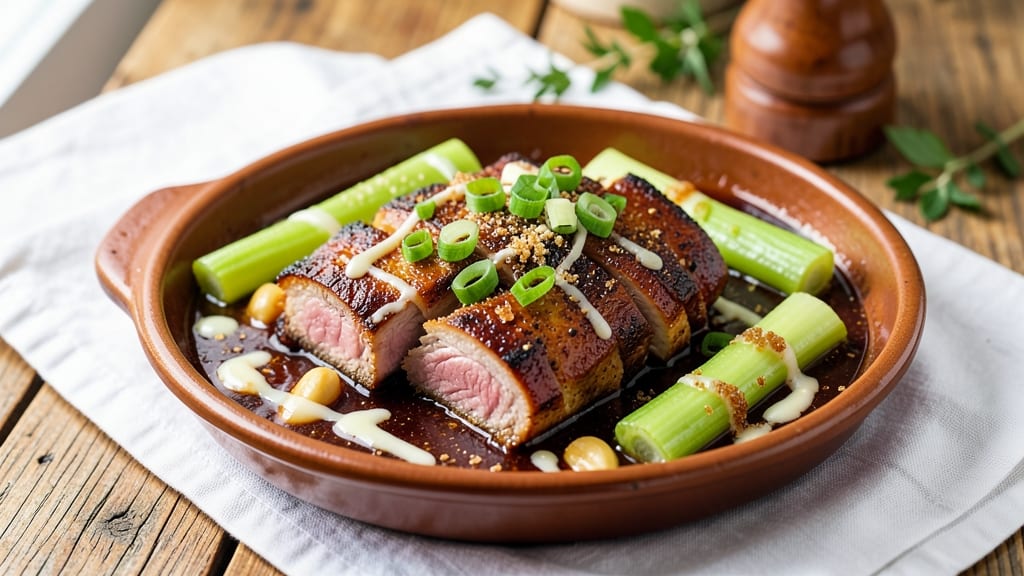
This adobo sitaw with pork recipe brings the rich, tangy-savory flavors of Filipino comfort food to your kitchen table. The secret lies in the balance of soy sauce, vinegar, and garlic that tenderizes the pork while creating a glossy, aromatic sauce.
I first tasted this dish in Manila, where it's a staple for family gatherings—now I'm sharing the technique that delivers that same restaurant-quality depth at home.
The recipe starts with marinating pork belly or shoulder in a mix of soy sauce, vinegar, and spices, which breaks down the meat into melt-in-your-mouth tenderness. Celery (sitaw) is added later to soak up the flavorful sauce, creating a perfect harmony of textures and tastes.
Traditional Filipino cooking techniques—like slow braising—ensure every bite is packed with flavor without being overly greasy.
What you'll end up with is a dish that pairs beautifully with steamed rice, where each forkful delivers tender pork, crisp-tender celery, and a sauce that's both tangy and umami-rich. The aromas alone will transport you to the Philippines, but the taste proves you can recreate this classic at home.
This is the kind of meal that feels like a hug in a bowl.
For those looking to modernize the dish, consider adding bell peppers or mushrooms for extra depth. The recipe scales perfectly for family dinners or gatherings, making it a versatile addition to your weekly menu. Let's get cooking!
Ingredients for adobo sitaw with pork
Six ingredients transform into Filipino comfort food that tastes like home.
| Ingredient | Amount | Notes |
|---|---|---|
| Pork Shoulder 🍖 | 2 lb | Cut into 2-inch chunks, bone-in preferred |
| Celery Sticks (Sitaw) 🧅 | 4 cups | Trimmed, cut into 3-inch pieces |
| Soy Sauce 🥄 | ½ cup | Light or regular, not low-sodium |
| White Vinegar 🍶 | ⅓ cup | Distilled preferred for tang |
| Garlic Cloves 🧄 | 8 cloves | Minced, not pre-minced jarred |
| Brown Sugar 🍚 | ¼ cup | Light or dark, packed |
| Black Peppercorns 🌶️ | 1 tsp | Crushed, not ground |
| Bay Leaves 🌿 | 2 whole | Dried, standard size |
| Olive Oil 🫒 | 2 tbsp | For searing pork |
| Water 💧 | 1 cup | For deglazing |
| Green Onions 🧅 | 4 whole | Sliced, for garnish |
| Salt 🧂 | 1 ½ tsp | Kosher or sea salt |
The pork is everything here. Pork shoulder gives you the best texture—tender but not falling apart—while bone-in adds depth. Grab the thickest cut you can find (the butcher section at Whole Foods or your local Filipino market has the best). If you can't find shoulder, pork belly works too—just trim the fat cap first. The celery? Fresh, crisp stalks are non-negotiable—no woody ends or pre-cut sticks. Look for bright green, firm celery with no dark spots. For the soy sauce, Filipino brands like Silver Swan give that authentic umami punch, but light soy works in a pinch.
No soy sauce? Coconut aminos (like Kikkoman) gets you close, though it's sweeter. Vinegar too sour? Apple cider vinegar at half the amount softens the bite. Brown sugar substitute? White sugar plus 1/4 tsp cinnamon mimics the molasses notes. The garlic can be roasted for a sweeter flavor—wrap the whole cloves in foil, roast at 400°F for 10 minutes. For extra depth, add 1/2 tsp ground coriander or 1 star anise pod to the marinade. The celery should be added raw—it softens perfectly in the sauce without turning mushy.
This tastes even better the next day. Store in the fridge for up to 5 days—the flavors meld beautifully. Freezes for 3 months if you want to prep ahead. Double the batch and freeze half—perfect for lazy weeknights. Garnish with green onions right before serving (they wilt fast). Serve over steamed rice—jasmine rice is traditional, but any long-grain works. The sauce thickens as it cools, so add a splash of water if it's too stiff when reheating.
Why You'll Love This Recipe
- One-Pot Magic: I swear by this recipe because it’s literally one pot—no chopping boards, no extra pans, just pork shoulder and celery simmering until tender. The vinegar and soy sauce do all the work while I clean up in minutes.
- Umami Bomb: That garlic-vinegar-soy combo? It’s a flavor explosion in your mouth. The pork gets sticky and caramelized, while the sitaw stays crisp—like someone sprinkled magic over every bite.
- Meal Prep MVP: Between us, this is my go-to for lunches. It reheats like a dream, keeps for days in the fridge, and even freezes well. Pack it in bento boxes or serve it over rice—it’s that adaptable.
- Budget Stretch: Pork shoulder is cheap, celery lasts forever, and you’re using pantry staples. Honestly, I make this when I’m broke or feeding a crowd—same delicious result, way less stress.
Step-by-step instructions for savory soy-braised celery and pork
Here's the method—simple, flavorful, and packed with that perfect balance of tangy, sweet, and savory.
Sear the Pork Shoulder for Rich Flavor
Heat a large Dutch oven or heavy pot over medium-high heat. Add the 2 tablespoons olive oil and let it get hot but not smoking. Working in batches if needed, add the 2 lb pork shoulder cut into 2-inch chunks, bone-in preferred. Sear on all sides until deeply golden brown, about 5-7 minutes per batch. This step builds deep flavor through the Maillard reaction.
As you sear, don't crowd the pan—give each piece space to develop that perfect crust. Once all pork is browned, transfer it to a plate and set aside. You'll notice the pork releases some juices and fat in the pot—this is pure flavor gold that we'll use later. Keep the pot on the heat for now.
Sauté Aromatics Until Fragrant
In the same pot, add the 8 cloves minced garlic and cook for 30 seconds until fragrant—you'll smell that sweet, pungent aroma filling your kitchen. Immediately add the 4 cups celery sticks (sitaw), stirring to coat them in the garlic and pork juices. Cook for 3-4 minutes until the celery softens slightly but still maintains its crisp texture.
Here's where it gets good: add the 1.5 teaspoons salt, 1 teaspoon crushed black peppercorns, and 2 whole bay leaves. Stir everything together and cook for another 2 minutes. The spices should be sizzling gently, releasing their oils. This aromatic base is the foundation of your adobo sitaw's complex flavor profile.
Deglaze and Simmer the Adobo Sauce
Pour in the 0.5 cup soy sauce and 0.33 cup white vinegar, scraping up all the browned bits from the bottom of the pot with a wooden spoon. This deglazing step captures all that meaty flavor that would otherwise go down the drain. Let the mixture bubble gently for 2-3 minutes until slightly reduced.
Add the 0.25 cup brown sugar and 1 cup water, then return the pork shoulder to the pot. Bring everything to a gentle simmer, then reduce heat to low. Cover partially and let it cook for 1 hour 15 minutes, stirring occasionally. You want the pork to become fork-tender while the celery absorbs all that rich, savory sauce.
Finish and Garnish for Perfect Presentation
After the initial simmer, check the liquid level—if it's too thin, uncover and simmer uncovered for another 15-20 minutes until the sauce thickens slightly. The pork should be falling apart easily when pierced with a fork, and the celery should be tender but still holding its shape. Taste and adjust seasoning if needed—you might want to add a splash more soy sauce or vinegar to balance flavors.
Remove the 2 whole bay leaves and discard them. Stir in the 4 whole sliced green onions just before serving. The bright green color and mild onion flavor will cut through the richness of the pork and celery. This dish tastes even better the next day as flavors meld further, but it's hard to wait!
Pro Tips For Making Adobo Sitaw With Pork
- BROWN THE PORK FIRST: Skip the slow simmer until the meat is raw—start with a hot pan and sear the pork shoulder in 2-inch chunks until deep golden brown on all sides. This locks in flavor and prevents the sauce from turning bland later. (Yes, it’ll take 5-7 minutes, but it’s worth the wait.)
- TRIM THE SITAW STICKS: Celery strings make the dish look messy and taste bitter. Use a peeler to strip the fibrous strings before cutting the sticks into 3-inch lengths—this keeps the texture crisp and the flavor clean. (I learned this after serving a batch where my picky aunt picked out every string.)
- USE TWO VINEGARS: White vinegar alone can taste harsh. Mix half with cane vinegar (or apple cider vinegar) for depth—this balances the tang without overpowering the pork. Add it gradually while simmering to control acidity. (Trust me, your taste buds will notice.)
- SIMMER LOW AND LONG: Adobo isn’t a quick braise—keep the heat at a bare simmer (tiny bubbles, not rolling) for at least 1.5 hours. Rushing it makes the pork dry; patience gives you fork-tender meat and a rich, caramelized sauce. (Set a timer, grab a book, and let it work.)
Storing and reheating this recipe
Fridge Storage Secrets
Let your adobo sitaw cool to room temperature for 30 minutes before storing—this prevents condensation that makes the sauce watery. Transfer to an airtight container (I love Le Creuset stoneware for its heat retention) and refrigerate for up to 5 days.
The flavors actually deepen overnight as the soy and vinegar meld together. Store the celery submerged in the sauce to keep it crisp-tender. 💫
When reheating from the fridge, use the stovetop method: place the container over medium-low heat and add 2-3 tablespoons water to prevent sticking. Simmer uncovered for 10-15 minutes, stirring occasionally, until heated through.
The sauce will thicken further—add a splash more water if needed. I always taste first to adjust seasoning, as refrigeration can mute flavors slightly.
Freezer Prep Like a Pro
This dish freezes beautifully for up to 3 months—perfect for meal prep. Portion into quart-sized freezer bags (lay flat to save space) or glass storage containers with 1-inch headspace for expansion.
Label with the date and "adobo sitaw"—trust me, you'll forget what's in there! For best texture, freeze the pork and celery together with the sauce. 🧊
Thaw overnight in the fridge before reheating. I recommend the stovetop method again: place the frozen contents in a pot with ¼ cup water, cover, and simmer on low heat for 20-25 minutes, stirring occasionally.
The celery might release excess water—drain slightly before serving if needed. The pork will be just as tender as day one!
Reheating Without Ruining
Microwaving works in a pinch, but it makes the celery mushy. If you must, use 50% power for 3-4 minutes, stirring halfway. Add 1 tablespoon water to prevent drying. For the best texture, always reheat on the stovetop—it gives you control over the heat and prevents uneven cooking. 🔥
Pro tip: Reheat only what you need. Adobo sitaw tastes best fresh from the fridge—leftovers reheated multiple times can make the celery limp. I keep a small portion in the fridge at all times for quick lunches.
Garnish with fresh green onions right before serving to brighten the dish and cut through any reheated richness.
Make-Ahead Magic
Double the recipe and freeze half for future meals. I often make a big batch on weekends and freeze portions for busy weeknights. The sauce actually improves with time—it becomes more concentrated and flavorful.
When reheating from frozen, add an extra 5 minutes of simmering time to ensure everything is heated through. 💡
For serving, I like to spoon the adobo sitaw over steamed jasmine rice and top with a fried egg for extra richness. The runny yolk ties everything together beautifully.
If you're serving a crowd, keep the dish warm in a slow cooker on low heat—it maintains perfect temperature without overcooking.
Nutrition facts
Frequently asked questions
Can I substitute regular celery for sitaw?
Yes, you can use regular celery—it's the same vegetable! Sitaw is just the Filipino term for celery sticks. For best results, choose firm, crisp stalks with no woody cores. Cut them into similar 3-inch pieces so they cook evenly. The dish will still taste delicious, though the texture might be slightly different than the traditional yard-long beans sometimes used in other Filipino dishes.
How do I make this dish less salty?
If you're watching your sodium intake, reduce the soy sauce to ¼ cup and replace the remaining ¼ cup with coconut aminos or low-sodium soy sauce. You can also add ½ cup extra water during cooking to dilute the saltiness slightly. Taste as you go—adding a splash of vinegar or a pinch of sugar can help balance flavors without adding more salt.
Can I use chicken instead of pork?
Chicken thighs work beautifully—they stay juicy and absorb the adobo flavors wonderfully. Use 2 lbs bone-in, skin-on thighs and reduce the cooking time to 45-50 minutes (chicken cooks faster than pork). For extra richness, crisp the skin first by searing it skin-side down for 5-6 minutes before proceeding with the recipe.
Why did my celery turn mushy?
Overcooking is the most common reason. Celery should be tender but still hold its shape—1 hour 15 minutes is the ideal time for pork. If you notice it's getting too soft, check it after 45 minutes and adjust heat to low. Also, avoid adding celery too early—it needs to absorb flavor in the final stages, not boil in the sauce from the start.
What's the best way to serve this dish?
Traditionally, it's served over steamed jasmine rice, which soaks up the delicious sauce. For extra indulgence, top with a fried egg or sprinkle with toasted garlic chips. Pair with a crisp green salad or pickled vegetables to balance the richness. The dish also reheats beautifully, making it perfect for meal prep!