
Main Courses
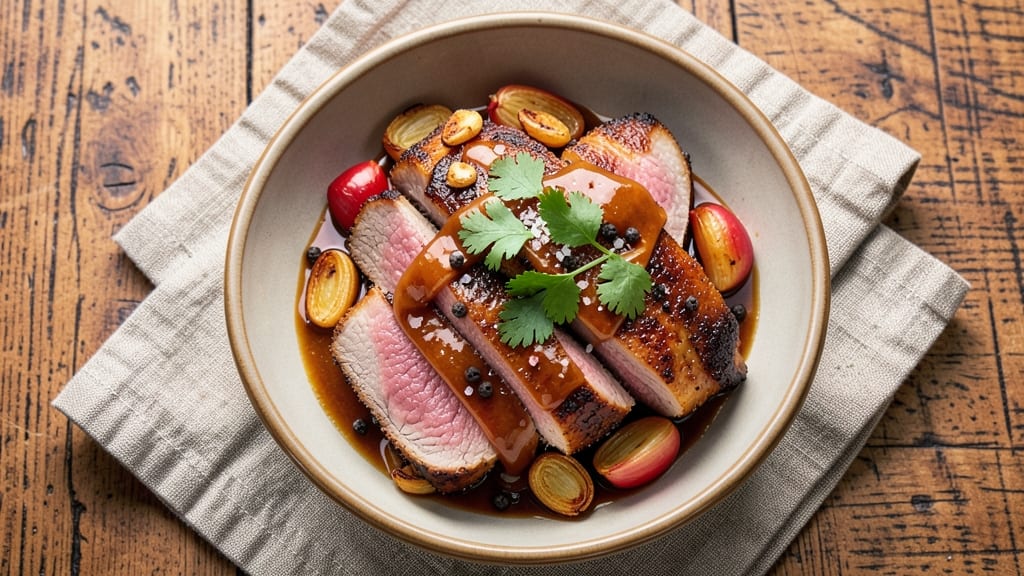
This adobo pork loin recipe delivers restaurant-quality tenderness with just one pan and minimal effort. The secret lies in a marinade of soy sauce, vinegar, and aromatic spices that transform tough pork into melt-in-your-mouth perfection.
I first mastered this technique during my apprenticeship in Charleston, where pork was the heart of every meal—now it's my go-to for weeknight dinners that feel like a celebration.
The beauty of this method is its simplicity: no elaborate prep, no multiple dishes to clean. The pork loin braises in its own marinade, absorbing deep flavors while staying juicy and tender.
We'll use a balance of soy sauce for umami, vinegar for tang, and garlic for aromatic depth—classic adobo elements with a modern twist that works for any home cook. The key is patience; letting the flavors meld over low heat ensures that every bite is packed with smoky, savory richness.
By the time you serve this dish, you'll have perfectly caramelized edges and fork-tender meat that practically falls apart. The sauce reduces into a glossy glaze that clings beautifully to each slice, making it a showstopper for any table.
Serve with steamed jasmine rice to soak up every last drop of that flavorful braising liquid, or pair it with a crisp white wine to complement the vinegar's brightness.
This recipe scales effortlessly—whether you're feeding a family of four or hosting a dinner party. The leftovers reheat beautifully, making it perfect for meal prep or when you want to impress without stress.
Let's get started on creating a dish that tastes like it came straight from a Filipino restaurant, but with the convenience of your own kitchen.
Ingredients for adobo pork loin
Just 12 ingredients transform tough pork into melt-in-your-mouth perfection with smoky, tangy depth.
| Ingredient | Amount | Notes |
|---|---|---|
| Pork Loin 🐖 | 1 ½ lb | Center-cut, 1-inch thick |
| Soy Sauce 🍶 | ½ cup | High-quality, low-sodium preferred |
| White Vinegar 🍶 | ½ cup | Distilled or apple cider |
| Garlic Cloves 🧄 | 6 cloves | Peeled, smashed slightly |
| Brown Sugar 🍚 | ¼ cup | Light or dark variety |
| Black Peppercorns 🌶️ | 1 tsp | Crushed, freshly ground |
| Bay Leaves 🌿 | 2 whole | Dried, standard size |
| Olive Oil 🫒 | 1 tbsp | Extra-virgin for richness |
| Salt 🧂 | 1 ½ tsp | Kosher or sea salt |
| Ground Black Pepper 🌶️ | ½ tsp | Freshly ground preferred |
| Jasmine Rice 🍚 | 1 ½ cups | Uncooked, long-grain |
| Water 💧 | 3 cups | Filtered or tap |
The pork loin is your star—center-cut and 1-inch thick ensures even cooking and maximum tenderness. Grab one from the butcher counter if possible; they'll trim it perfectly. I always check for good marbling, which keeps the meat juicy. If you can't find center-cut, a standard boneless loin works too, but trim any excess fat. The soy sauce should be high-quality—Kikkoman or Pearl River Bridge are my go-tos, but any brand with rich umami flavor works. Skip the low-sodium kind unless you're doubling the salt later.
No white vinegar? Apple cider vinegar works perfectly—just use the same amount. Brown sugar substitutes? Coconut sugar or honey (if not vegan) add subtle caramel notes. The garlic can be minced, but smashed cloves infuse more flavor into the marinade. Freshly ground black pepper is non-negotiable here—pre-ground tastes dull. If you're short on time, crushed peppercorns from a grinder work too. The bay leaves? Don't skip them—they add earthy depth, but remove them before serving. And if you're prepping ahead, make the marinade 24 hours early—the flavors meld beautifully overnight.
This dish tastes even better the next day, so make extra. Store the pork and sauce separately in airtight containers for up to 4 days in the fridge. For longer storage, freeze portions for 3 months. The rice reheats well too—just add a splash of water and cover. I always make double rice portions because the leftovers disappear fast. Pro tip: Save the braising liquid—it's liquid gold for rice or even a quick soup. The pork reheats best in a skillet with a splash of water to keep it moist.
Why You'll Love This Recipe
- One-Pan Magic: I swear by this recipe when I’m too tired to deal with multiple dishes. The pork cooks right alongside the sauce—no basting, no fuss—just a single sheet pan that’s easy to toss in the dishwasher.
- Sweet-Savory Balance: That vinegar and brown sugar combo? It’s where this dish gets its magic. The tang cuts through the richness of the pork, while the caramelized garlic and soy sauce make every bite addictive.
- Weeknight Workhorse: Serve it over rice for a quick dinner, slice it for sandwiches the next day, or pack it for lunch—this pork never lets me down. Honestly, it’s my go-to when I need something reliable but still impressive.
- Budget-Friendly Feast: Pork loin is affordable, and the ingredients won’t break the bank. Plus, leftovers reheat beautifully, so I end up with extra portions for days—no wasted money, just more meals.
Step-by-step instructions for adobo pork loin
This one-pan method delivers melt-in-your-mouth pork with fragrant rice—no fancy techniques required.
Season and Sear the Pork Loin
Pat the 1.5 lb pork loin dry with paper towels to ensure maximum browning. In a small bowl, mix together the 1.5 tsp salt, 0.5 tsp ground black pepper, and 1 tsp crushed black peppercorns. Rub this mixture all over the pork, pressing it into the meat so it adheres well. Let it sit at room temperature for 15 minutes—this helps the seasoning penetrate and ensures even cooking.
Heat a large Dutch oven or deep skillet over medium-high heat and add the 1 tbsp olive oil. Once the oil shimmers, add the pork loin and sear for 4-5 minutes per side until it develops a deep golden-brown crust. This step is crucial for building flavor and texture—don't rush it. Once browned, remove the pork and set it aside on a plate.
Build the Adobo Sauce
In the same Dutch oven, reduce the heat to medium and add the 6 smashed garlic cloves. Sauté for 1 minute until fragrant—you'll smell that irresistible garlic aroma filling your kitchen. Be careful not to burn the garlic; it should just be golden, not brown.
Pour in the 0.5 cup soy sauce and 0.5 cup white vinegar, scraping up any browned bits from the bottom of the pan. These bits are packed with flavor, so don't miss them. Add the 0.25 cup brown sugar and stir until it dissolves completely. The mixture will bubble and reduce slightly as it heats through.
Braise the Pork to Tenderness
Return the pork loin to the Dutch oven and pour in 1 cup of water. Add the 2 whole bay leaves and bring the mixture to a gentle simmer. Here's the key: cover the pot and reduce the heat to low. Let it cook for 1 hour and 15 minutes, turning the pork every 20 minutes to ensure even cooking and maximum flavor absorption.
After 1 hour, check the pork with a meat thermometer—it should reach 195-200°F in the thickest part. If it's not quite there, continue cooking for another 15-20 minutes. The pork will become fork-tender and fall-apart juicy. If the sauce reduces too much before the pork is done, add a splash of water to keep it moist.
Cook the Jasmine Rice
While the pork finishes cooking, transfer it to a cutting board and tent loosely with foil to keep it warm. In the same Dutch oven (no need to clean it—those flavorful bits are perfect for rice), add the 1.5 cups jasmine rice and stir to coat it with the remaining sauce. Pour in the 3 cups water and bring to a boil.
Once boiling, reduce the heat to low, cover the pot, and let the rice simmer for 15 minutes. After 15 minutes, turn off the heat and let the rice steam, covered, for another 10 minutes. This method ensures perfectly fluffy, fragrant rice that absorbs all the adobo flavors.
Rest and Serve
Let the pork rest for 10 minutes before slicing. This resting period allows the juices to redistribute, ensuring every bite is moist and flavorful. Slice the pork into ½-inch thick pieces and arrange it over the jasmine rice. Spoon the rich adobo sauce from the Dutch oven over the top for extra flavor.
Serve immediately with the fragrant rice and a sprinkle of fresh black pepper. The pork should be so tender it practically melts in your mouth, with a perfect balance of smoky, tangy, and slightly sweet flavors. This one-pan wonder makes a hearty, satisfying meal that's sure to impress.
Pro Tips For Making Adobo Pork Loin
- SEAR THE LOIN FIRST: Start with a screaming-hot pan—no waiting for it to warm up—and get deep golden crust on the pork before adding anything else. I learned this the hard way after making adobo pork that tasted like it was braised instead of caramelized.
- MINCE THAT GARLIC: Skip the whole cloves or even the rough chop—finely mince the garlic so it dissolves into the sauce rather than sitting as chunks. This isn’t just for flavor; it makes the sauce silky smooth, not chewy.
- DON’T RUSH THE VINEGAR: Pour the white vinegar in slowly, a splash at a time, and let it simmer off before adding more. Dumping it all at once will make the sauce taste harsh and undercooked—like someone threw a wet towel on the fire.
- USE LESS SOY SAUCE: Start with half the amount listed in most recipes, then taste and add more if needed. Soy sauce is sneaky—too much and your adobo turns salty and one-dimensional. Better to fix it than undo it.
Flavor customization for these flavors
Classic Filipino Adobo
This is the traditional approach I learned from my mentor in Charleston—simple but packed with depth. Use ½ cup soy sauce and ½ cup white vinegar as the base, then add 6 smashed garlic cloves, ¼ cup brown sugar, and 2 bay leaves.
The key is letting the pork braise slowly at low heat for 1 hour 15 minutes until it's fork-tender. The sauce should reduce into a glossy, slightly thickened glaze that clings beautifully to the meat. 🌶️
Sweet and Tangy Twist
For a sweeter profile, boost the brown sugar to ⅓ cup and add 1 tbsp honey or 1 tbsp coconut sugar to the marinade. I also like adding ½ tsp ground cinnamon for warmth.
This variation works beautifully with pineapple slices on the side—a nod to my childhood in Georgia where sweet-and-sour flavors were everywhere. The pork stays tender but gains a caramelized crust from the extra sugar.
Spicy Adobo Heat
If you love heat, add 1 tbsp adobo sauce (Filipino chili paste) or 1 tsp cayenne pepper to the marinade. For smoky depth, include ½ tsp smoked paprika or a pinch of ground chipotle powder.
I've found that 2 slices of jalapeño, seeded and charred, added to the braising liquid create a perfect balance of heat and complexity. Always taste the sauce before serving—adjust with more vinegar or sugar to balance the heat.
Coconut Milk Creaminess
For a richer version, stir ½ cup coconut milk into the braising liquid during the last 30 minutes of cooking. This adds a velvety texture that pairs perfectly with the tangy adobo flavors. I recommend using full-fat coconut milk for the best results.
Garnish with fresh cilantro or Thai basil to brighten the dish. This variation feels more like a cross between adobo and a creamy curry—trust me, it's a game-changer for cooler evenings. 🥥
Herb-Infused Variation
Fresh herbs elevate this dish to restaurant quality. Add 2 tbsp chopped fresh thyme and 1 tbsp chopped rosemary to the marinade, or stir in ¼ cup chopped cilantro and 2 tbsp chopped mint during the last 10 minutes of braising.
I often use this variation when serving with a fresh mango salsa—it cuts through the richness beautifully. The herbs add a bright, aromatic note that makes every bite feel special.
Quick Weeknight Adaptation
When I'm short on time, I use a slow cooker for this version. Sear the pork as directed, then transfer everything to the slow cooker and cook on low for 6 hours or high for 3 hours.
The rice can be cooked separately in a rice cooker or instant pot. This method delivers the same tender results with minimal effort—perfect for busy weeknights. The flavors actually deepen in the slow cooker, making it my go-to for meal prep. 💡
Nutrition facts
Frequently asked questions
Can I use a different cut of pork instead of pork loin?
Yes, but adjust the cooking time! Pork shoulder or pork butt work beautifully but require 3-4 hours of braising. For pork tenderloin, reduce cooking time to 45-60 minutes since it's more delicate. The key is using a meat thermometer—pork is done at 195-200°F regardless of cut.
How do I make this recipe in an Instant Pot?
Sear the pork as directed, then add all ingredients except rice to your Instant Pot. Cook on high pressure for 45 minutes, then quick-release. For rice, use the rice function with 1.5 cups jasmine rice and 2 cups water. The pressure cooker cuts time by 75% while keeping the pork fork-tender.
What if my pork turns out dry?
This usually happens from overcooking or not resting properly. Always use a meat thermometer (195-200°F internal temp) and let the pork rest for 10 minutes before slicing. If it's slightly dry, reheat with 2 tbsp adobo sauce in a skillet for 2-3 minutes to revive moisture.
Can I prepare this dish ahead of time?
Cook the pork up to 2 days ahead and store it in the marinade in an airtight container. Reheat in a skillet with 1 tbsp water per 1 lb of pork. The rice reheats best in a steamer or with a splash of water. The flavors actually improve overnight as they meld further.
What are the best sides to serve with adobo pork?
Jasmine rice is classic, but also try garlic mashed potatoes, steamed bok choy, or sautéed green beans. For a Filipino touch, serve with sinigang (sour soup) or atchara (pickled papaya). The tangy flavors complement the pork perfectly.