
Main Courses
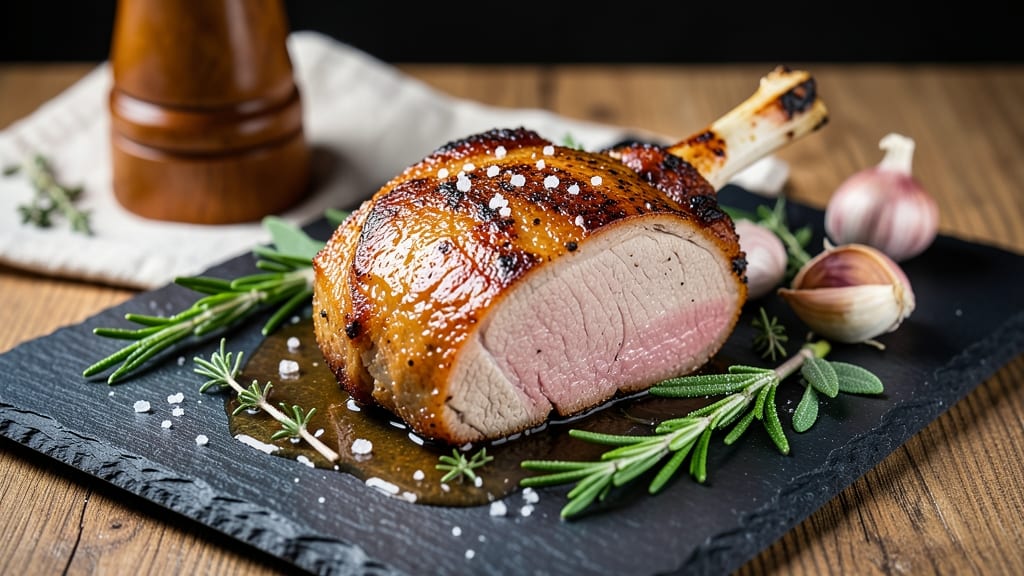
Mastering a 4-pound pork loin with a perfect pink center and herb-crusted exterior transforms a simple roast into a showstopper. 🔥 This recipe delivers juicy, tender meat with a flavorful crust that holds up to any gathering—whether it's a family dinner or a holiday feast.
The key lies in precise seasoning, proper resting, and understanding when to pull it from the heat.
What sets this herb-crusted pork loin apart is the balance of technique and simplicity. You'll start with a dry brine to lock in moisture, then coat the loin with a mix of fresh herbs, garlic, and mustard for depth.
Roasting at the right temperature ensures a perfect pink center while developing a golden, aromatic crust. I've perfected this method over years of cooking for crowds, and it never fails to impress.
The result is a pork loin that's impossibly tender with a crust so flavorful it'll have everyone asking for seconds. Each slice reveals juicy pink meat with a delicate texture, while the herb crust adds layers of savory, garlicky notes.
This is the kind of roast that elevates a weeknight dinner into something special—without requiring hours in the kitchen.
Serve with roasted root vegetables, apple chutney, or a simple green salad to complement the rich flavors. The leftovers reheat beautifully, making this the ultimate meal-prep-friendly roast. Let's get started on creating your perfect herb-crusted pork loin.
Ingredients for 4 pound pork loin
This showstopping herb-crusted pork loin delivers restaurant-quality results with just 12 ingredients.
| Ingredient | Amount | Notes |
|---|---|---|
| Bone-In Pork Loin 🐖 | 4 lb | Center-cut, 1.5-inch thick |
| Kosher Salt 🧂 | 2 tbsp | Diamond Crystal preferred |
| Fresh Rosemary 🌿 | ½ cup | Finely chopped, stems removed |
| Fresh Thyme 🌿 | ¼ cup | Leaves only, stems discarded |
| Fresh Sage 🌿 | ¼ cup | Leaves finely chopped |
| Garlic Cloves 🧄 | 8 cloves | Smashed, not minced |
| Yellow Mustard 🟡 | 2 tbsp | Dijon preferred for depth |
| Extra-Virgin Olive Oil 🫒 | ¼ cup | For basting and crust |
| Fresh Parsley 🌿 | ¼ cup | Chopped, for garnish |
| Black Peppercorns 🌶️ | 1 ½ tbsp | Freshly cracked |
| Unsalted Butter 🧈 | ½ cup | Cold, cubed for basting |
| Apple Cider Vinegar 🍎 | 1 tbsp | For dry brine |
The pork loin is the star—look for a center-cut, bone-in roast with good marbling for juiciness. Costco or Whole Foods carry excellent quality, but any reputable butcher will have what you need. Fresh herbs make all the difference here: Trader Joe's or farmers' markets are perfect for vibrant rosemary, thyme, and sage. Avoid wilted stems—they won't contribute flavor. For the garlic, organic cloves (like those from Lundberg) have the most robust flavor, but any fresh garlic works. The mustard should be Dijon-style—it adds a subtle tang that cuts through the richness of the pork.
No fresh rosemary? Dried works at one-third the amount, but it lacks that bright herbal punch. Out of Dijon mustard? Yellow mustard plus a pinch of sugar mimics the depth. The apple cider vinegar in the dry brine can be swapped for lemon juice if needed, though it won't have the same depth of flavor. For the olive oil, high-quality extra-virgin (like California Olive Ranch) is worth the splurge—it bastes beautifully and adds a fruity note to the crust. The butter should be unsalted to control seasoning, but if that's all you have, reduce the salt slightly. Preferring a different herb blend? Swap thyme for oregano or marjoram for a Mediterranean twist.
This roast reheats like a dream—4-5 days in the fridge or 3 months frozen. For freezing, wrap tightly in butcher paper, then foil, to prevent freezer burn. The crust stays crisp even after reheating, so it's perfect for meal prep. Slice against the grain for tender, uniform pieces. Leftovers pair beautifully with roasted potatoes or a simple green salad. Store any extra herb crust mix in an airtight container in the fridge for up to 1 week—great for quick weeknight dinners.
Why You'll Love This Recipe
- Minimal Prep Required: I swear by this—just a handful of herbs, salt, and 15 minutes of hands-off roasting. No fancy marinades or last-minute prep. The bone-in cut stays juicy while you sip your coffee, and honestly? That’s my kind of cooking.
- Herb-Packed Perfection: The rosemary, thyme, and sage cling to that pork like it’s their job, turning every bite into a fragrant, savory hug. Between us, the crispy edges and tender center make this my go-to for when I want something that tastes like it was made with love (but took zero effort).
- Leftovers That Don’t Suck: Slice it thin for sandwiches, dice it for pasta, or reheat it in the oven for breakfast—this pork doesn’t quit. I’ve fed a crowd with one roast, and the next day’s lunches still get rave reviews. (Yes, even on a Tuesday night.)
- Budget-Friendly Feast: A 4-pound loin stretches across meals without breaking the bank, and fresh herbs add luxury for pennies. I’ll be real: this is the kind of recipe that makes me feel fancy while keeping my wallet happy. Plus, the bone adds richness without extra cost.
Step-by-step instructions for herb-crusted pork loin roast
This method guarantees a perfectly pink center with a golden, aromatic herb crust every time.
👨🍳 Step 1: Create the Dry Brine and Herb Paste
In a small bowl, whisk together the 2 tbsp kosher salt, 1 tbsp apple cider vinegar, and 2 tbsp yellow mustard until smooth. This creates a dry brine that tenderizes the meat while adding depth of flavor. In a separate bowl, combine the 0.5 cup fresh rosemary, 0.25 cup fresh thyme, 0.25 cup fresh sage, 8 smashed garlic cloves, 1.5 tbsp cracked black peppercorns, and 0.25 cup extra-virgin olive oil to form a thick herb paste.
Here's the thing—this herb mixture needs to stick to the meat, so I press it firmly into the surface. The oil in the paste helps create that beautiful golden crust while keeping the meat juicy inside. Don't skip the vinegar; it cuts through the richness of the pork and enhances the herb flavors.
🍳 Step 2: Prep and Season the Pork Loin
Pat the 4 lb bone-in pork loin completely dry with paper towels—this is absolutely critical for crispy skin. Rub the dry brine mixture all over the meat, getting into all the crevices and cracks. Then spread the herb paste evenly over the entire surface, pressing it in firmly so it adheres well. Let the pork sit at room temperature for 30 minutes while you preheat your oven.
I like to work with the pork uncovered during this time—it helps the seasoning penetrate more deeply. The room temperature step ensures even cooking throughout the thick cut. If you're short on time, at least let it sit for 15 minutes, but don't skip this entirely.
🔥 Step 3: Roast with Butter Basting
Preheat your oven to 425°F with a rack positioned in the lower third. Place the pork loin on a rack set in a roasting pan (the rack allows air circulation for even browning). Roast for 20 minutes to get a good head start on the crust before reducing the temperature.
Here's where it gets fun—the basting. After 20 minutes, reduce the oven temperature to 325°F. Using a pastry brush, baste the pork with melted 0.5 cup unsalted butter every 20 minutes for the next 1 hour 40 minutes. You'll know it's ready when the internal temperature reaches 140°F (for medium-rare) or 145°F (for medium). The butter basting creates that beautiful caramelized crust while keeping the interior juicy.
⏰ Step 4: Rest and Garnish for Maximum Juiciness
Remove the pork from the oven and transfer it to a cutting board. Tent loosely with aluminum foil and let it rest for 20-30 minutes. This resting period is absolutely crucial—it allows the juices to redistribute throughout the meat instead of pooling on your cutting board. During this time, preheat your serving platter in the oven to keep the pork warm.
When ready to serve, garnish with the 0.25 cup chopped fresh parsley. The pork should have a deep golden-brown crust with fragrant herbs clinging to the surface. Slice it against the grain into ½-inch thick slices for maximum tenderness. Each bite should deliver that perfect balance of crispy exterior and succulent, pink center.
Pro Tips For Making 4 Pound Pork Loin
- USE A MEAT THERMOMETER: I learned this the hard way—bone-in pork loin can fool you with a browned crust while staying underdone inside. Stick the probe into the thickest part (not touching bone) and pull it at 145°F. That bone-in trick means the internal temp reads lower than you think.
- BRINE THE LOIN OVERNIGHT: Skip the dry rub if you’re short on time—this guarantees juicy meat. Submerge the pork in ice water with ¼ cup kosher salt per quart, then refrigerate 12–24 hours. Rinse thoroughly before cooking (yes, even if you’re impatient like me). The salt locks in moisture better than any herb can compensate for.
- SEAR IN BATCHES: Crowding the pan turns your crust into soggy mush. Start with high heat and sear the loin bone-side down first—it’s thicker and needs more time. Move it aside, then sear the thinner side in batches. If your pan’s too small, use two skillets. Trust me, the difference in texture is night and day.
- STACK HERBS LIKE A BOSS: Fresh rosemary, thyme, and sage? Chop them unevenly—some stems, some leaves. Tuck the whole sprigs into the meat’s crevices (especially around the bone) and scatter the chopped bits on top. The stems add depth, while the leaves release aroma as it cooks. No need to measure—just eyeball it.
Troubleshooting perfect results
Overcooked Exterior
If your pork loin develops a burnt crust before the center is cooked, you're likely roasting at too high a temperature for too long. The solution? Start with a 425°F blast for just 20 minutes to kickstart the crust, then immediately reduce to 325°F—this two-stage method prevents overbrowning.
I also recommend using a meat thermometer to monitor internal temperature rather than relying on time alone. 🌡️
Dry, Tough Meat
Dry pork loin usually means it didn't rest long enough or was cooked past medium. Let your roast rest for the full 20-30 minutes after removing from the oven—this redistributes juices.
For extra moisture, baste with butter every 20 minutes during cooking. I've found that pulling pork at 140°F (medium-rare) guarantees juiciness, while 145°F (medium) is safer but slightly drier.
Uneven Cooking
Thick pork loins often cook unevenly due to poor heat distribution. Always use a rack in your roasting pan to allow air circulation on all sides. For extra insurance, rotate the pan halfway through cooking.
I also recommend using a bone-in loin—the bone helps conduct heat more evenly. If your oven runs hot, consider lowering the temperature by 25°F throughout the cook.
Herb Crust Falling Off
The herb paste needs proper adhesion to create that signature crust. Press the mixture firmly into the meat before roasting, and don't skip the 30-minute room temperature step—this helps the seasoning stick.
For extra grip, I sometimes mix 1 tbsp Dijon mustard into the herb paste. If the crust still falls apart, your pork might have been too wet—pat it completely dry before seasoning.
Pale, Bland Center
A pale interior usually means the pork was undercooked or overbrined. Aim for 140-145°F internal temperature and use a reliable thermometer. For deeper flavor, I sometimes add 1 tsp smoked paprika to the herb paste.
If your pork tastes bland, check your seasoning—make sure the dry brine is evenly distributed and the herbs are fresh (not wilted). 💡
Freezer Burn Issues
To prevent freezer burn, wrap your cooked pork loin tightly in butcher paper first, then in heavy-duty aluminum foil. Leave 1 inch of headspace in the container to allow for expansion.
I recommend freezing in 1-pound portions for easy reheating. When reheating, use low heat (300°F) with a splash of water to prevent drying out.
Nutrition facts
Frequently asked questions
How thick should my 4-pound pork loin be for perfect results?
Aim for a 1.5-inch thick center-cut loin—this thickness ensures even cooking while allowing for that beautiful pink center. Thinner cuts will overcook before developing a proper crust, while thicker ones may stay underdone. Always measure from the thickest part to ensure consistency.
Can I substitute bone-in pork loin for boneless?
Yes, but with adjustments! Bone-in loins cook faster due to the bone's heat conduction. If using boneless, reduce roasting time by 10-15 minutes and check internal temperature more frequently. The bone also adds natural moisture—without it, baste more generously with butter to compensate.
What's the best way to slice this pork loin?
Slice against the grain into ½-inch thick pieces for maximum tenderness. Look for the muscle fibers running diagonally—cutting perpendicular to these creates shorter, easier-to-chew strands. Use a sharp knife and let each slice rest for 1 minute before serving to maintain juiciness.
How do I adjust this recipe for a smaller or larger pork loin?
For every additional 1 pound, increase roasting time by 10-15 minutes (still using the two-stage method). For smaller cuts (2 pounds), reduce time by 15-20 minutes total. Keep the herb paste proportions the same per pound—this maintains the flavor-to-meat ratio. A meat thermometer is your best friend for adjustments!
What are the best sides to serve with herb-crusted pork loin?
Classic pairings include roasted root vegetables (carrots, parsnips), garlic mashed potatoes, or a crisp apple chutney. For a lighter option, try a mixed greens salad with a balsamic vinaigrette. The herb crust's richness balances well with acidic or earthy sides—think roasted Brussels sprouts or sautéed mushrooms.