
Main Courses
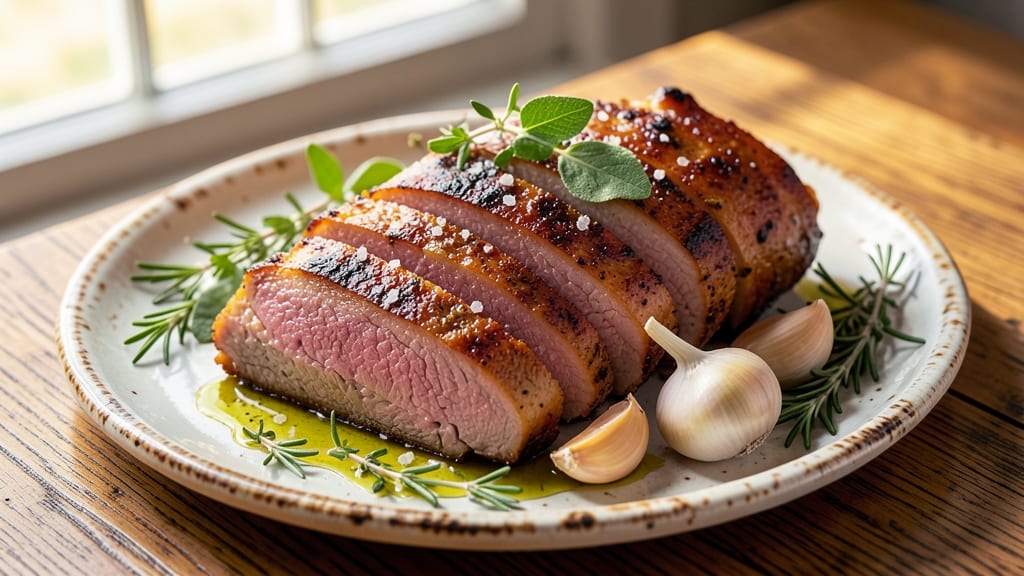
Mastering a 2-pound pork loin roast transforms simple ingredients into a showstopping centerpiece—juicy pink hearts with a crisp herb crust that commands every dinner table. 🔥 The secret lies in precise temperature control and a method that preserves moisture while creating that coveted golden crust.
I've cooked thousands of pounds of pork in my time, and this technique never fails to deliver restaurant-quality results at home.
What sets this recipe apart is the balance between speed and tenderness. A 375°F oven ensures even cooking without drying out the meat, while the herb crust adds texture and flavor without overwhelming the pork's natural richness.
The key is letting the roast rest after cooking—this crucial step keeps all those juices locked inside where they belong.
By the time you carve into this roast, you'll have perfectly pink, tender meat with a crisp exterior that shatters at every bite. The herb crust adds an aromatic finish that elevates the dish from ordinary to extraordinary.
This is the kind of roast that makes guests ask for seconds and leaves your kitchen smelling like a Southern Sunday dinner.
Pair it with roasted potatoes and a simple green salad for a complete meal that feels special without requiring hours in the kitchen. The technique here is foolproof—ideal for both weeknight dinners and holiday feasts. Let's get cooking!
Ingredients for 2 pound pork loin roast
The secret to restaurant-quality pork loin lies in these eleven ingredients—juicy meat, aromatic herbs, and perfect crust balance.
| Ingredient | Amount | Notes |
|---|---|---|
| Pork Loin Roast 🐖 | 2 lb | Bone-in, center-cut preferred |
| Fresh Rosemary 🌿 | ¼ cup | Finely chopped, stems removed |
| Fresh Thyme 🌿 | ¼ cup | Leaves only, stems discarded |
| Fresh Sage 🌿 | ¼ cup | Leaves chopped, stems removed |
| Garlic Cloves 🧄 | 6 cloves | Minced, not powdered |
| Extra-Virgin Olive Oil 🫒 | ¼ cup | High quality, fruity |
| Unsalted Butter 🧈 | ½ cup | Cold, cubed for crust |
| Diamond Crystal Kosher Salt 🧂 | 1 ½ tbsp | For seasoning and crust |
| Ground Black Pepper 🌶️ | 1 tsp | Freshly cracked |
| All-Purpose Flour 🌾 | 2 tbsp | For herb mixture adhesion |
| Fresh Lemon Juice 🍋 | 1 tbsp | Bright, not bottled |
The pork loin is everything here. Center-cut bone-in stays juicier than boneless, and the bone adds flavor. Most butchers will trim it for you if you ask—Costco or Whole Foods are great for quality cuts. Look for good marbling; if it's too lean, the crust won't stick as well. I always buy mine the day I plan to cook it, but it'll keep 3-4 days in the fridge if wrapped tightly. The herbs? Fresh is non-negotiable—dried just won't give that same aromatic punch. Grab them from the grocery store's produce section, not the dried spice aisle.
No fresh rosemary? Substitute with half thyme and half oregano, but it won't be the same. Running out of butter? Olive oil works in a pinch, though the crust won't be quite as rich. The flour helps the herb mixture stick—don't skip it. For the lemon juice, bottled is fine if you're in a bind, but fresh makes all the difference. The garlic should be minced, not powdered—that raw flavor is crucial. If you're feeling fancy, toast the garlic with the butter first for extra depth. And yes, you can use Diamond Crystal kosher salt or any other fine grain, but measure carefully—it's saltier than table salt.
Pork loin cooks best at room temperature, so take it out of the fridge 1 hour before roasting. The herb crust keeps for 2 days in the fridge if stored in an airtight container, but it's best used fresh. Leftover roast? Slice and reheat gently in the oven with a splash of broth. The crust won't be as crisp, but the meat stays juicy. For freezing, wrap the cooked roast tightly in foil and it'll keep for 3 months. I always portion the leftovers into individual servings so they're ready for quick meals.
Why You'll Love This Recipe
- One-Pan Magic: I swear by this—just the roast, herbs, and garlic on a sheet pan. No fancy gadgets, no chopping boards full of mess. The rosemary and thyme practically stick to the pork like it’s hugging them, and that’s all you need for a showstopper.
- Herb Bomb Flavor: That trio of rosemary, thyme, and sage? It’s like a flavor explosion in your mouth. The garlic cloves get caramelized right into the crust, giving every bite this perfect balance of earthy and sweet. Honestly, it’s the kind of taste that makes you want to close your eyes and savor it.
- Weeknight to Dinner Party: Between us, this roast is my secret weapon for both lazy Fridays and when Aunt Linda drops by unannounced. Slice it thin for sandwiches or serve it whole with a drizzle of pan juices—it’s equally happy feeding two or six. (Yes, even on a Tuesday night.)
- Leftovers That Don’t Suck: I make this on Sunday, and by Thursday, I’m still eating it. The meat stays juicy, the herbs add depth, and it reheats like a dream. No sad, dry slices here—just rich, flavorful pork that feels like a treat, not a chore. Budget-friendly? Absolutely. Worth it? Always.
Step-by-step instructions for juicy pork loin roast
Master this technique and you'll achieve a perfectly pink, juicy center with a crisp herb-crusted exterior every time.
👨🍳 Step 1: Prep the Roast and Herb Mixture
Remove the pork loin roast from the refrigerator and let it sit at room temperature for 30 minutes before cooking. This ensures even cooking throughout. While it comes to temperature, prepare the herb mixture by combining the 0.25 cup fresh rosemary, 0.25 cup fresh thyme, 0.25 cup fresh sage, 6 minced garlic cloves, 2 tablespoons all-purpose flour, 1.5 tablespoons kosher salt, and 1 teaspoon black pepper in a small bowl.
Use your fingers to break up the herbs and mix everything together until you have a coarse, even blend. The flour helps the herbs stick to the meat and creates that signature crisp crust. I like to press the mixture firmly against the roast to ensure good adhesion.
🍳 Step 2: Create the Herb-Crusted Crust
Preheat your oven to 425°F with a rack positioned in the lower third of the oven. Place the pork loin roast on a wire rack set inside a rimmed baking sheet. This rack position allows hot air to circulate underneath, preventing soggy bottoms.
Rub the herb mixture all over the pork loin roast, pressing firmly so it adheres to the surface. Then, take the 0.5 cup cold cubed butter and dot it evenly over the herb crust. The butter will melt and baste the meat as it roasts, adding richness and helping create that crisp exterior. Place the roast in the preheated oven.
🔥 Step 3: Roast to Perfect Medium Doneness
Roast the pork loin for 25-30 minutes until the internal temperature reaches 140°F on a meat thermometer. This is the perfect temperature for juicy pink pork loin—it will continue rising to 145°F as it rests. Watch for the crust to turn golden brown and crispy.
I check the temperature by inserting the thermometer into the thickest part of the roast, avoiding the bone. The roast is done when it hits 140°F and the crust has developed a deep golden color. If the crust browns too quickly, tent the roast loosely with foil to prevent over-browning while it finishes cooking.
⏰ Step 4: Rest and Slice for Maximum Juiciness
Remove the pork loin roast from the oven and transfer it to a cutting board. Let it rest for 10-15 minutes before slicing. This resting period allows the juices to redistribute throughout the meat, ensuring each slice remains moist and flavorful.
While it rests, use a sharp carving knife to slice the pork loin into ½-inch thick slices. The slices should be clean and even, with that beautiful herb-crusted exterior and tender pink interior. Serve immediately with a squeeze of 1 tablespoon fresh lemon juice to brighten the flavors.
🍽️ Step 5: Optional Pan Sauce (Using Rendered Juices)
For extra flavor, place the rimmed baking sheet on the stovetop over medium heat. Add 0.25 cup extra-virgin olive oil to the drippings and scrape up all the browned bits from the bottom of the pan. Let it simmer for 2-3 minutes until slightly thickened.
This pan sauce captures all the herb and meat flavors that render during roasting. Drizzle it over the sliced pork loin just before serving to add a rich, savory finish. The combination of crisp crust, juicy pink meat, and herb-infused sauce makes this pork loin roast truly exceptional.
Pro Tips For Making 2 Pound Pork Loin Roast
- SEAR IT FIRST: High heat for 3-4 minutes per side—don’t skimp. That crust locks in flavor and keeps the roast from drying out later, especially with a lean cut like pork loin. (Yes, even if you’re tempted to rush it.)
- CHOP HERBS COARSELY: Tiny herb pieces turn to mush and disappear. Rough-chop rosemary, thyme, and sage (about ½-inch chunks) so they stay fragrant and visible—no need to overcomplicate it.
- USE A MEAT THERMOMETER: Pull the pork at 140°F internal temp—not 145°F. It’ll climb to 145°F while resting, and you’ll avoid rubbery, overcooked meat. (I learned this after one very dry roast.)
- REST UNDER FOIL: Tent loosely with foil for 10 minutes after roasting. This keeps it juicy while you finish the sides—no sad, sliced pork that’s lost all its moisture. (Your knife will thank you.)
Best sauces and condiments for this 2 pound pork loin roast
Classic Herb Butter Sauce
My go-to sauce for this roast is a simple herb butter reduction made from the rendered juices and leftover herb mixture. After roasting, place the baking sheet on the stovetop over medium heat and add 2 tablespoons cold butter to the drippings.
Let it melt, then whisk in 1 tablespoon fresh lemon juice and 1 teaspoon chopped fresh parsley. This sauce adds richness while keeping the dish light and aromatic. 💛
Apple Cider Glaze
For a sweet-savory contrast, try brushing the roast with a light apple cider glaze during the last 10 minutes of cooking. Simmer ½ cup apple cider with 1 tablespoon honey and 1 teaspoon Dijon mustard until reduced by half.
The acidity cuts through the richness while adding a caramelized finish. I love this variation for holiday meals.
Balsamic Reduction
For a tangy twist, reduce ¼ cup balsamic vinegar with 1 tablespoon brown sugar until syrupy. Drizzle over the sliced roast or use it to deglaze the pan for an extra-rich sauce.
The deep umami notes pair beautifully with the herb crust. I keep a bottle of Baldor Special Reserve balsamic on hand for this exact purpose.
Creamy Garlic Sauce
Whip together ¼ cup heavy cream with 2 minced garlic cloves, 1 tablespoon Dijon mustard, and a pinch of salt for a velvety sauce. Warm gently and drizzle over the sliced pork.
This sauce adds a luxurious finish that feels like a restaurant-quality touch. I often make this when serving to guests who prefer richer flavors.
Spicy Honey Mustard
Mix 2 tablespoons Dijon mustard with 1 tablespoon honey and ½ teaspoon cayenne pepper for a sweet-heat kick. Brush this over the roast during the last 5 minutes of cooking or serve as a dipping sauce. The heat balances the richness perfectly, and it's always a crowd-pleaser. 🌶️
Wine Reduction
For a sophisticated touch, deglaze the pan with ¼ cup dry white wine (like Sauvignon Blanc) after roasting. Reduce by half, then whisk in 1 tablespoon butter for a silky finish.
This sauce adds depth while keeping the dish elegant. I particularly enjoy this with a crisp Pinot Grigio pairing.
Nutrition facts
Frequently asked questions
Why does the recipe call for medium doneness (140°F) instead of fully cooked (145°F)?
This roast is designed to stay juicy pink at 140°F—the meat will carry over to 145°F while resting, giving you that perfect tender texture. Overcooking to 145°F immediately would dry out the pork, especially in a 2-pound roast. The 10-15 minute rest is non-negotiable for locking in those flavors!
Can I use a boneless pork loin instead of bone-in?
Yes, but expect slightly faster cooking and less flavor. Boneless loins cook 10-15% faster because they're more exposed to heat. If substituting, reduce your roasting time by 5-7 minutes and check the temp at 135°F (it'll rise to 140°F while resting). The herb crust will still work, but the bone adds moisture and depth.
What if my oven runs hot and the crust burns before the pork is done?
Tent the roast loosely with aluminum foil after 15 minutes if the crust darkens too quickly. This keeps the exterior from overcooking while the center finishes. For extra insurance, lower the oven temp to 375°F for the last 10 minutes to gently cook through without burning. The crust will still crisp up beautifully when sliced!
How do I adjust this recipe for a larger roast (like 3-4 pounds)?
Increase the herb mixture by 50% (double each herb amount) and double the butter to 1 cup. Roast at 375°F for 30-40 minutes until 140°F internal temp. The key is longer cooking time at a slightly lower temp—this prevents the exterior from overcooking before the center is done. Use a meat thermometer to guide you!
What's the best way to reheat leftovers without drying them out?
Slice the roast and reheat in a 350°F oven with a splash of broth or apple cider for 10-12 minutes. Never microwave—it turns pork rubbery. For extra moisture, wrap slices in foil with a pat of butter and steam for 5 minutes before serving. The crust won't be as crisp, but the meat stays tender and flavorful!