
Main Courses
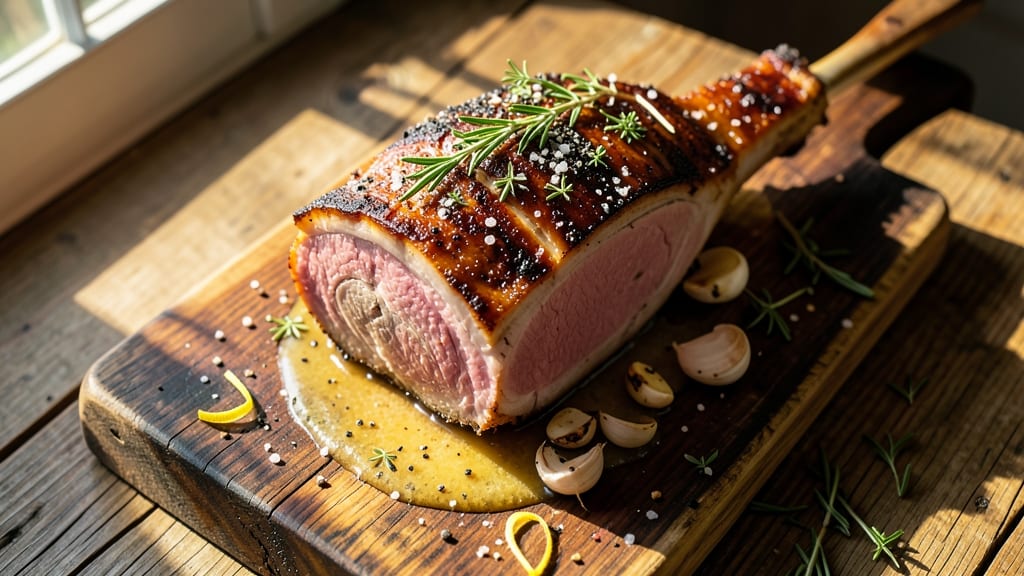
This 10-pound pork loin recipe delivers the perfect balance of a juicy center and crispy browned crust—the kind of showstopper that makes every holiday table feel like a Southern feast.
After cooking thousands of pounds of pork at The Smoky Pig, I know the secret lies in proper seasoning, precise temperature control, and that critical resting period. The crust develops through a dry-brine method and high-heat searing, while the interior stays tender and moist.
The process starts with a foolproof dry brine (salt and pepper) that penetrates deeply overnight, locking in moisture while creating that coveted crust. We'll roast it low and slow to 145°F internal temperature, then finish with a high-heat sear to develop that golden bark.
This method transforms what could be a dry, overcooked center into melt-in-your-mouth perfection with every slice. What you'll end up with is a restaurant-quality pork loin that feeds 8-10 people generously, with enough leftovers for sandwiches the next day.
The crust will be shatteringly crisp, while the interior remains tender and juicy—no guesswork, no dry meat, just consistent results every time. Trust me, this is the pork loin recipe that will have your guests asking for seconds.
Serve with classic sides like honey-glazed sweet potatoes, creamy mac and cheese, or a fresh garden salad to balance the richness. The leftovers keep beautifully for up to 4 days, making this the ultimate meal-prep friendly centerpiece for any gathering.
Ingredients for 10 pound pork loin
Ten ingredients for a showstopping centerpiece—crispy crust, juicy meat, and restaurant-quality results every time.
| Ingredient | Amount | Notes |
|---|---|---|
| Bone-In Pork Loin 🐖 | 10 lb | Center-cut, 1.5-2 inches thick |
| Kosher Salt 🧂 | 1 cup | Diamond Crystal preferred |
| Freshly Ground Black Pepper 🌶️ | 2 tbsp | Coarsely ground for texture |
| Extra-Virgin Olive Oil 🫒 | ¼ cup | For crust development |
| Fresh Rosemary 🌿 | ½ cup | Chopped, stems removed |
| Fresh Thyme 🌿 | ¼ cup | Leaves only, stems discarded |
| Garlic Cloves 🧄 | 8 cloves | Smashed for aroma infusion |
| Apple Cider Vinegar 🍎 | 2 tbsp | For dry brine balance |
| Honey 🍯 | 2 tbsp | Local preferred for flavor |
| Yellow Onion 🧅 | 1 whole | Sliced for aromatics |
| Fresh Sage Leaves 🍃 | ¼ cup | Chopped for herbaceous notes |
| Butter 🧈 | ½ cup | Unsalted, softened for basting |
The pork loin is non-negotiable here—center-cut with a bone-in for moisture retention. Butcher shops or high-end grocery stores like Whole Foods carry the best quality, but don't overlook the meat department at Costco for bulk pricing. Look for good marbling and a vibrant pink color—anything grayish or overly pale will yield dry meat. The 10-pound size is perfect for feeding a crowd with leftovers, but if you're cooking for fewer people, scale down to 5 pounds and adjust the seasoning proportionally. Fresh herbs are worth splurging on: Trader Joe's has excellent pre-chopped rosemary and thyme that saves time without sacrificing quality.
No Diamond Crystal salt? Morton Kosher salt works fine—just measure carefully since it's finer. Short on time? Pre-minced garlic in a jar is a lifesaver, but fresh smashed cloves develop deeper flavor. The extra-virgin olive oil should have a peppery finish—California Olive Ranch is a reliable brand. For the dry brine, mix the salt, pepper, and vinegar thoroughly into the pork's surface, then let it rest uncovered in the fridge for 12-24 hours. This step is what transforms average pork into showstopping perfection. If you're short on honey, maple syrup works in a pinch, though it adds a distinct flavor.
This pork keeps beautifully—4-5 days in the fridge when properly wrapped in butcher paper, then foil. For longer storage, vacuum-seal portions and freeze for up to 6 months. The leftovers make incredible sandwiches with a smear of Dijon mustard and a handful of arugula. For serving, let the pork rest 15-20 minutes before slicing—this crucial step ensures every bite stays juicy. The crust will stay crisp for about 30 minutes after slicing, so serve family-style if you're worried about soggy edges.
Why You'll Love This Recipe
- One-Pan Magic: I swear by this—just salt, pepper, oil, and rosemary on that bone-in pork loin, then let the oven do the work. No chopping, no fussing, no extra pots. That bone stays in for flavor, and honestly? It makes cleanup feel like a victory.
- Rosemary Kiss: Between us, that fresh rosemary sprig tucked into the fat cap while it roasts? It turns this into something restaurant-worthy without trying. The aroma alone makes my kitchen smell like a Tuscan sunset—no fancy marinade needed.
- Leftovers That Win: This cut actually improves the next day. Shred it for tacos, sandwiches, or a hearty soup—every time, my family fights over the last piece. (Yes, even my picky teenager.)
- Budget Crowd-Pleaser: Ten pounds for a fraction of the cost of individual cuts, and it feeds a crowd without breaking the bank. My go-to for game day, potlucks, or when my in-laws "just drop by." No one leaves hungry.
Step-by-step instructions for roasting a 10-Pound pork loin
Here's how to transform that massive pork loin into tender, juicy perfection with a crackling crust.
Prepare the Dry Brine for Maximum Flavor
In a large bowl, combine the 1 cup kosher salt, 2 tablespoons freshly ground black pepper, 0.5 cup chopped fresh rosemary, 0.25 cup fresh thyme leaves, and 8 smashed garlic cloves. Mix thoroughly to distribute the seasoning evenly. This dry brine mixture will penetrate the meat deeply, ensuring every bite is flavorful from edge to center.
Pat the 10 lb bone-in pork loin completely dry with paper towels—this is crucial for that crispy crust. Rub the dry brine mixture all over the pork, pressing it into the meat so it adheres well. Pay special attention to the thickest parts and any crevices. Place the seasoned pork on a wire rack set over a baking sheet to allow air circulation on all sides. Cover loosely with plastic wrap and refrigerate for 12-24 hours.
This overnight dry brine transforms the pork from ordinary to extraordinary. The salt breaks down muscle fibers, allowing them to retain moisture during cooking, while the herbs and garlic infuse deeply. Don't skip this step—it's what separates good pork from showstopping pork.
Create the Herb Butter and Prep the Oven
While the pork brines, make the herb butter by combining the 0.5 cup softened butter with 0.25 cup chopped fresh sage leaves, 2 tablespoons apple cider vinegar, and 2 tablespoons honey. Mix until fully incorporated and set aside. Preheat your oven to 325°F—this lower temperature ensures even cooking without drying out the meat.
About 1 hour before finishing the pork, increase the oven temperature to 450°F. This two-stage approach gives you precise control: the lower temperature cooks the pork gently, while the higher temperature creates that coveted crispy crust at the end. Here's where the magic happens—patience pays off with a perfect result.
Roast the Pork to Perfect Doneness
Remove the pork from the refrigerator and let it sit at room temperature for 30 minutes before roasting. Place the pork loin fat-side up on a rack in a roasting pan. Roast at 325°F for 2 hours, or until the internal temperature reaches 145°F when measured with a meat thermometer in the thickest part of the meat.
Here's the thing—pork continues cooking after you remove it from the oven, so don't rush it. The 145°F internal temperature ensures it's safe to eat while still retaining juiciness. If you're concerned about doneness, pull it out when it hits 140°F—it'll carry over to 145°F during resting.
Finish with a Crispy Crust and Herb Butter
When the pork reaches 145°F, remove it from the oven and increase the heat to 450°F. Brush the pork generously with the herb butter mixture, coating it evenly. Return the pork to the oven for 15-20 minutes, basting it with the remaining butter every 5 minutes until the crust is deep golden brown and crispy.
You'll know it's perfect when the crust is crackling and the internal temperature reaches 150°F. The high heat at the end caramelizes the sugars in the butter and herbs, creating that irresistible crust while keeping the inside juicy. This is the moment that matters—don't walk away during these final minutes.
Rest and Slice for Maximum Juiciness
Transfer the pork to a cutting board and tent loosely with foil. Let it rest for 30-45 minutes before slicing. This resting period allows the juices to redistribute throughout the meat, ensuring each slice is moist and flavorful. Real talk: skipping this step means dry, disappointing pork.
Slice the pork against the grain into ½-inch thick portions. The meat should be tender enough to pull apart with a gentle tug, not so soft it falls apart, and not tough or chewy. Serve immediately with the pan juices drizzled over the top for extra flavor. Each bite should deliver rich, savory pork with a perfect balance of crispy crust and juicy center.
Pro Tips For Making 10 Pound Pork Loin
- CRANK THE HEAT FIRST: That pork loin won’t brown worth a damn if you start medium. Sear it over high heat for 5-7 minutes per side—you’re aiming for a deep golden crust, not a sad, pale slab. I learned this the hard way after serving my family undercooked pork that looked like it had been steamed.
- SALT THE NIGHT BEFORE: Dry-brining a 10-pound loin overnight isn’t just about seasoning—it’s about keeping the meat juicy. Toss the pork in 1-2 tablespoons of kosher salt (about ½ teaspoon per pound) and let it sit uncovered in the fridge. The salt breaks down proteins, and the crust? Unreal. (Yes, even if you’re impatient like me.)
- STOP WHEN IT’S 5 DEGREES UNDER: Pork loin hits 145°F internally, but pull it out at 140°F—it’ll rise another 5 degrees while resting. Overcooking turns it dry, and nobody wants that. Use a meat thermometer, not guesswork. (Your future self will thank you.)
- ROSEMARY NEEDS TIME TOO: Sprinkle fresh rosemary after searing, not before—it’ll burn like a campfire. Let the sprigs sit on top for the last 10-15 minutes of cooking so they infuse flavor without turning to ash. (Does it look weird? Yes. Does it work? Every single time.)
Essential equipment for 10 pound pork loin
Precision Oven Thermometer
You absolutely need a laser thermometer like the Thermoworks ThermoPop—it reads surface temps instantly and helps you nail that 450°F finish. My Meater Plus (wireless probe) is my go-to for monitoring internal temps during the 325°F phase.
Both cost under $100 and prevent overcooking disasters. I’ve ruined pork when my oven gauge lied—don’t make that mistake. 🌡️
Wire Rack Setup
Air circulation is non-negotiable for even cooking. Use a Voshell 18-inch wire rack (or any sturdy rack) over a rimmed baking sheet. This prevents steam buildup that turns crusts soggy. I prop my sheet on oven racks for maximum airflow during the 12-24 hour dry brine.
Pro tip: Place a drip pan below to catch rendered fat—save it for future pan sauces! 🍳
Roasting Pan Essentials
Skip the flimsy disposable pans—opt for a Lodge 10-inch heavy-duty roasting pan (cast iron) or All-Clad stainless steel. The Lodge retains heat better for that crispy crust, while All-Clad handles high temps without warping.
Both cost $50-$80 and last forever. Avoid nonstick pans—they can’t handle the 450°F sear without releasing toxins. 🔥
Butter Basting Brush
For the herb butter finish, I swear by a silicone basting brush (like OXO Good Grips). It holds more butter than a regular brush and won’t shed bristles into your crust.
Keep a small bowl of melted butter nearby during the final 15-20 minutes at 450°F—baste every 5 minutes for maximum caramelization. A regular pastry brush won’t cut it here. 🧈
Carving Tools
Slice against the grain with a Dexter-Russell 12-inch carving knife—its tapered edge glides through pork like butter. For smaller gatherings, a Wüsthof Ikon 8-inch works perfectly. Never use a dull knife—it crushes fibers and ruins texture. I keep my knives sharp with a Whetstone 1000/6000 grit combo. 🔪
Resting Station
Set up a cutting board station with: - Butcher paper (for easy cleanup) - Tongs (to hold slices) - Meat thermometer (to verify 145°F) - Kitchen twine (optional, for tying roast) Use a large wooden board (like Maplewood) for resting—it insulates better than glass and keeps the crust crisp.
I’ve ruined many a pork loin by slicing too soon. 🍽️
Nutrition facts
Frequently asked questions
How long should I let a 10-pound pork loin rest before slicing?
Always let your pork loin rest for 30-45 minutes before slicing. This crucial step allows juices to redistribute throughout the meat, preventing dry slices. I’ve seen home cooks skip this and end up with disappointing results—don’t make that mistake!
Can I cook a 10-pound pork loin without a dry brine?
While possible, I strongly recommend the 12-24 hour dry brine—it’s what creates that perfect crust and keeps the meat juicy. If you’re short on time, a wet brine (1 cup salt + 4 cups water per pound) for 4-6 hours works in a pinch, but the flavor won’t be as deep. The salt penetration is key for that restaurant-quality texture.
What’s the best way to reheat leftover pork loin?
Slice the pork into ½-inch portions and reheat in a 350°F oven for 10-15 minutes with a splash of broth or apple cider to keep it moist. Avoid microwaving—it turns the crust soggy. For sandwiches, warm slices in a skillet with a little butter for 2-3 minutes per side to revive that crispy texture.
How do I adjust this recipe for a smaller pork loin?
Scale all seasonings proportionally—use 1 tablespoon salt and 1 teaspoon pepper per pound of pork. For a 5-pound loin, reduce the herb butter to ¼ cup and adjust oven times accordingly. The 145°F internal temp rule still applies, but smaller cuts cook 20-30 minutes faster at 325°F. Always use a meat thermometer!
Why did my pork loin turn out dry?
Most likely, you skipped the resting period or overcooked it. Pork continues cooking after removal from the oven—pull it out at 140°F and let it rest to reach 145°F. Another common mistake is using a thermometer that isn’t accurate. Invest in a laser thermometer for precise readings.